Le Château De Konopi
- 21 Chambres
- 4 SdB
- 24,165 Sqft
- 4.21 Ac lot
- 37
À propos de la propriété
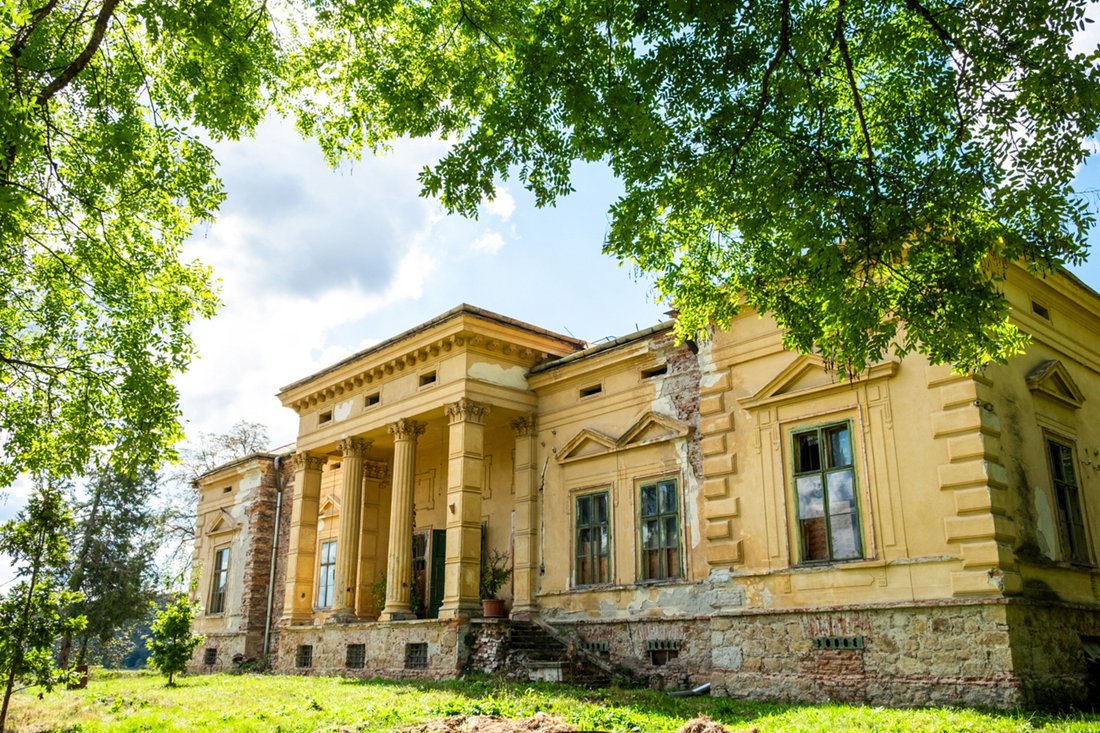
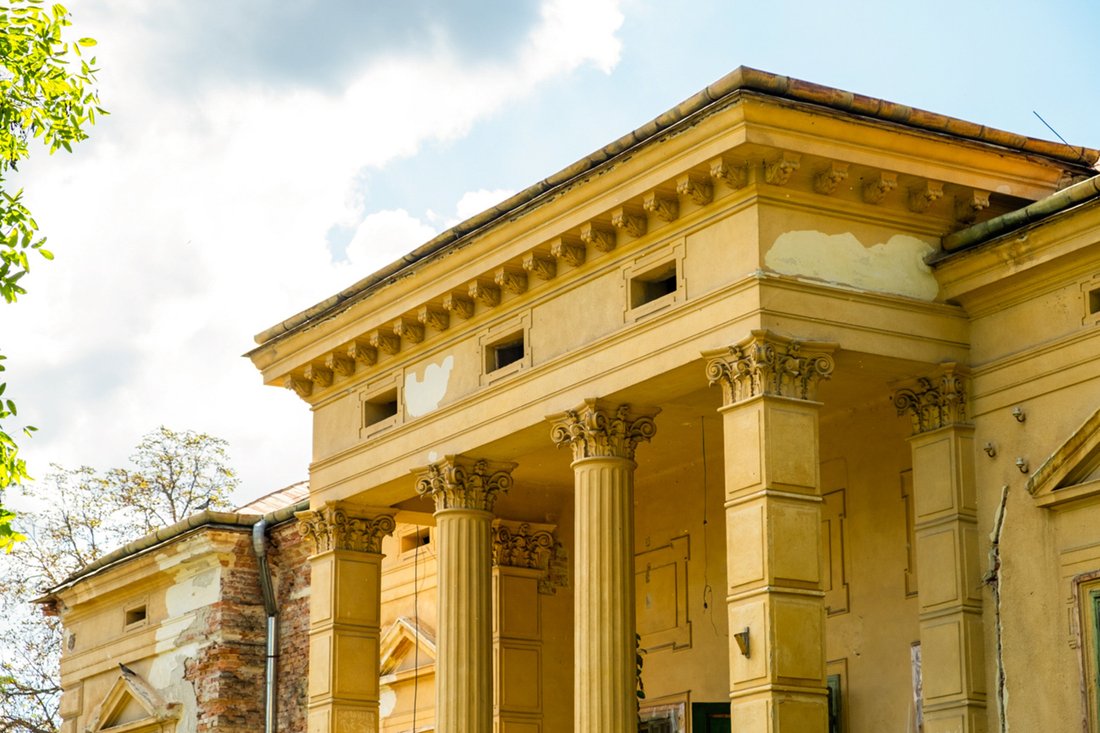
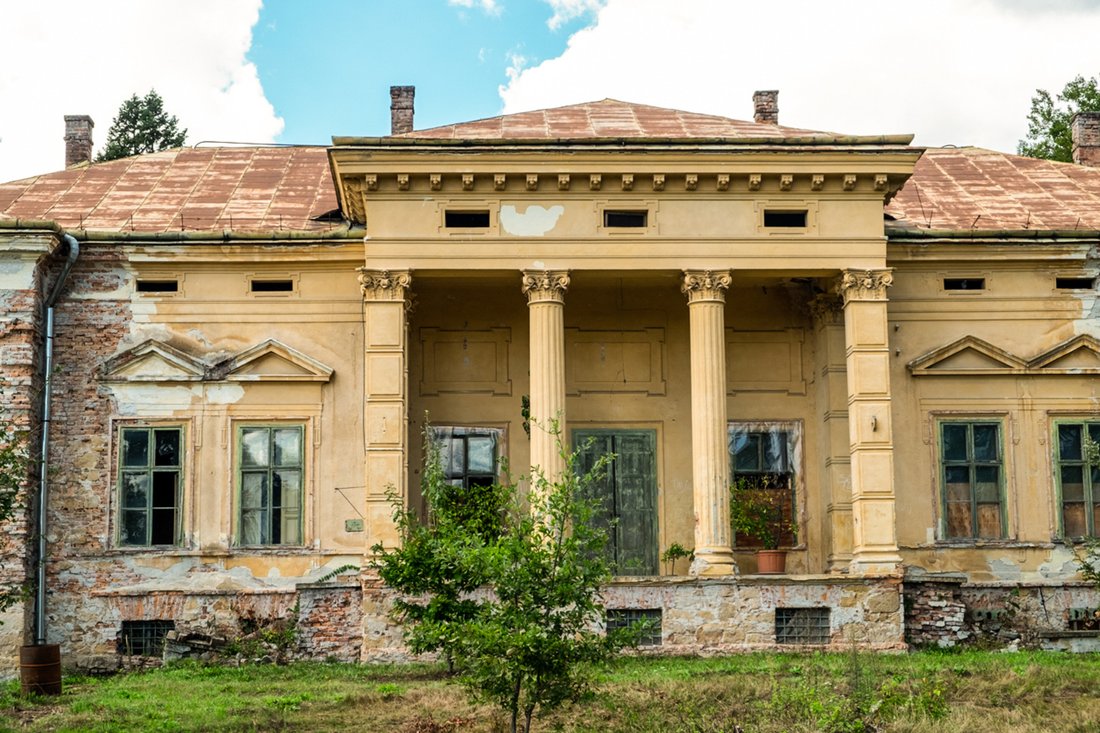
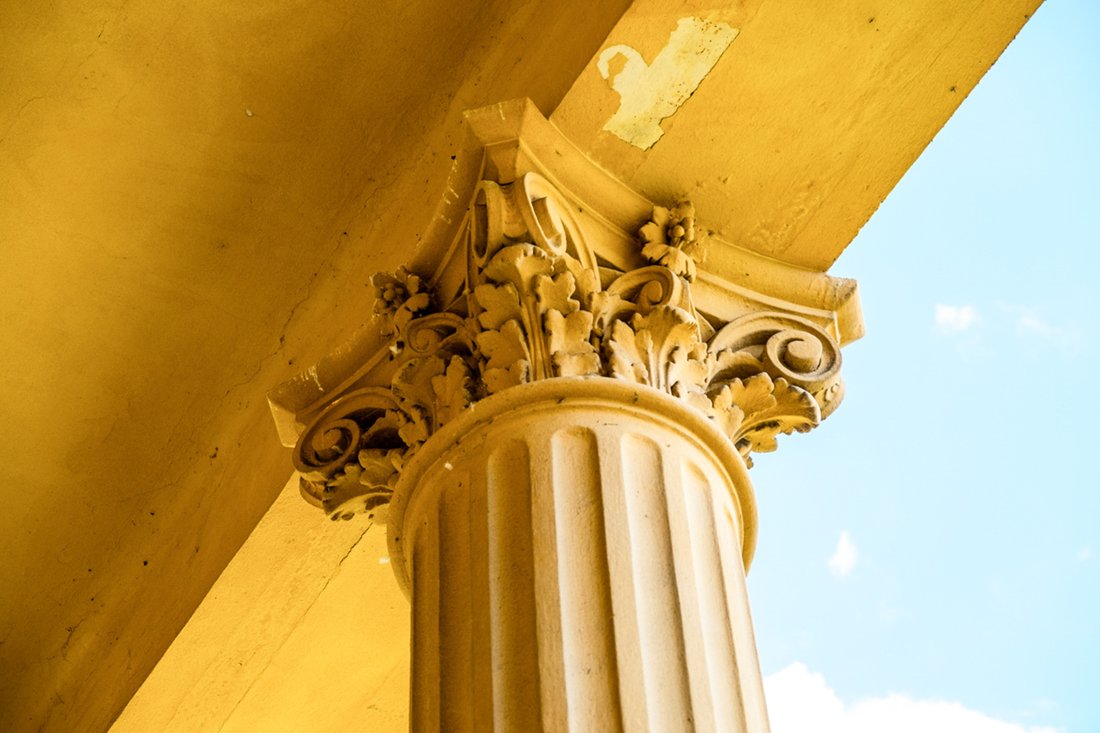
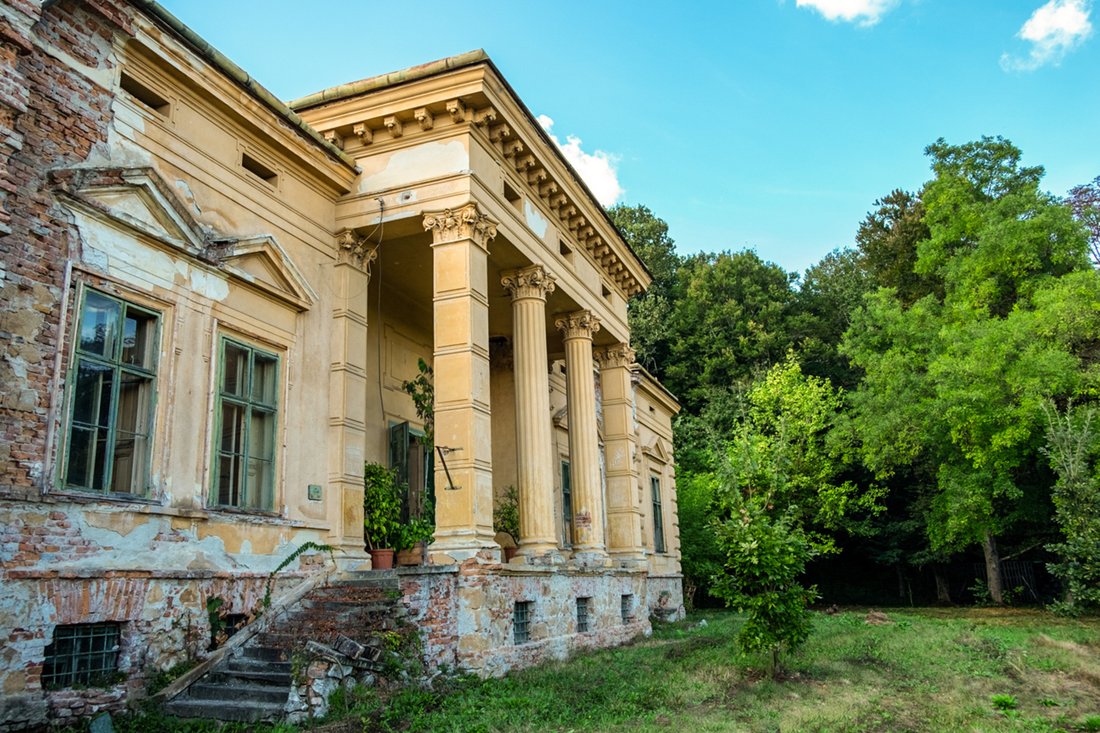
Konopi Estate stands out through a refined architectural presence shaped by balanced proportions and the restrained elegance of Neoclassical design. Known as a castle, the residence discreetly commands its surroundings through the harmony of its volumes and a monumental entrance framed by paired columns and semi-columns crowned with Corinthian capitals. Symmetrical setbacks add depth to the com
Konopi Estate stands out through a refined architectural presence shaped by balanced proportions and the restrained elegance of Neoclassical design. Known as a castle, the residence discreetly commands its surroundings through the harmony of its volumes and a monumental entrance framed by paired columns and semi-columns crowned with Corinthian capitals. Symmetrical setbacks add depth to the composition, while the understated ornamentation and beige-green façade palette emphasize its timeless character.
Within the grounds lies the estate’s former chapel, recognizable by the sundial placed above its entrance. Later donated to the Roman Catholic Church, it preserves in its apse the heraldic coats of arms of the Brunszvik and Forray families — lasting testimonies to the aristocratic lineage that shaped the property.
The estate witnessed the vibrant social life of the aristocracy, hosting gatherings and cultural events characteristic of its era. The uprising of Horia, Cloșca and Crișan in 1784 brought significant devastation, marking a turning point in its history.
In the mid-19th century, the property was acquired from Count Nádasdy by Antal Czigler de Konop, whose family officially adopted the name Konopi in 1870, preserving the noble predicate associated with the domain.
Its origins reach much further back, forming part of the feudal domain of Șoimuș (Solymos). Over time, it belonged to notable Central European figures and noble families, including John Hunyadi — Voivode of Transylvania and Governor of the Kingdom of Hungary — Johann Giskra von Brandeis, captain to King Matthias Corvinus, the influential Bánffy family, and later the House of Georg of Brandenburg in 1510, before becoming the property of Prince Forray.
The reconstruction of the estate coincided with the development of the railway along the Mureș Valley, making it one of the early regional buildings to integrate metal beams into its structure — a dialogue between tradition and modernity. The large stable within the western courtyard reflects late 19th-century industrial architecture, sharing similarities with the renowned Andrényi warehouses of the period.
The last descendant of the family, Baron Kálmán Konopi (1880–1947), an engineer and agricultural researcher, returned after his studies abroad to manage the estate. Under his leadership, the property became a center for agricultural experimentation, where the renowned “Conop wheat” was developed through research focused on resilient grain varieties adapted to flooding and drought conditions.
Patrons of the arts, the Baron and his wife, Boér Vilma, maintained close ties with the artistic colony of Gödöllő. During the interwar period, the estate became a meeting place for artists and intellectuals, associated with the evolution of Szecesszió — the Hungarian expression of the Art Nouveau movement.
Today, the property extends across approximately 1.70 hectares, preserving the imprint of a remarkable aristocratic legacy and offering a rare opportunity to continue the story of an estate where architecture, agricultural innovation and European cultural life converged.
Through its scale, architectural distinction and cultural significance, the estate offers exceptional versatility. It may become a prestigious private residence, a boutique hotel or cultural retreat, the headquarters of a foundation or representative institution, as well as a venue dedicated to events or artistic initiatives. The balance between history, setting and proportions allows the property to adapt to diverse contemporary visions while preserving the authenticity that defines its identity.
-
Type de propriété
Autres
-
Année de construction
1800
-
Prix/pied²
$20
Caractéristiques
Explorez le secteur
L'agent vous contactera bientôt par
Publié par
Réserver une visite avec Cosmin Vermesan
Choisissez une date et si vous souhaitez une visite virtuelle ou en personne avec l’agent.

La confiance des plus grands courtiers du monde
Les agents des propriétés les plus exceptionnelles du monde publient sur JamesEdition.
- Des annonces de Sotheby's, Christie's, BARNES et Engel & Völkers
- Chaque annonce est vérifiée avant sa mise en ligne
- Contactez directement des agents vérifiés
En continuant, vous acceptez nos Conditions et notre Politique de confidentialité.