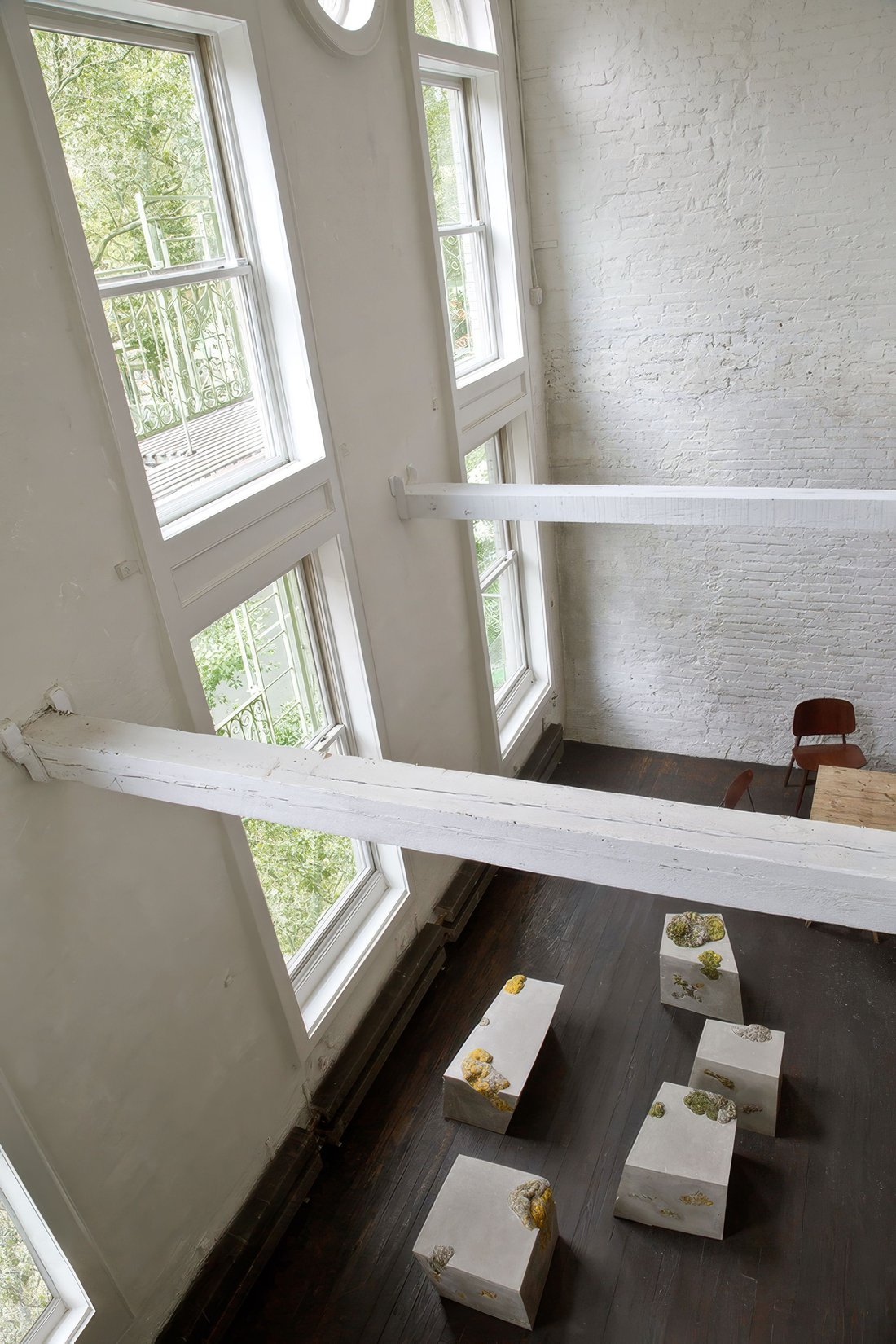
80 Forsyth Street, Bâtiment Privé
- 3 SdB
- 6,800 Sqft
- 31
- MLS#20068873
À propos de la propriété
A former Lower East Side synagogue with extraordinary volume, abstract expressionist provenance, and rare potential for live/work, studio, gallery, foundation or creative use.
80 Forsyth Street stands as a singular, and exceedingly rare, opportunity. The building’s historic gravitas and soulfulness are immediately apparent upon entering. Heroic scale and irreplaceable
A former Lower East Side synagogue with extraordinary volume, abstract expressionist provenance, and rare potential for live/work, studio, gallery, foundation or creative use.
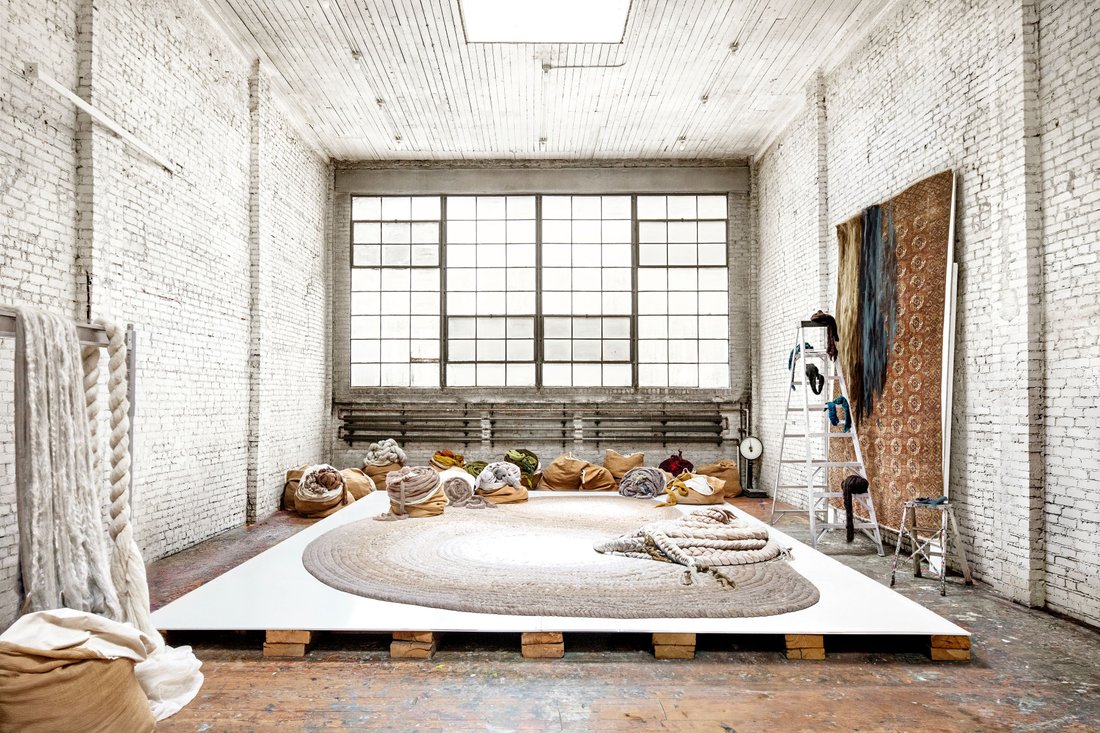
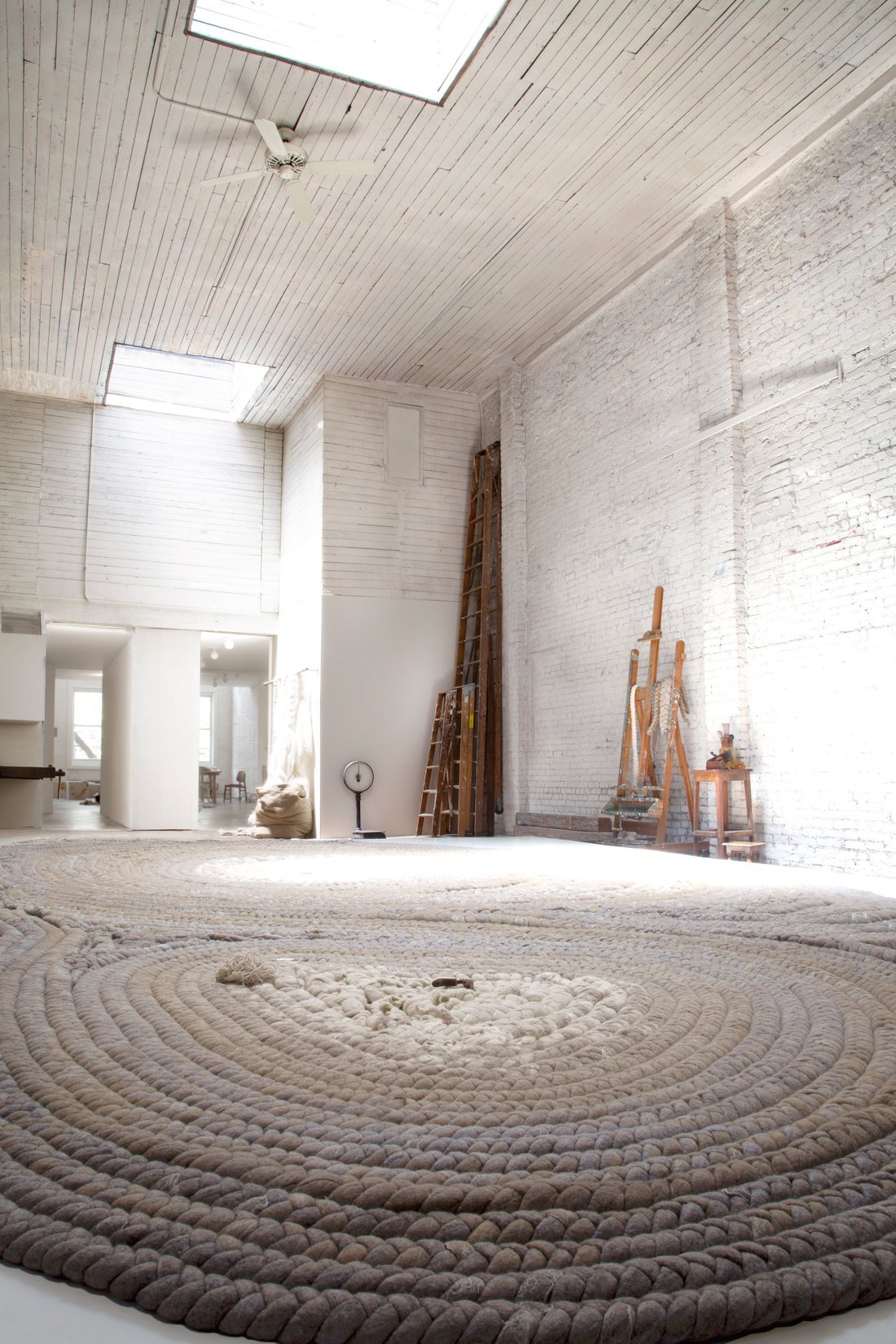
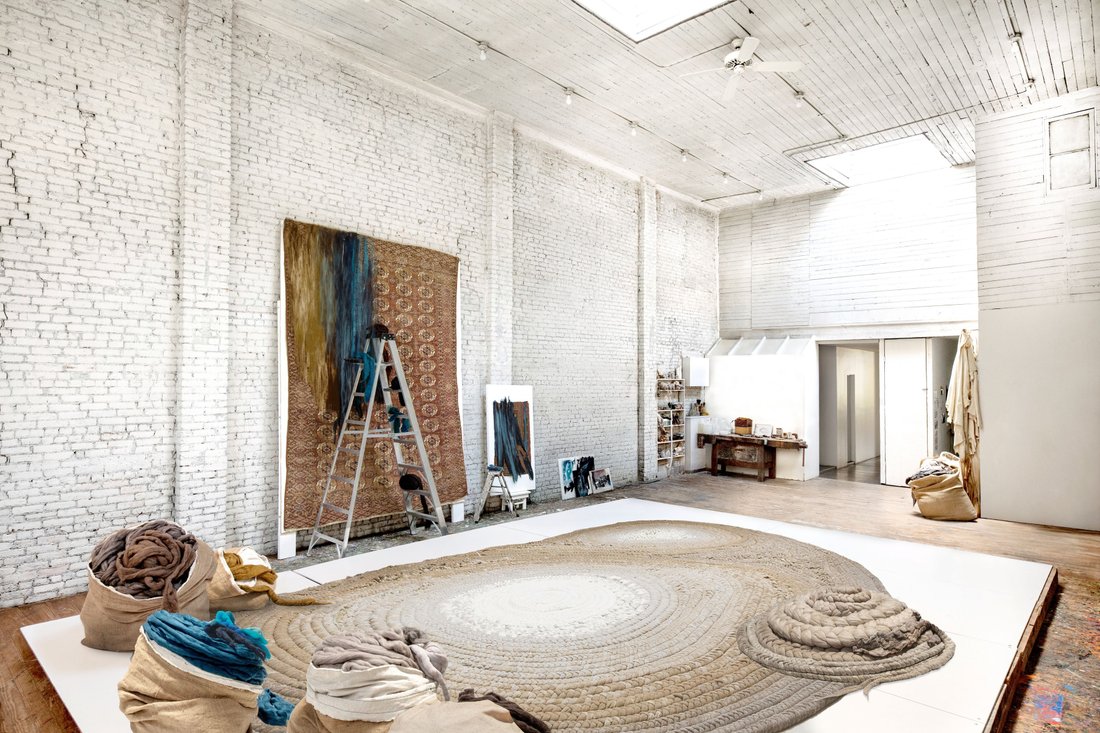
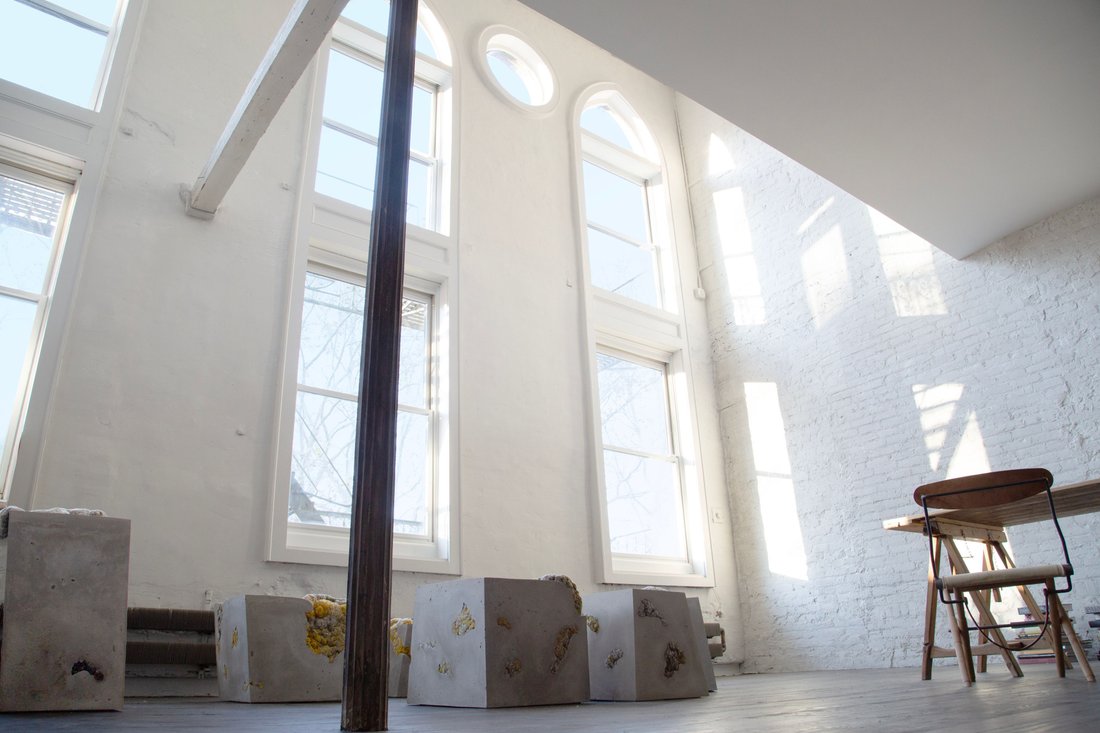
80 Forsyth Street stands as a singular, and exceedingly rare, opportunity. The building’s historic gravitas and soulfulness are immediately apparent upon entering. Heroic scale and irreplaceable architectural details abound throughout a myriad of luminous creative spaces which simply must be experienced. Ideally set on a 25.25 ft by 100.25 ft lot and spanning over 6,800 square feet 80 Forsyth Street is uniquely memorable. Approximately 10,000 square feet of additional air rights offer countless possibilities and a rare canvas for those seeking a property with unique character, cultural depth and an impressive provenance. The block’s flexible zoning would permit a variety of uses, including as a live/work space, a headquarters for a foundation or museum, or an inspired single or multi-family residence (subject to review by buyer’s architect).
Originally constructed in 1874, the building was home to the Kol Israel Anshe Poland congregation, one of the earliest Eastern European Jewish communities to settle in New York after emigrating from Suwałki, Poland. Purpose-built as a synagogue, the structure featured a mikvah (ritual rainwater bath) in its basement—an uncommon and historically significant element that remained in use into the early 20th century. As the congregation flourished, it commissioned a grander synagogue nearby, leaving 80 Forsyth as a vital spiritual and communal anchor during the neighborhood’s formative years.
By the early 1900s, as demographic and economic shifts reshaped the Lower East Side, the building transitioned into commercial use—mirroring the broader transformation of the neighborhood itself. Yet its most influential chapter was still to come.
In 1962, the property was purchased by Milton Resnick, a seminal figure of the Abstract Expressionist movement, and his wife, painter Pat Passlof. Introduced by close friend Willem de Kooning, Resnick and Passlof transformed the former sanctuary into a combined residence and painting studio, honoring the vast, light-filled volume of the original space while imbuing it with new creative life. For nearly five decades, 80 Forsyth served as both home and studio—an intimate setting for artistic production, reflection, and dialogue at the heart of postwar American art.
The property’s artistic lineage continues into the present day, serving as the studio and gallery of an internationally renown sculptural artist whose work engages natural fibers and other materials, draws strength from the building’s raw architectural presence, underscoring its enduring role as a site of artistic inquiry and production.
Rich with nearly 150 years of layered history, 80 Forsyth Street stands as a rare and compelling embodiment of the Lower East Side’s evolution—from immigrant enclave to artistic epicenter.
-
Type de propriété
Maison de ville
-
Année de construction
1874
-
Prix/pied²
$1,610
Caractéristiques
- Terrasse
- Cheminée
- Sous-sol
- Espace de vie extérieur
- Haut plafond
- Laveuse sécheuse
- Climatisation
- Plan d’étage 2D
Explorez le secteur

L'agent vous contactera bientôt par
Publié par
Réserver une visite avec Jonathan Hettinger
Choisissez une date et si vous souhaitez une visite virtuelle ou en personne avec l’agent.

Propriétés similaires à proximité
Nouvelles annonces à Manhattan












Explorez plus de biens à vendre
Manhattan, NY, États-Unis types de propriétés
- appartements à vendre à Manhattan, NY, États-Unis
- Coopératives à vendre à Manhattan, NY, États-Unis
- Maisons à vendre à Manhattan, NY, États-Unis
- Appartements à vendre à Manhattan, NY, États-Unis
- Maisons de ville à vendre à Manhattan, NY, États-Unis
- Villas à vendre à Manhattan, NY, États-Unis
- Penthouses à vendre à Manhattan, NY, États-Unis
Manhattan, NY, États-Unis Recherches populaires
- Propriétés avec Centre de remise en forme / Fitness à Manhattan, NY, États-Unis
- Propriétés avec Terrasse à Manhattan, NY, États-Unis
- Propriétés avec Jardin à Manhattan, NY, États-Unis
- Propriétés avec Garage à Manhattan, NY, États-Unis
- Propriétés avec Piscine à Manhattan, NY, États-Unis
- Propriétés avec Bibliothèque à Manhattan, NY, États-Unis
- Moderne propriétés à Manhattan, NY, États-Unis
- Propriétés avec Sauna à Manhattan, NY, États-Unis
- Vue sur la rivière propriétés à Manhattan, NY, États-Unis
- Duplex propriétés à Manhattan, NY, États-Unis
- Immobilier d’investissement propriétés à Manhattan, NY, États-Unis
- Propriétés avec Piscine intérieure à Manhattan, NY, États-Unis
- Au bord de l’eau propriétés à Manhattan, NY, États-Unis
- Propriétés avec Terrain de tennis à Manhattan, NY, États-Unis
- Équestre propriétés à Manhattan, NY, États-Unis
- Vue sur la montagne propriétés à Manhattan, NY, États-Unis
- Vue sur le lac propriétés à Manhattan, NY, États-Unis
- Lotissement sécurisé propriétés à Manhattan, NY, États-Unis
- Propriétés avec Héliport à Manhattan, NY, États-Unis
Guides et histoires connexes
La confiance des plus grands courtiers du monde
Les agents des propriétés les plus exceptionnelles du monde publient sur JamesEdition.
- Des annonces de Sotheby's, Christie's, BARNES et Engel & Völkers
- Chaque annonce est vérifiée avant sa mise en ligne
- Contactez directement des agents vérifiés
En continuant, vous acceptez nos Conditions et notre Politique de confidentialité.
partnered with