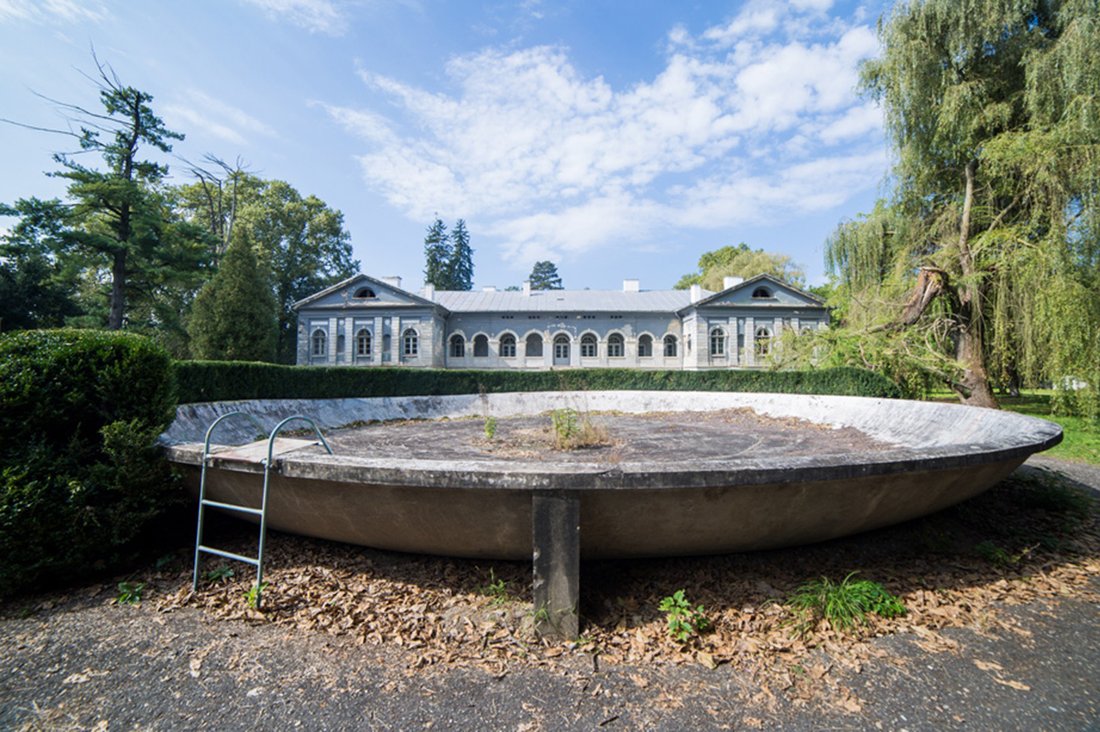
Le Château Du Général Autrichien Gyulay Ferencz
- 20 Chambres
- 5 SdB
- 19,376 Sqft
- 14.83 Ac lot
- 63
À propos de la propriété
Plusieurs descendan
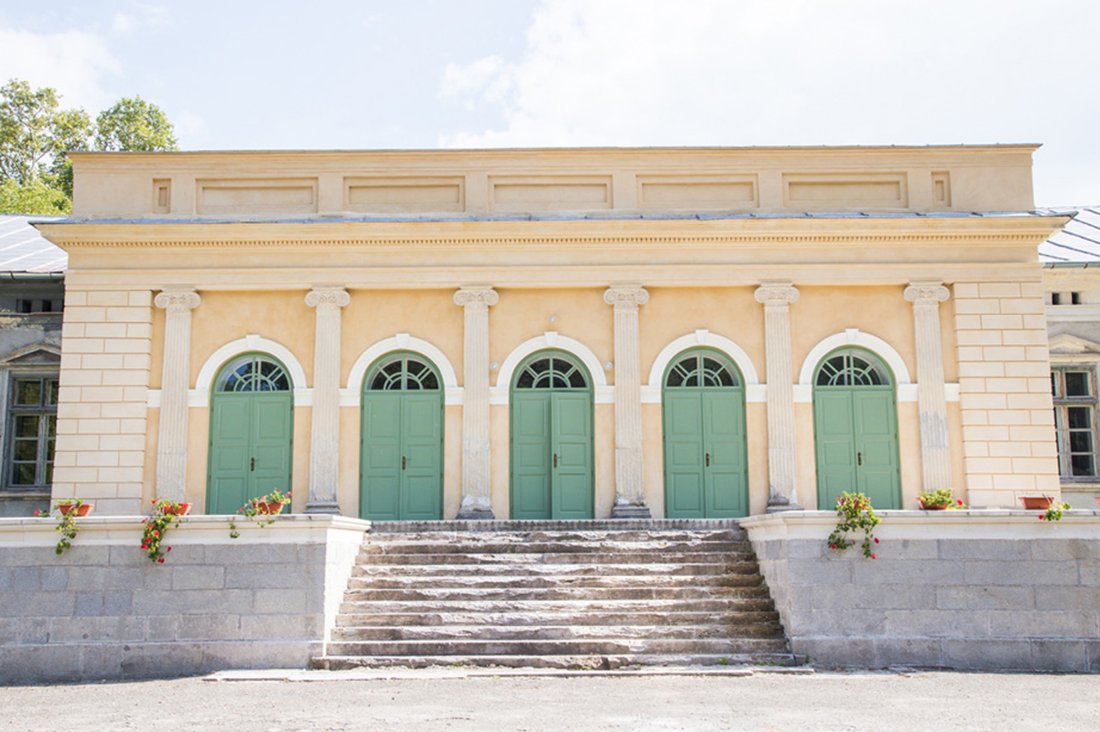
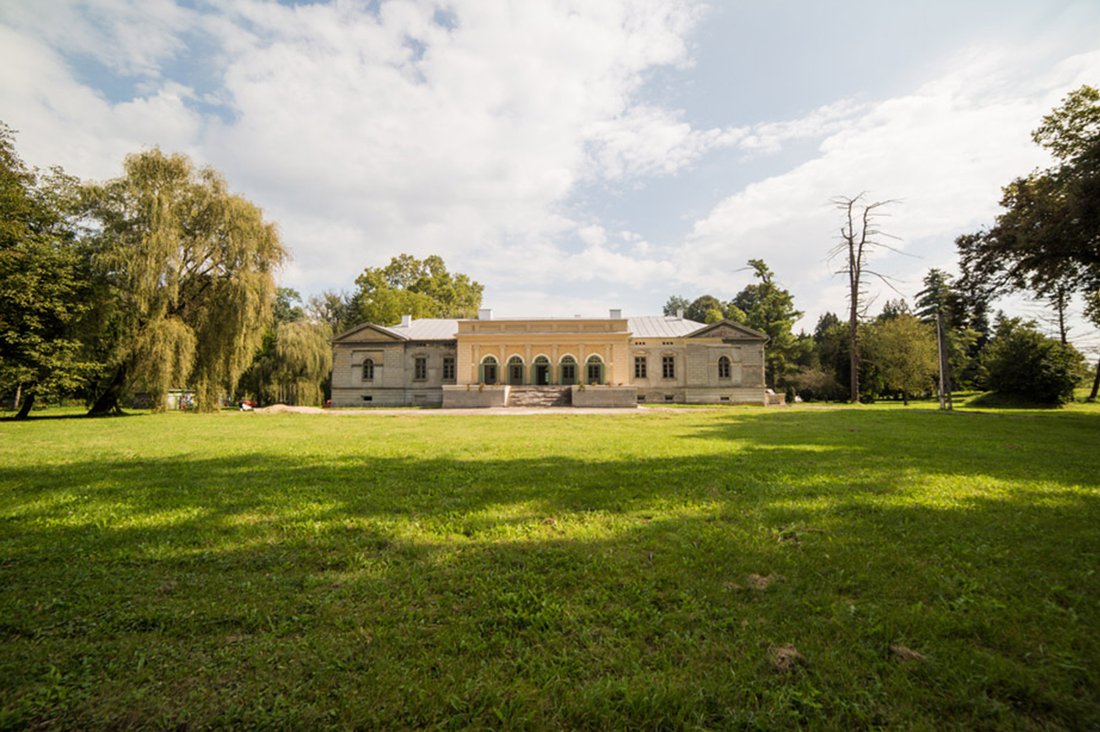
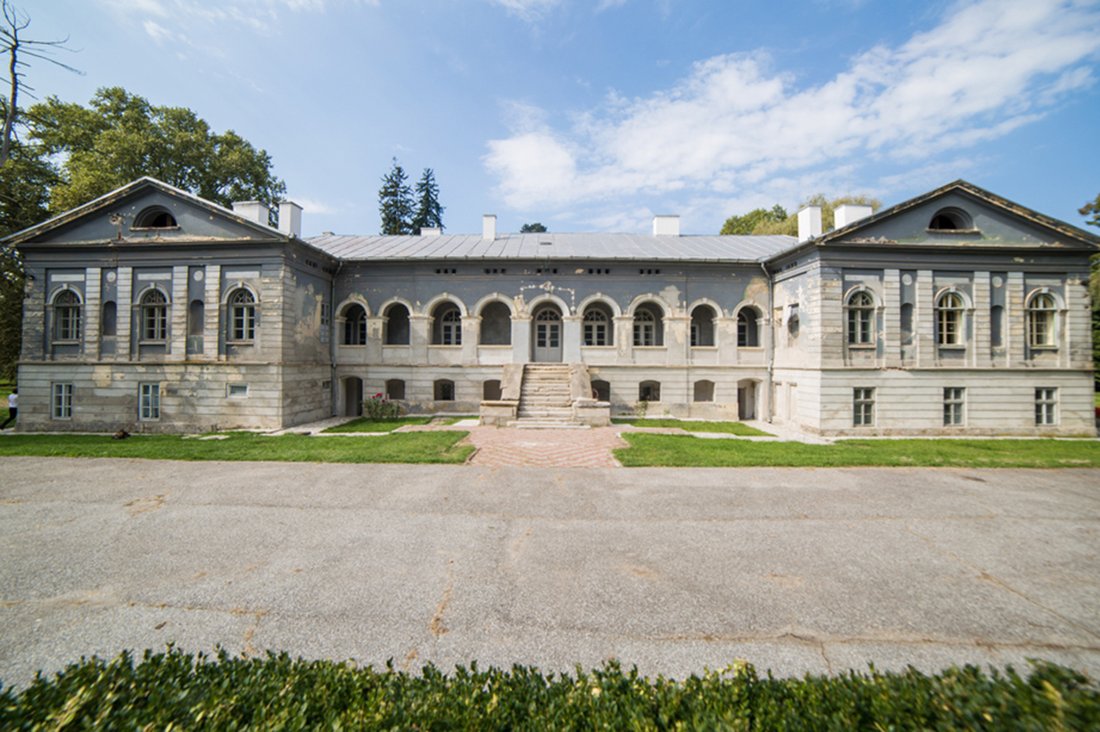
The castle was built during the 17th century by Gyulay Ferencz, an Austrian general, the only child of Hungarian nobleman Gyulay Ignacz. Ferencz built the mansion on the site of a smaller building. The general’s family ruled the town called Mintia, that was renamed Marosnemeti, a term derived from the Hungarian word ”nemet”, that translates to ”German”.
Several descendants of the Gyulay fa
Plusieurs descendants de la famille Gyulay vivaient au château. Des documents historiques datant de 1806 indiquent que le manoir Mintia appartenait à cette époque à Gyulay Istvan, puis à Albert et K.R Gyulay. La comtesse Gyulay de Mintia, qui a épousé Ladislau Kuun d’Osdola, a ensuite hérité du domaine avec son frère Ludovic. En 1848, la famille Gyulay s’est réfugiée à Cluj et, après la révolution, Ludovic, Ladislau Kuun, sa femme Constance et leurs enfants, Irène et Geza, sont retournés à Mintia. Ludovic était le dernier héritier de la famille Gyulay. Il a écrit plus de 100 journaux sur le manoir et sur Mintia. Ils sont tous conservés au musée d’histoire de Cluj-Napoca. Ludovic Gyulay a modifié le bâtiment en 1834 pour lui donner la forme qu’il a aujourd’hui.
Ludovic Gyulay ne s’est jamais marié et n’a donc jamais eu d’héritiers. Sa fortune a été héritée par son beau-frère, Ladislau Kuun, puis par son fils, Geza Kuun. Geza a étudié la littérature hongroise et allemande aux universités de Budapest et de Göttingen, et a été membre et vice-président de l’Académie des sciences de Budapest. Il a fait partie des cercles sociaux d’élite de Vienne et s’est lié d’amitié avec le célèbre compositeur Franz Liszt, l’un des pianistes les plus éminents de tous les temps. C’est alors qu’il a également rencontré l’écrivaine Elena Ghica, fille de Mihai Ghica, nièce de Grigore Ghica IV, et première femme à avoir gravi le sommet du Mont-Blanc, le 1er juin 1860. Après 1870, Geza Kunn s’est installée à Mintia et a épousé Vilma Kemeny, la fille du baron Kemeny de Magyar-Gyeno Monosto. Sa présence ici a transformé la ville en un lieu de rassemblement pour d’éminents représentants de la scène culturelle et scientifique, dont V. Zakrzewski, professeur à l’université de Cracovie, en Alabama. Szilagyi, secrétaire de la Société historique, baron Balazs Orban, A. Szecsen, maréchal de la cour impériale. La beauté du manoir situé au bord de la rivière Mureș a également été admirée par le président de la Société archéologique, Solyon Fekete, le directeur du musée d’histoire de Deva, Teglas Gabor, et par le scientifique Samuel Brassay, considéré comme le dernier polymathe de Transylvanie. L’immense bibliothèque du château de Mintia et le salon, ornés de portraits de famille et d’objets précieux, ont été visités par le préfet George Pogany, le sous-préfet Coloman Barcsay, le comte Coloman Esterhazy, directeur du musée de Transylvanie, par Otto von Keller, professeur à l’université de Prague, Zsolt Beothy, professeur à l’université de Budapest et par le scientifique norvégien Conrad Nielsen. Le baron Miklos Josika s’est également rendu de Brănişca à Mintia, à pied, en voiture ou à cheval. Il a également voyagé en bateau sur la rivière Mureş afin d’admirer le parc qui entourait le château. Les espèces rares de plantes et d’arbres qui ornaient le parc étaient fascinantes. Le comte Kuun a donné aux arbres le nom des écrivains hongrois les plus importants, dont beaucoup étaient ses amis. L’un des arbres, par exemple, portait le nom d’Attila, en mémoire d’Attila Gerando. Au milieu des rosiers, le visiteur pouvait également découvrir de nombreux sanctuaires honorifiques ou mortuaires. Geza Kuun est mort en 1905, le 10 avril, et a été enseveli à Cluj. La légende raconte que, bien que le corps du comte Geza ait été inhumé à Cluj, son cœur a été enterré dans le cimetière de l’église réformée de Mintia, aux côtés d’autres membres de sa famille et des anciens propriétaires du château. Le domaine de Mintia, qui comprend le château et le parc, est classé monument historique d’importance nationale et universelle, classe A.
The castle was built during the 17th century by Gyulay Ferencz, an Austrian general, the only child of Hungarian nobleman Gyulay Ignacz. Ferencz built the mansion on the site of a smaller building. The general’s family ruled the town called Mintia, that was renamed Marosnemeti, a term derived from the Hungarian word ”nemet”, that translates to ”German”.
Several descendants of the Gyulay family lived at the castle. Historical documents from 1806 state that the Mintia mansion was owned at that time by Gyulay Istvan, followed by Albert and K. R Gyulay. Countess Gyulay of Mintia, who married Ladislau Kuun of Osdola, later inherited the domain together with her brother, Ludovic. In 1848, the Gyulay family took refuge at Cluj and, after the revolution, Ludovic, Ladislau Kuun, his wife Constance, and their children, Irene and Geza, returned to Mintia.
Ludovic was the last heir of the Gyulay family. He wrote over 100 journals about the mansion and about Mintia. All of them are preserved at the Cluj-Napoca history museum. Ludovic Gyulay modified the building in 1834, giving it the shape it has today.
Ludovic Gyulay never got married and, therefore, never had any heirs. His fortune was inherited by his brother-in-law, Ladislau Kuun, followed by his son, Geza Kuun. Geza studied Hungarian and German literature at the Universities of Budapest and Gottingen, and was a member and vice president of the Budapest Academy of Sciences. He was part of Vienna’s elite social circles, and became friends with the famous composer Franz Liszt – one of the most prominent pianists of all time. It was then that he also met writer Elena Ghica – daughter of Mihai Ghica, niece of Grigore Ghica the 4th, and the first woman to have climbed the Mont Blanc peak, on June 1st 1860.
After 1870, Geza Kunn settled at Mintia and married Vilma Kemeny, the daughter of baron Kemeny of Magyar-Gyeno Monosto. His presence here transformed the town into a gathering place for eminent representatives of the cultural and scientific scenes, which included V. Zakrzewski – professor at the Cracovia University, Al. Szilagyi – secretary of the Historical Society, baron Balazs Orban, A. Szecsen –Imperial Court marchal. The beauty of the mansion located on the bank of Mureș River was also admired by the president of the Archeological Society – Solyon Fekete, the director of the Deva History Museum – Teglas Gabor, and by scientist Samuel Brassay – regarded as Transylvania’s last polymath. The immense library of the Mintia Castle and the salon, decorated with family portraits and precious objects, were visited by prefect George Pogany, subprefect Coloman Barcsay, count Coloman Esterhazy – director of the Transylvania Museum, by Otto von Keller – professor at the University of Prague, Zsolt Beothy – professor at the Budapest University, and by Norwegian scientist Conrad Nielsen. Baron Miklos Josika also traveled from Brănişca to Mintia, either on foot, by car, or on horseback. He also traveled by boat on Mureş River in order to admire the park that surrounded the castle.
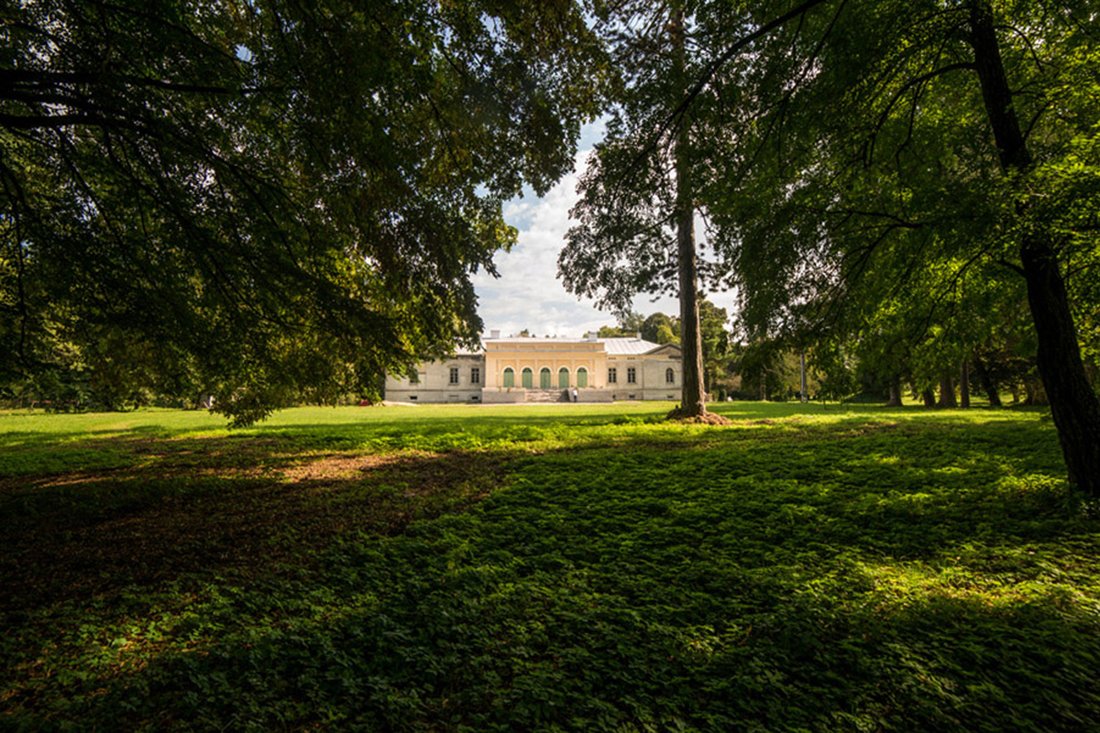
The rare species of plants and trees that embellished the park were mesmerizing. Count Kuun named the trees after the most important Hungarian writers, many of whom had been his friends. One of the trees, for example, bore the name of Attila, in the memory of Attila Gerando. Amid the rose bushes, the visitor could also discover numerous honorary or mortuary shrines. Geza Kuun died in 1905, on April 10th, and was entombed at Cluj. Legend has it that, although the body of count Geza was inhumed at Cluj, his heart was buried in the cemetery of the Mintia Reformed Church, alongside other members of his family and former owners of the castle.
The Mintia domain, that comprises the castle and the park, is classed as a historical monument of national and universal importance, class A.
-
Type de propriété
Autres
-
Année de construction
1834
-
Prix/pied²
$46
Caractéristiques
- Jardin
- Vue sur la mer
- Bibliothèque
- Manoir
- Haut plafond
Explorez le secteur
L'agent vous contactera bientôt par
Publié par
Réserver une visite avec Constantin Prisecaru
Choisissez une date et si vous souhaitez une visite virtuelle ou en personne avec l’agent.

La confiance des plus grands courtiers du monde
Les agents des propriétés les plus exceptionnelles du monde publient sur JamesEdition.
- Des annonces de Sotheby's, Christie's, BARNES et Engel & Völkers
- Chaque annonce est vérifiée avant sa mise en ligne
- Contactez directement des agents vérifiés
En continuant, vous acceptez nos Conditions et notre Politique de confidentialité.