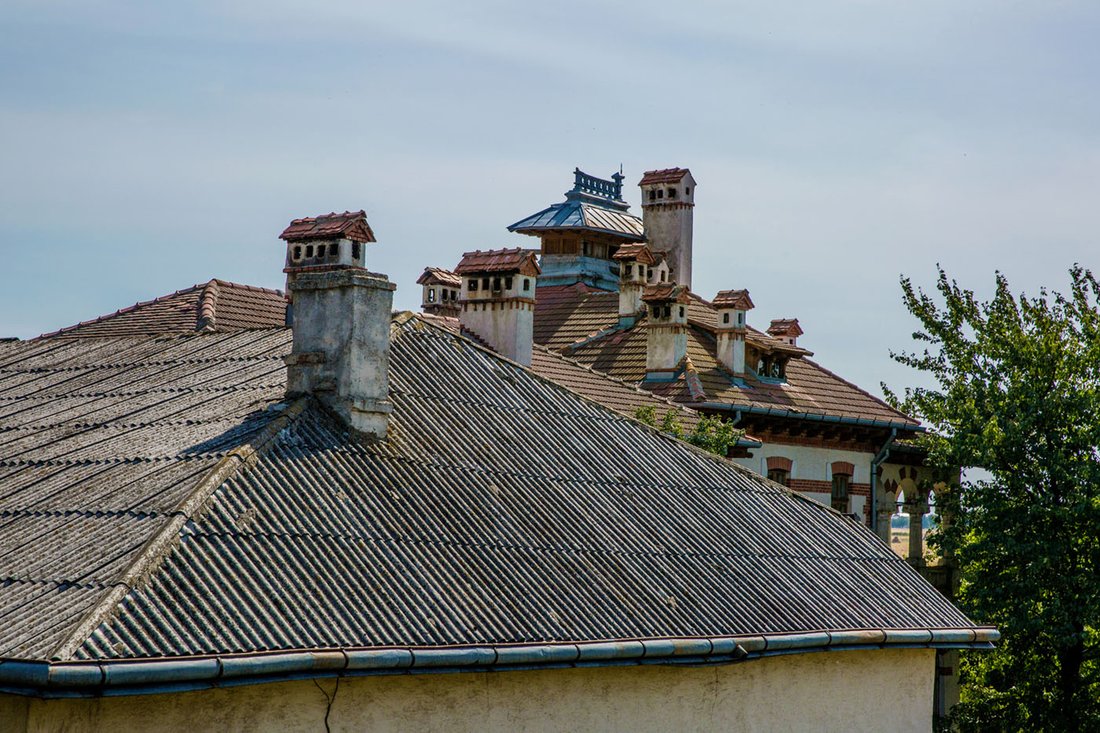
Alexandrescu Manor From Guranda, Neo Romanian Style
- 23 Chambres
- 5 SdB
- 40.73 Ac lot
- 12
À propos de la propriété
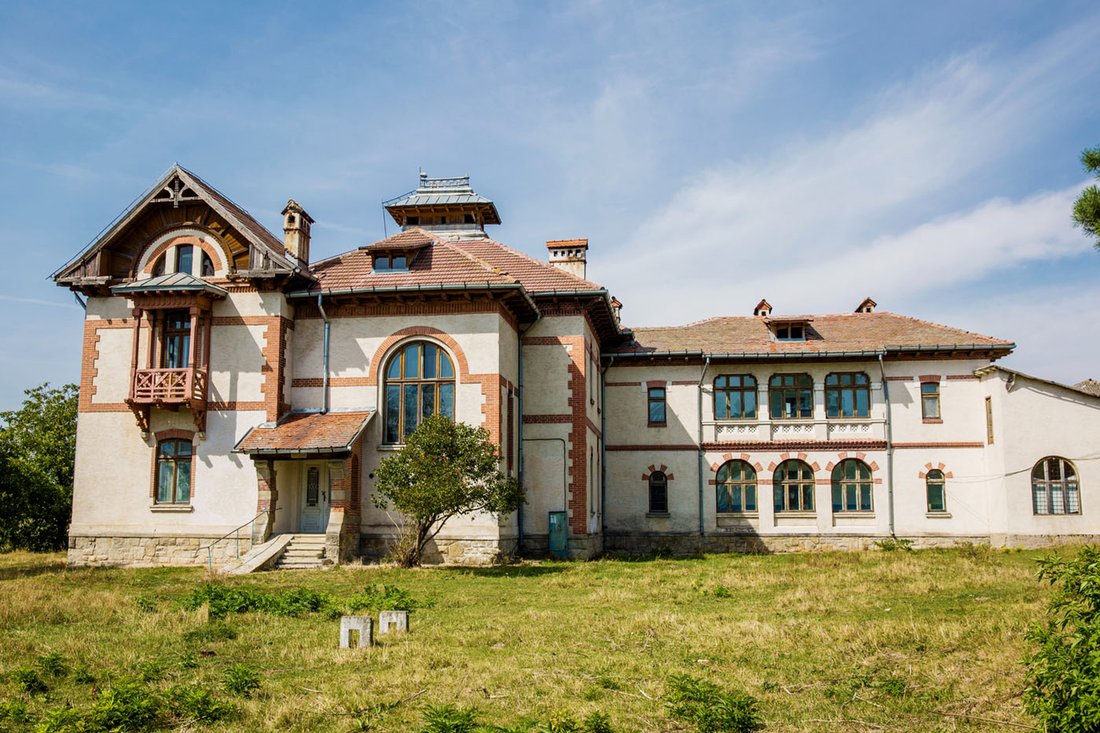
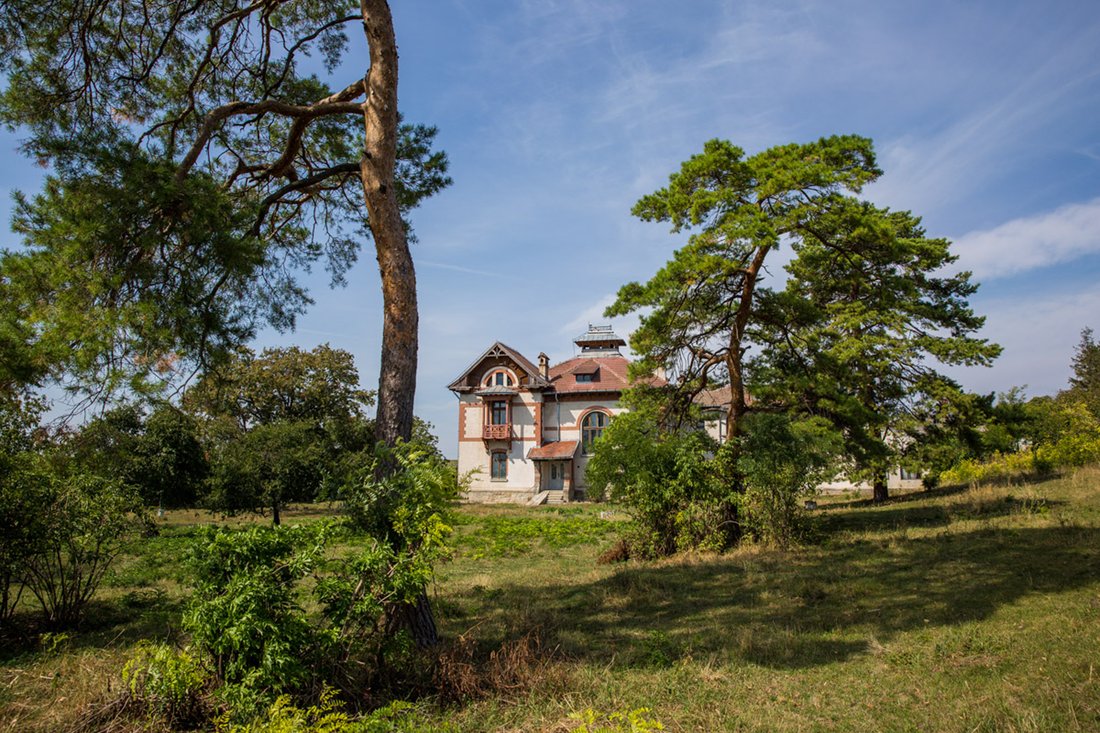
Alexandrescu Manor from Guranda has a history of more than one century, being built at the order of the spouses Mihai and Mathilde Alexandrescu, Mihai being a Wallach boyar who settled down in Moldova at the end of the 19th century, around 1890.
Situated at approximately 40 km from Botoșani, the property of the family Alexandrescu was about to become not only residence, but als
Après les spoliations de 1948, le manoir entre dans la propriété de l’État communiste qui, depuis 1949, a installé dans le manoir de Guranda une unité hospitalière. Dans les années 2000, le manoir est devenu propriété familiale, par ses héritiers.
Alexandrescu Manor from Guranda has a history of more than one century, being built at the order of the spouses Mihai and Mathilde Alexandrescu, Mihai being a Wallach boyar who settled down in Moldova at the end of the 19th century, around 1890.
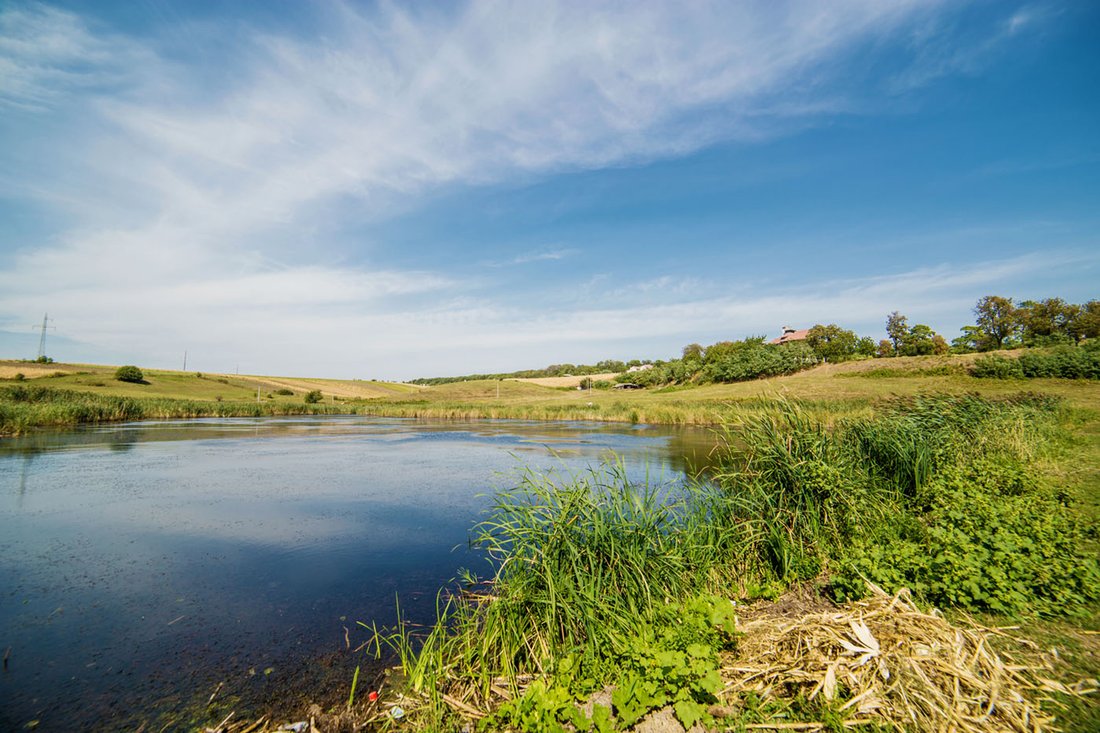
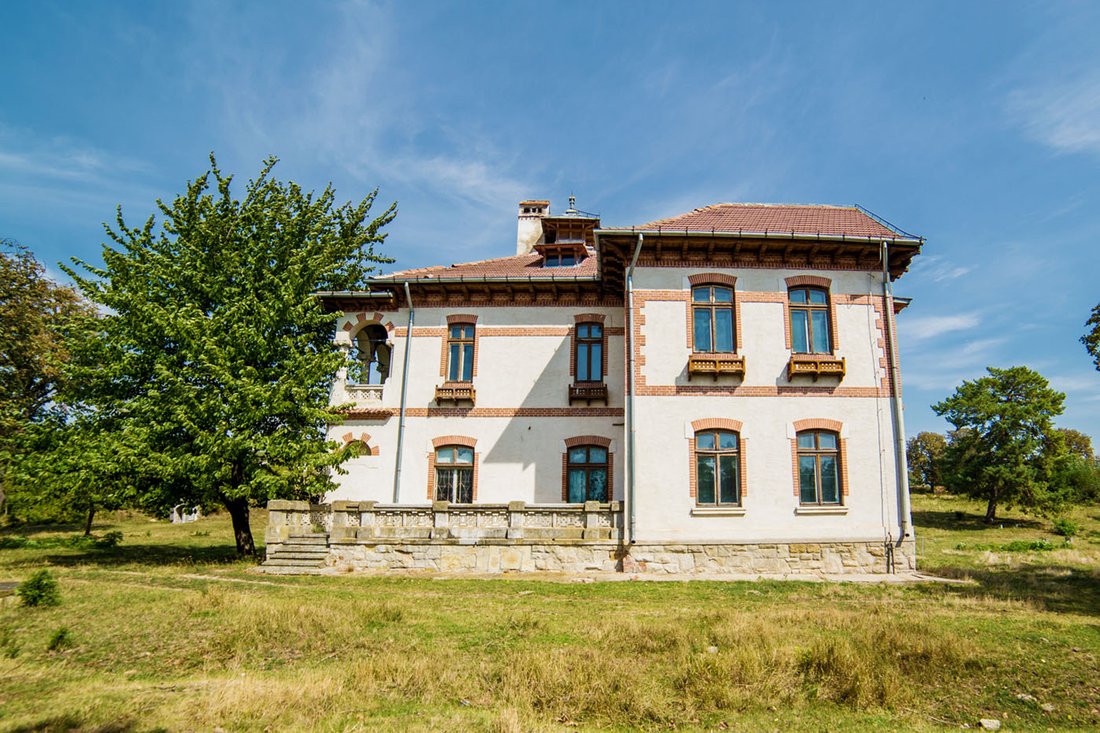
Situated at approximately 40 km from Botoșani, the property of the family Alexandrescu was about to become not only residence, but also a source of income, the domain being extended with hundreds of hectares. The main building was buttoned up in 1905, the project being signed by a Venetian architect. The estate borrows obviously from the typical architecture of those times, Neo-Romanian style, the Neo-Romanian style being the most dashing at the turn of the centuries.
Notwithstanding, the estate is marked by different decorative effects that offer a special aspect, monumentally – the use of the brick in the decoration of the borders or of the wooden frames in the tracing of small balconies. The heiress of the manor was the only daughter of the Alexandrescu spouses, Yvonne (1890-1974), who had to enter in the big Cantacuzino family, getting married with Ion Cantacuzino (1888-1954), with whom she had a daughter, Claudina (born 1914).
After the dispossessions from the year 1948, the manor enters in the property of the communist state, which, since 1949, has set up in the manor from Guranda a hospital unit. In the 2000s, the mansion is taken into family ownership, by his heirs.
-
Type de propriété
Autres
-
Année de construction
1905
Caractéristiques
Explorez le secteur
L'agent vous contactera bientôt par
Publié par
Réserver une visite avec Constantin Prisecaru
Choisissez une date et si vous souhaitez une visite virtuelle ou en personne avec l’agent.

La confiance des plus grands courtiers du monde
Les agents des propriétés les plus exceptionnelles du monde publient sur JamesEdition.
- Des annonces de Sotheby's, Christie's, BARNES et Engel & Völkers
- Chaque annonce est vérifiée avant sa mise en ligne
- Contactez directement des agents vérifiés
En continuant, vous acceptez nos Conditions et notre Politique de confidentialité.