$5,264,820
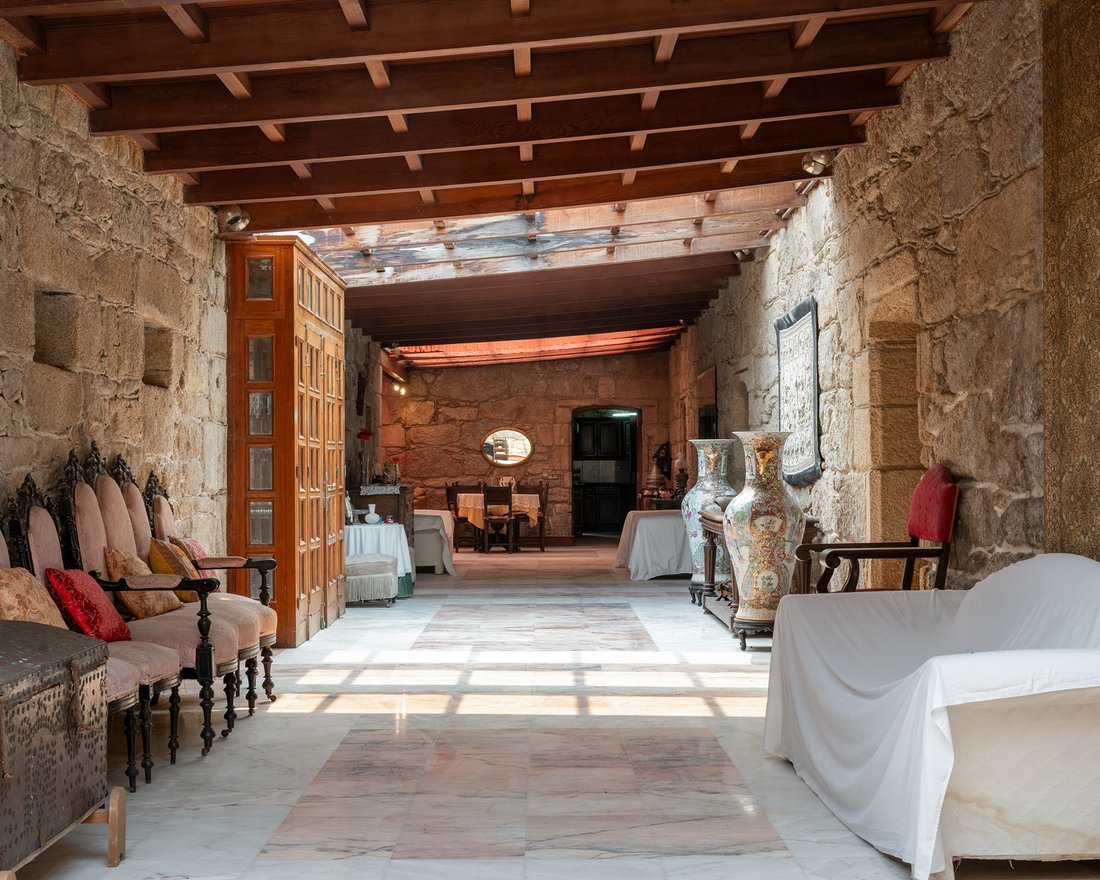
Château Forteresse Du XVII Ie Siècle Sur La Costa Da Morte (La Corogne)
- 9 Chambres
- 9 SdB
- 20,452 Sqft
- 110
À propos de la propriété
La description a été traduite automatiquement.
La description est affichée dans la langue d'origine.
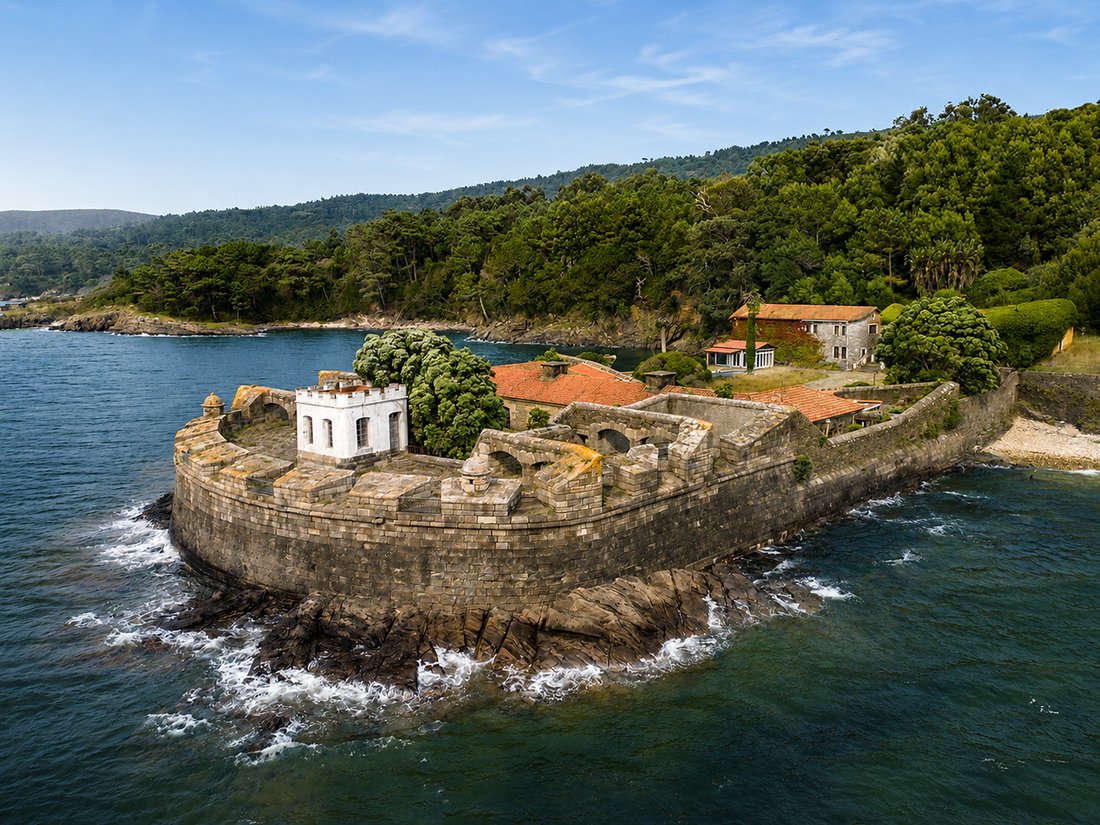
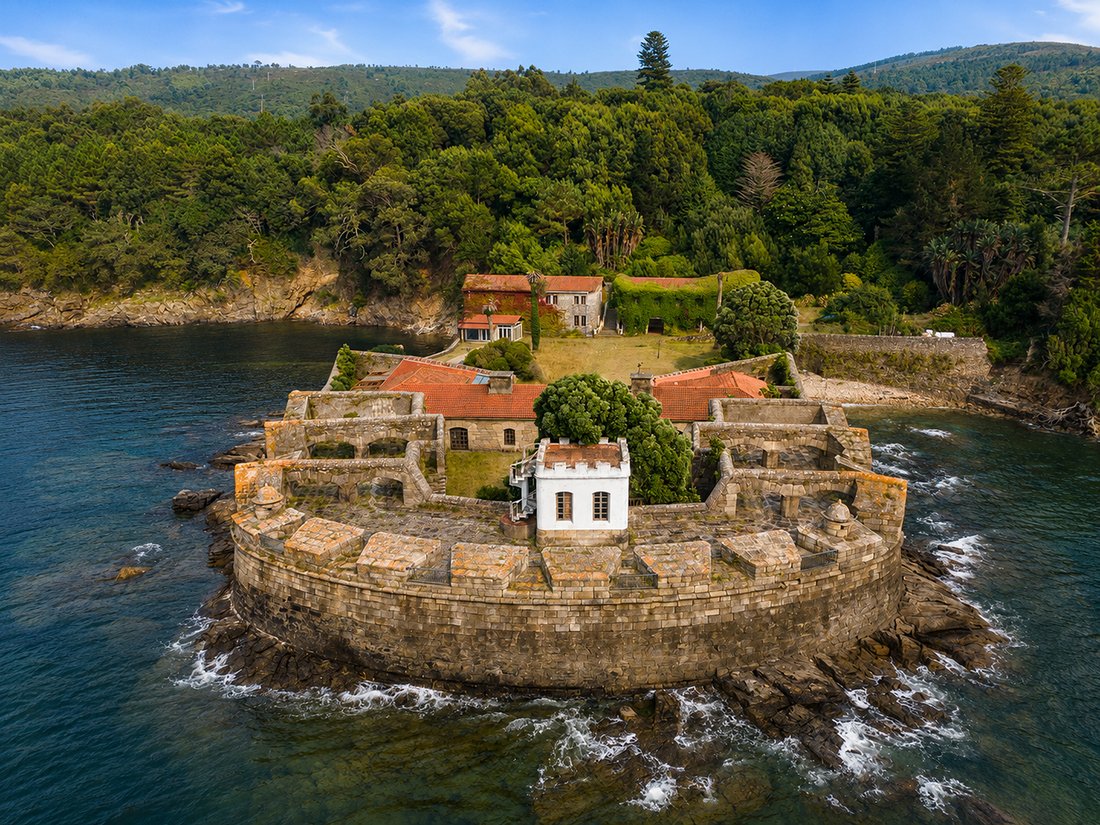
Nous retournons au 18ème siècle, pendant le règne des Bourbons en Espagne. La construction de la forteresse a commencé en 1740, simultanément avec le Castelo do Cardeal (Château du Cardinal), situé sur la rive opposée de l’estuaire de Corcubión. Il a été nommé Castillo del Príncipe en l’honneur du fils de Carlos III d’Espagne, le futur roi Carlos IV.
À la fin du 19ème siècle, le château a
À la fin du 19ème siècle, le château a
We go back to the 18th century, during the reign of the Bourbons in Spain. The construction of the fortress began in 1740, simultaneously with the Castelo do Cardeal (Cardinal’s Castle), located on the opposite shore of the Corcubión estuary. It was named Castillo del Príncipe in honor of the son of Carlos III of Spain, the future king Carlos IV.
By the end of the 19th century, the castle
By the end of the 19th century, the castle
Nous retournons au 18ème siècle, pendant le règne des Bourbons en Espagne. La construction de la forteresse a commencé en 1740, simultanément avec le Castelo do Cardeal (Château du Cardinal), situé sur la rive opposée de l’estuaire de Corcubión. Il a été nommé Castillo del Príncipe en l’honneur du fils de Carlos III d’Espagne, le futur roi Carlos IV.
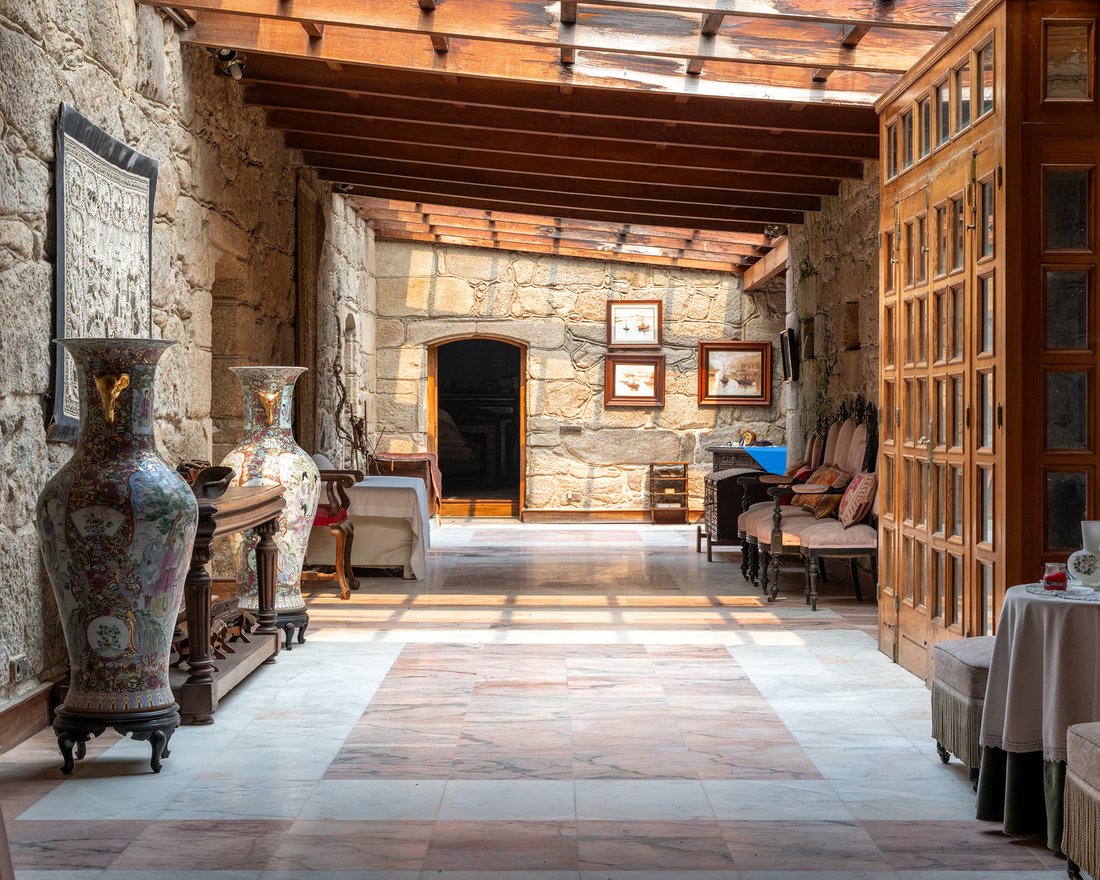
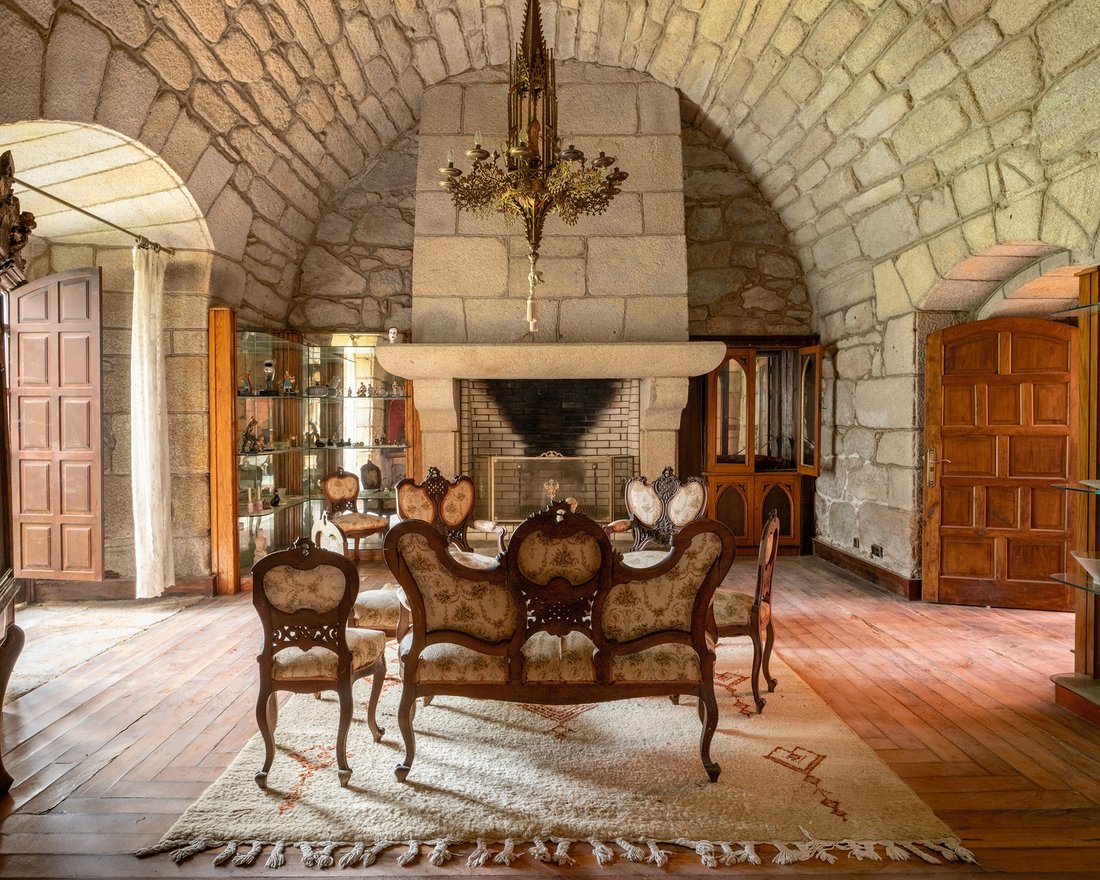
À la fin du 19ème siècle, le château a cessé d’être propriété de l’État après une vente aux enchères publiques. Il a eu plusieurs propriétaires, avec l’homme d’affaires galicien Xosé Ramón Oreiro réalisant d’importantes rénovations en 1985, le transformant en résidence de luxe.
Comme le château du Cardinal, il était équipé de 12 pièces d’artillerie dans différentes tours faisant face à la mer. Un grand bâtiment central dirigé ses ailes vers les demi-bastions du ravelin, comprenant des quartiers pour la garnison, pouvant accueillir 88 soldats, des entrepôts et un magasin à poudre. La maçonnerie finement sculptée de l’extérieur et une grande partie des constructions intérieures se distinguent magnifiquement à la fois de la mer et de la terre, où il avait un fossé et un pont menant au centre de la forteresse.
Actuellement classé comme site du patrimoine culturel depuis 1994, faisant partie du patrimoine culturel de Galice.
À la fin du 19ème siècle, le château a cessé d’être propriété de l’État après une vente aux enchères publiques. Il a eu plusieurs propriétaires, avec l’homme d’affaires galicien Xosé Ramón Oreiro réalisant d’importantes rénovations en 1985, le transformant en résidence de luxe.
Comme le château du Cardinal, il était équipé de 12 pièces d’artillerie dans différentes tours faisant face à la mer. Un grand bâtiment central dirigé ses ailes vers les demi-bastions du ravelin, comprenant des quartiers pour la garnison, pouvant accueillir 88 soldats, des entrepôts et un magasin à poudre. La maçonnerie finement sculptée de l’extérieur et une grande partie des constructions intérieures se distinguent magnifiquement à la fois de la mer et de la terre, où il avait un fossé et un pont menant au centre de la forteresse.
Actuellement classé comme site du patrimoine culturel depuis 1994, faisant partie du patrimoine culturel de Galice.
We go back to the 18th century, during the reign of the Bourbons in Spain. The construction of the fortress began in 1740, simultaneously with the Castelo do Cardeal (Cardinal’s Castle), located on the opposite shore of the Corcubión estuary. It was named Castillo del Príncipe in honor of the son of Carlos III of Spain, the future king Carlos IV.
By the end of the 19th century, the castle ceased to be state property after a public auction. It had several owners, with Galician businessman Xosé Ramón Oreiro making significant renovations in 1985, turning it into a luxury residence.
Like the Cardenal Castle, it was equipped with 12 artillery pieces in various towers facing the sea. A large central building directed its wings towards the half-bastions of the ravelin, including quarters for the garrison, which housed 88 soldiers, warehouses, and a powder magazine. The finely carved stonework of the exterior and much of the interior constructions magnificently stand out both from the sea and from the land, where it had a moat and a bridge leading to the center of the fortress.
Currently classified as a Cultural Heritage Site since 1994, forming part of the Cultural Heritage of Galicia.
By the end of the 19th century, the castle ceased to be state property after a public auction. It had several owners, with Galician businessman Xosé Ramón Oreiro making significant renovations in 1985, turning it into a luxury residence.
Like the Cardenal Castle, it was equipped with 12 artillery pieces in various towers facing the sea. A large central building directed its wings towards the half-bastions of the ravelin, including quarters for the garrison, which housed 88 soldiers, warehouses, and a powder magazine. The finely carved stonework of the exterior and much of the interior constructions magnificently stand out both from the sea and from the land, where it had a moat and a bridge leading to the center of the fortress.
Currently classified as a Cultural Heritage Site since 1994, forming part of the Cultural Heritage of Galicia.
-
Type de propriété
Autres
-
Année de construction
1740
-
Prix/pied²
$257
Caractéristiques
- Jardin
- Piscine
- Terrasse
- Cheminée
- Vue sur la montagne
- Vue sur la mer
- Plan d’étage 2D
- Îlot de cuisine
- Haut plafond
Caractéristiques
Lot
Intérieur
- Haut plafond
- Cheminée
- Climatisation
- Îlot de cuisine
- Comptoirs en pierre
Outdoor
Explorez le secteur
Inscrit il y a 2 ans
Vous vous êtes renseigné sur ce bien
L'agent vous contactera bientôt par
Publié par
10
Annonces
2025
Inscrit
Réserver une visite avec Fernanda Viñas Cue
Choisissez une date et si vous souhaitez une visite virtuelle ou en personne avec l’agent.
Date préférée
Type de visite

Spain Sotheby's International Realty
Calle Lagasca 28, 28001, Madrid, Madrid, Spain
Voir le profil de l’agence
Offering high-end properties in the city, villas and equestrian farms on the
outskirts of the city. Madrid, the
outskirts of the city. Madrid, the
Offering high-end properties in the city, villas and equestrian farms on the
outskirts of the city. Madrid, the capital of Spain, is located in the centre of
the Iberian Peninsula. It is a very active city, with a lively nightlife and
scores of daytime allures. It is home to famous museums such as El Prado,
Thyssen-Bornemisza and Reina Sofia, great historic architecture, shopping
boulevards and excellent cuisine. It has a great diversity of districts that
merit visiting.
outskirts of the city. Madrid, the capital of Spain, is located in the centre of
the Iberian Peninsula. It is a very active city, with a lively nightlife and
scores of daytime allures. It is home to famous museums such as El Prado,
Thyssen-Bornemisza and Reina Sofia, great historic architecture, shopping
boulevards and excellent cuisine. It has a great diversity of districts that
merit visiting.
Dernière mise à jour
Septembre 18
Première mise en ligne
Octobre 14, 2024
Lien de l’annonce
Référence de l’annonce
P85QPE
La confiance des plus grands courtiers du monde
Les agents des propriétés les plus exceptionnelles du monde publient sur JamesEdition.
- Des annonces de Sotheby's, Christie's, BARNES et Engel & Völkers
- Chaque annonce est vérifiée avant sa mise en ligne
- Contactez directement des agents vérifiés
En continuant, vous acceptez nos Conditions et notre Politique de confidentialité.