$589,027
Terreno T0 à Vendre à Chamusca
- 70.4 Ac lot
- Mis à jour: Septembre 16
À propos de la propriété
La description a été traduite automatiquement.
La description est affichée dans la langue d'origine.
28-Hectare Estate in Carregueira, Chamusca – A Unique Opportunity!
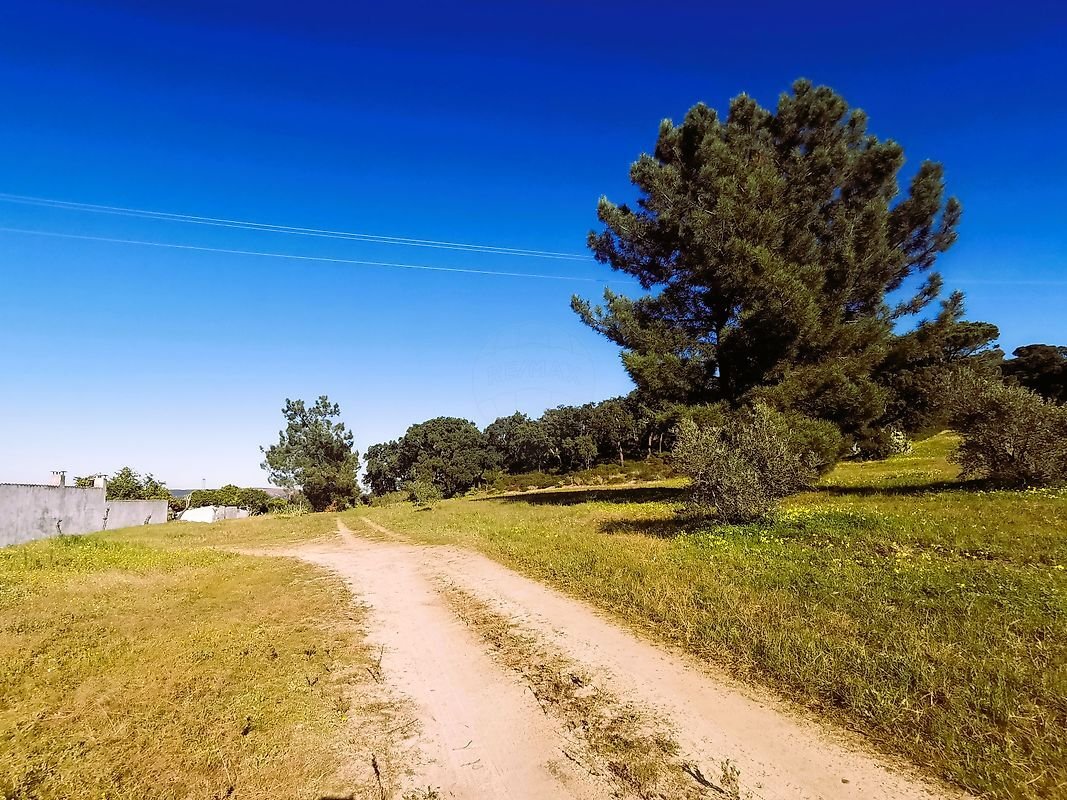
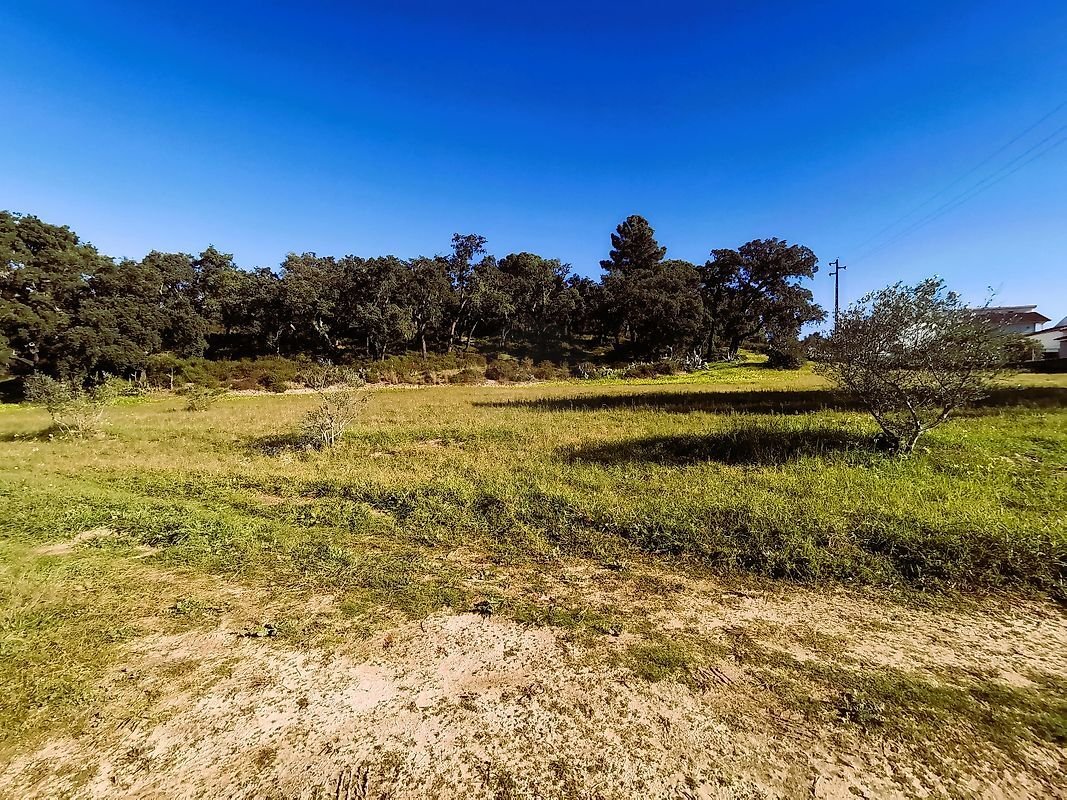
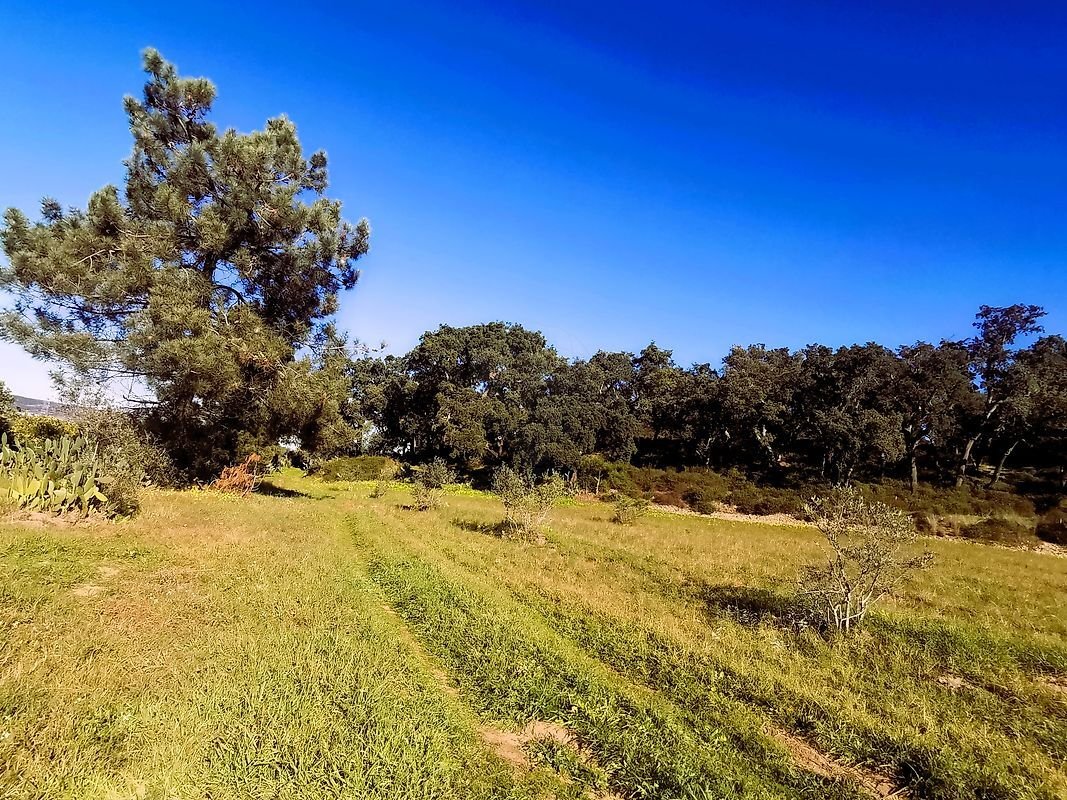
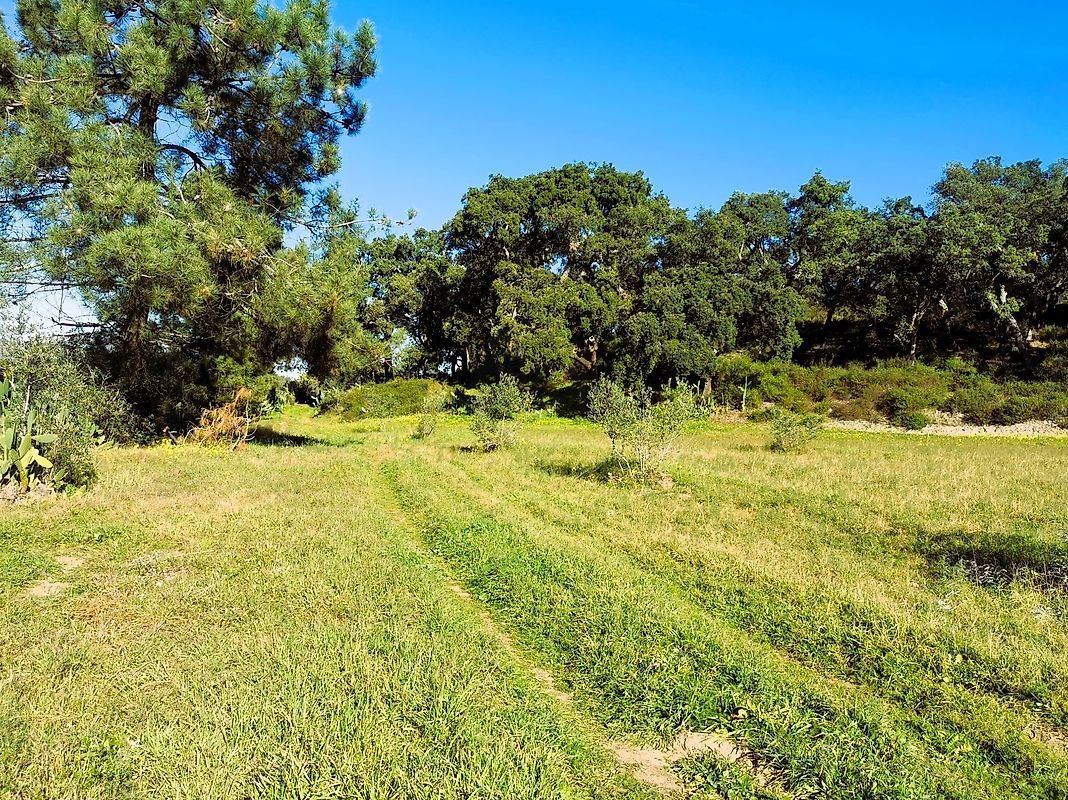
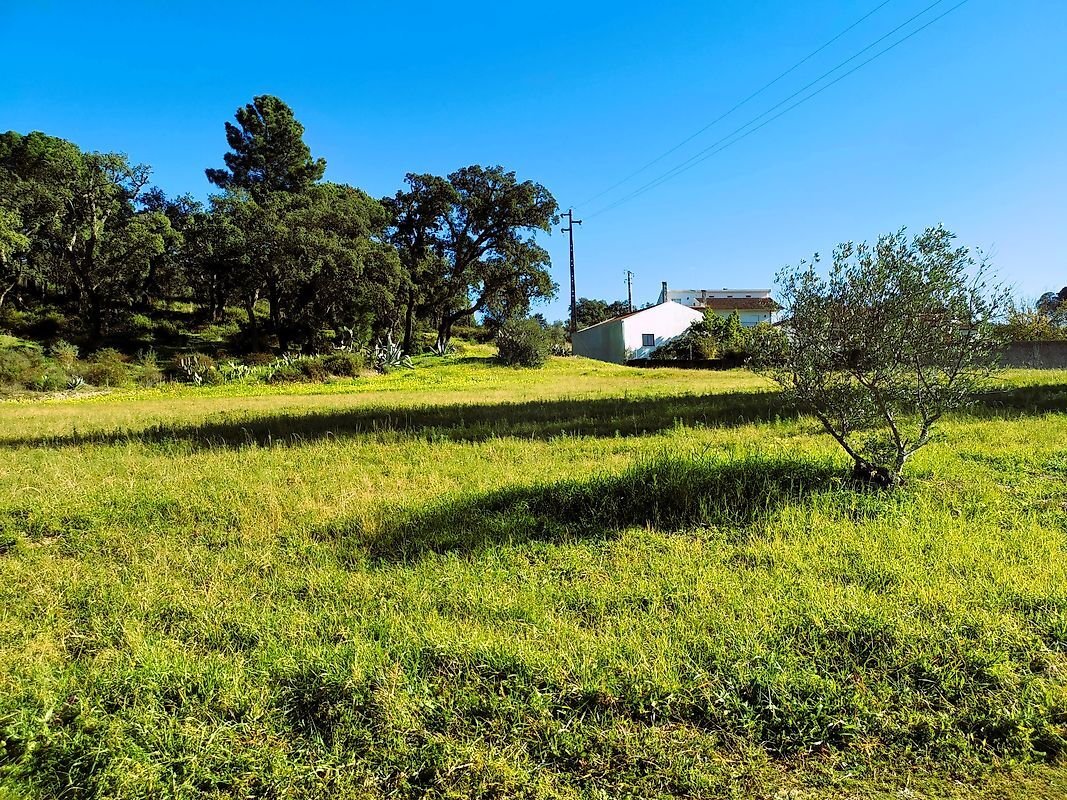
We present a magnificent 28-hectare estate, strategically located near the village center, with an extensive frontage along a road, offering urbanizable space. This property provides exceptional access and is only 30 minutes from Santarém and 1 hour 15 minutes from Lisbon, with easy connection to the A1 highway.
U
We present a magnificent 28-hectare estate, strategically located near the village center, with an extensive frontage along a road, offering urbanizable space. This property provides exceptional access and is only 30 minutes from Santarém and 1 hour 15 minutes from Lisbon, with easy connection to the A1 highway.
U
28-Hectare Estate in Carregueira, Chamusca – A Unique Opportunity!
We present a magnificent 28-hectare estate, strategically located near the village center, with an extensive frontage along a road, offering urbanizable space. This property provides exceptional access and is only 30 minutes from Santarém and 1 hour 15 minutes from Lisbon, with easy connection to the A1 highway.
Untapped Potential:
- Agriculture: Ideal for various crops or agroforestry projects, including eucalyptus ready for harvesting.
- Investment and Construction: Featuring central ruins that can be restored, this estate is perfect for construction projects, rural tourism, or even residential developments (subject to municipal approval).
Highlights:
- Prime Location: Close to the village center, ensuring visibility and accessibility.
- Versatility: Suitable for agriculture, residential investment projects, or tourism ventures.
- Urban Proximity: Quick access to Lisbon and neighboring cities.
Don’t miss this unique opportunity to acquire a property with multiple possibilities for value enhancement! Schedule your visit now and discover the potential of this estate!
Carregueira – Chamusca:
In Roman times, a road was built starting at Almourol Castle, passing over the Ferrarias bridge (which crosses the Ribeira do Arripiado) and the heights of Carregueira, continuing in other directions. This road was used for various transports, mainly products from the pottery workshops near the Ferrarias bridge. It is believed that the Romans came to the place now called Carregueira to ”load” something, perhaps straw or fruits. Over time, people shortened the phrase ”I’m going to load at the place...” to ”I’m going to Carregueira.” This is thought to be how the name of this settlement originated.
Its economic and social development led Carregueira and Arripiado to separate from the parish of Pinheiro Grande on October 4, 1985. Being an area dominated by small properties with fertile land and abundant water, it became, at the start of this century, a settlement point for many families mainly from the regions of Abrantes, Fátima, Ourém, and Sardoal. However, the greatest development of this parish occurred after 1985. Since then, Carregueira parish has improved its infrastructure, including road paving, construction of a public water supply network, and the creation of health centers in Carregueira and Arripiado, among others.
Regarding Arripiado, a typically riverside village, large properties predominate. It is a community with significant tourism resources.
The Orange Groves
Brought to the West by the Arabs from Asia, oranges arrived with their juicy flavor and fragrant aroma. The orange trees that produce them became part of our lives, growing near our homes, around wells and tanks, watered by watering cans that quench their thirst and nurture their juice and flavor. Their leaves are used to make perfumes and calming teas. Their wood has been crafted into some of the most beautiful pieces of our folk art. Carregueira is the queen of orange groves in the municipality.
Mãe D’Água
Mãe d’Água is a set of traditional water use systems, consisting of a spring, a pond or water tank, and an old animal watering trough adapted into a public washhouse. Its surrounding natural area features characteristics of the Ribatejo heathland. This is one of the most beautiful and important sites in Carregueira.
Source: CMC
We present a magnificent 28-hectare estate, strategically located near the village center, with an extensive frontage along a road, offering urbanizable space. This property provides exceptional access and is only 30 minutes from Santarém and 1 hour 15 minutes from Lisbon, with easy connection to the A1 highway.
Untapped Potential:
- Agriculture: Ideal for various crops or agroforestry projects, including eucalyptus ready for harvesting.
- Investment and Construction: Featuring central ruins that can be restored, this estate is perfect for construction projects, rural tourism, or even residential developments (subject to municipal approval).
Highlights:
- Prime Location: Close to the village center, ensuring visibility and accessibility.
- Versatility: Suitable for agriculture, residential investment projects, or tourism ventures.
- Urban Proximity: Quick access to Lisbon and neighboring cities.
Don’t miss this unique opportunity to acquire a property with multiple possibilities for value enhancement! Schedule your visit now and discover the potential of this estate!
Carregueira – Chamusca:
In Roman times, a road was built starting at Almourol Castle, passing over the Ferrarias bridge (which crosses the Ribeira do Arripiado) and the heights of Carregueira, continuing in other directions. This road was used for various transports, mainly products from the pottery workshops near the Ferrarias bridge. It is believed that the Romans came to the place now called Carregueira to ”load” something, perhaps straw or fruits. Over time, people shortened the phrase ”I’m going to load at the place...” to ”I’m going to Carregueira.” This is thought to be how the name of this settlement originated.
Its economic and social development led Carregueira and Arripiado to separate from the parish of Pinheiro Grande on October 4, 1985. Being an area dominated by small properties with fertile land and abundant water, it became, at the start of this century, a settlement point for many families mainly from the regions of Abrantes, Fátima, Ourém, and Sardoal. However, the greatest development of this parish occurred after 1985. Since then, Carregueira parish has improved its infrastructure, including road paving, construction of a public water supply network, and the creation of health centers in Carregueira and Arripiado, among others.
Regarding Arripiado, a typically riverside village, large properties predominate. It is a community with significant tourism resources.
The Orange Groves
Brought to the West by the Arabs from Asia, oranges arrived with their juicy flavor and fragrant aroma. The orange trees that produce them became part of our lives, growing near our homes, around wells and tanks, watered by watering cans that quench their thirst and nurture their juice and flavor. Their leaves are used to make perfumes and calming teas. Their wood has been crafted into some of the most beautiful pieces of our folk art. Carregueira is the queen of orange groves in the municipality.
Mãe D’Água
Mãe d’Água is a set of traditional water use systems, consisting of a spring, a pond or water tank, and an old animal watering trough adapted into a public washhouse. Its surrounding natural area features characteristics of the Ribatejo heathland. This is one of the most beautiful and important sites in Carregueira.
Source: CMC
-
Type de propriété
Terrain
-
Émissions
NC
-
Consommation
NC
Explorez le secteur
Carregueira, District de Santarém, Portugal
Voir sur Google Maps
Prix par sqft
Faible
Élevé
Inscrit il y a 5 ans
Vous vous êtes renseigné sur ce bien
L'agent vous contactera bientôt par
Publié par
24
Annonces
2022
Inscrit
Réserver une visite avec the agent
Choisissez une date et si vous souhaitez une visite virtuelle ou en personne avec l’agent.
Date préférée
Type de visite
Dernière mise à jour
Septembre 16
Première mise en ligne
Sep 16
Référence de l’annonce
120431404-84
La confiance des plus grands courtiers du monde
Les agents des propriétés les plus exceptionnelles du monde publient sur JamesEdition.
- Des annonces de Sotheby's, Christie's, BARNES et Engel & Völkers
- Chaque annonce est vérifiée avant sa mise en ligne
- Contactez directement des agents vérifiés
En continuant, vous acceptez nos Conditions et notre Politique de confidentialité.