$1,688,324
Palais Du XI Xe Siècle À Vendre XVI À Elvas
- 18 Chambres
- 5 SdB
- 11,410 Sqft
- 9,946 Sqft lot
- Mis à jour: Juin 18
- 8
À propos de la propriété
La description a été traduite automatiquement.
La description est affichée dans la langue d'origine.
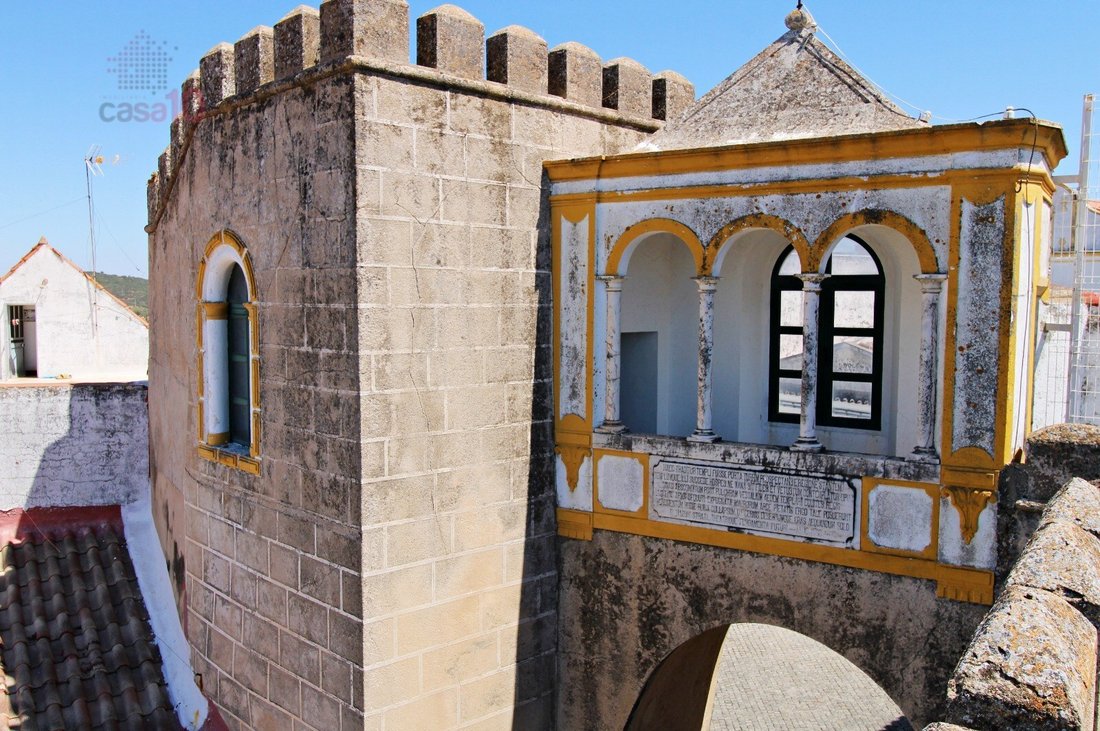
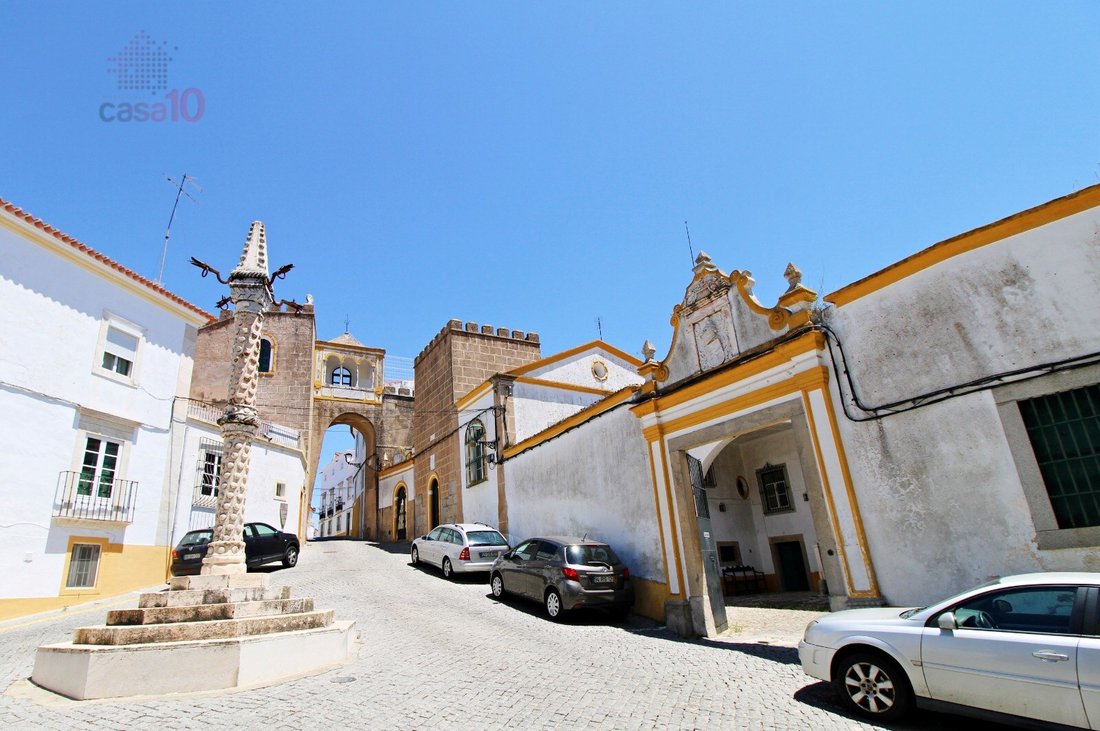
Le Palácio dos Mesquita Pimentel a été construit au XIXe siècle. XVI de Luís de Mesquita Pimentel, un noble chevalier de la ville d’Elvas qui y a hébergé Philippe II d’Espagne en 1580 pendant les mois où il a vécu dans cette ville avant de partir pour Lisbonne. Quelques mois auparavant, le palais avait fait l’objet d’importants travaux réalisés par l’architecte royal Juan de Herrera, le même qui a
The Palácio dos Mesquita Pimentel was built in the 19th century. XVI by Luís de Mesquita Pimentel, a noble knight from the city of Elvas who housed Philip II of Spain there in 1580 during the months he lived in this city before leaving for Lisbon. Months before, the palace underwent major works carried out by the royal architect Juan de Herrera, the same one who was involved in the construction of
Le Palácio dos Mesquita Pimentel a été construit au XIXe siècle. XVI de Luís de Mesquita Pimentel, un noble chevalier de la ville d’Elvas qui y a hébergé Philippe II d’Espagne en 1580 pendant les mois où il a vécu dans cette ville avant de partir pour Lisbonne. Quelques mois auparavant, le palais avait fait l’objet d’importants travaux réalisés par l’architecte royal Juan de Herrera, le même qui avait participé à la construction du monastère de l’Escorial. À l’origine, le bâtiment était relié au bâtiment situé un peu plus bas, à Porta do Sol, pour ne former qu’un seul bâtiment.
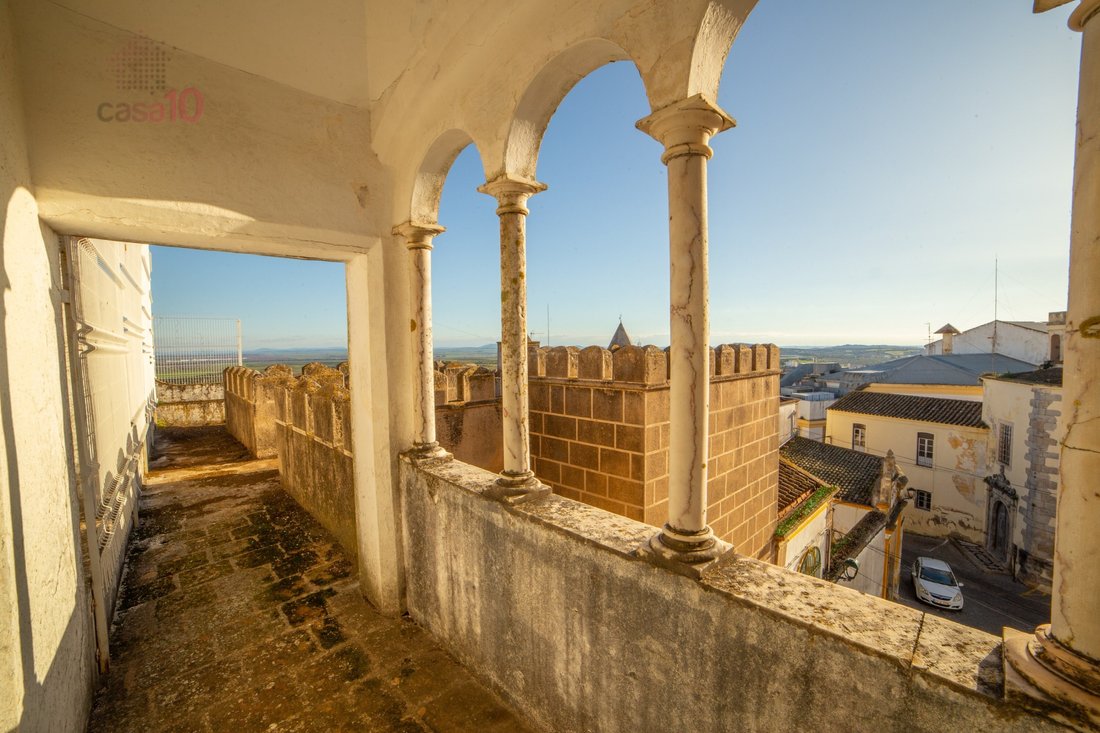
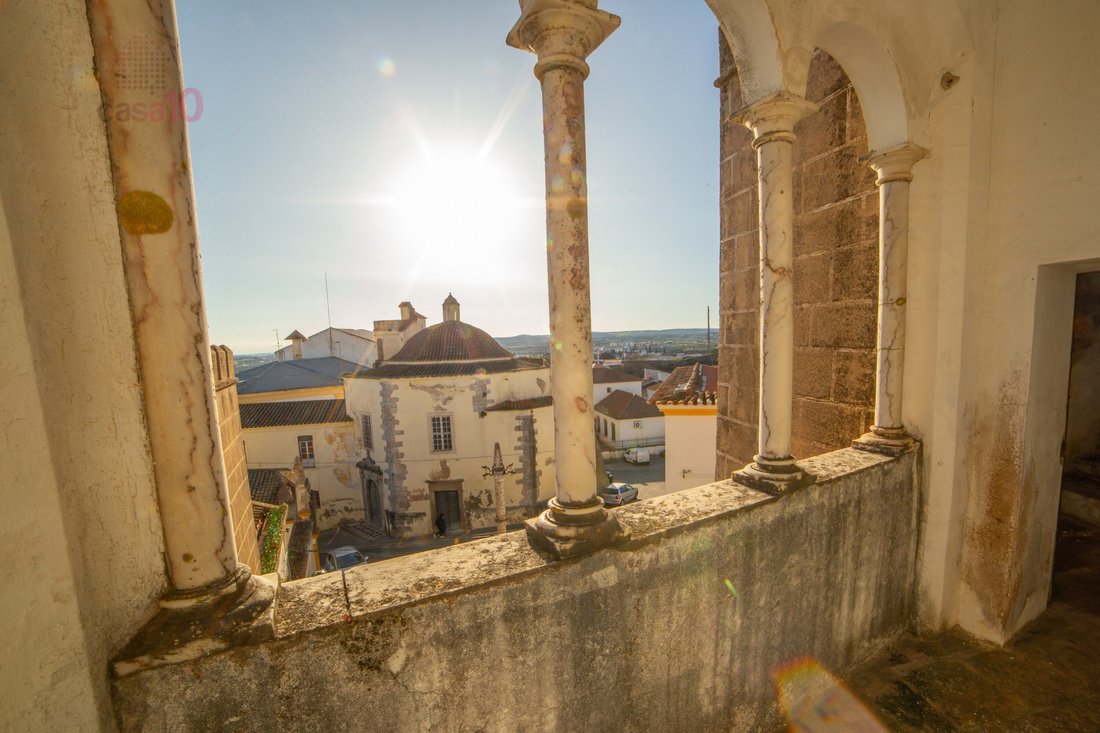
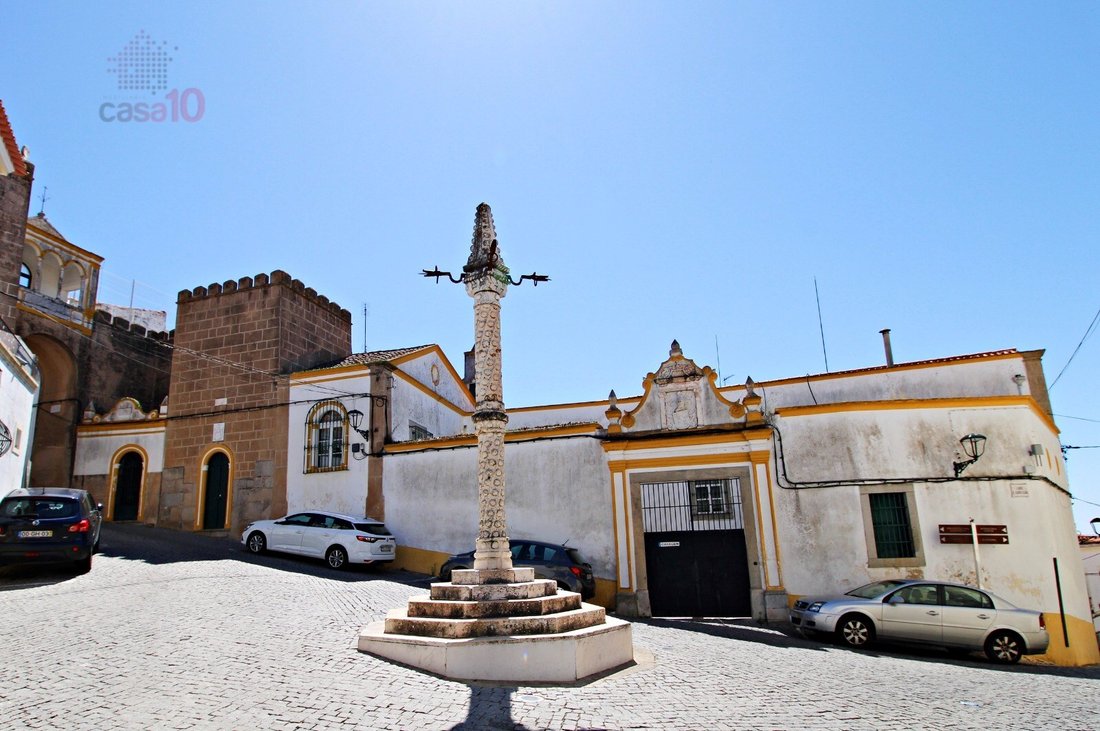
Le palais a ensuite été modifié aux XVIIIe et XIXe siècles, ne conservant que sur la façade latérale, sur la Rua Tenente Passos e Sousa, une fenêtre d’angle à colonnes, typique de l’architecture espagnole de la fin du XIXe siècle. XVI. À l’intérieur, il y a un grand patio auquel on accède par un portail surmonté des armoiries de la Mesquita Pimentel.
La grande partie de la première clôture islamique qui traverse le bâtiment, construite au XVIe siècle, est d’une grande importance. IX, y compris l’ancienne porte du Temple sur le même mur, avec son arc en fer à cheval d’origine et son entrée coudée, une porte découverte au XIXe siècle. XIX par le propriétaire de l’époque, le Dr Francisco de Paula Santa Clara, éminent historien, typographe et intellectuel elfique.
Planifiez votre visite !
Classe énergétique : F
#Référence : EVR000116-25
Le palais a ensuite été modifié aux XVIIIe et XIXe siècles, ne conservant que sur la façade latérale, sur la Rua Tenente Passos e Sousa, une fenêtre d’angle à colonnes, typique de l’architecture espagnole de la fin du XIXe siècle. XVI. À l’intérieur, il y a un grand patio auquel on accède par un portail surmonté des armoiries de la Mesquita Pimentel.
La grande partie de la première clôture islamique qui traverse le bâtiment, construite au XVIe siècle, est d’une grande importance. IX, y compris l’ancienne porte du Temple sur le même mur, avec son arc en fer à cheval d’origine et son entrée coudée, une porte découverte au XIXe siècle. XIX par le propriétaire de l’époque, le Dr Francisco de Paula Santa Clara, éminent historien, typographe et intellectuel elfique.
Planifiez votre visite !
Classe énergétique : F
#Référence : EVR000116-25
The Palácio dos Mesquita Pimentel was built in the 19th century. XVI by Luís de Mesquita Pimentel, a noble knight from the city of Elvas who housed Philip II of Spain there in 1580 during the months he lived in this city before leaving for Lisbon. Months before, the palace underwent major works carried out by the royal architect Juan de Herrera, the same one who was involved in the construction of the Escorial Monastery. Originally, the building was connected to the building located a little further down, to Porta do Sol, forming just one building.
The palace was later tampered with in the 18th and 19th centuries, retaining only on the side façade, on Rua Tenente Passos e Sousa, a corner window with columns, typical of Spanish architecture at the end of the 19th century. XVI. Inside, there is a large patio which is accessed from a portal surmounted by the coats of arms of the Mesquita Pimentel.
Of great importance is the large section of the first Islamic fence that runs through the building, built in the 16th century. IX, including the old Temple Gate on the same wall, with its original horseshoe arch and elbow entrance, a door discovered in the 19th century. XIX by the then owner, Dr. Francisco de Paula Santa Clara, distinguished historian, typographer and Elven intellectual.
Schedule your visit!
Energy Rating: F
#ref:EVR000116-25
The palace was later tampered with in the 18th and 19th centuries, retaining only on the side façade, on Rua Tenente Passos e Sousa, a corner window with columns, typical of Spanish architecture at the end of the 19th century. XVI. Inside, there is a large patio which is accessed from a portal surmounted by the coats of arms of the Mesquita Pimentel.
Of great importance is the large section of the first Islamic fence that runs through the building, built in the 16th century. IX, including the old Temple Gate on the same wall, with its original horseshoe arch and elbow entrance, a door discovered in the 19th century. XIX by the then owner, Dr. Francisco de Paula Santa Clara, distinguished historian, typographer and Elven intellectual.
Schedule your visit!
Energy Rating: F
#ref:EVR000116-25
-
Type de propriété
Château
-
Prix/pied²
$147
-
Émissions
NI
-
Consommation
F
Caractéristiques
- Jardin
- Terrasse
- Cheminée
- Vue sur la montagne
- Cave à vins
- Laveuse sécheuse
- Sous-sol
- Porte
- Bureau
Caractéristiques
Lot
Intérieur
- Haut plafond
- Bureau
- Cheminée
- Climatisation
- Laveuse sécheuse
- Cave à vins
- Sous-sol
Outdoor
Explorez le secteur
Largo de Santa Clara 2, Caia, Sao Pedro e Alcacova, Portalegre, Portugal
Voir sur Google Maps
Prix par sqft
Faible
Élevé
Inscrit il y a 5 ans
Vous vous êtes renseigné sur ce bien
L'agent vous contactera bientôt par
Publié par
127
Annonces
2022
Inscrit
Réserver une visite avec the agent
Choisissez une date et si vous souhaitez une visite virtuelle ou en personne avec l’agent.
Date préférée
Type de visite
Dernière mise à jour
Juin 18
Première mise en ligne
Février 6, 2025
Référence de l’annonce
EVR000116-25-0521723653
Propriétés similaires à proximité
Nouvelles annonces à Caia, Sao Pedro e Alcacova


Explorez plus de biens à vendre
Caia, Sao Pedro e Alcacova, Portalegre, Portugal types de propriétés
- Villas à vendre à Caia, Sao Pedro e Alcacova, Portalegre, Portugal
- Corps de ferme à vendre à Caia, Sao Pedro e Alcacova, Portalegre, Portugal
- Maisons à vendre à Caia, Sao Pedro e Alcacova, Portalegre, Portugal
- Campagne à vendre à Caia, Sao Pedro e Alcacova, Portalegre, Portugal
- Châteaux à vendre à Caia, Sao Pedro e Alcacova, Portalegre, Portugal
- Maisons de campagne à vendre à Caia, Sao Pedro e Alcacova, Portalegre, Portugal
Caia, Sao Pedro e Alcacova, Portalegre, Portugal Recherches populaires
- Vue panoramique / panoramique propriétés à Caia, Sao Pedro e Alcacova, Portalegre, Portugal
- Propriétés avec Terrasse à Caia, Sao Pedro e Alcacova, Portalegre, Portugal
- Propriétés avec Bar à Caia, Sao Pedro e Alcacova, Portalegre, Portugal
- Propriétés avec Salle de jeux à Caia, Sao Pedro e Alcacova, Portalegre, Portugal
- Propriétés avec Bureau à Caia, Sao Pedro e Alcacova, Portalegre, Portugal
- Propriétés avec Ascenseur à Caia, Sao Pedro e Alcacova, Portalegre, Portugal
- Vue sur la ville propriétés à Caia, Sao Pedro e Alcacova, Portalegre, Portugal
- Vue sur la montagne propriétés à Caia, Sao Pedro e Alcacova, Portalegre, Portugal
- Propriétés avec Jardin à Caia, Sao Pedro e Alcacova, Portalegre, Portugal
- Vie privée propriétés à Caia, Sao Pedro e Alcacova, Portalegre, Portugal
- Équestre propriétés à Caia, Sao Pedro e Alcacova, Portalegre, Portugal
- Propriétés avec Climatisation à Caia, Sao Pedro e Alcacova, Portalegre, Portugal
- Propriétés avec Cave à vins à Caia, Sao Pedro e Alcacova, Portalegre, Portugal
- Propriétés avec Jacuzzi à Caia, Sao Pedro e Alcacova, Portalegre, Portugal
- Propriétés avec Cheminée à Caia, Sao Pedro e Alcacova, Portalegre, Portugal
- Propriétés avec Piscine à Caia, Sao Pedro e Alcacova, Portalegre, Portugal
- Propriétés avec Garage à Caia, Sao Pedro e Alcacova, Portalegre, Portugal
- Propriétés avec Balcon à Caia, Sao Pedro e Alcacova, Portalegre, Portugal
- Manoir propriétés à Caia, Sao Pedro e Alcacova, Portalegre, Portugal
- Propriétés avec Cuisine ouverte à Caia, Sao Pedro e Alcacova, Portalegre, Portugal
- Vue sur la mer propriétés à Caia, Sao Pedro e Alcacova, Portalegre, Portugal
Guides et histoires connexes
La confiance des plus grands courtiers du monde
Les agents des propriétés les plus exceptionnelles du monde publient sur JamesEdition.
- Des annonces de Sotheby's, Christie's, BARNES et Engel & Völkers
- Chaque annonce est vérifiée avant sa mise en ligne
- Contactez directement des agents vérifiés
En continuant, vous acceptez nos Conditions et notre Politique de confidentialité.