$8,107,280
Terrain Avec Projet Approuvé À Alcobaça Leiria
- 37.55 Ac lot
- Mis à jour: Juin 18
- 1
À propos de la propriété
La description a été traduite automatiquement.
La description est affichée dans la langue d'origine.
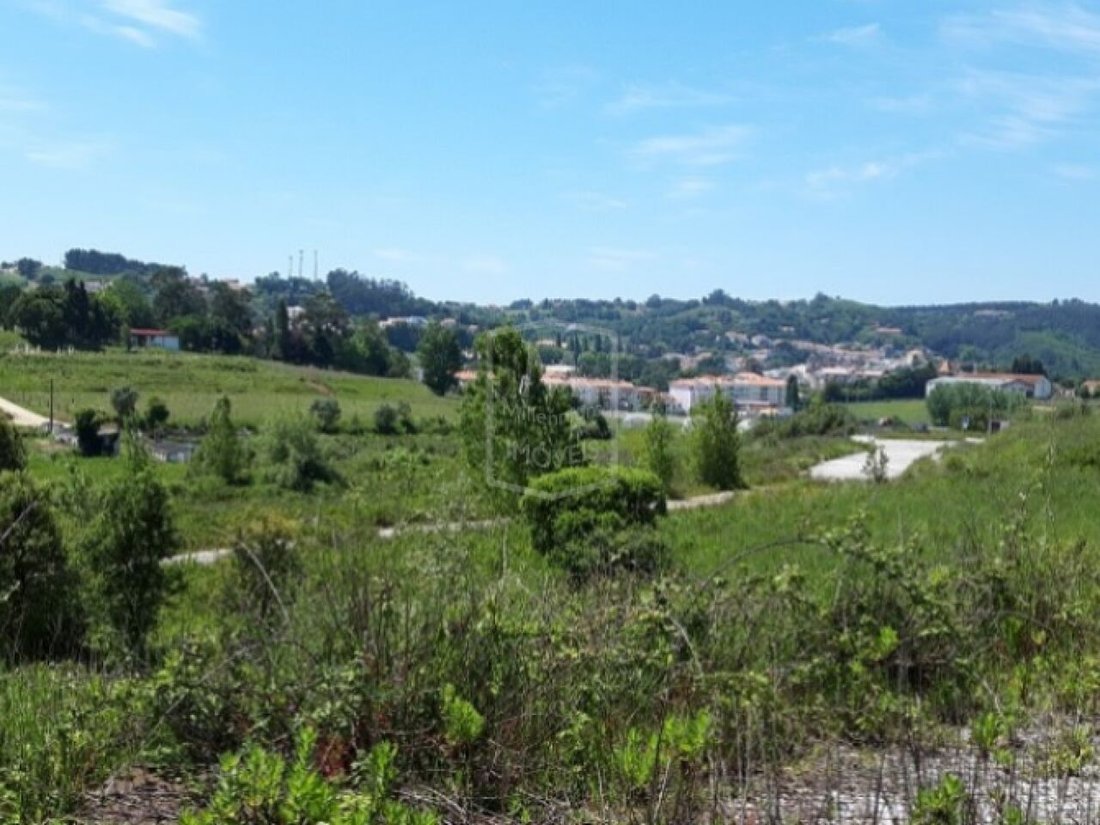
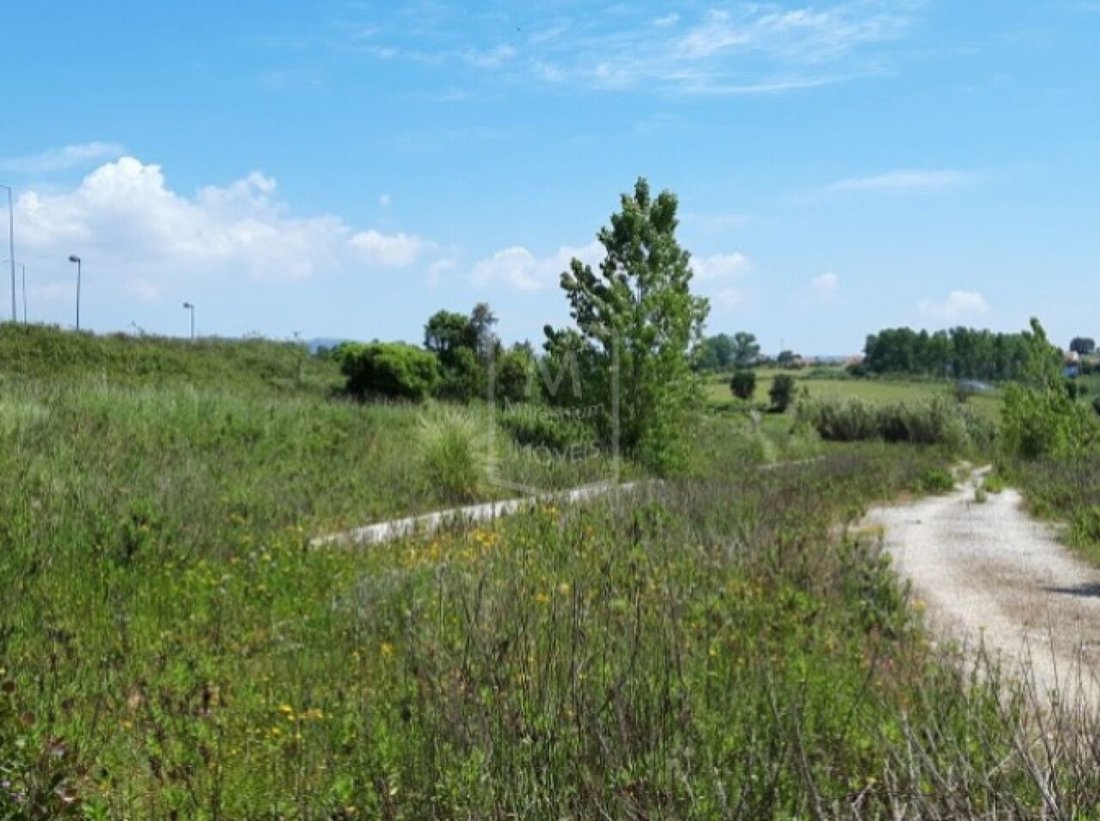
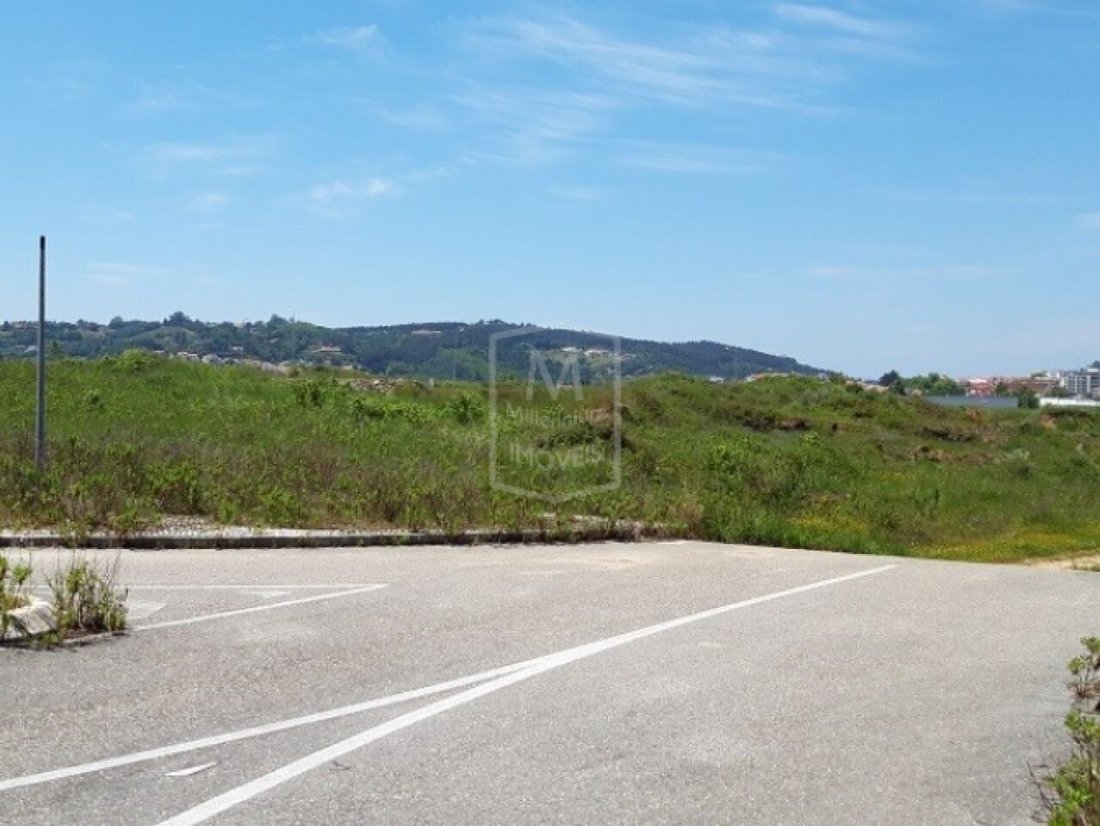
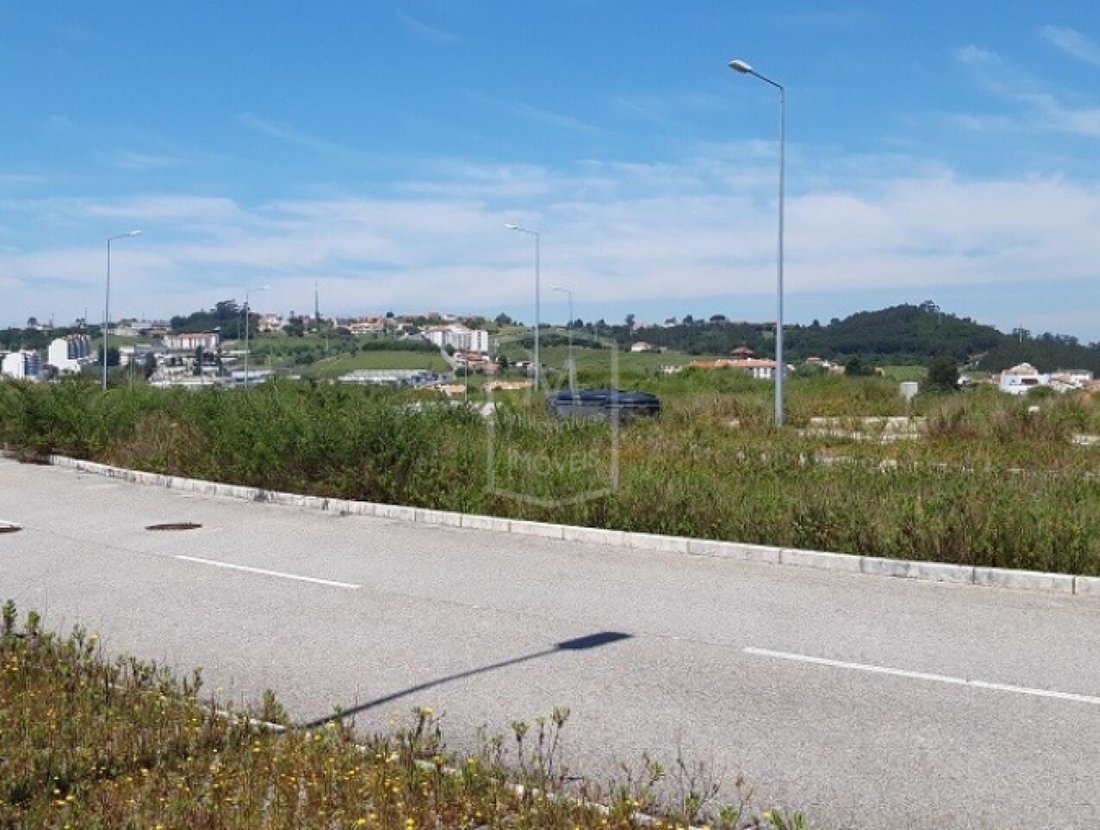
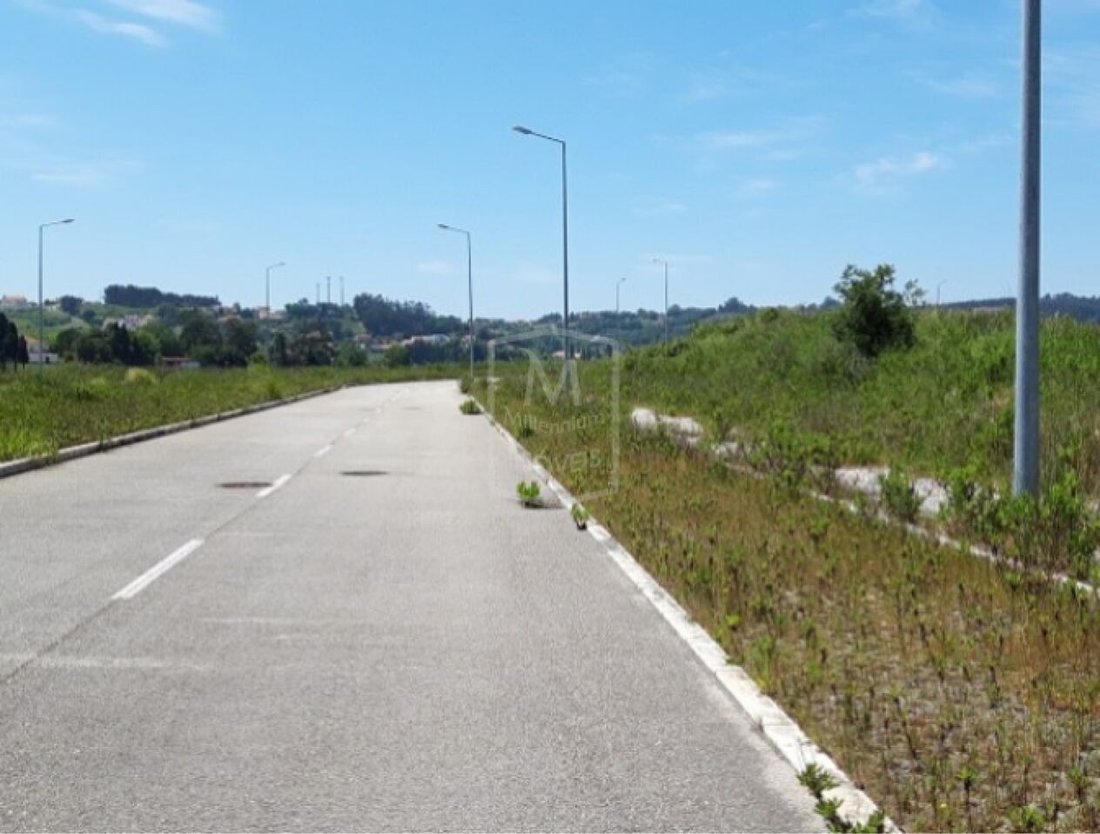
Important lotissement avec Alcobaça dont les travaux d’urbanisation ont été approuvés par la CMA, pour le logement (unifamilial et multifamilial), le commerce et les services, avec une surface brute totale de construction (ABC) de 151 950 m². Classe énergétique : exemptée La ville actuelle d’Alcobaça s’est développée dans les vallées de la rivière Alcoa et de la rivière Baça. La zone de l’act
Important allotment with Alcobaça whose urbanization works were approved by the CMA, for housing (single-family and multi-family), commerce and services, with a total Gross Construction Area (ABC) of 151,950sqm. Energy Class: Exempt The current city of Alcobaça has grown in the valleys of the Alcoa River and the Baça River. The area of the current municipality of Alcobaça was inhabited by the Roma
Important lotissement avec Alcobaça dont les travaux d’urbanisation ont été approuvés par la CMA, pour le logement (unifamilial et multifamilial), le commerce et les services, avec une surface brute totale de construction (ABC) de 151 950 m². Classe énergétique : exemptée La ville actuelle d’Alcobaça s’est développée dans les vallées de la rivière Alcoa et de la rivière Baça. La zone de l’actuelle municipalité d’Alcobaça était habitée par les Romains, mais la dénomination lui a été léguée par les Arabes, dont l’occupation dénote une ère de progrès à en juger par les nombreux toponymes des terres adjacentes qui les rappellent, tels qu’Alcobaça, Alfeizerão, Aljubarrota, Alpedriz et d’autres toponymes. Lors de la reconquête d’Alcobaça, la localité avait accès à la mer voisine qui formait la grande lagune de Pederneira qui atteignait Cós et leur permettait de naviguer sur les navires qui transportaient vers le reste du pays les délicieux fruits produits dans la région grâce à la technique introduite par les moines de Cisterer. Afonso Henriques a accordé les terres d’Alcobaça aux moines cisterciens le 8 avril 1553, avec l’obligation de les roter ; les donations faites au cours des différents règnes ont constitué un vaste territoire, les Coutos d’Alcobaça, allant de São Pedro de Moel à São Martinho do Porto et d’Aljubarrota à Alvorninha, et le territoire a atteint son maximum sous le règne de D. Fernando I. Les moines des cistermes sont devenus les seigneurs de 14 villages dont 4 étaient des ports maritimes : Alfeizerão, São Martinho do Porto, Pederneira et Paredes da Vitória. Les moines d’Alcobaça, outre leur activité religieuse et culturelle, suivent des cours publics depuis 1269 et enseignent des techniques agricoles, en plus des sciences humaines, de la logique et de la théologie, ont développé une action colonisatrice remarquable et durable, mettant en pratique les innovations agricoles expérimentées dans d’autres monastères et grâce auxquelles ils ont roté les terres, séché des bâtonnets, introduit des cultures adaptées à chaque terre et organisé des fermes ou des fermes, ce qu’ils appelaient des fermes, créant pratiquement à partir de rien région agricole qui est restée à ce jour comme l’une des plus productives du Portugal. Joaquim Vieira Naatividade désigne les moines d’Alcobaça comme les moines-agronomes. Les municipalités d’Alcobaça et de Nazaré, ainsi qu’une partie de la municipalité septentrionale de Caldas da Rainha, ont été pillées et administrées par les moines d’Alcobaça. Ce vaste territoire s’appelait les Coutos de Alcobaça.
Important allotment with Alcobaça whose urbanization works were approved by the CMA, for housing (single-family and multi-family), commerce and services, with a total Gross Construction Area (ABC) of 151,950sqm. Energy Class: Exempt The current city of Alcobaça has grown in the valleys of the Alcoa River and the Baça River. The area of the current municipality of Alcobaça was inhabited by the Romans, but the denomination was left to it by the Arabs, whose occupation denotes an era of progress judging by the numerous toponyms of the adjacent lands that remind them, such as Alcobaça, Alfeizerão, Aljubarrota, Alpedriz and other toponyms. When Alcobaça was reconquered, the locality had access to the nearby sea that formed the great Pederneira Lagoon that reached Cós and allowed them to sail the vessels that transported to the rest of the country the delicious fruits produced in the region thanks to the technique introduced by the monks of Cisterer. Afonso Henriques sweetened the Lands of Alcobaça to the Cistercian monks on April 8,1153, with the obligation to burp them; the donations made over the various reigns came to constitute a vast territory - The Coutos of Alcobaça - ranging from about São Pedro de Moel to São Martinho do Porto and from Aljubarrota to Alvorninha, and the territory reached its maximum in the reign of D. Fernando I. The monks of Cistermen came to be lords of 14 villages of which 4 were sea ports: Alfeizerão, São Martinho do Porto, Pederneira and Paredes da Vitória. The monks of Alcobaça, in addition to their religious and cultural activity- have had public classes since 1269 and in them, in addition to Humanities, Logic and Theology, taught agricultural techniques - developed a remarkable and lasting colonizing action, putting into practice the agricultural innovations experienced in other monasteries and thanks to which they burped the lands, dried sticks, introduced cultures suitable to each land and organized farms or farms, what they called farms, creating practically from nothing an agricultural region that has remained to this day as one of the most productive in Portugal. Joaquim Vieira Naatividade refers to the monks of Alcobaça, as the monks-agronomes. The municipalities of Alcobaça and Nazaré, as well as part of the northern municipality of Caldas da Rainha, was burped and administered by the Alcobacense monks. This vast territory was called the Coutos de Alcobaça. (ref AV-PBI-1253)
-
Type de propriété
Terrain
Caractéristiques
Explorez le secteur
Alcobaca e Vestiaria, Leiria, Portugal
Voir sur Google Maps
Prix par sqft
Faible
Élevé
Inscrit il y a 3 ans
Vous vous êtes renseigné sur ce bien
L'agent vous contactera bientôt par
Publié par
87
Annonces
2023
Inscrit
Réserver une visite avec the agent
Choisissez une date et si vous souhaitez une visite virtuelle ou en personne avec l’agent.
Date préférée
Type de visite
Dernière mise à jour
Juin 18
Première mise en ligne
Mai 19, 2023
Référence de l’annonce
-209578524
Propriétés similaires à proximité
Nouvelles annonces à Alcobaca e Vestiaria


Explorez plus de biens à vendre
Alcobaca e Vestiaria, Leiria, Portugal types de propriétés
- Maisons de ville à vendre à Alcobaca e Vestiaria, Leiria, Portugal
- Maisons à vendre à Alcobaca e Vestiaria, Leiria, Portugal
- Campagne à vendre à Alcobaca e Vestiaria, Leiria, Portugal
- Appartements à vendre à Alcobaca e Vestiaria, Leiria, Portugal
- Corps de ferme à vendre à Alcobaca e Vestiaria, Leiria, Portugal
- Villas à vendre à Alcobaca e Vestiaria, Leiria, Portugal
Alcobaca e Vestiaria, Leiria, Portugal Recherches populaires
- Vue panoramique / panoramique propriétés à Alcobaca e Vestiaria, Leiria, Portugal
- Vue sur la mer propriétés à Alcobaca e Vestiaria, Leiria, Portugal
- Propriétés avec Terrasse à Alcobaca e Vestiaria, Leiria, Portugal
- Propriétés avec Bar à Alcobaca e Vestiaria, Leiria, Portugal
- Propriétés avec Salle de jeux à Alcobaca e Vestiaria, Leiria, Portugal
- Propriétés avec Bureau à Alcobaca e Vestiaria, Leiria, Portugal
- Propriétés avec Ascenseur à Alcobaca e Vestiaria, Leiria, Portugal
- Vue sur la ville propriétés à Alcobaca e Vestiaria, Leiria, Portugal
- Vue sur la montagne propriétés à Alcobaca e Vestiaria, Leiria, Portugal
- Propriétés avec Jardin à Alcobaca e Vestiaria, Leiria, Portugal
- Propriétés avec Cuisine extérieure à Alcobaca e Vestiaria, Leiria, Portugal
- Côtières propriétés à Alcobaca e Vestiaria, Leiria, Portugal
- Lotissement sécurisé propriétés à Alcobaca e Vestiaria, Leiria, Portugal
- Vie privée propriétés à Alcobaca e Vestiaria, Leiria, Portugal
- Au bord de l’eau propriétés à Alcobaca e Vestiaria, Leiria, Portugal
- Colline propriétés à Alcobaca e Vestiaria, Leiria, Portugal
- Immobilier d’investissement propriétés à Alcobaca e Vestiaria, Leiria, Portugal
- Moderne propriétés à Alcobaca e Vestiaria, Leiria, Portugal
- Équestre propriétés à Alcobaca e Vestiaria, Leiria, Portugal
- Constructions neuves propriétés à Alcobaca e Vestiaria, Leiria, Portugal
- Propriétés avec Centre de remise en forme / Fitness à Alcobaca e Vestiaria, Leiria, Portugal
- Propriétés avec Sauna à Alcobaca e Vestiaria, Leiria, Portugal
- Propriétés avec Bibliothèque à Alcobaca e Vestiaria, Leiria, Portugal
- Propriétés avec Climatisation à Alcobaca e Vestiaria, Leiria, Portugal
- Le front de mer propriétés à Alcobaca e Vestiaria, Leiria, Portugal
- Propriétés avec Jacuzzi à Alcobaca e Vestiaria, Leiria, Portugal
- Propriétés avec Cheminée à Alcobaca e Vestiaria, Leiria, Portugal
- Propriétés avec Piscine à Alcobaca e Vestiaria, Leiria, Portugal
- Propriétés avec Garage à Alcobaca e Vestiaria, Leiria, Portugal
- Propriétés avec Balcon à Alcobaca e Vestiaria, Leiria, Portugal
- Propriétés avec Terrain de tennis à Alcobaca e Vestiaria, Leiria, Portugal
- Bord de Mer propriétés à Alcobaca e Vestiaria, Leiria, Portugal
- Propriétés avec Cuisine ouverte à Alcobaca e Vestiaria, Leiria, Portugal
- Rénové propriétés à Alcobaca e Vestiaria, Leiria, Portugal
- Vue sur la mer propriétés à Alcobaca e Vestiaria, Leiria, Portugal
Guides et histoires connexes
La confiance des plus grands courtiers du monde
Les agents des propriétés les plus exceptionnelles du monde publient sur JamesEdition.
- Des annonces de Sotheby's, Christie's, BARNES et Engel & Völkers
- Chaque annonce est vérifiée avant sa mise en ligne
- Contactez directement des agents vérifiés
En continuant, vous acceptez nos Conditions et notre Politique de confidentialité.