

Precio a Consultar
Palacio En Haz Zebbug
- Actualizado: Agosto 7
- 17
Sobre la propiedad
La descripción se tradujo automáticamente.
La descripción se muestra en el idioma original.
Ubicado en las afueras de Haz-Zebbug, este palacio es un magnífico ejemplo de la tipología barroca tardía de grandes residencias propiedad de la nobleza maltesa. Construida a mediados del siglo XVIII, continuó sirviendo como residencia patricia hasta finales del siglo XX. El complejo complejo consiste en el gran palacio y sus imponentes jardines en un lado.
El Palacio se articula en una gramát
El Palacio se articula en una gramát
Set in the outskirts of Haz-Zebbug, this Palazzo is a magnificent example of the late Baroque typology of grand residences owned by the Maltese nobility. Built in the mid 18th Century it continued to serve as a patrician residence right-up to the end of the 20th Century. The elaborate complex consists of the grand Palazzo and its imposing gardens on one side.
The Palace is articulated in an ar
The Palace is articulated in an ar
Ubicado en las afueras de Haz-Zebbug, este palacio es un magnífico ejemplo de la tipología barroca tardía de grandes residencias propiedad de la nobleza maltesa. Construida a mediados del siglo XVIII, continuó sirviendo como residencia patricia hasta finales del siglo XX. El complejo complejo consiste en el gran palacio y sus imponentes jardines en un lado.
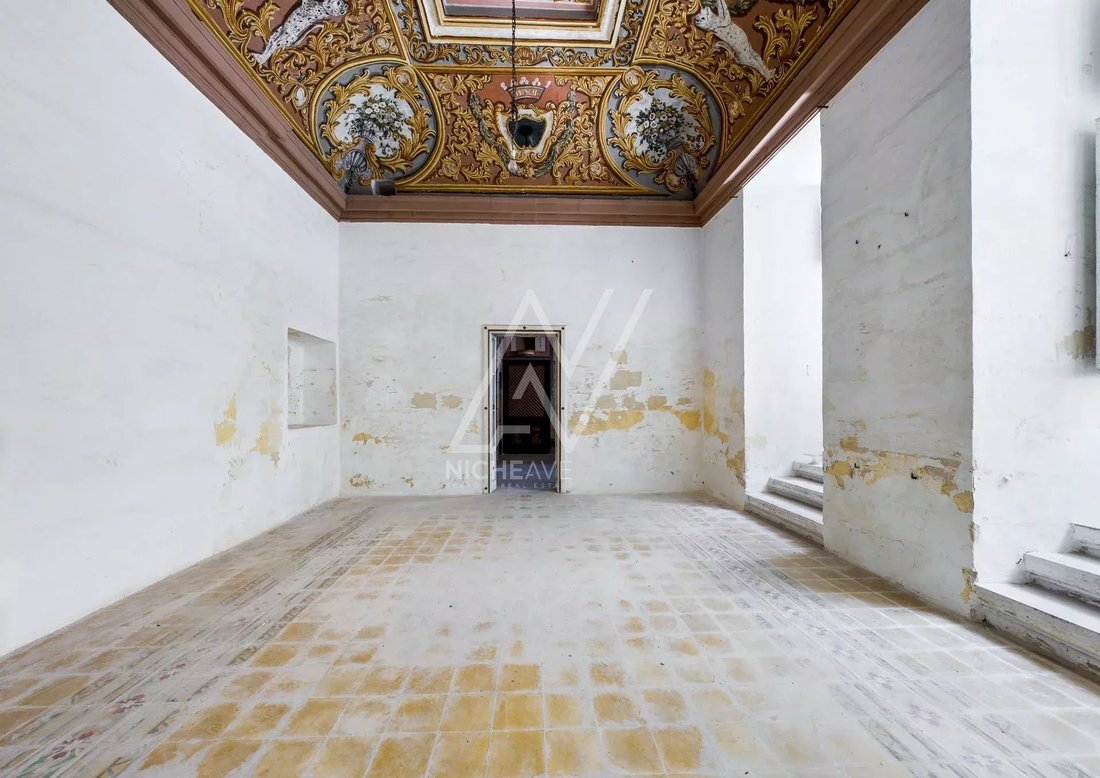
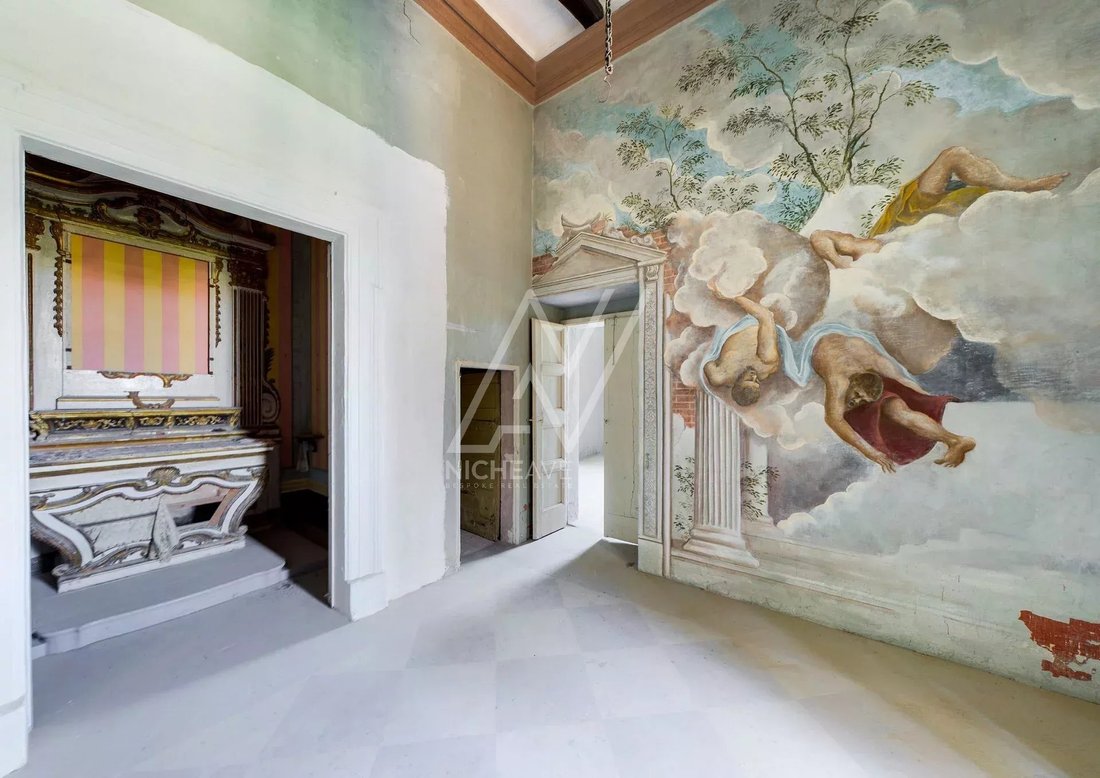
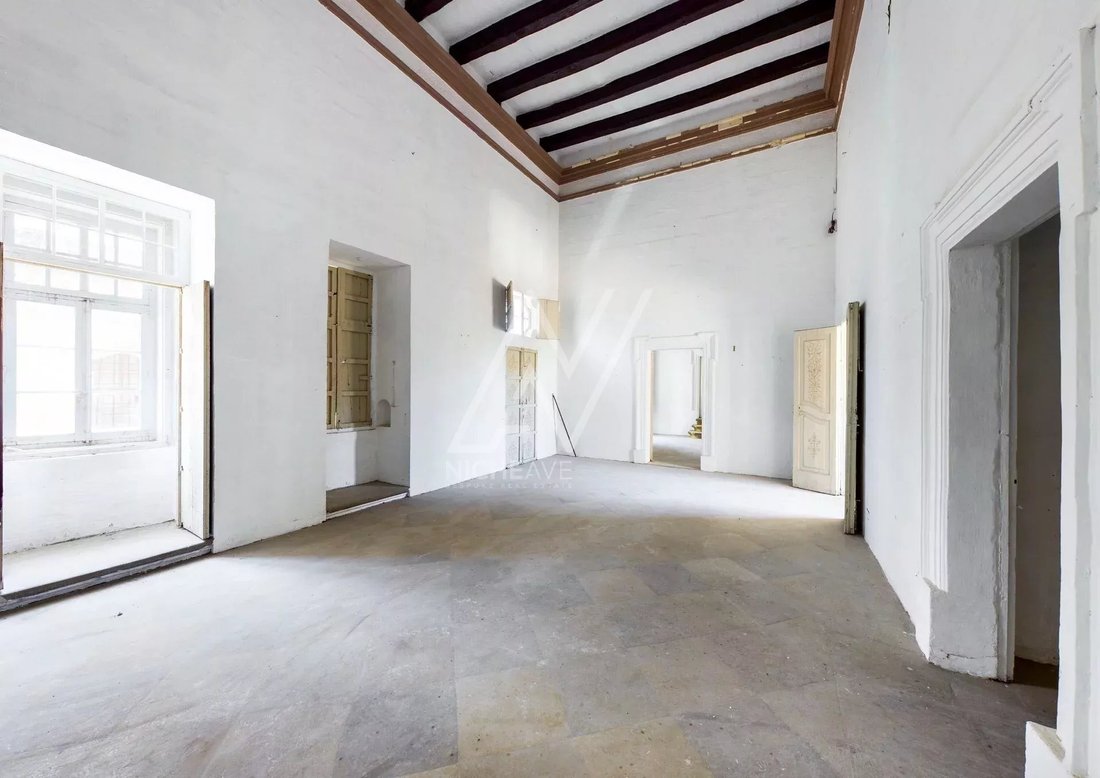
El Palacio se articula en una gramática arquitectónica, típica de la época. Está construido en dos plantas, tiene una imponente puerta central flanqueada por habitaciones de servicio a ambos lados de la planta baja. La residencia principal de la familia estaba en los amplios salones de techos altos del piano nobile del primer piso. Una característica exclusiva del palacio fue la incorporación en su planta baja de un teatro privado para el entretenimiento literario y musical de los residentes y sus invitados. Esta es una característica extraordinaria que aún contiene gran parte de sus pinturas murales y elementos decorativos originales.
La delicadeza y la sofisticación de todo el complejo también se encuentran en los detalles, como las tallas decorativas en piedra y los trabajos de hierro forjado. Algunas de las salas tienen sus bóvedas representadas con una decoración en forma de trompe-l’Oeil con motivos arquitectónicos ficticios que sirven para crear la ilusión de un espacio decorativo colocado en perspectiva. Estos conjuntos decorativos pertenecían al período barroco tardío y se utilizaban a menudo en grandes residencias. La escala del piano nobile, con sus relaciones entre la altura y el ancho, desmiente la intención de hacer de la residencia una de las mejores de la isla.
El acceso al jardín se realiza desde una amplia entrada cerrada, que originalmente servía a los carruajes. El jardín está organizado en secciones que tienen caminos que unen una parte con la otra. Sus elementos formales se combinan con elementos rústicos que dan forma al esplendor de lo que originalmente era uno de los mejores jardines de esta parte de la isla. El Palazzo se erige en su magnificencia y grandeza como testimonio de la elegancia de la herencia y el patrimonio cultural malteses.
El Palacio se articula en una gramática arquitectónica, típica de la época. Está construido en dos plantas, tiene una imponente puerta central flanqueada por habitaciones de servicio a ambos lados de la planta baja. La residencia principal de la familia estaba en los amplios salones de techos altos del piano nobile del primer piso. Una característica exclusiva del palacio fue la incorporación en su planta baja de un teatro privado para el entretenimiento literario y musical de los residentes y sus invitados. Esta es una característica extraordinaria que aún contiene gran parte de sus pinturas murales y elementos decorativos originales.
La delicadeza y la sofisticación de todo el complejo también se encuentran en los detalles, como las tallas decorativas en piedra y los trabajos de hierro forjado. Algunas de las salas tienen sus bóvedas representadas con una decoración en forma de trompe-l’Oeil con motivos arquitectónicos ficticios que sirven para crear la ilusión de un espacio decorativo colocado en perspectiva. Estos conjuntos decorativos pertenecían al período barroco tardío y se utilizaban a menudo en grandes residencias. La escala del piano nobile, con sus relaciones entre la altura y el ancho, desmiente la intención de hacer de la residencia una de las mejores de la isla.
El acceso al jardín se realiza desde una amplia entrada cerrada, que originalmente servía a los carruajes. El jardín está organizado en secciones que tienen caminos que unen una parte con la otra. Sus elementos formales se combinan con elementos rústicos que dan forma al esplendor de lo que originalmente era uno de los mejores jardines de esta parte de la isla. El Palazzo se erige en su magnificencia y grandeza como testimonio de la elegancia de la herencia y el patrimonio cultural malteses.
Set in the outskirts of Haz-Zebbug, this Palazzo is a magnificent example of the late Baroque typology of grand residences owned by the Maltese nobility. Built in the mid 18th Century it continued to serve as a patrician residence right-up to the end of the 20th Century. The elaborate complex consists of the grand Palazzo and its imposing gardens on one side.
The Palace is articulated in an architectural grammar, typical of the period. It is built on two floors, has an imposing central doorway flanked by service rooms on either side of the ground floor. The main residence of the family was in the expansive high-ceiling halls of the piano nobile on the first floor. Unique to the palace, was the incorporation in its ground floor of a private theatre for the literary and musical entertainment of the residents and their guests. This is an extraordinary feature that still contains much of its original wall paintings and decorative elements.
The finesse and sophistication of the entire complex is also found in the detailing, such as the decorative stone carvings and wrought iron work. Some of the halls have their vaults depicted with Trompe-l’oeil decoration of fictive architectural motives that serve to give the illusion of decorative space placed in perspective. Such decorative ensembles belonged to the late baroque period and were often used in grand residences. The scale of the piano nobile with its height to width relationships belies the intent to make the residence one of the finest on the island.
Access to the garden is from a wide gated entrance, that originally served the carriages. The garden is laid out in sections that have paths joining one part to the other. Its formal elements combine with rustic features that shape the splendour of what originally was one of the finest garden in this part of the island. The Palazzo stands in its magnificence and grandeur as testimony of the elegance of Maltese heritage and cultural patrimony.
The Palace is articulated in an architectural grammar, typical of the period. It is built on two floors, has an imposing central doorway flanked by service rooms on either side of the ground floor. The main residence of the family was in the expansive high-ceiling halls of the piano nobile on the first floor. Unique to the palace, was the incorporation in its ground floor of a private theatre for the literary and musical entertainment of the residents and their guests. This is an extraordinary feature that still contains much of its original wall paintings and decorative elements.
The finesse and sophistication of the entire complex is also found in the detailing, such as the decorative stone carvings and wrought iron work. Some of the halls have their vaults depicted with Trompe-l’oeil decoration of fictive architectural motives that serve to give the illusion of decorative space placed in perspective. Such decorative ensembles belonged to the late baroque period and were often used in grand residences. The scale of the piano nobile with its height to width relationships belies the intent to make the residence one of the finest on the island.
Access to the garden is from a wide gated entrance, that originally served the carriages. The garden is laid out in sections that have paths joining one part to the other. Its formal elements combine with rustic features that shape the splendour of what originally was one of the finest garden in this part of the island. The Palazzo stands in its magnificence and grandeur as testimony of the elegance of Maltese heritage and cultural patrimony.
-
Tipo de propiedad
Casa
-
Pisos
2
Características
- Jardín
- Chimenea
- Techo alto
- Balcón
Explorar la zona
Se unió hace 4 años
Usted ha preguntado por esta propiedad
El agente se comunicará con usted pronto por
Publicado por
56
Anuncios
2022
Se unió
Reserva una visita con the agent
Elija una fecha y si prefiere una visita virtual o presencial con el agente.
Fecha preferida
Tipo de tour
Última actualización
Agosto 7
Primera publicación
Marzo 17, 2023
Referencia del anuncio
82265809
La confianza de los mejores brokers del mundo
Los agentes tras las propiedades más excepcionales del mundo publican en JamesEdition.
- Anuncios de Sotheby's, Christie's, BARNES y Engel & Völkers
- Cada anuncio se revisa antes de publicarse
- Conecte directamente con agentes verificados
Al continuar, acepta nuestros Términos y la Política de Privacidad.