$4,530,704
Vila Nova De Foz Coa Land
- 18,513,908 Sqft
- 425.03 Ac lot
- Actualizado: Julio 16
- 11
Sobre la propiedad
La descripción se tradujo automáticamente.
La descripción se muestra en el idioma original.
Quinta da Barca
1. ¡Patrimonio arqueológico y cultural de un valor incalculable!
La hermosa Quinta da Barca se encuentra en la parroquia de Chãs, municipio de Vila Nova de Foz de Côa, en el mágico valle del río Côa, en la región del Alto Duero. Cubre una vasta área de 172 hectáreas.
Quinta da Barca es reconocida internacionalmente como uno de los centros de arte rupest
1. ¡Patrimonio arqueológico y cultural de un valor incalculable!
La hermosa Quinta da Barca se encuentra en la parroquia de Chãs, municipio de Vila Nova de Foz de Côa, en el mágico valle del río Côa, en la región del Alto Duero. Cubre una vasta área de 172 hectáreas.
Quinta da Barca es reconocida internacionalmente como uno de los centros de arte rupest
Quinta da Barca
1. Archaeological, Tourist, and Agricultural Heritage of Immense Value!
The beautiful Quinta da Barca is located in the parish of Chãs, in the municipality of Vila Nova de Foz de Côa, in the magical Côa River valley of the Upper Douro region. It consists of a vast area of 172 ha, with the potential for a heliport!
Quinta da Barca embodies “wild luxury,
1. Archaeological, Tourist, and Agricultural Heritage of Immense Value!
The beautiful Quinta da Barca is located in the parish of Chãs, in the municipality of Vila Nova de Foz de Côa, in the magical Côa River valley of the Upper Douro region. It consists of a vast area of 172 ha, with the potential for a heliport!
Quinta da Barca embodies “wild luxury,
Quinta da Barca
1. ¡Patrimonio arqueológico y cultural de un valor incalculable!
La hermosa Quinta da Barca se encuentra en la parroquia de Chãs, municipio de Vila Nova de Foz de Côa, en el mágico valle del río Côa, en la región del Alto Duero. Cubre una vasta área de 172 hectáreas.
Quinta da Barca es reconocida internacionalmente como uno de los centros de arte rupestre más importantes y valiosos del valle del Côa. Alberga 61 rocas con grabados rupestres que datan del Paleolítico Superior, clasificadas como Patrimonio de la Humanidad por la UNESCO.
Quinta da Barca es actualmente una parada imprescindible en los recorridos por el Parque Arqueológico del Valle del Côa.
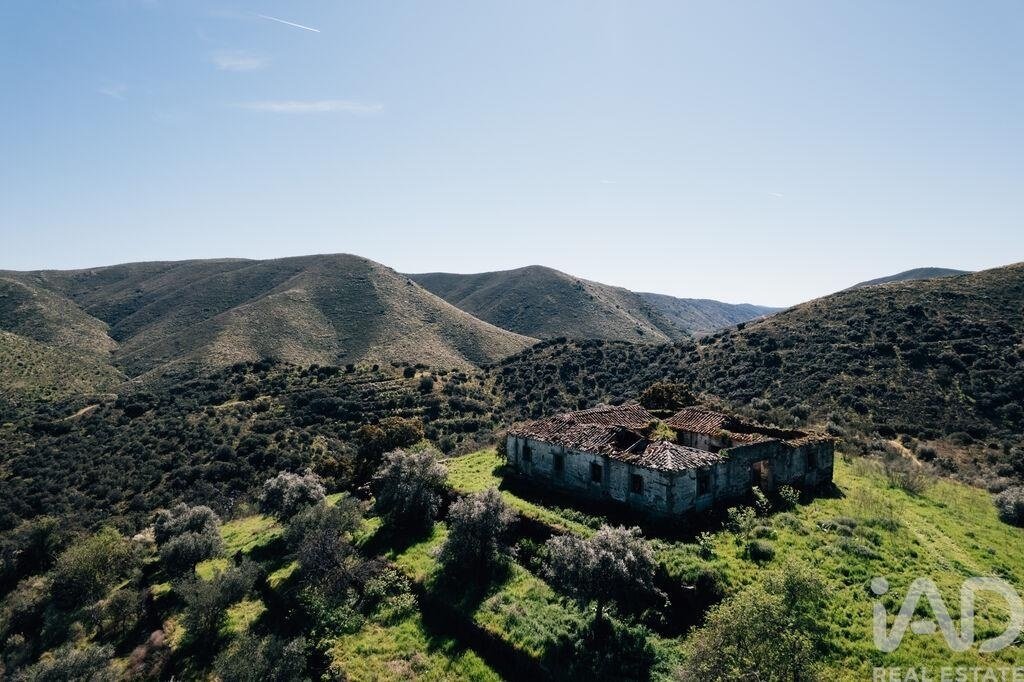
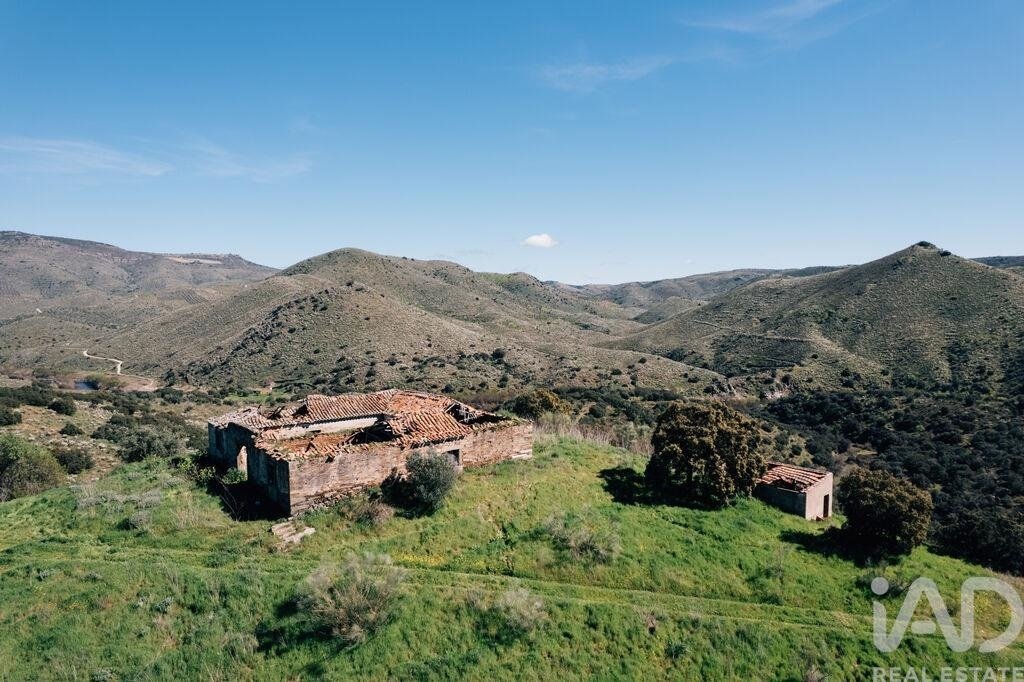
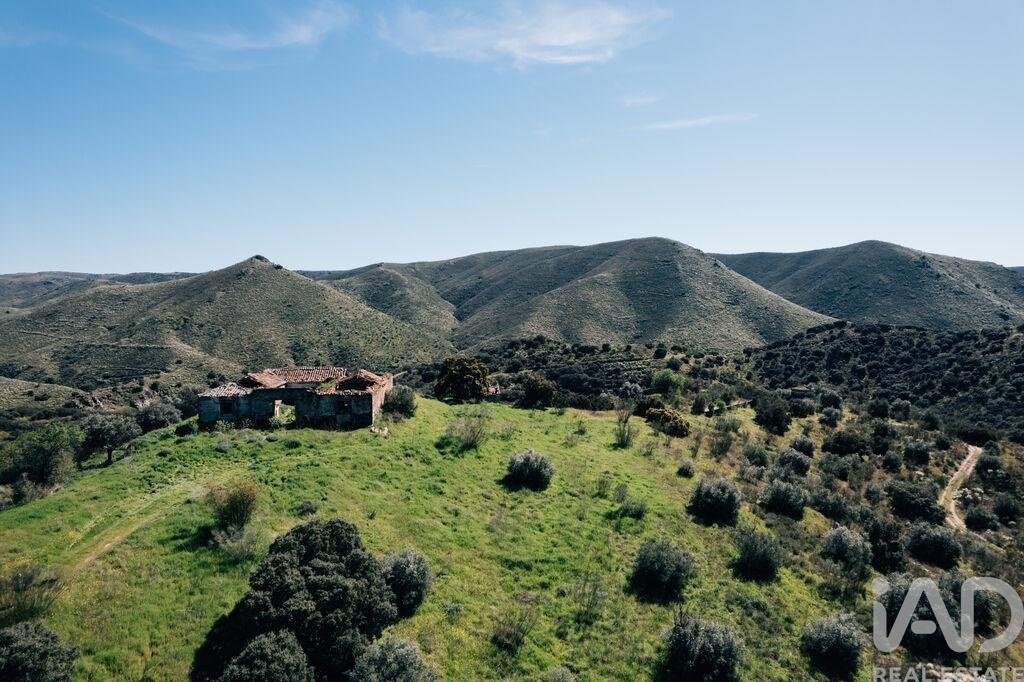
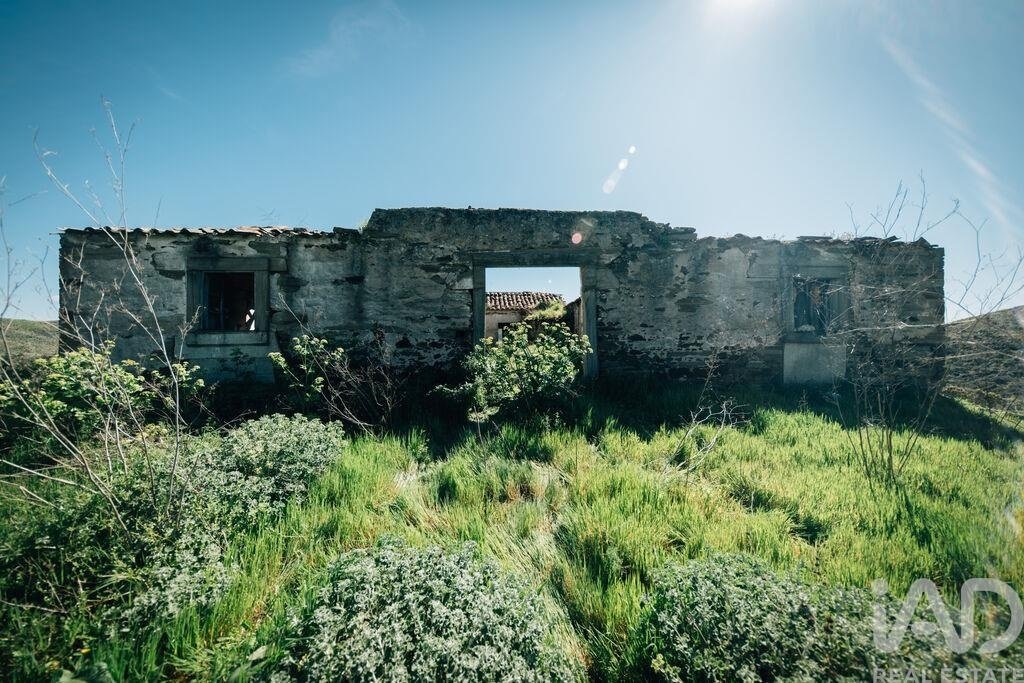
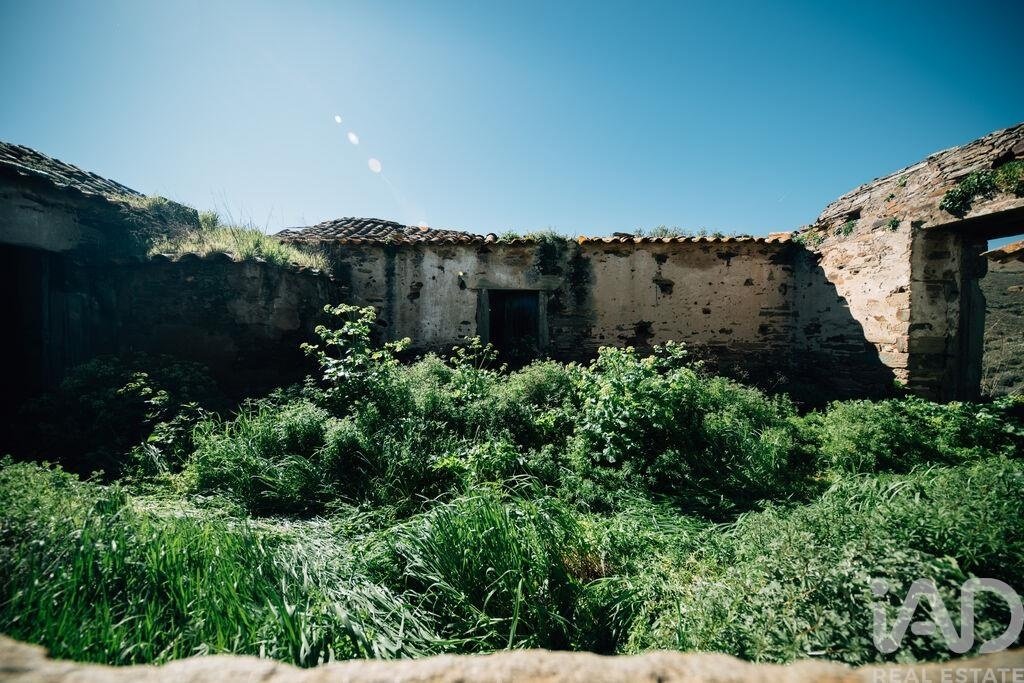
La Quinta da Barca consta de tres edificios principales en ruinas: una casa, una prensa de vino y una casa para el personal, además de otros cuatro edificios, también en ruinas: gallineros, un palomar, una bodega y un tanque.
Potencial económico y cultural:
- Turismo histórico, cultural y educativo, desarrollo de itinerarios interpretativos sobre el arte rupestre, destacando la prehistoria de la región.
Alianzas con museos e instituciones científicas para la investigación, las exposiciones y los eventos arqueológicos.
Gran atractivo para los turistas nacionales y extranjeros interesados en la historia, el arte y la arqueología.
2. Enoturismo y agricultura (potencial económico)
Enorme potencial agrícola para el cultivo de olivos para la producción de aceite de oliva DOP de excelente calidad, viñedos para la producción de vinos DOC del Duero Superior y vino de Oporto, almendros, miel y otros cultivos mediterráneos adaptados al clima de la región.
Desarrollo del enoturismo: catas de vino, visitas a viñedos y bodegas, eventos vinícolas regionales.
El enoturismo en el Duero tiene una gran demanda internacional.
- Oferta de productos complementarios, aceite de oliva, frutos secos, almendras (históricamente relevantes para la economía local) y frutas mediterráneas.
3. Turismo rural y experiencias en el entorno natural
La ubicación combina elementos de la naturaleza, el paisaje y la tradición, que son ideales para el turismo rural.
Desarrollo de alojamientos rurales (casas de huéspedes granjas/alojamientos turísticos), con experiencias locales (senderismo, ciclismo, observación de la fauna y la flora).
Eventos y experiencias al aire libre, como picnics en los viñedos, yoga en el campo, talleres sobre agricultura sostenible o cocina tradicional.
Creación de rutas temáticas, que incluyen arte rupestre, vino, gastronomía y naturaleza.
4. Educación y conciencia ambiental
La importancia arqueológica y natural del sitio puede y debe explotarse en asociación con escuelas, universidades y organizaciones culturales:
Programas educativos para escuelas y universidades.
Talleres sobre paleoarte, arqueología experimental e interpretación científica.
Campañas de conservación y educación ambiental con la comunidad local.
Principales desafíos a considerar
Infraestructura y acceso:
necesidad de invertir en acceso, señalización e infraestructura turística.
Gestión y conservación del patrimonio, conciliando las visitas turísticas con la protección de los grabados arqueológicos.
- Marketing y promoción internacionales para consolidar la marca «Quinta da Barca» en el circuito de experiencias del Duero y el Valle del Côa.
Quinta da Barca tiene un enorme potencial como destino de turismo cultural y rural, ya que se beneficia de su conexión con los sitios de arte rupestre del valle del Côa y de la tradición vinícola de la región demarcada del Duero, ¡declarada Patrimonio de la Humanidad!
Con inversiones y planificación, puede desarrollar eventos agrícolas, enoturísticos, educativos y culturales, atrayendo un turismo diverso y sostenible.
La belleza del cielo nocturno en el valle encantado del río Côa es un activo estratégico para el desarrollo sostenible.
El posicionamiento del territorio como un destino de excelencia para el astroturismo, que se distingue por la calidad de su cielo y la autenticidad de la experiencia en la naturaleza.
El potencial de Quinta da Barca como destino requiere una estrategia para mejorar el territorio, vinculada a una red de socios locales que forman parte de esta oferta única.
Más que observar las estrellas, el mágico valle del río Côa ofrece experiencias únicas, reforzando la identidad del territorio y creando nuevas oportunidades económicas y turísticas.
#ref: 933394
1. ¡Patrimonio arqueológico y cultural de un valor incalculable!
La hermosa Quinta da Barca se encuentra en la parroquia de Chãs, municipio de Vila Nova de Foz de Côa, en el mágico valle del río Côa, en la región del Alto Duero. Cubre una vasta área de 172 hectáreas.
Quinta da Barca es reconocida internacionalmente como uno de los centros de arte rupestre más importantes y valiosos del valle del Côa. Alberga 61 rocas con grabados rupestres que datan del Paleolítico Superior, clasificadas como Patrimonio de la Humanidad por la UNESCO.
Quinta da Barca es actualmente una parada imprescindible en los recorridos por el Parque Arqueológico del Valle del Côa.
La Quinta da Barca consta de tres edificios principales en ruinas: una casa, una prensa de vino y una casa para el personal, además de otros cuatro edificios, también en ruinas: gallineros, un palomar, una bodega y un tanque.
Potencial económico y cultural:
- Turismo histórico, cultural y educativo, desarrollo de itinerarios interpretativos sobre el arte rupestre, destacando la prehistoria de la región.
Alianzas con museos e instituciones científicas para la investigación, las exposiciones y los eventos arqueológicos.
Gran atractivo para los turistas nacionales y extranjeros interesados en la historia, el arte y la arqueología.
2. Enoturismo y agricultura (potencial económico)
Enorme potencial agrícola para el cultivo de olivos para la producción de aceite de oliva DOP de excelente calidad, viñedos para la producción de vinos DOC del Duero Superior y vino de Oporto, almendros, miel y otros cultivos mediterráneos adaptados al clima de la región.
Desarrollo del enoturismo: catas de vino, visitas a viñedos y bodegas, eventos vinícolas regionales.
El enoturismo en el Duero tiene una gran demanda internacional.
- Oferta de productos complementarios, aceite de oliva, frutos secos, almendras (históricamente relevantes para la economía local) y frutas mediterráneas.
3. Turismo rural y experiencias en el entorno natural
La ubicación combina elementos de la naturaleza, el paisaje y la tradición, que son ideales para el turismo rural.
Desarrollo de alojamientos rurales (casas de huéspedes granjas/alojamientos turísticos), con experiencias locales (senderismo, ciclismo, observación de la fauna y la flora).
Eventos y experiencias al aire libre, como picnics en los viñedos, yoga en el campo, talleres sobre agricultura sostenible o cocina tradicional.
Creación de rutas temáticas, que incluyen arte rupestre, vino, gastronomía y naturaleza.
4. Educación y conciencia ambiental
La importancia arqueológica y natural del sitio puede y debe explotarse en asociación con escuelas, universidades y organizaciones culturales:
Programas educativos para escuelas y universidades.
Talleres sobre paleoarte, arqueología experimental e interpretación científica.
Campañas de conservación y educación ambiental con la comunidad local.
Principales desafíos a considerar
Infraestructura y acceso:
necesidad de invertir en acceso, señalización e infraestructura turística.
Gestión y conservación del patrimonio, conciliando las visitas turísticas con la protección de los grabados arqueológicos.
- Marketing y promoción internacionales para consolidar la marca «Quinta da Barca» en el circuito de experiencias del Duero y el Valle del Côa.
Quinta da Barca tiene un enorme potencial como destino de turismo cultural y rural, ya que se beneficia de su conexión con los sitios de arte rupestre del valle del Côa y de la tradición vinícola de la región demarcada del Duero, ¡declarada Patrimonio de la Humanidad!
Con inversiones y planificación, puede desarrollar eventos agrícolas, enoturísticos, educativos y culturales, atrayendo un turismo diverso y sostenible.
La belleza del cielo nocturno en el valle encantado del río Côa es un activo estratégico para el desarrollo sostenible.
El posicionamiento del territorio como un destino de excelencia para el astroturismo, que se distingue por la calidad de su cielo y la autenticidad de la experiencia en la naturaleza.
El potencial de Quinta da Barca como destino requiere una estrategia para mejorar el territorio, vinculada a una red de socios locales que forman parte de esta oferta única.
Más que observar las estrellas, el mágico valle del río Côa ofrece experiencias únicas, reforzando la identidad del territorio y creando nuevas oportunidades económicas y turísticas.
#ref: 933394
Quinta da Barca
1. Archaeological, Tourist, and Agricultural Heritage of Immense Value!
The beautiful Quinta da Barca is located in the parish of Chãs, in the municipality of Vila Nova de Foz de Côa, in the magical Côa River valley of the Upper Douro region. It consists of a vast area of 172 ha, with the potential for a heliport!
Quinta da Barca embodies “wild luxury,” with high potential for tourism and agriculture; it is a stunning, peaceful place for a truly unique vacation!
Quinta da Barca is internationally recognised as one of the most important and valuable centres of rock art in the Côa Valley. It is home to 61 rocks with rock engravings dating from the Upper Palaeolithic period, classified as World Heritage by UNESCO.
Quinta da Barca is currently an essential stop on tours of the Côa Valley Archaeological Park.
Quinta da Barca consists of three main buildings in ruins: a house, a wine press and a staff house, plus four other buildings, also in ruins: chicken coops, a dovecote, a wine cellar and a tank.
Economic and cultural potential:
- Historical, cultural and educational tourism, development of interpretive itineraries on rock art, highlighting the region’s prehistory.
Partnerships with museums and scientific institutions for research, exhibitions and archaeological events.
Strong appeal to domestic and foreign tourists interested in history, art and archaeology.
2. Wine Tourism and Agriculture (Economic Potential)
Enormous agricultural potential for the cultivation of olive trees for the production of excellent quality PDO olive oil, vineyards for the production of Superior Douro DOC wines and Port wine, almond trees, honey and other Mediterranean crops adapted to the region’s climate.
Development of wine tourism: wine tastings, visits to vineyards and wineries, regional wine events.
Wine tourism in the Douro is in high demand internationally.
- Offer of complementary products, olive oil, nuts, almonds (historically relevant to the local economy) and Mediterranean fruits.
3. Rural Tourism and Experiences in the Natural Environment
The location combines elements of nature, landscape and tradition, which are ideal for rural tourism.
Development of rural accommodation (farm guesthouse/tourism accommodation), with local experiences (hiking, cycling, wildlife/flora observation).
Outdoor events and experiences, such as picnics in the vineyards, yoga in the countryside, workshops on sustainable agriculture or traditional cuisine.
Creation of themed routes, including rock art, wine, gastronomy and nature.
4. Environmental Education and Awareness
The archaeological and natural importance of the site can and should be exploited in partnership with schools, universities and cultural organisations:
Educational programmes for schools and universities.
Workshops on paleo art, experimental archaeology and scientific interpretation.
Conservation and environmental education campaigns with the local community.
Main Challenges to Consider
Infrastructure and access:
need for investment in access, signage, and tourist infrastructure.
Heritage management and preservation, reconciling tourist visits with the protection of archaeological engravings.
- International marketing and promotion to consolidate the ‘Quinta da Barca’ brand in the Douro and Côa Valley experience circuit.
Quinta da Barca has enormous potential as a cultural and rural tourism destination, benefiting from its connection to the rock art sites of the Côa Valley and the wine-making tradition of the Douro demarcated region, a World Heritage Site!
With investment and planning, it can develop agricultural, wine tourism, educational and cultural events, attracting diverse and sustainable tourism.
The beauty of the night sky in the enchanted valley of the Côa River is a strategic asset for sustainable development.
The positioning of the territory as a destination of excellence for astro-tourism, distinguished by the quality of its sky and the authenticity of the experience in nature.
The potential of Quinta da Barca as a destination requires a strategy to enhance the territory, linked to a network of local partners who are part of this unique offering.
More than just stargazing, the magical Côa River Valley offers unique experiences, reinforcing the identity of the territory and creating new economic and tourism opportunities.
#ref: 933394
1. Archaeological, Tourist, and Agricultural Heritage of Immense Value!
The beautiful Quinta da Barca is located in the parish of Chãs, in the municipality of Vila Nova de Foz de Côa, in the magical Côa River valley of the Upper Douro region. It consists of a vast area of 172 ha, with the potential for a heliport!
Quinta da Barca embodies “wild luxury,” with high potential for tourism and agriculture; it is a stunning, peaceful place for a truly unique vacation!
Quinta da Barca is internationally recognised as one of the most important and valuable centres of rock art in the Côa Valley. It is home to 61 rocks with rock engravings dating from the Upper Palaeolithic period, classified as World Heritage by UNESCO.
Quinta da Barca is currently an essential stop on tours of the Côa Valley Archaeological Park.
Quinta da Barca consists of three main buildings in ruins: a house, a wine press and a staff house, plus four other buildings, also in ruins: chicken coops, a dovecote, a wine cellar and a tank.
Economic and cultural potential:
- Historical, cultural and educational tourism, development of interpretive itineraries on rock art, highlighting the region’s prehistory.
Partnerships with museums and scientific institutions for research, exhibitions and archaeological events.
Strong appeal to domestic and foreign tourists interested in history, art and archaeology.
2. Wine Tourism and Agriculture (Economic Potential)
Enormous agricultural potential for the cultivation of olive trees for the production of excellent quality PDO olive oil, vineyards for the production of Superior Douro DOC wines and Port wine, almond trees, honey and other Mediterranean crops adapted to the region’s climate.
Development of wine tourism: wine tastings, visits to vineyards and wineries, regional wine events.
Wine tourism in the Douro is in high demand internationally.
- Offer of complementary products, olive oil, nuts, almonds (historically relevant to the local economy) and Mediterranean fruits.
3. Rural Tourism and Experiences in the Natural Environment
The location combines elements of nature, landscape and tradition, which are ideal for rural tourism.
Development of rural accommodation (farm guesthouse/tourism accommodation), with local experiences (hiking, cycling, wildlife/flora observation).
Outdoor events and experiences, such as picnics in the vineyards, yoga in the countryside, workshops on sustainable agriculture or traditional cuisine.
Creation of themed routes, including rock art, wine, gastronomy and nature.
4. Environmental Education and Awareness
The archaeological and natural importance of the site can and should be exploited in partnership with schools, universities and cultural organisations:
Educational programmes for schools and universities.
Workshops on paleo art, experimental archaeology and scientific interpretation.
Conservation and environmental education campaigns with the local community.
Main Challenges to Consider
Infrastructure and access:
need for investment in access, signage, and tourist infrastructure.
Heritage management and preservation, reconciling tourist visits with the protection of archaeological engravings.
- International marketing and promotion to consolidate the ‘Quinta da Barca’ brand in the Douro and Côa Valley experience circuit.
Quinta da Barca has enormous potential as a cultural and rural tourism destination, benefiting from its connection to the rock art sites of the Côa Valley and the wine-making tradition of the Douro demarcated region, a World Heritage Site!
With investment and planning, it can develop agricultural, wine tourism, educational and cultural events, attracting diverse and sustainable tourism.
The beauty of the night sky in the enchanted valley of the Côa River is a strategic asset for sustainable development.
The positioning of the territory as a destination of excellence for astro-tourism, distinguished by the quality of its sky and the authenticity of the experience in nature.
The potential of Quinta da Barca as a destination requires a strategy to enhance the territory, linked to a network of local partners who are part of this unique offering.
More than just stargazing, the magical Côa River Valley offers unique experiences, reinforcing the identity of the territory and creating new economic and tourism opportunities.
#ref: 933394
-
Tipo de propiedad
Terreno
-
Precio/pie²
$0
Características
Explorar la zona
Chãs, Guarda, Vila Nova de Foz Coa, Chas, Distrito de Guarda, Portugal
Ver en Google Maps
Precio por sqft
Bajo
Alto
Se unió hace 7 años
Usted ha preguntado por esta propiedad
El agente se comunicará con usted pronto por
Publicado por
1687
Anuncios
2019
Se unió
Reserva una visita con the agent
Elija una fecha y si prefiere una visita virtual o presencial con el agente.
Fecha preferida
Tipo de tour
Última actualización
Julio 16
Primera publicación
May 30
Referencia del anuncio
933394
La confianza de los mejores brokers del mundo
Los agentes tras las propiedades más excepcionales del mundo publican en JamesEdition.
- Anuncios de Sotheby's, Christie's, BARNES y Engel & Völkers
- Cada anuncio se revisa antes de publicarse
- Conecte directamente con agentes verificados
Al continuar, acepta nuestros Términos y la Política de Privacidad.