$2,439,196
Masía Teià
- 5 Hab.
- 4 Baños
- 11,841 Sqft
- 7,277 Sqft lot
- Actualizado: Marzo 27
- 1
Sobre la propiedad
La descripción se tradujo automáticamente.
La descripción se muestra en el idioma original.
Cal TERÇO es una masia de planta basilical del siglo XVII. Aunque se desconoce la fecha exacta de la construcción sí está documentado que la Iglesia la adquiere en 1708 indicando que se trata de una casa antigua. Cuando la Iglesia se hace cargo de la casa la reforma y la ennoblece poniendo en la fachada el escudo de la Orden de los Mercedarios que pertenecen al Arzobispado de Barcelona, que a
Cal Terçó is a basilica-style farmhouse dating back to the 17th century. Although the exact date of construction is unknown, records show that the Church acquired it in 1708, noting it was already an old house. When the Church took over the property, it renovated and enhanced it, placing on its façade the coat of arms of the Order of the Mercedarians, belonging to the Archdiocese of Barcelona, whi
Cal TERÇO es una masia de planta basilical del siglo XVII. Aunque se desconoce la fecha exacta de la construcción sí está documentado que la Iglesia la adquiere en 1708 indicando que se trata de una casa antigua. Cuando la Iglesia se hace cargo de la casa la reforma y la ennoblece poniendo en la fachada el escudo de la Orden de los Mercedarios que pertenecen al Arzobispado de Barcelona, que a la vez está rehabilitando la iglesia de Sant Marti.
El nombre de El Terço viene dado porque era el punto de recogida de los impuestos que se cobraban a los campesinos, el tercio: un tercio para la Iglesia, un tercio para el ejército y un tercio para el Pagés.
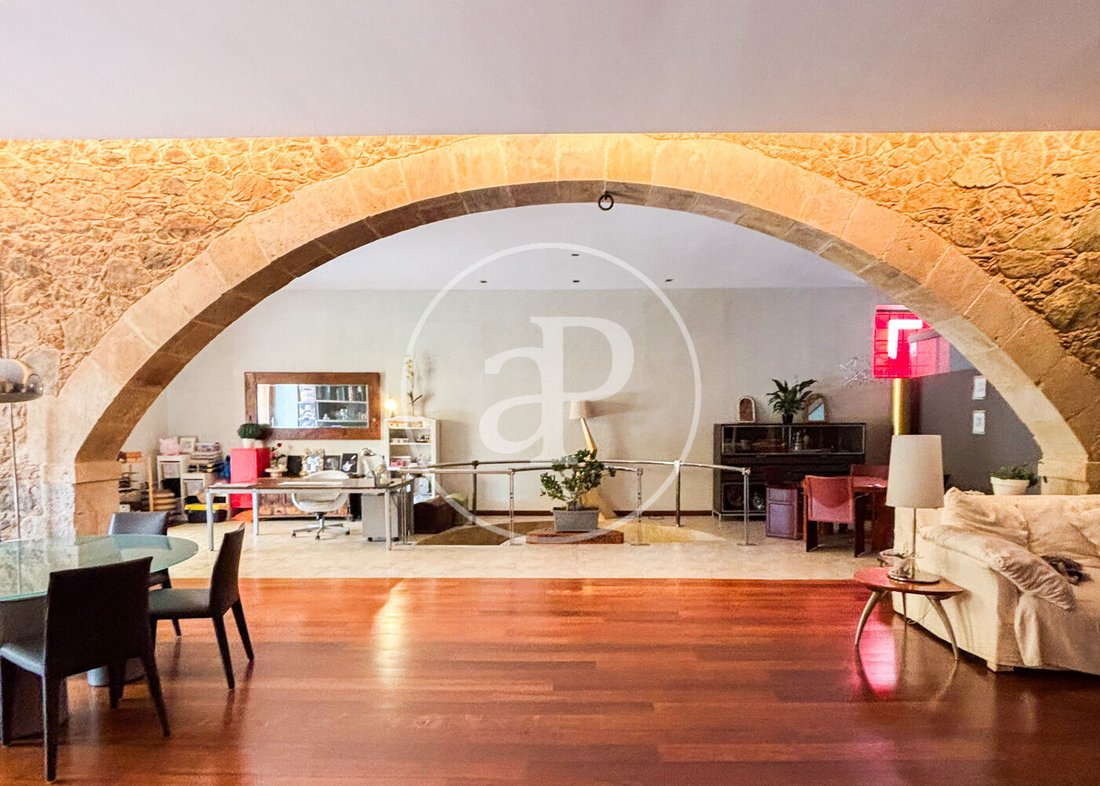
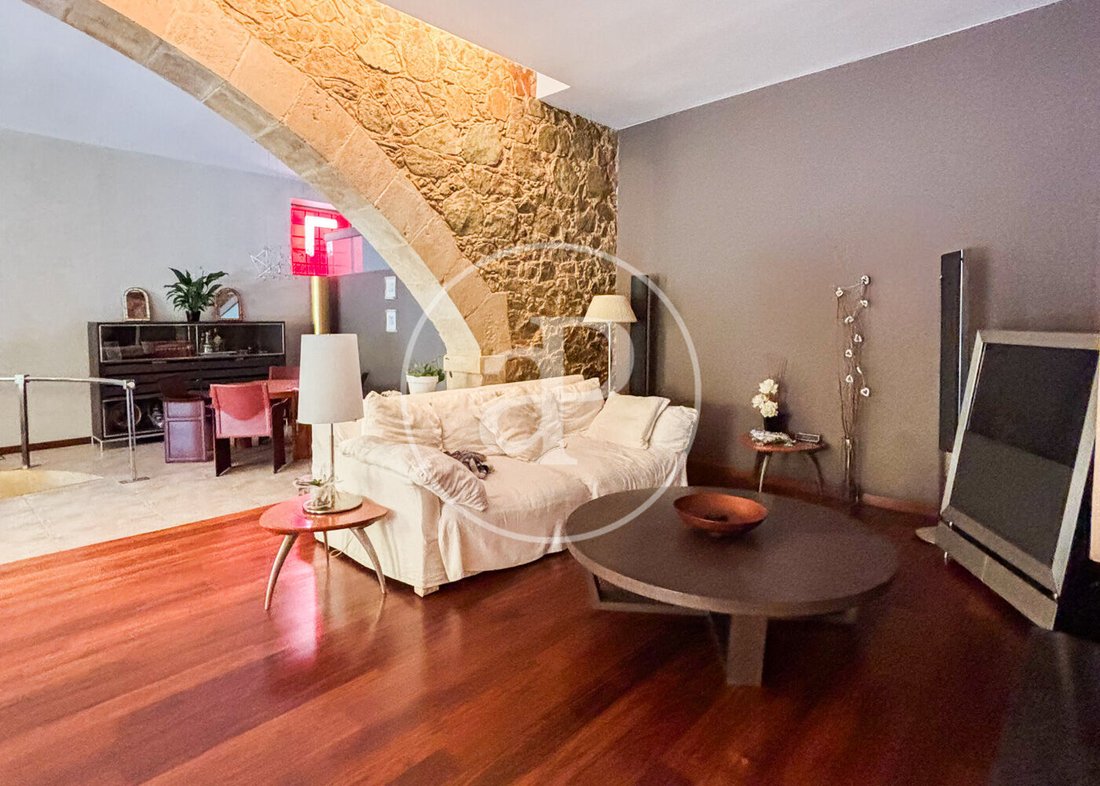
En la casa aún existe la argolla de hierro de donde colgaban las balanzas de pesaje, está incrustada en el arco de piedra de Montjuic que mide 10 m. de luz por 3 m. de altura y que preside el doble salón.
A finales del siglo XIX, con la desamortización de Mendizabal, la casa es expropiada a la Iglesia y sacada a subasta, es adquirida como segunda residencia por la familia Padró, de la alta burguesía catalana, que introduce reformas decorativas de acuerdo con las tendencias de la época, consistentes en tapar los elementos de piedra de la casa. Se cree que es entonces cuando desaparecen unas grandes tinas de barro destinadas a contener vino, puesto que la zona era de cultivo vinícola y que se ha mantenido hasta nuestros días con la D.O. Alella.
A principio de los años 80 la familia Padró vende la casa a la familia Mola, industriales de Barcelona, que la mantienen sin reformar como residencia de vacaciones.
Ya en el año 2000 la compran los actuales propietarios, que en vista del deterioro en que se encuentra la edificación la somete a una restauración total e integral, recuperando todos los elementos originales del siglo XVII, saneando y actualizando las instalaciones.
La obra dura dos años, la casa esta catalogada como patrimonio histórico artístico.
Situada en el casco antiguo, es una edificación independiente rodeada de un entorno inalterable, con privacidad tanto en el interior de la casa como en el jardín a pesar de encontrarse en el centro de la población a escasos metros de todos los servicios.
Dice la leyenda que durante los años en que la Iglesia era la propietaria se construyó un pasadizo subterráneo desde la parte de atrás de la casa hasta la vecina iglesia de Sant Marti, bajo la plaza del mismo nombre, para que los religiosos no tuvieran que pisar la calle.
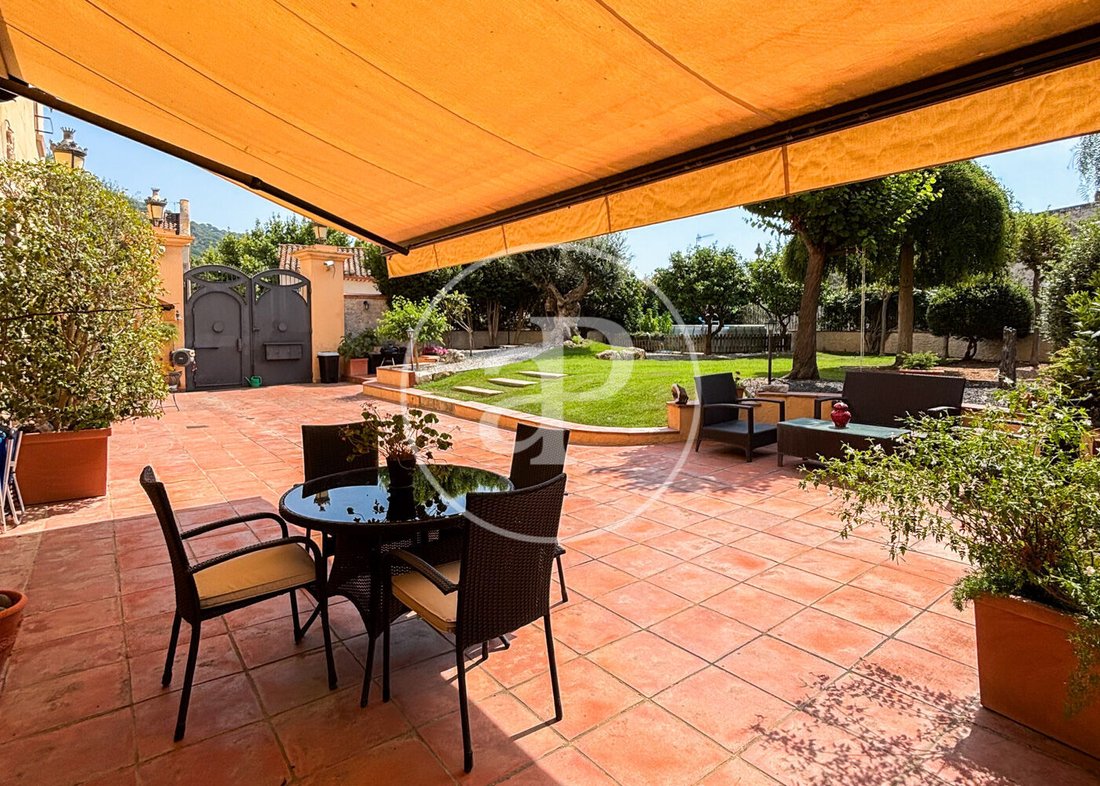
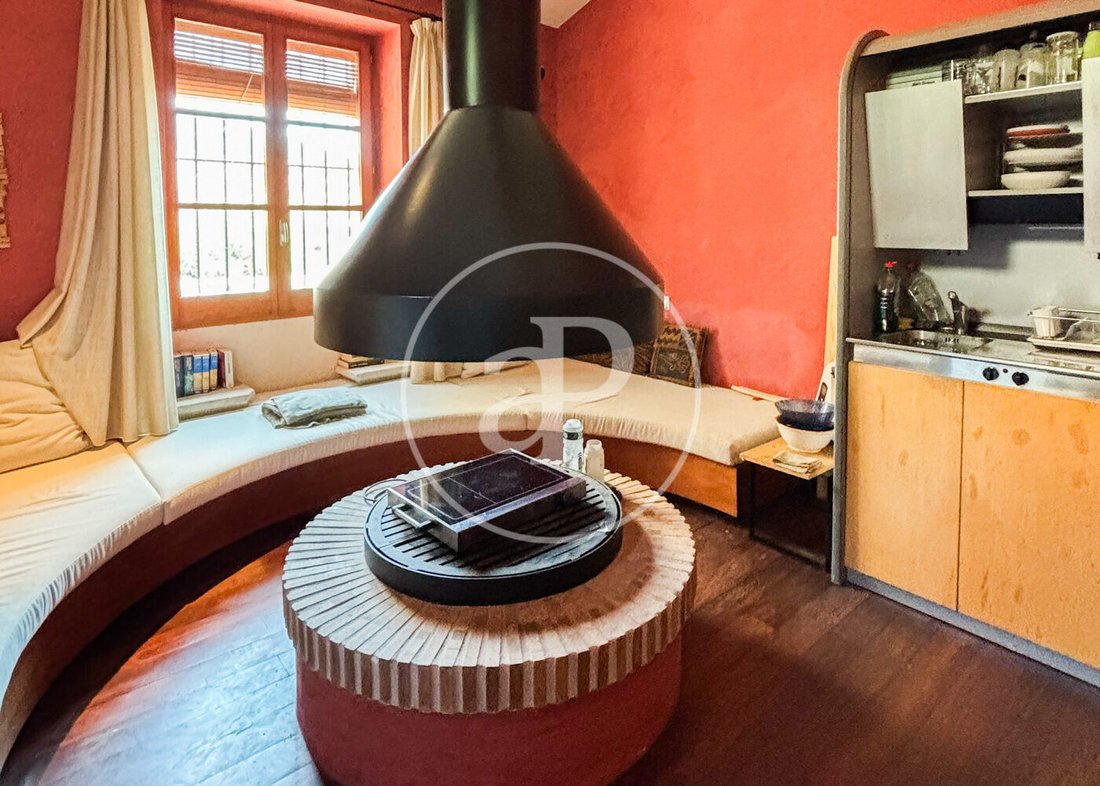
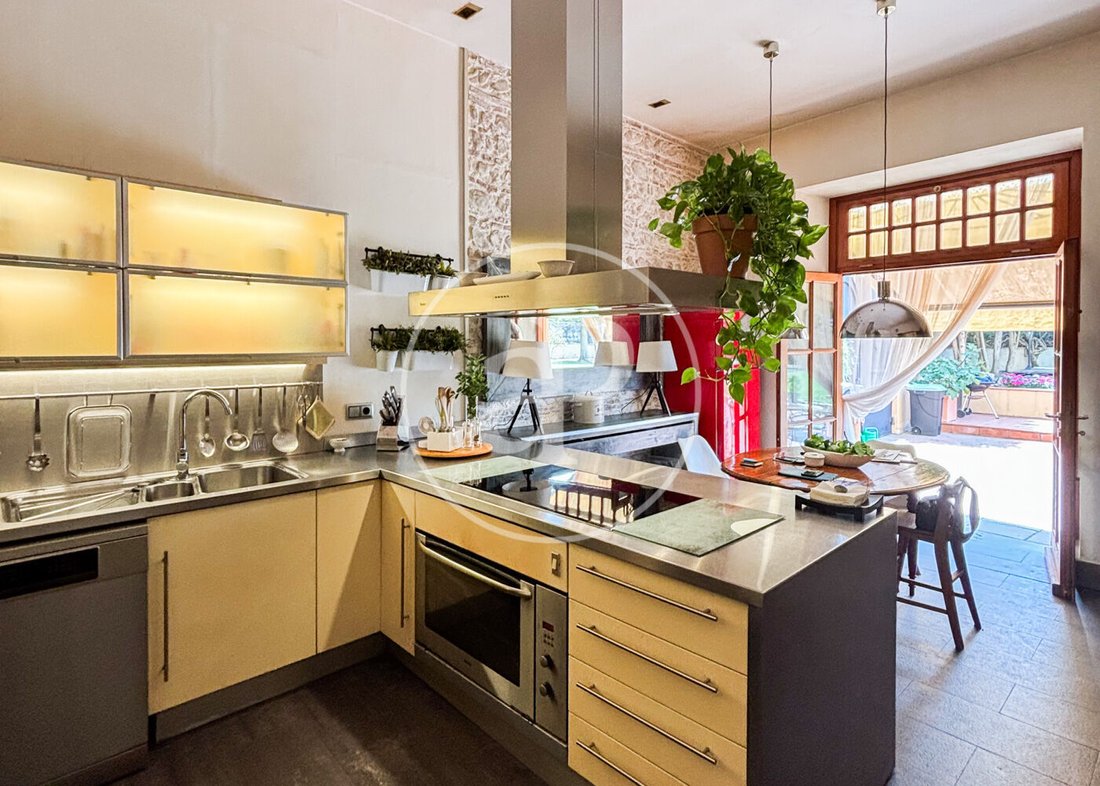
Elevación de refinamiento en cada planta: esta majestuosa masia de 1 100 m² en tres niveles, conectados con elegancia por un ascensor privado, despliega una experiencia excepcional. Con acabados premium, chimeneas originales, suelo radiante y un horno clásico en la cocina, la residencia fluye con gracia y carácter. La suite principal, un santuario en la última planta, integra vestidor, sauna y duchas exclusivas; un espacio pensado para el bienestar absoluto. Rodeada por un jardín sereno de casi 700 m² y con vistas recortadas al mar y al pueblo, ofrece un oasis de privacidad. Además, el garaje cubierto para seis vehículos subraya la comodidad sin concesiones de esta propiedad singular.
El nombre de El Terço viene dado porque era el punto de recogida de los impuestos que se cobraban a los campesinos, el tercio: un tercio para la Iglesia, un tercio para el ejército y un tercio para el Pagés.
En la casa aún existe la argolla de hierro de donde colgaban las balanzas de pesaje, está incrustada en el arco de piedra de Montjuic que mide 10 m. de luz por 3 m. de altura y que preside el doble salón.
A finales del siglo XIX, con la desamortización de Mendizabal, la casa es expropiada a la Iglesia y sacada a subasta, es adquirida como segunda residencia por la familia Padró, de la alta burguesía catalana, que introduce reformas decorativas de acuerdo con las tendencias de la época, consistentes en tapar los elementos de piedra de la casa. Se cree que es entonces cuando desaparecen unas grandes tinas de barro destinadas a contener vino, puesto que la zona era de cultivo vinícola y que se ha mantenido hasta nuestros días con la D.O. Alella.
A principio de los años 80 la familia Padró vende la casa a la familia Mola, industriales de Barcelona, que la mantienen sin reformar como residencia de vacaciones.
Ya en el año 2000 la compran los actuales propietarios, que en vista del deterioro en que se encuentra la edificación la somete a una restauración total e integral, recuperando todos los elementos originales del siglo XVII, saneando y actualizando las instalaciones.
La obra dura dos años, la casa esta catalogada como patrimonio histórico artístico.
Situada en el casco antiguo, es una edificación independiente rodeada de un entorno inalterable, con privacidad tanto en el interior de la casa como en el jardín a pesar de encontrarse en el centro de la población a escasos metros de todos los servicios.
Dice la leyenda que durante los años en que la Iglesia era la propietaria se construyó un pasadizo subterráneo desde la parte de atrás de la casa hasta la vecina iglesia de Sant Marti, bajo la plaza del mismo nombre, para que los religiosos no tuvieran que pisar la calle.
Elevación de refinamiento en cada planta: esta majestuosa masia de 1 100 m² en tres niveles, conectados con elegancia por un ascensor privado, despliega una experiencia excepcional. Con acabados premium, chimeneas originales, suelo radiante y un horno clásico en la cocina, la residencia fluye con gracia y carácter. La suite principal, un santuario en la última planta, integra vestidor, sauna y duchas exclusivas; un espacio pensado para el bienestar absoluto. Rodeada por un jardín sereno de casi 700 m² y con vistas recortadas al mar y al pueblo, ofrece un oasis de privacidad. Además, el garaje cubierto para seis vehículos subraya la comodidad sin concesiones de esta propiedad singular.
Cal Terçó is a basilica-style farmhouse dating back to the 17th century. Although the exact date of construction is unknown, records show that the Church acquired it in 1708, noting it was already an old house. When the Church took over the property, it renovated and enhanced it, placing on its façade the coat of arms of the Order of the Mercedarians, belonging to the Archdiocese of Barcelona, which at the same time was restoring the nearby church of Sant Martí.
The name El Terçó comes from its historical role as the collection point for taxes paid by farmers — one third for the Church, one third for the army, and one third for the farmer.
The house still preserves the original iron ring where weighing scales were hung, embedded in the Montjuïc stone arch that spans 10 meters wide by 3 meters high, presiding over the double living room.
At the end of the 19th century, following Mendizábal’s disentailment, the house was confiscated from the Church and auctioned. It was acquired as a second residence by the Padró family, part of Catalonia’s upper bourgeoisie, who introduced decorative modifications in line with the period’s tastes, covering the stone elements of the house. It is believed that around this time the large clay wine vats disappeared, as the area was devoted to vineyards — a tradition that continues today under the D. O. Alella designation.
In the early 1980s, the Padró family sold the house to the Mola family, industrialists from Barcelona, who kept it unaltered as a holiday residence.
In 2000, the current owners purchased the property. Given its state of deterioration, they undertook a complete and meticulous restoration, recovering all the original 17th-century elements while upgrading and modernizing the facilities.
The renovation lasted two years, and the house is now officially listed as artistic and historical heritage.
Located in the old town, this independent property enjoys a unique, unspoiled setting, offering privacy both inside the home and in the garden, despite being just a few meters from all amenities.
Legend has it that during the Church’s ownership, a secret underground passage was built from the back of the house to the neighboring church of Sant Martí, under the square of the same name, so the clergy could move without stepping outside.
Refinement on every level: this majestic 1,100 m² masia spans three floors, elegantly connected by a private lift, delivering an exceptional living experience. With premium finishes, original fireplaces, underfloor heating, and a traditional oven in the kitchen, the residence flows with grace and character. The master suite, a sanctuary on the top floor, includes a walk-in closet, sauna, and exclusive showers — a space designed for absolute well-being. Surrounded by a serene garden of nearly 700 m² and offering partial views of the sea and the village, it provides an oasis of privacy. In addition, a covered garage for six vehicles highlights the uncompromising comfort of this singular property.
Nº AICAT: 8446
The name El Terçó comes from its historical role as the collection point for taxes paid by farmers — one third for the Church, one third for the army, and one third for the farmer.
The house still preserves the original iron ring where weighing scales were hung, embedded in the Montjuïc stone arch that spans 10 meters wide by 3 meters high, presiding over the double living room.
At the end of the 19th century, following Mendizábal’s disentailment, the house was confiscated from the Church and auctioned. It was acquired as a second residence by the Padró family, part of Catalonia’s upper bourgeoisie, who introduced decorative modifications in line with the period’s tastes, covering the stone elements of the house. It is believed that around this time the large clay wine vats disappeared, as the area was devoted to vineyards — a tradition that continues today under the D. O. Alella designation.
In the early 1980s, the Padró family sold the house to the Mola family, industrialists from Barcelona, who kept it unaltered as a holiday residence.
In 2000, the current owners purchased the property. Given its state of deterioration, they undertook a complete and meticulous restoration, recovering all the original 17th-century elements while upgrading and modernizing the facilities.
The renovation lasted two years, and the house is now officially listed as artistic and historical heritage.
Located in the old town, this independent property enjoys a unique, unspoiled setting, offering privacy both inside the home and in the garden, despite being just a few meters from all amenities.
Legend has it that during the Church’s ownership, a secret underground passage was built from the back of the house to the neighboring church of Sant Martí, under the square of the same name, so the clergy could move without stepping outside.
Refinement on every level: this majestic 1,100 m² masia spans three floors, elegantly connected by a private lift, delivering an exceptional living experience. With premium finishes, original fireplaces, underfloor heating, and a traditional oven in the kitchen, the residence flows with grace and character. The master suite, a sanctuary on the top floor, includes a walk-in closet, sauna, and exclusive showers — a space designed for absolute well-being. Surrounded by a serene garden of nearly 700 m² and offering partial views of the sea and the village, it provides an oasis of privacy. In addition, a covered garage for six vehicles highlights the uncompromising comfort of this singular property.
Nº AICAT: 8446
-
Tipo de propiedad
Casa de Campo
-
Año de construcción
1708
-
Precio/pie²
$206
-
Emisiones
D
-
Consumo
D
Características
Explorar la zona
old town, Teià, 08329, Spain
Ver en Google Maps
Precio por sqft
Bajo
Alto
Se unió hace 2 años
Usted ha preguntado por esta propiedad
El agente se comunicará con usted pronto por
Publicado por
1440
Anuncios
2024
Se unió
Reserva una visita con the agent
Elija una fecha y si prefiere una visita virtual o presencial con el agente.
Fecha preferida
Tipo de tour
aProperties is a real estate agency specializing in the renting and selling of exclusive properties in the best ar
aProperties is a real estate agency specializing in the renting and selling of exclusive properties in the best areas. It boasts a broad portfolio of properties as well as a team of highly qualified professionals with extensive experience in the real estate sector. aProperties offers service whereby its clients can follow each step of the entire process that the purchasing, selling or renting of a property requires. Also, a personal agent attends to any doubts that may arise throughout the process of any of these operations. As of 2019, aProperties has had a new business unit, aProperties Offices, which is specialized in renting and selling exclusive offices in the prime areas in Barcelona, Madrid and Valencia. This brand was born with the purpose of offering an intimate, personalized and efficient service for those companies that need new spaces to develop their business as well as helping those property owners who want to get the most out of their office space assets. With its broad portfolio of properties in the main Business Center Districts in Madrid, Barcelona and Valencia, aProperties Offices and its specialized and highly qualified agents have extensive experience in this sector.
Última actualización
Marzo 27
Primera publicación
Septiembre 3, 2025
Referencia del anuncio
VBM2508002
Propiedades similares cercanas
Nuevos anuncios en Teyá



Explorar más viviendas en venta
Teyá, Cataluña, España tipos de propiedad
Teyá, Cataluña, España búsquedas populares
- Propiedades Vista al Campo de Golf en Teyá, Cataluña, España
- Propiedades Duplex en Teyá, Cataluña, España
- Propiedades Frente al Agua en Teyá, Cataluña, España
- Propiedades Cima de una colina en Teyá, Cataluña, España
- Propiedades Frente al Mar en Teyá, Cataluña, España
- Propiedades con Helipuerto en Teyá, Cataluña, España
- Propiedades Frente al mar en Teyá, Cataluña, España
- Propiedades Frente a la Playa en Teyá, Cataluña, España
Guías e historias relacionadas
La confianza de los mejores brokers del mundo
Los agentes tras las propiedades más excepcionales del mundo publican en JamesEdition.
- Anuncios de Sotheby's, Christie's, BARNES y Engel & Völkers
- Cada anuncio se revisa antes de publicarse
- Conecte directamente con agentes verificados
Al continuar, acepta nuestros Términos y la Política de Privacidad.