$4,304,364
Una Casa De Campo Del Siglo XVIII De 600 M², Con Piscina Natural, Parque Y 19 Hectáreas
- 10 Hab.
- 9 Baños
- 6,459 Sqft
- 2,089 Sqft lot
- Actualizado: Septiembre 26
- 20
Sobre la propiedad
La descripción se tradujo automáticamente.
La descripción se muestra en el idioma original.
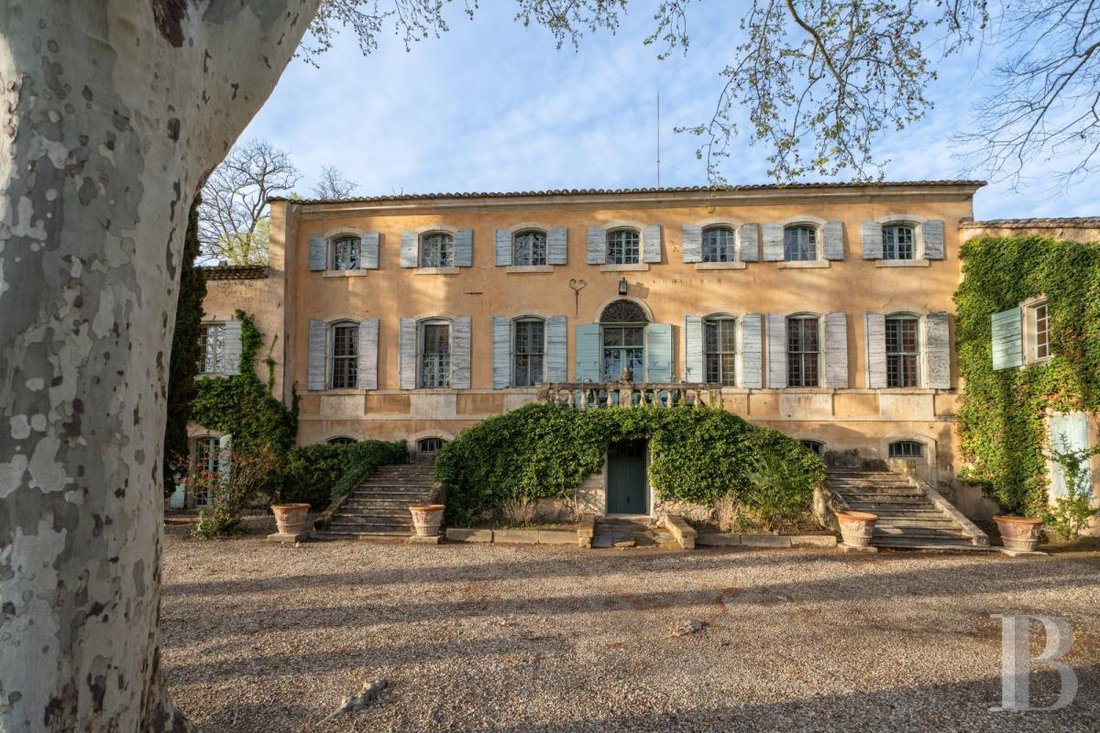
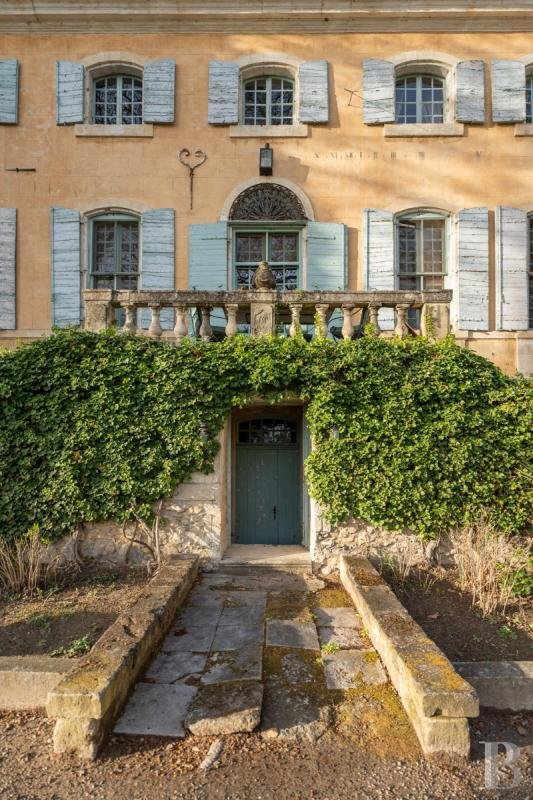
Una casa de campo del siglo XVIII de 600 m², con piscina natural, parque y finca de olivos de 19 hectáreas, a 15 minutos de la estación de TGV de Aviñón. Se trata de una bastida con una historia que no es fácil de desvelar.
Su nombre provenzal, que significa «preservar y respetar», bien puede referirse a una práctica masónica que existía en las logias del siglo XVIII, pero que desde enton
Su nombre provenzal, que significa «preservar y respetar», bien puede referirse a una práctica masónica que existía en las logias del siglo XVIII, pero que desde enton
An 18th-century country house of 600 m², with natural swimming pool, park and 19-hectare olive-growing estate, 15 minutes from Avignon TGV station. This is a bastide with a history that is not easily unveiled.
Its Provence name, which means ”to preserve and respect”, may well refer to a Masonic practice that existed in 18th-century lodges but has since disappeared. And it was precisely at
Its Provence name, which means ”to preserve and respect”, may well refer to a Masonic practice that existed in 18th-century lodges but has since disappeared. And it was precisely at
Una casa de campo del siglo XVIII de 600 m², con piscina natural, parque y finca de olivos de 19 hectáreas, a 15 minutos de la estación de TGV de Aviñón. Se trata de una bastida con una historia que no es fácil de desvelar.
Su nombre provenzal, que significa «preservar y respetar», bien puede referirse a una práctica masónica que existía en las logias del siglo XVIII, pero que desde entonces ha desaparecido. Y fue precisamente en esta época cuando se construyó la bastida, probablemente sobre cimientos medievales preexistentes.
Un símbolo en el centro de la majestuosa puerta de entrada de hierro forjado del parque aumenta el misterio: un hexagrama, o «estrella de David», sugiere que la finca pudo haber pertenecido a un banquero judío al servicio del papado de Aviñón.
Sin embargo, no hay registros oficiales que respalden esta hipótesis, que se ha convertido en una leyenda local. Hay que recordar que el hexagrama es una figura decorativa que se encuentra en el simbolismo arquitectónico cristiano, hindú, japonés y árabe preislámico; las seis ramas de la estrella representan los seis días de trabajo, y el séptimo día, el día de descanso, en el centro hueco de la geometría.
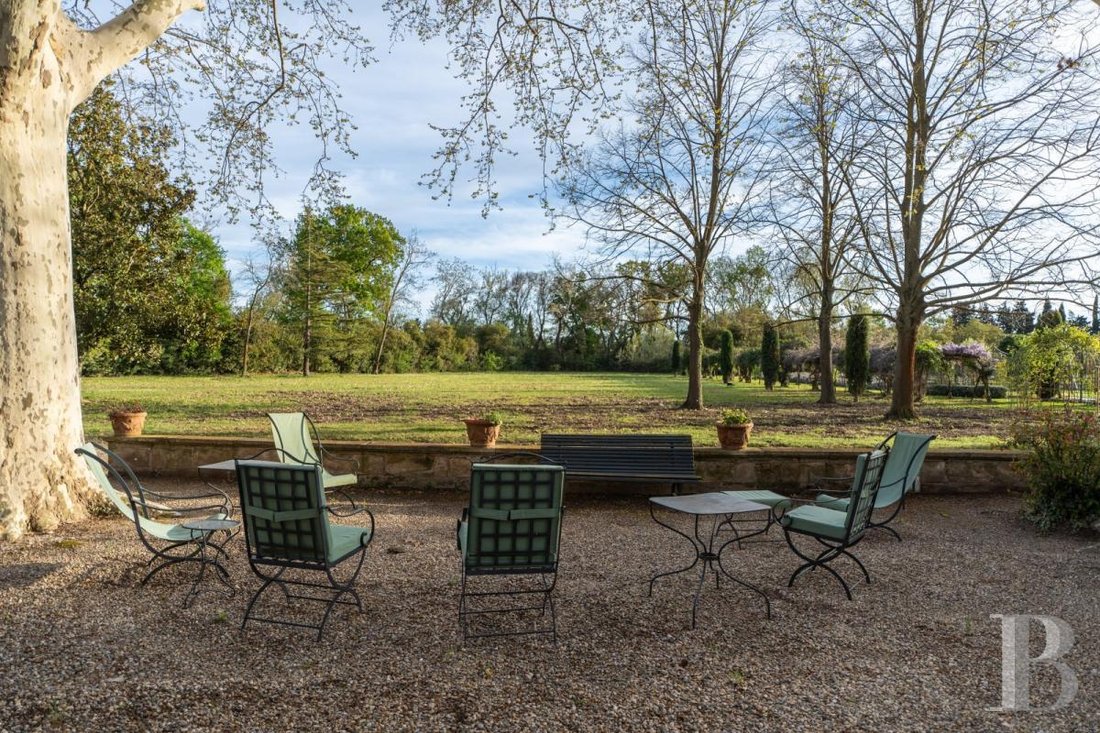
La residencia, rodeada de unas 4 hectáreas de zonas verdes arboladas, está situada en el extremo sureste de un olivar de 15 hectáreas, atravesado por senderos a cuadros. Algunos de los senderos de tierra discurren junto a uno de los diques altos que protegen la propiedad del río Ródano, que proporciona a toda la finca una cantidad de limo muy envidiable y un suministro constante de agua.
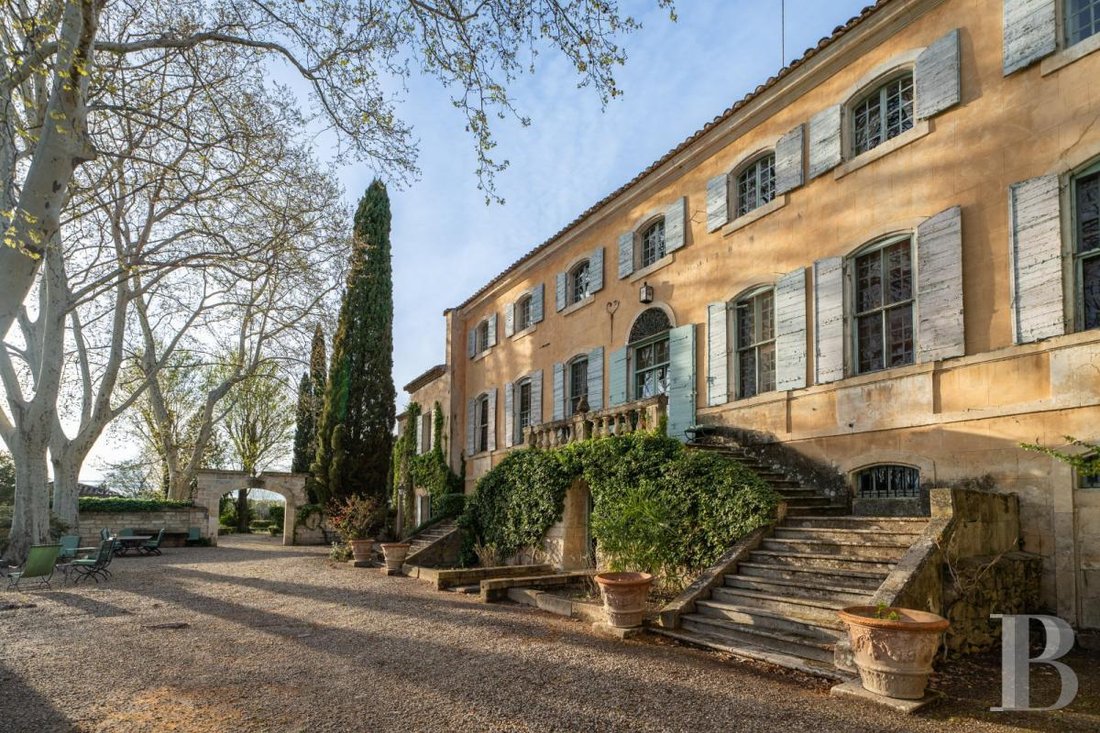
La bastida, a la vez residencia aristocrática y granja, muestra todas las características distintivas de su particular estilo arquitectónico. Como la construcción de un complejo de este tipo siempre lleva tiempo, los edificios cuadrados y prósperos del siglo XVIII se ampliaron a principios del siglo XIX con dos edificios contiguos inferiores.
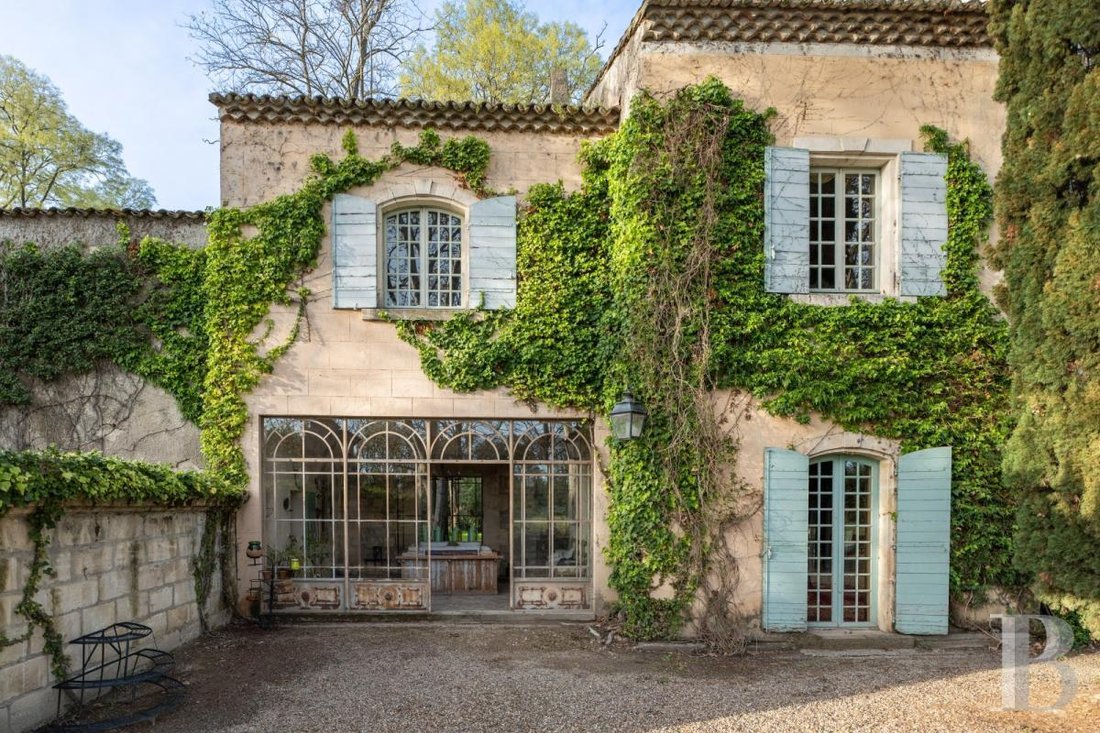
No muy lejos, un edificio anexo de una sola planta que data de finales del siglo XIX, utilizado como albergue de conserjes, garantiza desde la distancia la paz y la tranquilidad de la bastida, una verdadera «casa señorial» rodeada de su finca.
La información sobre los riesgos a los que está expuesta esta propiedad está disponible en el sitio web de Géorisques: https://www.georisques.gouv.fr/
Su nombre provenzal, que significa «preservar y respetar», bien puede referirse a una práctica masónica que existía en las logias del siglo XVIII, pero que desde entonces ha desaparecido. Y fue precisamente en esta época cuando se construyó la bastida, probablemente sobre cimientos medievales preexistentes.
Un símbolo en el centro de la majestuosa puerta de entrada de hierro forjado del parque aumenta el misterio: un hexagrama, o «estrella de David», sugiere que la finca pudo haber pertenecido a un banquero judío al servicio del papado de Aviñón.
Sin embargo, no hay registros oficiales que respalden esta hipótesis, que se ha convertido en una leyenda local. Hay que recordar que el hexagrama es una figura decorativa que se encuentra en el simbolismo arquitectónico cristiano, hindú, japonés y árabe preislámico; las seis ramas de la estrella representan los seis días de trabajo, y el séptimo día, el día de descanso, en el centro hueco de la geometría.
La residencia, rodeada de unas 4 hectáreas de zonas verdes arboladas, está situada en el extremo sureste de un olivar de 15 hectáreas, atravesado por senderos a cuadros. Algunos de los senderos de tierra discurren junto a uno de los diques altos que protegen la propiedad del río Ródano, que proporciona a toda la finca una cantidad de limo muy envidiable y un suministro constante de agua.
La bastida, a la vez residencia aristocrática y granja, muestra todas las características distintivas de su particular estilo arquitectónico. Como la construcción de un complejo de este tipo siempre lleva tiempo, los edificios cuadrados y prósperos del siglo XVIII se ampliaron a principios del siglo XIX con dos edificios contiguos inferiores.
No muy lejos, un edificio anexo de una sola planta que data de finales del siglo XIX, utilizado como albergue de conserjes, garantiza desde la distancia la paz y la tranquilidad de la bastida, una verdadera «casa señorial» rodeada de su finca.
La información sobre los riesgos a los que está expuesta esta propiedad está disponible en el sitio web de Géorisques: https://www.georisques.gouv.fr/
An 18th-century country house of 600 m², with natural swimming pool, park and 19-hectare olive-growing estate, 15 minutes from Avignon TGV station. This is a bastide with a history that is not easily unveiled.
Its Provence name, which means ”to preserve and respect”, may well refer to a Masonic practice that existed in 18th-century lodges but has since disappeared. And it was precisely at this time that the bastide was built, probably on top of pre-existing medieval foundations.
A symbol in the centre of the park’s majestic wrought-iron entrance gate adds to the mystery: a hexagram, or ’Star of David’, suggests that the estate may have belonged to a Jewish banker in the service of the Avignon papacy.
However, there are no official records to support this hypothesis, which has become a local legend. It should be remembered that the hexagram is a decorative figure found in Christian, Hindu, Japanese and pre-Islamic Arab architectural symbolism; the six branches of the star representing the six days of work, with the seventh day, the day of rest, in the hollowed-out centre of the geometry.
The residence, surrounded by around 4 hectares of wooded parklands, is situated at the south-east end of a 15-hectare olive grove, criss-crossed by chequered tracks. Some of the earth paths run alongside one of the high dykes protecting the property from the Rhone River, which provides the entire estate with a much-envied wealth of silt and a constant supply of water.
The bastide, at once an aristocratic residence and a farmhouse, displays all the distinctive features of its particular architectural style. As the construction of such a complex always takes time, the square, affluent 18th-century buildings were extended at the beginning of the 19th century by two lower adjoining buildings.
Not far away, a single-storey outbuilding dating from the late 19th century, used as a caretaker’s lodge, ensures from a distance that the peace and quiet of the bastide, a true ”manor house” surrounded by its estate, is preserved.
La información sobre los riesgos a los que está expuesta esta propiedad está disponible en el sitio web de Géorisques: https://www.georisques.gouv.fr/
Its Provence name, which means ”to preserve and respect”, may well refer to a Masonic practice that existed in 18th-century lodges but has since disappeared. And it was precisely at this time that the bastide was built, probably on top of pre-existing medieval foundations.
A symbol in the centre of the park’s majestic wrought-iron entrance gate adds to the mystery: a hexagram, or ’Star of David’, suggests that the estate may have belonged to a Jewish banker in the service of the Avignon papacy.
However, there are no official records to support this hypothesis, which has become a local legend. It should be remembered that the hexagram is a decorative figure found in Christian, Hindu, Japanese and pre-Islamic Arab architectural symbolism; the six branches of the star representing the six days of work, with the seventh day, the day of rest, in the hollowed-out centre of the geometry.
The residence, surrounded by around 4 hectares of wooded parklands, is situated at the south-east end of a 15-hectare olive grove, criss-crossed by chequered tracks. Some of the earth paths run alongside one of the high dykes protecting the property from the Rhone River, which provides the entire estate with a much-envied wealth of silt and a constant supply of water.
The bastide, at once an aristocratic residence and a farmhouse, displays all the distinctive features of its particular architectural style. As the construction of such a complex always takes time, the square, affluent 18th-century buildings were extended at the beginning of the 19th century by two lower adjoining buildings.
Not far away, a single-storey outbuilding dating from the late 19th century, used as a caretaker’s lodge, ensures from a distance that the peace and quiet of the bastide, a true ”manor house” surrounded by its estate, is preserved.
La información sobre los riesgos a los que está expuesta esta propiedad está disponible en el sitio web de Géorisques: https://www.georisques.gouv.fr/
-
Tipo de propiedad
Casa
-
Pisos
2
-
Precio/pie²
$666
-
Emisiones
E
-
Consumo
E
Explorar la zona
Centre Ville Nord, Tarascon, Francia
Ver en Google Maps
Precio por sqft
Bajo
Alto
Located in the heart of Provence, Tarascon offers convenient access to both cultural and natural attractions. The charming town is approximately 25 minutes from Avignon and its train station for easy regional and international connections. The area is renowned for its historic architecture, vibrant markets, and the nearby Alpilles for outdoor pursuits. Experience the best of Provençal culture, dining, and countryside living.
Ver lugares cercanos
Atracciones
Escuelas
Avignon TGV Station
Train Station
25 min
Marseille Provence Airport
Airport
75 min
Château de Tarascon
Culture & Heritage
5 min
Les Baux-de-Provence
Outdoor & Nature
30 min
Pont du Gard
Culture & Heritage
40 min
Internationale Schule des Alpilles
International School
35 min
Se unió hace 3 años
Usted ha preguntado por esta propiedad
El agente se comunicará con usted pronto por
Publicado por
743
Anuncios
2023
Se unió
Reserva una visita con the agent
Elija una fecha y si prefiere una visita virtual o presencial con el agente.
Fecha preferida
Tipo de tour
Última actualización
Septiembre 26
Primera publicación
Abril 12, 2024
Referencia del anuncio
731666_JE
La confianza de los mejores brokers del mundo
Los agentes tras las propiedades más excepcionales del mundo publican en JamesEdition.
- Anuncios de Sotheby's, Christie's, BARNES y Engel & Völkers
- Cada anuncio se revisa antes de publicarse
- Conecte directamente con agentes verificados
Al continuar, acepta nuestros Términos y la Política de Privacidad.