$4,446,710
São Jorge Monastery Estate In Coimbra
- 50 Hab.
- 69,966 Sqft
- 91.43 Ac lot
- Actualizado: Junio 18
- 12
Sobre la propiedad
La descripción se tradujo automáticamente.
La descripción se muestra en el idioma original.
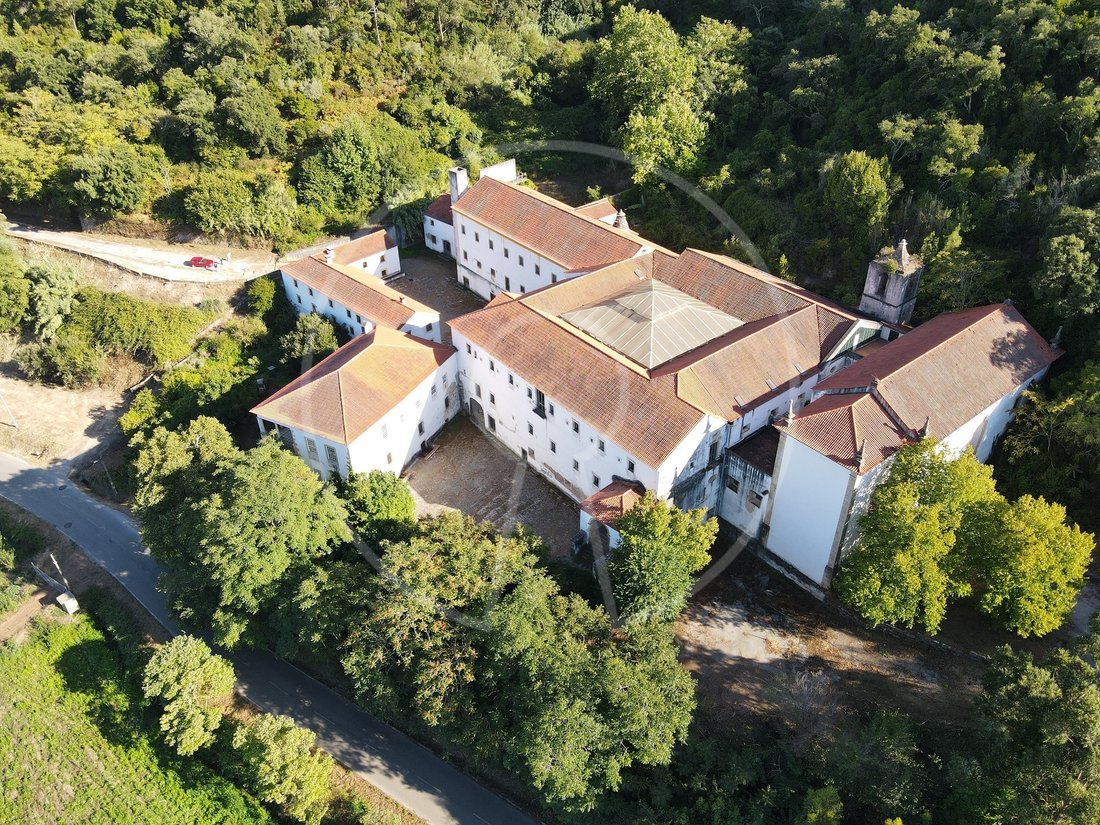
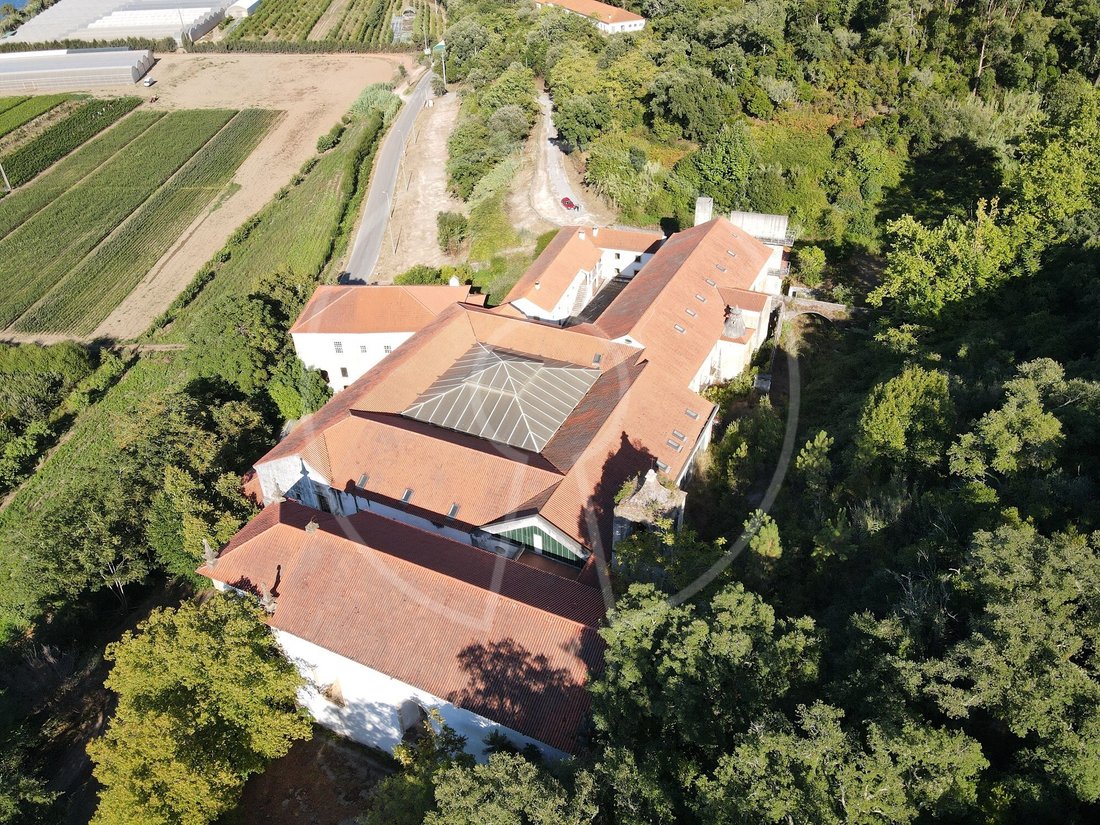
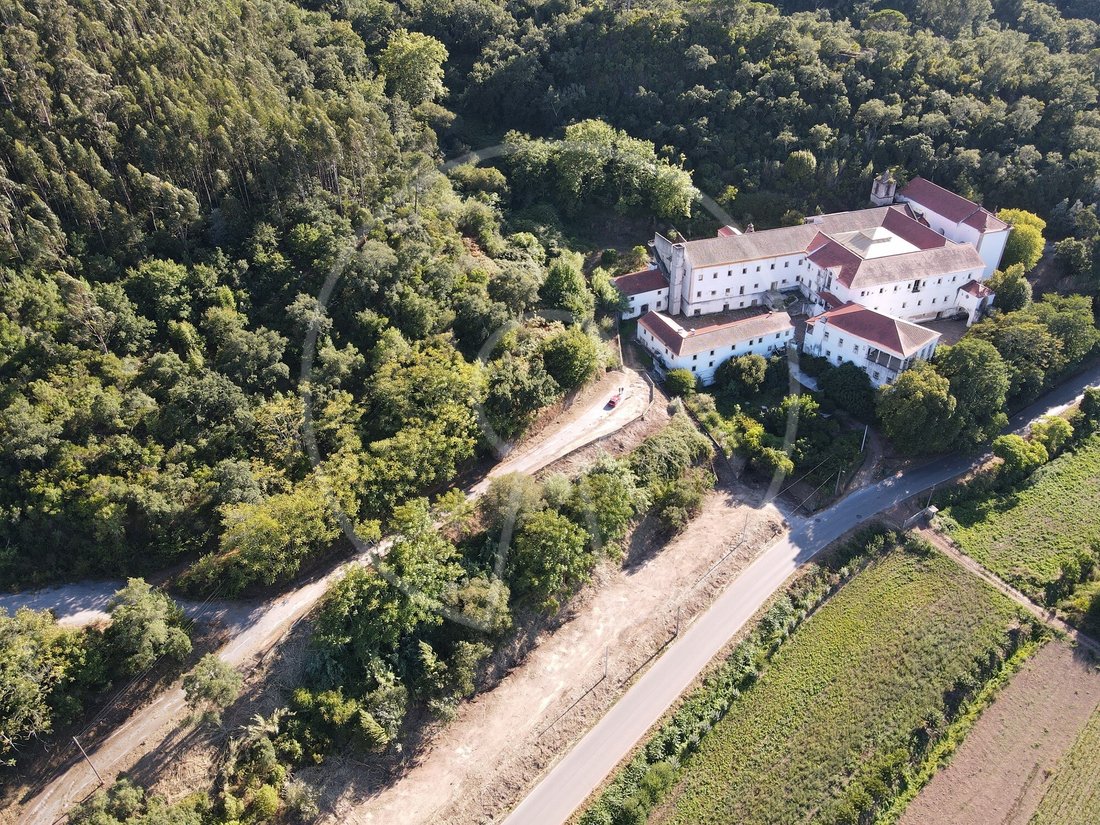
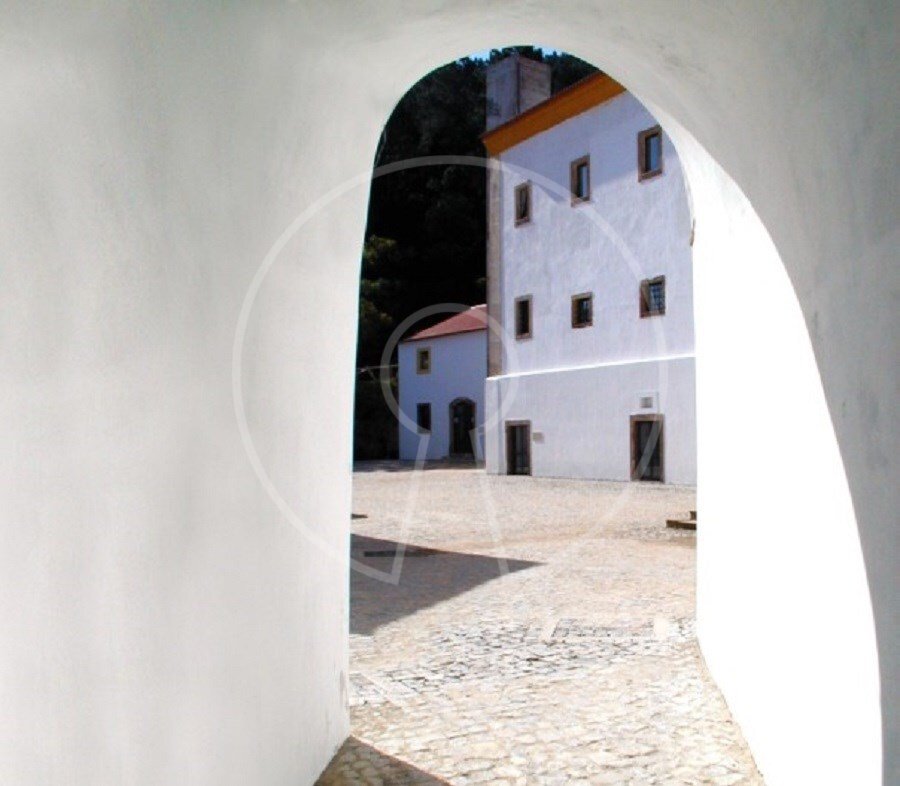
La Quinta do Mosteiro de São Jorge, una finca de 37 hectáreas compuesta por una serie de edificios de naturaleza distintiva y una vasta área de bosques y tierras de regadío, ubicada en la orilla sur del río Mondego, combina las ventajas de un entorno bucólico con la proximidad de la ciudad de Coimbra y su Universidad del Patrimonio Mundial.
La parte urbana de la propiedad tiene una super
La parte urbana de la propiedad tiene una super
Quinta do Mosteiro de São Jorge, a 37-hectare estate made up of a series of buildings of a distinctive nature and a vast area of woodland and irrigated land, located on the south bank of the River Mondego, combines the advantages of a bucolic setting with the proximity of the city of Coimbra and its World Heritage University.
The urban part of the property has a built-up area of around 6
The urban part of the property has a built-up area of around 6
La Quinta do Mosteiro de São Jorge, una finca de 37 hectáreas compuesta por una serie de edificios de naturaleza distintiva y una vasta área de bosques y tierras de regadío, ubicada en la orilla sur del río Mondego, combina las ventajas de un entorno bucólico con la proximidad de la ciudad de Coimbra y su Universidad del Patrimonio Mundial.
La parte urbana de la propiedad tiene una superficie construida de unos 6.500 m², dividida en tres cuerpos distintos, que incluyen el claustro, la iglesia, el refectorio de los frailes, una pequeña capilla junto a la celda de los monjes, así como un gran balcón en esquina del siglo XVII con una magnífica vista del Mondego, azulejos barrocos en la mayor parte del edificio y una pintura de André Gonçalves que data de 1751.
Aunque la fundación del Monasterio de San Jorge está envuelta en misterio, las leyendas milagrosas lo sitúan a principios del siglo XI y, a mediados del siglo siguiente, estaba habitado por los canónigos de San Agustín.
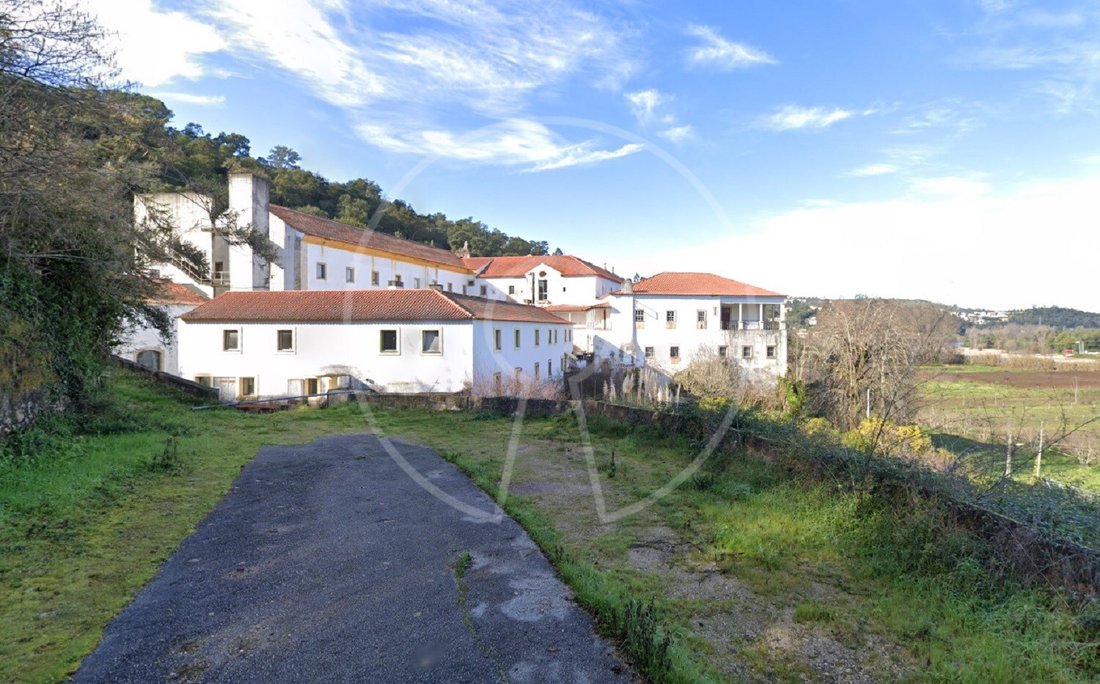
Con la excepción del período comprendido entre los siglos XVI y XVIII, cuando estuvo en manos de los jesuitas, el monasterio permaneció en poder de los agustinos hasta 1834, cuando la extinción de las órdenes religiosas hizo que la Quinta y el monasterio pasaran a manos de particulares, iniciándose un camino de lenta y progresiva degradación del edificio, que lo llevó a un estado de ruina casi total.
En 1999, el Monasterio de San Jorge adquirió la Quinta e inició una amplia y exhaustiva campaña de obras para adaptarla a las necesidades de la Escuela Universitaria Vasco da Gama, que funcionó allí hasta finales de 2013.
Muy interesante para una inversión turística debido a su ubicación, su área urbanizada y su valor histórico, arquitectónico y paisajístico.
Calificación energética: En curso
#ref: LANE_7193
La parte urbana de la propiedad tiene una superficie construida de unos 6.500 m², dividida en tres cuerpos distintos, que incluyen el claustro, la iglesia, el refectorio de los frailes, una pequeña capilla junto a la celda de los monjes, así como un gran balcón en esquina del siglo XVII con una magnífica vista del Mondego, azulejos barrocos en la mayor parte del edificio y una pintura de André Gonçalves que data de 1751.
Aunque la fundación del Monasterio de San Jorge está envuelta en misterio, las leyendas milagrosas lo sitúan a principios del siglo XI y, a mediados del siglo siguiente, estaba habitado por los canónigos de San Agustín.
Con la excepción del período comprendido entre los siglos XVI y XVIII, cuando estuvo en manos de los jesuitas, el monasterio permaneció en poder de los agustinos hasta 1834, cuando la extinción de las órdenes religiosas hizo que la Quinta y el monasterio pasaran a manos de particulares, iniciándose un camino de lenta y progresiva degradación del edificio, que lo llevó a un estado de ruina casi total.
En 1999, el Monasterio de San Jorge adquirió la Quinta e inició una amplia y exhaustiva campaña de obras para adaptarla a las necesidades de la Escuela Universitaria Vasco da Gama, que funcionó allí hasta finales de 2013.
Muy interesante para una inversión turística debido a su ubicación, su área urbanizada y su valor histórico, arquitectónico y paisajístico.
Calificación energética: En curso
#ref: LANE_7193
Quinta do Mosteiro de São Jorge, a 37-hectare estate made up of a series of buildings of a distinctive nature and a vast area of woodland and irrigated land, located on the south bank of the River Mondego, combines the advantages of a bucolic setting with the proximity of the city of Coimbra and its World Heritage University.
The urban part of the property has a built-up area of around 6,500sqm, divided into three distinct bodies, including the cloister, the church, the friars’ refectory, a small chapel next to the monks’ cell, as well as a large 17th-century corner balcony with a magnificent view over the Mondego, baroque tiles throughout most of the building and a painting by André Gonçalves dating from 1751.
Although the foundation of the Monastery of St. George is shrouded in mystery, miraculous legends place it in the early 11th century and by the middle of the following century it was inhabited by the canons of St. Augustine.
With the exception of the period between the 16th and 18th centuries, when it was in the hands of the Jesuits, the monastery remained in the possession of the Augustinians until 1834, when the extinction of the religious orders meant that the Quinta and the monastery passed into the hands of private individuals, beginning a path of slow and progressive degradation of the building, which brought it to a state of almost complete ruin.
In 1999, the Monastery of St. George acquired the Quinta and began a vast and comprehensive campaign of works to adapt it to the needs of the Vasco da Gama University School, which operated there until the end of 2013.
Very interesting for a tourist investment due to its location, its built-up area and its historical, architectural and landscape value.
Energy Rating: C
#ref:LANE_7193
The urban part of the property has a built-up area of around 6,500sqm, divided into three distinct bodies, including the cloister, the church, the friars’ refectory, a small chapel next to the monks’ cell, as well as a large 17th-century corner balcony with a magnificent view over the Mondego, baroque tiles throughout most of the building and a painting by André Gonçalves dating from 1751.
Although the foundation of the Monastery of St. George is shrouded in mystery, miraculous legends place it in the early 11th century and by the middle of the following century it was inhabited by the canons of St. Augustine.
With the exception of the period between the 16th and 18th centuries, when it was in the hands of the Jesuits, the monastery remained in the possession of the Augustinians until 1834, when the extinction of the religious orders meant that the Quinta and the monastery passed into the hands of private individuals, beginning a path of slow and progressive degradation of the building, which brought it to a state of almost complete ruin.
In 1999, the Monastery of St. George acquired the Quinta and began a vast and comprehensive campaign of works to adapt it to the needs of the Vasco da Gama University School, which operated there until the end of 2013.
Very interesting for a tourist investment due to its location, its built-up area and its historical, architectural and landscape value.
Energy Rating: C
#ref:LANE_7193
-
Tipo de propiedad
Finca
-
Precio/pie²
$63
-
Emisiones
NI
-
Consumo
C
Características
Explorar la zona
Santa Clara e Castelo Viegas, Distrito de Coímbra, Portugal
Ver en Google Maps
Precio por sqft
Bajo
Alto
Se unió hace 5 años
Usted ha preguntado por esta propiedad
El agente se comunicará con usted pronto por
Publicado por
136
Anuncios
2022
Se unió
Reserva una visita con the agent
Elija una fecha y si prefiere una visita virtual o presencial con el agente.
Fecha preferida
Tipo de tour
Última actualización
Junio 18
Primera publicación
Octubre 25, 2023
Referencia del anuncio
LANE_7193-0520771602
La confianza de los mejores brokers del mundo
Los agentes tras las propiedades más excepcionales del mundo publican en JamesEdition.
- Anuncios de Sotheby's, Christie's, BARNES y Engel & Völkers
- Cada anuncio se revisa antes de publicarse
- Conecte directamente con agentes verificados
Al continuar, acepta nuestros Términos y la Política de Privacidad.