$3,352,195
Casa Cólogan La Paz: Finca Histórica En Puerto De La Cruz
- 11 Hab.
- 7 Baños
- 10,797 Sqft
- 6
Sobre la propiedad
La descripción se tradujo automáticamente.
La descripción se muestra en el idioma original.
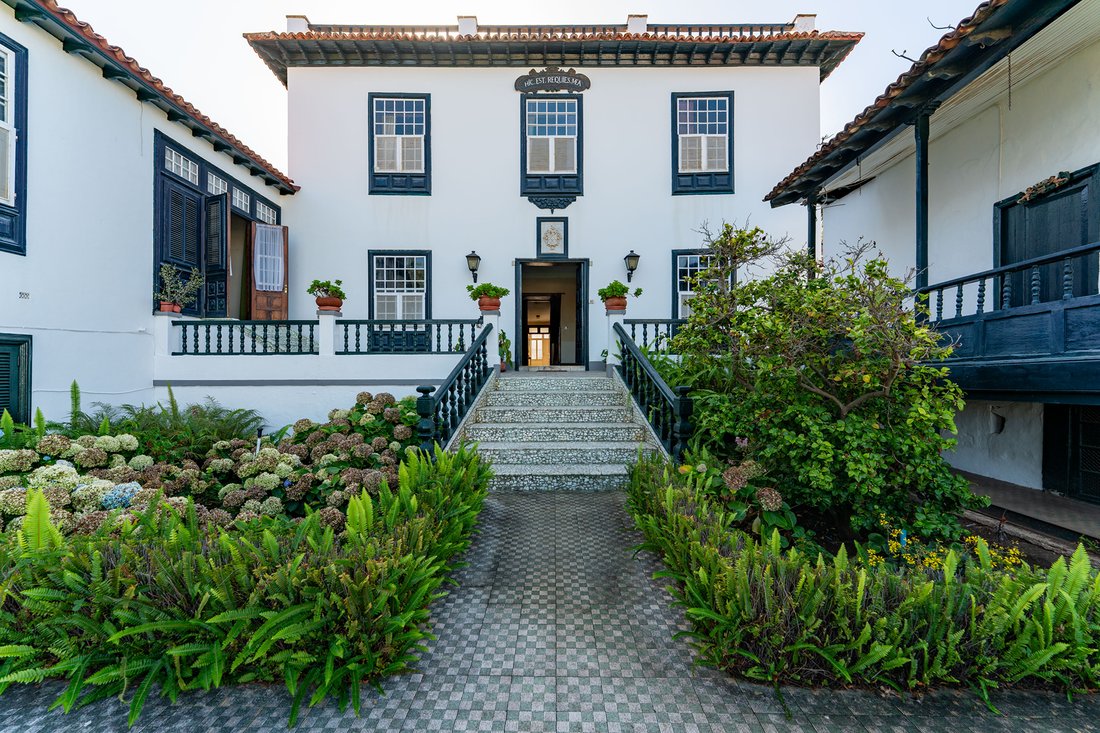
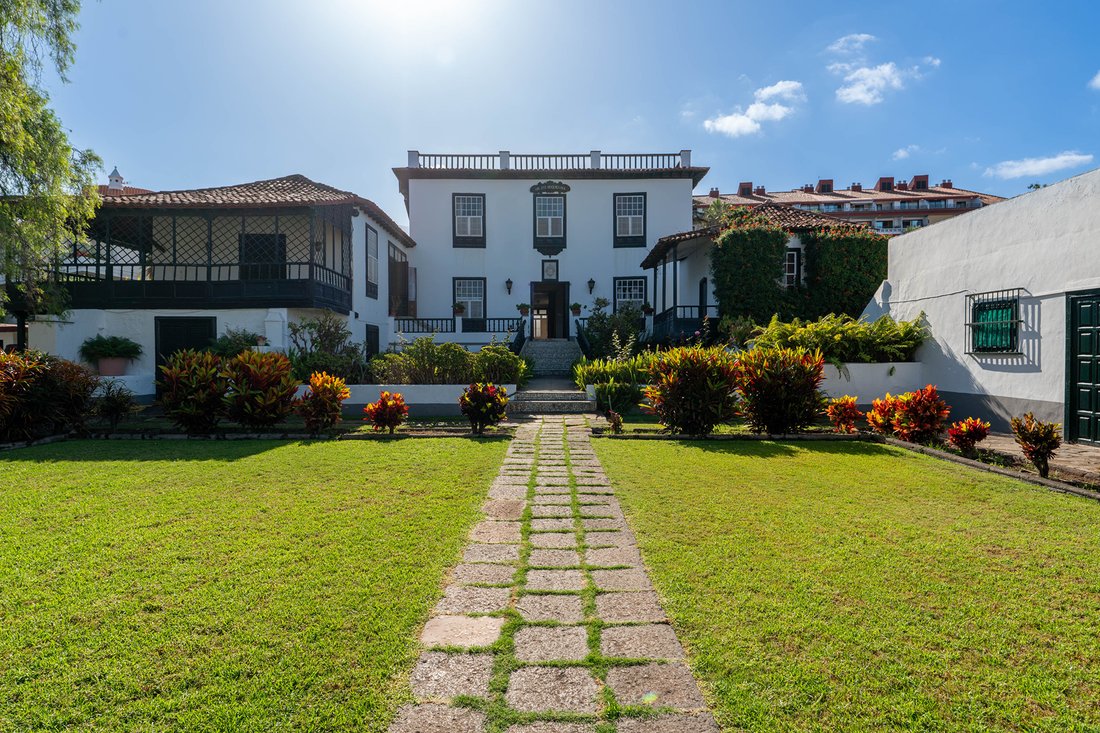
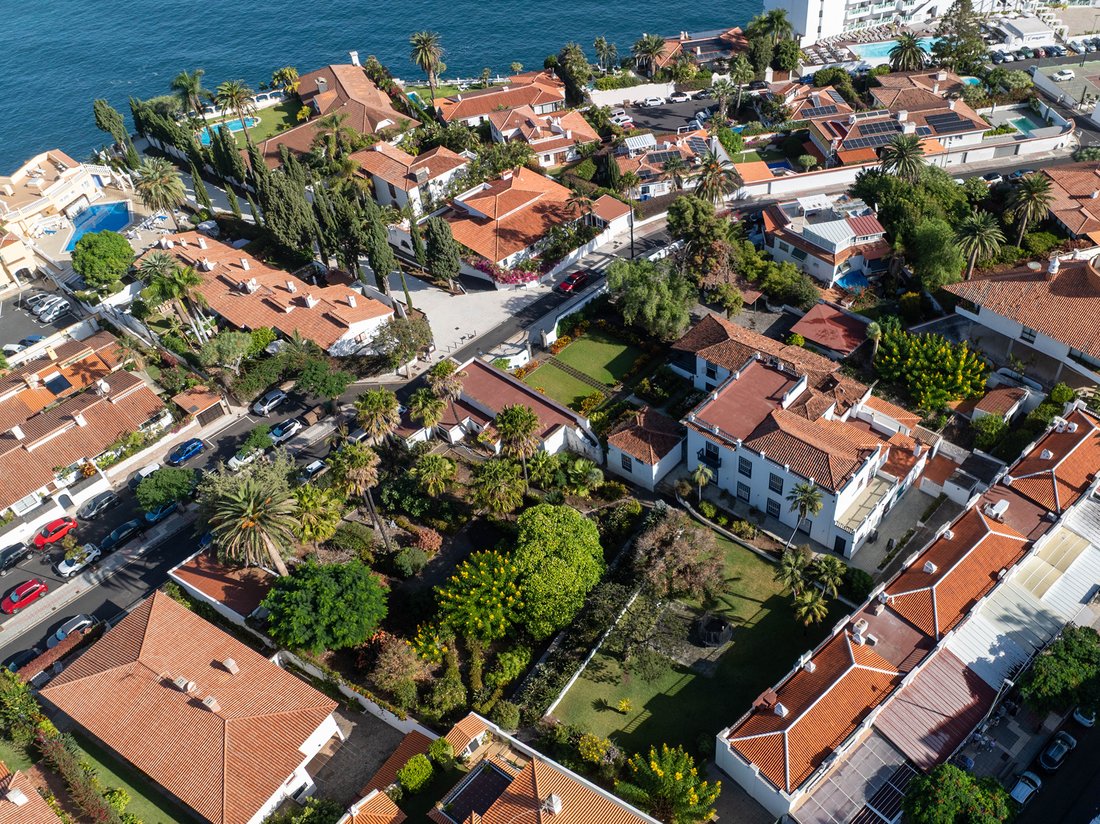
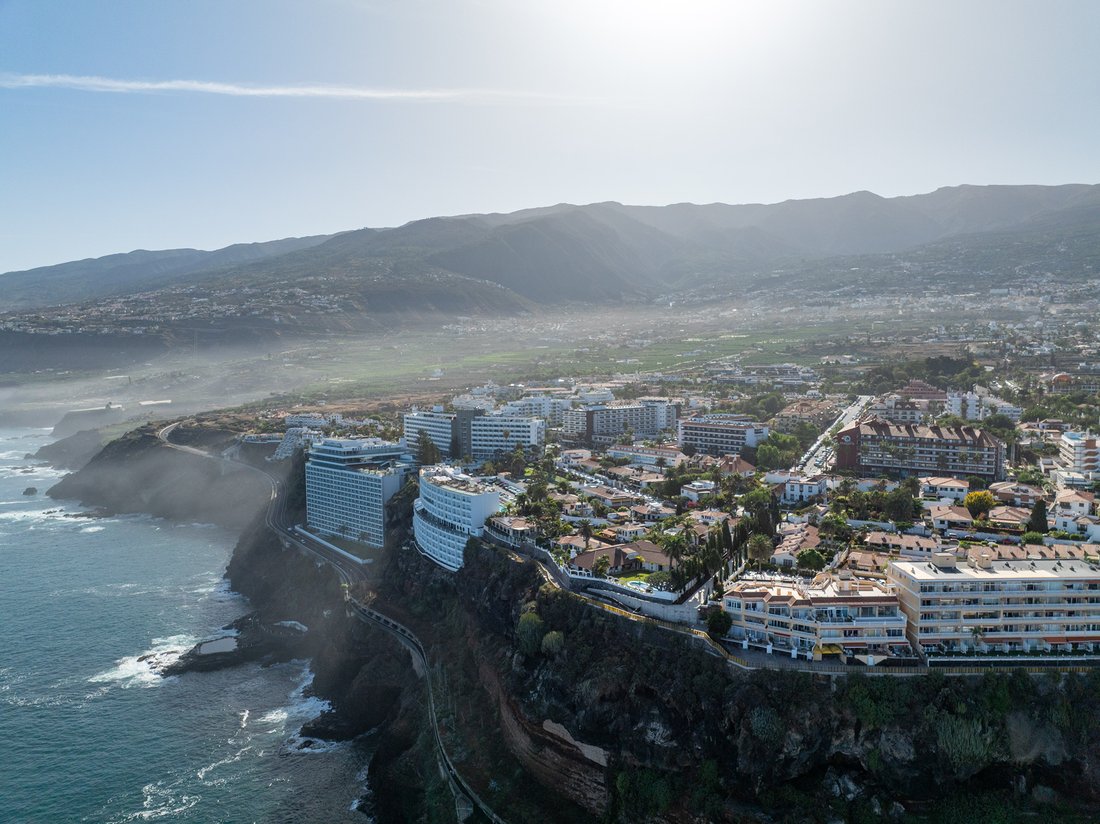
En lo alto del Puerto de la Cruz, entre jardines centenarios y el susurro del Atlántico, se alza Casa Cólogan La Paz, una de las propiedades más emblemáticas de la historia de Tenerife.
Su nombre, La Paz, no es casualidad: refleja el espíritu de descanso, serenidad y nobleza que ha acompañado a esta finca durante más de tres siglos.
Sus orígenes se remontan a 1718, cuando el irla
Su nombre, La Paz, no es casualidad: refleja el espíritu de descanso, serenidad y nobleza que ha acompañado a esta finca durante más de tres siglos.
Sus orígenes se remontan a 1718, cuando el irla
At the top of Puerto de la Cruz, among ancient gardens and the whisper of the Atlantic, stands Casa Cólogan La Paz, one of the most emblematic properties in the history of Tenerife. Its name, La Paz, is no coincidence: it reflects the spirit of rest, serenity, and nobility that has accompanied this estate for over three centuries.
Its origins date back to 1718, when the Irishman Bernardo
Its origins date back to 1718, when the Irishman Bernardo
En lo alto del Puerto de la Cruz, entre jardines centenarios y el susurro del Atlántico, se alza Casa Cólogan La Paz, una de las propiedades más emblemáticas de la historia de Tenerife.
Su nombre, La Paz, no es casualidad: refleja el espíritu de descanso, serenidad y nobleza que ha acompañado a esta finca durante más de tres siglos.
Sus orígenes se remontan a 1718, cuando el irlandés Bernardo Valois Carew adquirió los terrenos conocidos como Los Llanos de La Paz. Allí edificó una casa que más tarde pasaría a la familia Cólogan, tras su unión con Juan Cólogan Blanco, uno de los nombres más relevantes en la historia social y comercial del Puerto de la Cruz.
Desde entonces, la propiedad ha permanecido en manos de la misma familia, siendo testigo de la evolución de la isla y del nacimiento del turismo en Canarias.
Entre sus muros se ha tejido una historia fascinante: viajeros, científicos y escritores europeos encontraron aquí refugio, inspiración y amistad. Alexander von Humboldt, en su paso por Tenerife en 1799, se hospedó en esta casa, describiéndola como “un lugar que inspira calma y nobleza, donde el alma encuentra descanso entre el mar y los jardines”.
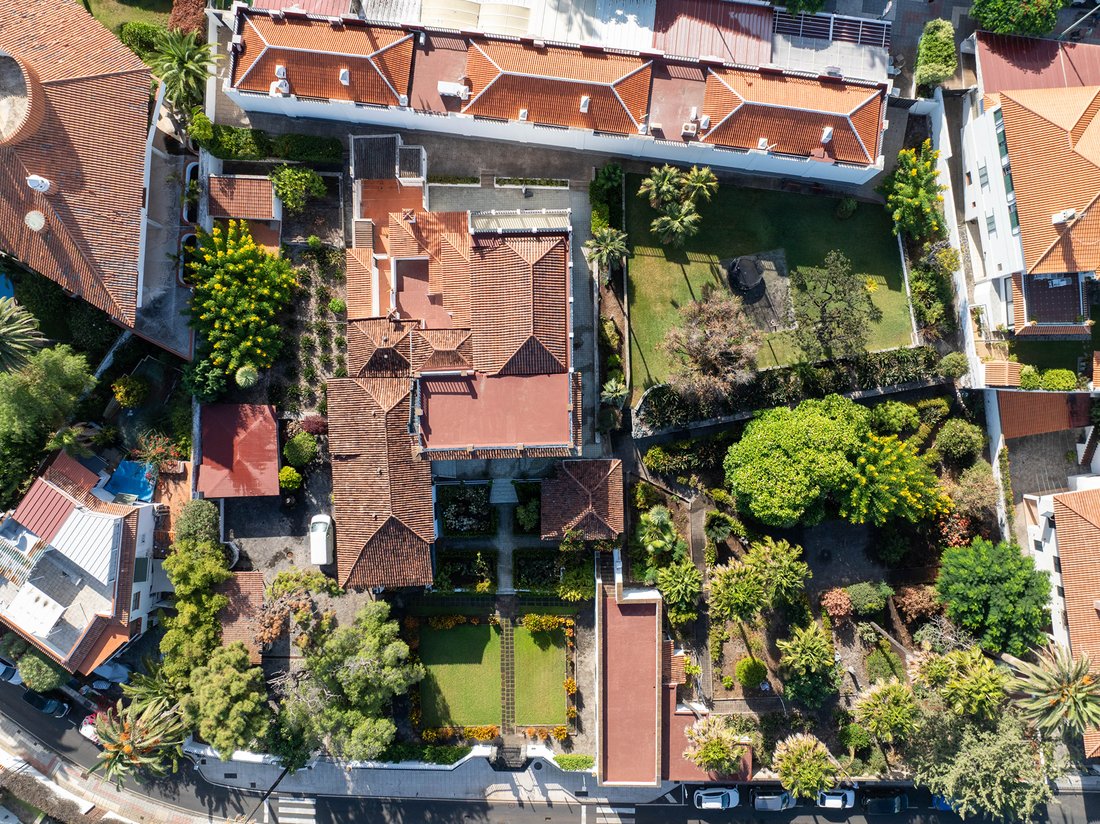
También la visitaron figuras ilustres como James Cook, Jean Charles Borda o la escritora Agatha Christie, quien se inspiró en los paseos junto al jardín de cipreses para escribir parte de su novela El misterio del señor Quin.
Hoy, Casa Cólogan La Paz no solo representa un pedazo de historia canaria, sino un símbolo de elegancia atemporal, donde el arte, la naturaleza y la memoria se entrelazan con la esencia más pura del Atlántico.
Su declaración como Bien de Interés Cultural (BIC) garantiza la protección de un patrimonio que podría transformarse en un espacio único: una residencia privada de prestigio, una embajada cultural o un retiro boutique de lujo, sin perder jamás su alma original.
Entre los cipreses centenarios y el eco de su pasado ilustre, Casa Cólogan La Paz invita a imaginar un nuevo capítulo…
At the top of Puerto de la Cruz, among ancient gardens and the whisper of the Atlantic, stands Casa Cólogan La Paz, one of the most emblematic properties in the history of Tenerife. Its name, La Paz, is no coincidence: it reflects the spirit of rest, serenity, and nobility that has accompanied this estate for over three centuries.
Its origins date back to 1718, when the Irishman Bernardo Valois Carew acquired the land known as Los Llanos de La Paz. There, he built a house that would later pass to the Cólogan family, after his union with Juan Cólogan Blanco, one of the most prominent names in the social and commercial history of Puerto de la Cruz. Since then, the property has remained in the same family, witnessing the evolution of the island and the birth of tourism in the Canary Islands.
Within its walls, a fascinating history has been woven: travelers, scientists, and European writers found refuge, inspiration, and friendship here. Alexander von Humboldt, during his visit to Tenerife in 1799, stayed at this house, describing it as a place that inspires calmness and nobility, where the soul finds rest between the sea and the gardens. Illustrious figures such as James Cook, Jean Charles Borda, and the writer Agatha Christie also visited, drawing inspiration from walks next to the cypress garden to write parts of her novel The Mysterious Mr. Quin.
Today, Casa Cólogan La Paz not only represents a piece of Canary Island history, but a symbol of timeless elegance, where art, nature, and memory intertwine with the purest essence of the Atlantic. Its designation as a Cultural Heritage Site (BIC) ensures the protection of a heritage that could be transformed into a unique space: a prestigious private residence, a cultural embassy, or a luxury boutique retreat, without ever losing its original spirit.
Among the ancient cypresses and the echo of its illustrious past, Casa Cólogan La Paz invites you to imagine a new chapter... one where history, art, and discreet luxury meet once again by the sea in Tenerife.
-
Tipo de propiedad
Casa
-
Año de construcción
1718
-
Precio/pie²
$310
Características
- Jardín
- Terraza
- Garaje
- Vista al Agua
- Vista al Mar
- Vista a la Montaña
- Vestidor
- Frente al mar
- Puerta
Características
Lote
- Vista a la Montaña
- Frente al mar
- Vista al Agua
- Vista al Mar
Interior
- Techo alto
- Isla de cocina
- Bar
- Vestidor
Outdoor
- Terraza
- Balcón
- Garaje
- Espacio de vida al aire libre
- Puerta
- Jardín
Explorar la zona
La Paz, Puerto de la Cruz, 38400, Spain
Ver en Google Maps
Precio por sqft
Bajo
Alto
Se unió hace 4 años
Usted ha preguntado por esta propiedad
El agente se comunicará con usted pronto por
Publicado por
645
Anuncios
2022
Se unió
Reserva una visita con the agent
Elija una fecha y si prefiere una visita virtual o presencial con el agente.
Fecha preferida
Tipo de tour

Spain Sotheby's International Realty
Calle Lagasca 28, 28001, Madrid, Madrid, Spain
Ver perfil de la agencia
Offering high-end properties in the city, villas and equestrian farms on the
outskirts of the city. Madrid, the
outskirts of the city. Madrid, the
Offering high-end properties in the city, villas and equestrian farms on the
outskirts of the city. Madrid, the capital of Spain, is located in the centre of
the Iberian Peninsula. It is a very active city, with a lively nightlife and
scores of daytime allures. It is home to famous museums such as El Prado,
Thyssen-Bornemisza and Reina Sofia, great historic architecture, shopping
boulevards and excellent cuisine. It has a great diversity of districts that
merit visiting.
Última actualización
Junio 17
Primera publicación
Junio 17
Enlace del anuncio
Referencia del anuncio
ZRFMMQ
Propiedades similares cercanas
Nuevos anuncios en Puerto de la Cruz

Explorar más viviendas en venta
Puerto de la Cruz, Canarias, España tipos de propiedad
Puerto de la Cruz, Canarias, España búsquedas populares
- Propiedades Frente al mar en Puerto de la Cruz, Canarias, España
- Propiedades Frente al Agua en Puerto de la Cruz, Canarias, España
- Propiedades Ecuestre en Puerto de la Cruz, Canarias, España
- Propiedades Frente al Mar en Puerto de la Cruz, Canarias, España
- Propiedades con Helipuerto en Puerto de la Cruz, Canarias, España
- Propiedades Frente al mar en Puerto de la Cruz, Canarias, España
- Propiedades con Cine en Puerto de la Cruz, Canarias, España
Guías e historias relacionadas
La confianza de los mejores brokers del mundo
Los agentes tras las propiedades más excepcionales del mundo publican en JamesEdition.
- Anuncios de Sotheby's, Christie's, BARNES y Engel & Völkers
- Cada anuncio se revisa antes de publicarse
- Conecte directamente con agentes verificados
Al continuar, acepta nuestros Términos y la Política de Privacidad.