



$873,834
6 Bedroom Home With Garage In Porto Salvo
- 6 Hab.
- 4 Baños
- 3,738 Sqft
- 1,454 Sqft lot
- Actualizado: Octubre 9
Sobre la propiedad
La descripción se tradujo automáticamente.
La descripción se muestra en el idioma original.
Located in Porto Salvo, this semi-detached house is a rare opportunity for those seeking a property with space, versatility, and high appreciation potential in a prime location between Lisbon and Cascais.
Just minutes from the main business and technology hubs of the region, such as Lagoas Park, Taguspark, and Oeiras Parque, as well as the beaches along the Cascais coast, this location of
Just minutes from the main business and technology hubs of the region, such as Lagoas Park, Taguspark, and Oeiras Parque, as well as the beaches along the Cascais coast, this location of
Located in Porto Salvo, this semi-detached house is a rare opportunity for those seeking a property with space, versatility, and high appreciation potential in a prime location between Lisbon and Cascais.
Just minutes from the main business and technology hubs of the region, such as Lagoas Park, Taguspark, and Oeiras Parque, as well as the beaches along the Cascais coast, this location offers the perfect balance between the tranquility of a Portuguese village and proximity to the country’s largest economic centers.
With 347 m² of gross area on a 135 m² plot, spread over four floors, this 6-bedroom house stands out for its generous spaces and versatile layout.
Features include:
- Six bedrooms
- Four bathrooms
- Private garage
- Garden
- Terrace and balcony with excellent east/west sun exposure
- Built-in wardrobes and ample storage areas
These elements provide comfort and functionality for a large family or various usage projects.
A key advantage of this property is its potential for horizontal property division, allowing the creation of two independent apartments. This makes it especially attractive to investors interested in developing co-living projects, long-term rentals, professional accommodation, or eventually selling the units individually, significantly increasing investment profitability.
Porto Salvo originally was a small settlement at the junction of the roads to Oeiras and Paço de Arcos, extending no further than the site of its current church.
Its existence is recorded from the Middle Ages (1362), when it was dominated by agricultural, livestock, and extractive activities, and was the second most important locality in the Oeiras district.
Its growth is attributed to the establishment of a hermitage on the hill of Caspolima (1530), dedicated to Our Lady of Porto Salvo. The strong devotion to this figure eventually led to the current name, replacing the traditional toponym Caspolima, which fell out of use from the 18th century onward.
Just minutes from the main business and technology hubs of the region, such as Lagoas Park, Taguspark, and Oeiras Parque, as well as the beaches along the Cascais coast, this location offers the perfect balance between the tranquility of a Portuguese village and proximity to the country’s largest economic centers.
With 347 m² of gross area on a 135 m² plot, spread over four floors, this 6-bedroom house stands out for its generous spaces and versatile layout.
Features include:
- Six bedrooms
- Four bathrooms
- Private garage
- Garden
- Terrace and balcony with excellent east/west sun exposure
- Built-in wardrobes and ample storage areas
These elements provide comfort and functionality for a large family or various usage projects.
A key advantage of this property is its potential for horizontal property division, allowing the creation of two independent apartments. This makes it especially attractive to investors interested in developing co-living projects, long-term rentals, professional accommodation, or eventually selling the units individually, significantly increasing investment profitability.
Porto Salvo originally was a small settlement at the junction of the roads to Oeiras and Paço de Arcos, extending no further than the site of its current church.
Its existence is recorded from the Middle Ages (1362), when it was dominated by agricultural, livestock, and extractive activities, and was the second most important locality in the Oeiras district.
Its growth is attributed to the establishment of a hermitage on the hill of Caspolima (1530), dedicated to Our Lady of Porto Salvo. The strong devotion to this figure eventually led to the current name, replacing the traditional toponym Caspolima, which fell out of use from the 18th century onward.
-
Tipo de propiedad
Casa
-
Pisos
4
-
Año de construcción
1984
-
Precio/pie²
$233
Características
- Jardín
- Terraza
- Garaje
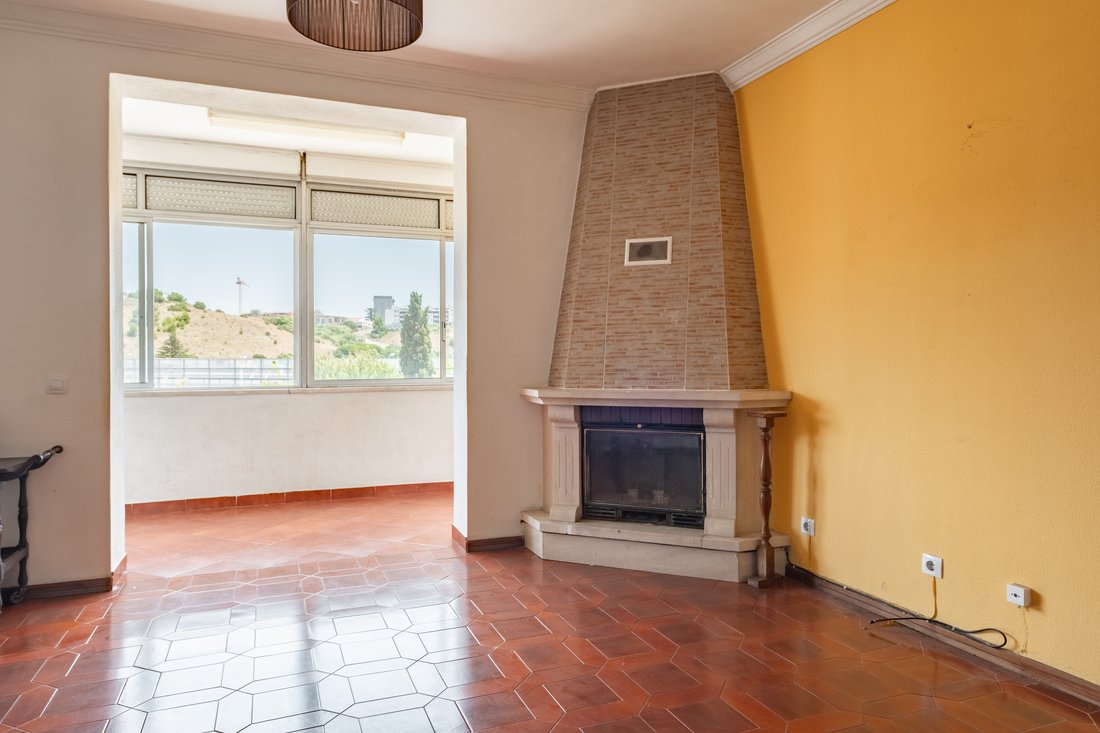
- Chimenea
- Propiedad de Inversión
- Encimeras de piedra
- Aire Acondicionado
- Aparcamiento
- Balcón
Explorar la zona
Porto Salvo, Distrito de Lisboa, Portugal
Ver en Google Maps
Precio por sqft
Bajo
Alto
Usted ha preguntado por esta propiedad
El agente se comunicará con usted pronto por
Publicado por
405
Anuncios
2024
Se unió
Reserva una visita con Engel & Völkers Lisboa MMC
Elija una fecha y si prefiere una visita virtual o presencial con el agente.
Fecha preferida
Tipo de tour

(EN) Engel & Völkers is an international real estate company that offers a wide range of services, including p
(EN) Engel & Völkers is an international real estate company that offers a wide range of services, including property sales, purchases, rentals, and management. We have a presence in over 30 countries and operate through more than 800 offices. Engel & Völkers is distinguished by its personalized approach and attention to detail. The company boasts a team of highly skilled real estate agents who specialize in various markets and property types. Our agents are committed to finding the perfect property for their clients and are available to assist them throughout the entire process of buying, selling, or renting. If you’re considering buying, selling, or renting a property, Engel & Völkers is an excellent choice. With extensive experience in the real estate market, we provide personalized and attentive service.
(DE) Engel & Völkers ist ein internationales Immobilienunternehmen, das eine breite Palette von Dienstleistungen anbietet, einschließlich Immobilienverkäufen, -käufen, Vermietungen und Verwaltung. Wir sind in über 30 Ländern präsent und betreiben mehr als 800 Büros. Engel & Völkers zeichnet sich durch seinen individuellen Ansatz und die Liebe zum Detail aus. Das Unternehmen verfügt über ein Team hochqualifizierter Immobilienmakler, die sich auf verschiedene Märkte und Arten von Immobilien spezialisiert haben. Unsere Makler sind darauf spezialisiert, die perfekte Immobilie für ihre Kunden zu finden, und stehen ihnen während des gesamten Prozesses des Kaufs, Verkaufs oder der Vermietung zur Verfügung. Wenn Sie darüber nachdenken, eine Immobilie zu kaufen, zu verkaufen oder zu mieten, ist Engel & Völkers eine ausgezeichnete Wahl. Mit umfangreicher Erfahrung auf dem Immobilienmarkt bieten wir einen individuellen und aufmerksamen Service.
(FR) Engel & Völkers est une entreprise internationale spécialisée dans l’immobilier, offrant une large gamme de services, comprenant la vente, l’achat, la location et la gestion de biens immobiliers. Nous sommes présents dans plus de 30 pays et comptons plus de 800 bureaux. Engel & Völkers se distingue par son approche personnalisée et son souci du détail. L’entreprise dispose d’une équipe d’agents immobiliers hautement qualifiés spécialisés dans différents marchés et types de biens. Nos agents s’engagent à trouver la propriété parfaite pour leurs clients et sont disponibles pour les accompagner tout au long du processus d’achat, de vente ou de location. Si vous envisagez d’acheter, de vendre ou de louer un bien immobilier, Engel & Völkers est un excellent choix. Forts d’une vaste expérience sur le marché immobilier, nous offrons un service personnalisé et attentionné.
(ES) Engel & Völkers es una empresa internacional de bienes raíces que ofrece una amplia gama de servicios, incluyendo la venta, compra, alquiler y administración de propiedades. Tenemos presencia en más de 30 países y contamos con más de 800 oficinas. Engel & Völkers se caracteriza por su enfoque personalizado y su atención al detalle. La empresa cuenta con un equipo de agentes inmobiliarios altamente cualificados que están especializados en diferentes mercados y tipos de propiedades. Nuestros agentes se comprometen a encontrar la propiedad perfecta para sus clientes, y se ofrecen a ayudarles en todo el proceso de compra, venta o alquiler. Si estás pensando en comprar, vender o alquilar una propiedad, Engel & Völkers es una excelente opción. Contamos con una amplia experiencia en el mercado inmobiliario, y ofrece un servicio personalizado y atento.
(PT) Engel &Völkers é uma empresa internacional de imóveis que oferece uma ampla gama de serviços, incluindo venda, compra, aluguel e gestão de propriedades. Temos presença em mais de 30 países e operamos por meio de mais de 800 escritórios. Engel & Völkers se destaca por sua abordagem personalizada e atenção aos detalhes. A empresa possui uma equipe de agentes imobiliários altamente qualificados que se especializam em diversos mercados e tipos de propriedades. Nossos agentes estão comprometidos em encontrar a propriedade perfeita para seus clientes e estão disponíveis para auxiliá-los durante todo o processo de compra, venda ou aluguel. Se você está pensando em comprar, vender ou alugar um imóvel, a Engel & Völkers é uma excelente escolha. Com ampla experiência no mercado imobiliário, oferecemos um serviço personalizado e atencioso.
(DE) Engel & Völkers ist ein internationales Immobilienunternehmen, das eine breite Palette von Dienstleistungen anbietet, einschließlich Immobilienverkäufen, -käufen, Vermietungen und Verwaltung. Wir sind in über 30 Ländern präsent und betreiben mehr als 800 Büros. Engel & Völkers zeichnet sich durch seinen individuellen Ansatz und die Liebe zum Detail aus. Das Unternehmen verfügt über ein Team hochqualifizierter Immobilienmakler, die sich auf verschiedene Märkte und Arten von Immobilien spezialisiert haben. Unsere Makler sind darauf spezialisiert, die perfekte Immobilie für ihre Kunden zu finden, und stehen ihnen während des gesamten Prozesses des Kaufs, Verkaufs oder der Vermietung zur Verfügung. Wenn Sie darüber nachdenken, eine Immobilie zu kaufen, zu verkaufen oder zu mieten, ist Engel & Völkers eine ausgezeichnete Wahl. Mit umfangreicher Erfahrung auf dem Immobilienmarkt bieten wir einen individuellen und aufmerksamen Service.
(FR) Engel & Völkers est une entreprise internationale spécialisée dans l’immobilier, offrant une large gamme de services, comprenant la vente, l’achat, la location et la gestion de biens immobiliers. Nous sommes présents dans plus de 30 pays et comptons plus de 800 bureaux. Engel & Völkers se distingue par son approche personnalisée et son souci du détail. L’entreprise dispose d’une équipe d’agents immobiliers hautement qualifiés spécialisés dans différents marchés et types de biens. Nos agents s’engagent à trouver la propriété parfaite pour leurs clients et sont disponibles pour les accompagner tout au long du processus d’achat, de vente ou de location. Si vous envisagez d’acheter, de vendre ou de louer un bien immobilier, Engel & Völkers est un excellent choix. Forts d’une vaste expérience sur le marché immobilier, nous offrons un service personnalisé et attentionné.
(ES) Engel & Völkers es una empresa internacional de bienes raíces que ofrece una amplia gama de servicios, incluyendo la venta, compra, alquiler y administración de propiedades. Tenemos presencia en más de 30 países y contamos con más de 800 oficinas. Engel & Völkers se caracteriza por su enfoque personalizado y su atención al detalle. La empresa cuenta con un equipo de agentes inmobiliarios altamente cualificados que están especializados en diferentes mercados y tipos de propiedades. Nuestros agentes se comprometen a encontrar la propiedad perfecta para sus clientes, y se ofrecen a ayudarles en todo el proceso de compra, venta o alquiler. Si estás pensando en comprar, vender o alquilar una propiedad, Engel & Völkers es una excelente opción. Contamos con una amplia experiencia en el mercado inmobiliario, y ofrece un servicio personalizado y atento.
(PT) Engel &Völkers é uma empresa internacional de imóveis que oferece uma ampla gama de serviços, incluindo venda, compra, aluguel e gestão de propriedades. Temos presença em mais de 30 países e operamos por meio de mais de 800 escritórios. Engel & Völkers se destaca por sua abordagem personalizada e atenção aos detalhes. A empresa possui uma equipe de agentes imobiliários altamente qualificados que se especializam em diversos mercados e tipos de propriedades. Nossos agentes estão comprometidos em encontrar a propriedade perfeita para seus clientes e estão disponíveis para auxiliá-los durante todo o processo de compra, venda ou aluguel. Se você está pensando em comprar, vender ou alugar um imóvel, a Engel & Völkers é uma excelente escolha. Com ampla experiência no mercado imobiliário, oferecemos um serviço personalizado e atencioso.
Última actualización
Octubre 9
Primera publicación
Julio 15
Referencia del anuncio
I-049U7F-W-049U7F
Propiedades similares cercanas
Nuevos anuncios en Porto Salvo


Explorar más viviendas en venta
Porto Salvo, Distrito de Lisboa, Portugal tipos de propiedad
Porto Salvo, Distrito de Lisboa, Portugal búsquedas populares
- Propiedades Vista al Río en Porto Salvo, Distrito de Lisboa, Portugal
- Propiedades Vista al Campo de Golf en Porto Salvo, Distrito de Lisboa, Portugal
- Propiedades Comunidad Cerrada en Porto Salvo, Distrito de Lisboa, Portugal
- Propiedades Cima de una colina en Porto Salvo, Distrito de Lisboa, Portugal
- Propiedades con Sauna en Porto Salvo, Distrito de Lisboa, Portugal
- Propiedades con Sauna en Porto Salvo, Distrito de Lisboa, Portugal
- Propiedades con Biblioteca en Porto Salvo, Distrito de Lisboa, Portugal
- Propiedades Renovado en Porto Salvo, Distrito de Lisboa, Portugal
- Propiedades Frente a la Playa en Porto Salvo, Distrito de Lisboa, Portugal
- Propiedades Vista al Mar en Porto Salvo, Distrito de Lisboa, Portugal
Guías e historias relacionadas
La confianza de los mejores brokers del mundo
Los agentes tras las propiedades más excepcionales del mundo publican en JamesEdition.
- Anuncios de Sotheby's, Christie's, BARNES y Engel & Völkers
- Cada anuncio se revisa antes de publicarse
- Conecte directamente con agentes verificados
Al continuar, acepta nuestros Términos y la Política de Privacidad.