$927,440
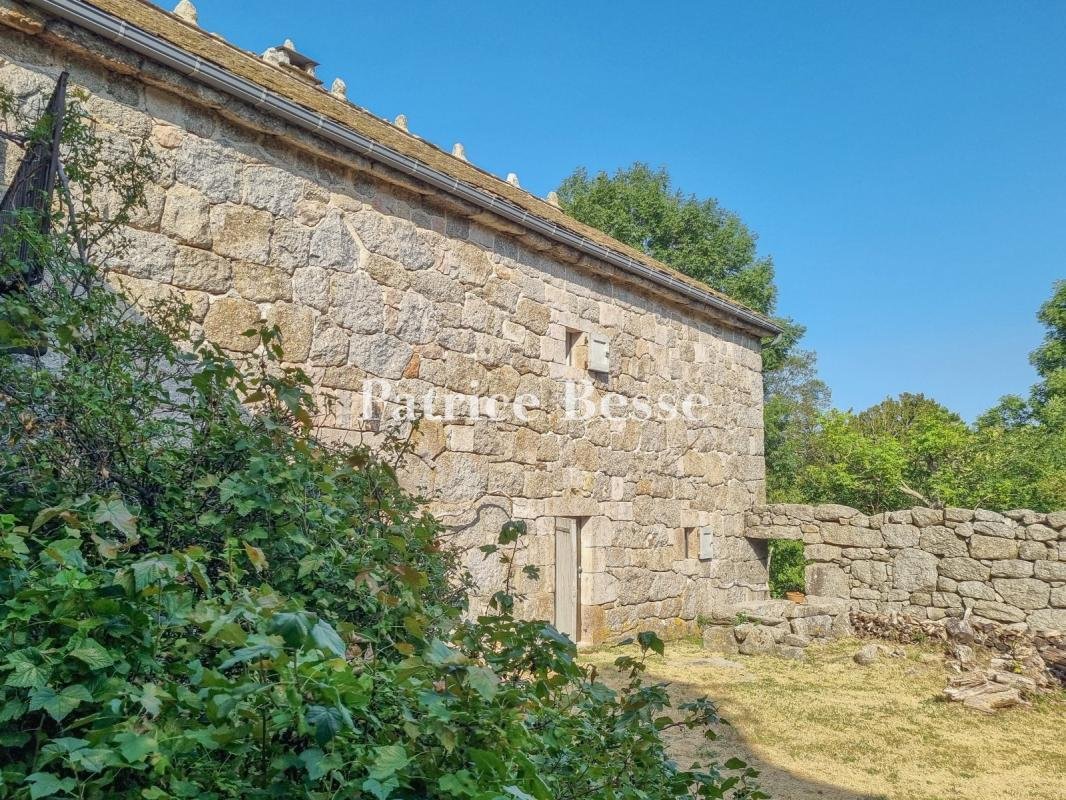
Una Antigua Granja Y Su Entorno Verde En La Meseta Del Mont Lozère Atravesada Por Innumerables
- 3 Hab.
- 3,294 Sqft
- 1.69 Ac lot
- Actualizado: Septiembre 11
- 10
Sobre la propiedad
La descripción se tradujo automáticamente.
La descripción se muestra en el idioma original.
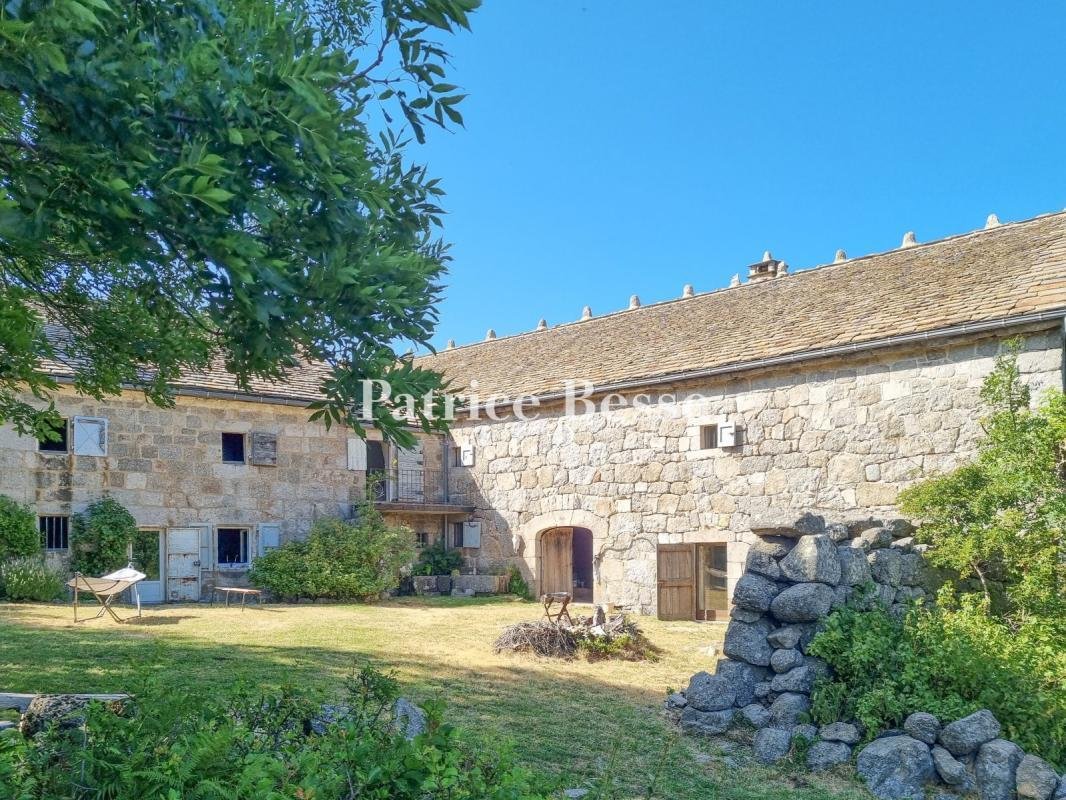
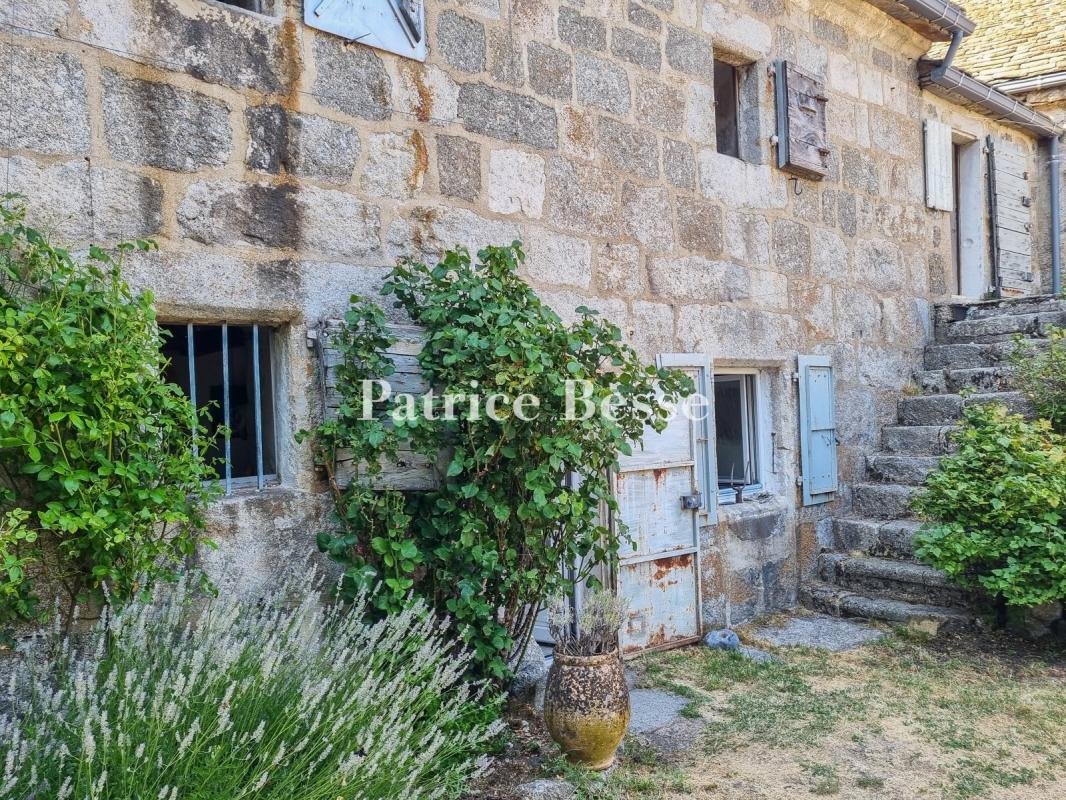
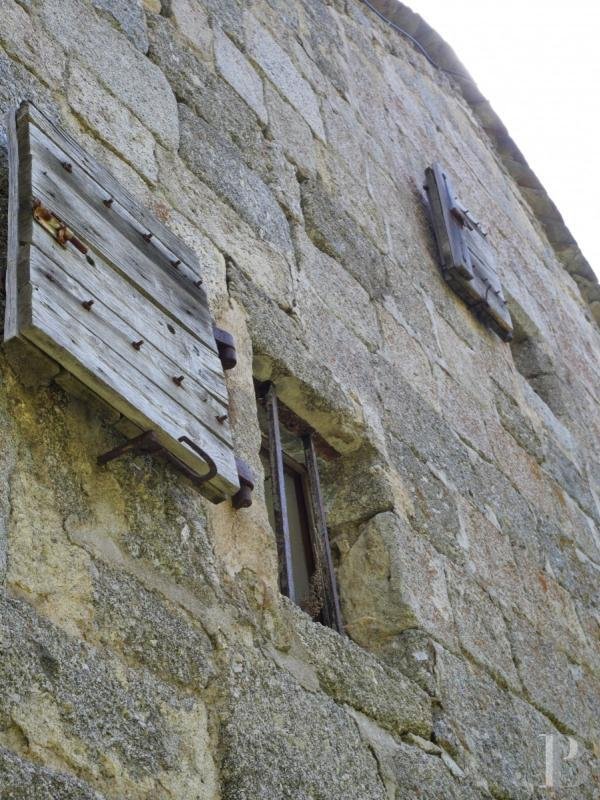
Una antigua granja y su entorno verde en la meseta del Mont-Lozère atravesada por innumerables ríos. La granja, que anteriormente formaba parte de un priorato que data del siglo XIV, ha conservado varios elementos de piedra originales. Durante las guerras de religión del siglo XVI al XVIII, este importante lugar de resistencia acogió a muchos hugonotes de una región fuertemente protestante. Encont
A fully restored former farm and its 19th-century residence, on the Mont-Lozère plateau in the midst of nature. The farm, which was formerly an outbuilding belonging to a priory dating back to the 14th century, has preserved several original stone features. During the Wars of Religion from the 16th to the 18th century, this major resistance site welcomed many Huguenots in what was a strongly Prote
Una antigua granja y su entorno verde en la meseta del Mont-Lozère atravesada por innumerables ríos. La granja, que anteriormente formaba parte de un priorato que data del siglo XIV, ha conservado varios elementos de piedra originales. Durante las guerras de religión del siglo XVI al XVIII, este importante lugar de resistencia acogió a muchos hugonotes de una región fuertemente protestante. Encontraron refugio en estas alturas para organizar su defensa, su culto o su huida sin renegar de su fe, antes de la gran y a menudo definitiva salida hacia Ginebra.
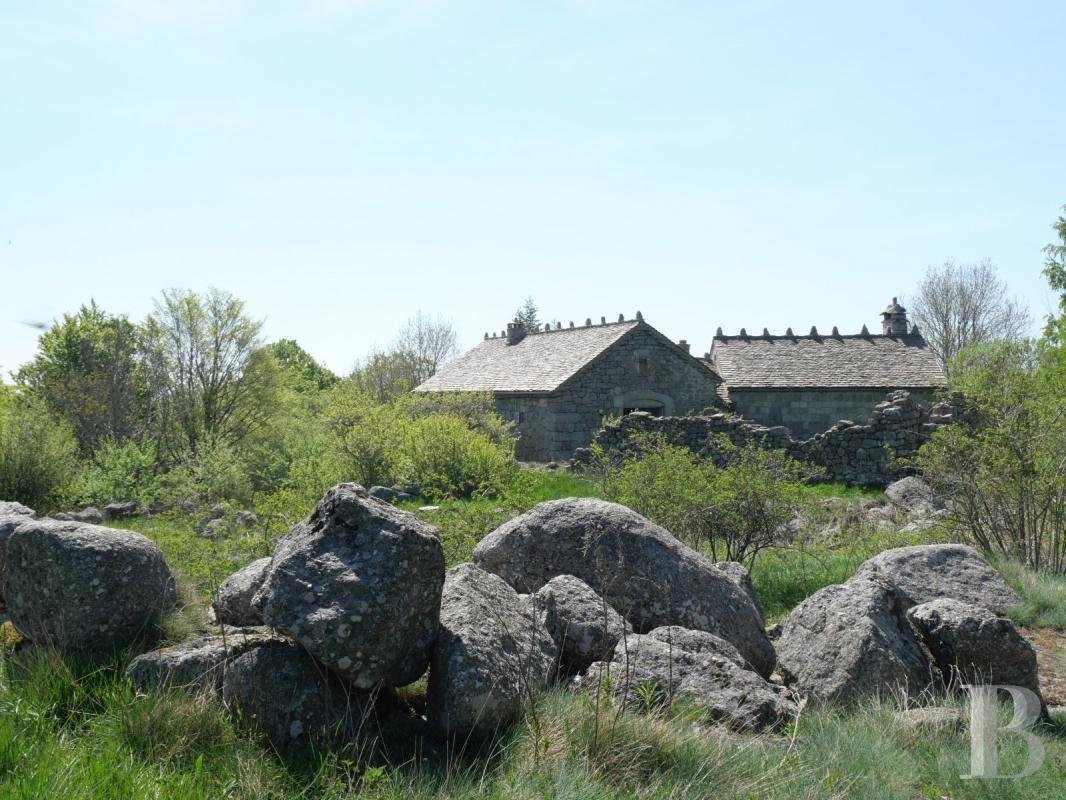
A principios del siglo XX, los últimos tejados de paja de la región desaparecieron como resultado de varios incendios o del abandono del campo en favor de la ciudad y sus comodidades más modernas. En los alrededores quedan algunas ruinas que dan testimonio de un pasado que solo espera renacer de sus cenizas.
Algunos de estos restos fueron reconstruidos en la década de 1960 y techados con tejas de pizarra por personas apasionadas por la arquitectura rural y por el Parque Nacional de las Cevenas, que convirtió los alojamientos en casas rurales (casas de huéspedes).
La propiedad es una de las tres casas usadas por temporadas en una pequeña aldea que siguen en pie, bien separadas unas de otras. Debido a su lejanía y a su protección oficial como parque nacional, la zona se ha conservado, ya que no se alentó a sus habitantes a ceder a materiales modernos que no formaban parte de la cultura local. No solo se han protegido el carácter y el tipo de los edificios, sino también el paisaje, al que se ha prestado una atención constante para que ninguna perturbación visual afecte al bienestar de los habitantes, que aún viven en armonía con su entorno.
Algunos rebaños de ovejas y vacas recuerdan los orígenes agrícolas del edificio, pero se mantienen alejados de ellos junto a un arroyo y un pequeño sendero, que a su vez están escondidos por un seto. Al otro lado de la propiedad, un río, a la vez curso de agua y piscina natural privada, forma varias cascadas pequeñas y fuentes de agua tranquilas, donde uno puede relajarse sin llamar la atención, tanto en invierno como en verano.
La información sobre los riesgos a los que está expuesta esta propiedad está disponible en el sitio web de Géorisques: https://www.georisques.gouv.fr/
A fully restored former farm and its 19th-century residence, on the Mont-Lozère plateau in the midst of nature. The farm, which was formerly an outbuilding belonging to a priory dating back to the 14th century, has preserved several original stone features. During the Wars of Religion from the 16th to the 18th century, this major resistance site welcomed many Huguenots in what was a strongly Protestant region. They found refuge on these heights to organise their defence, worship or escape without denying their faith, before their often definitive departure for far-off Geneva.
At the beginning of the 20th century, the last thatched roofs in the region disappeared, as a result of various fires or the abandonment of the countryside in favour of the city and its more modern comforts. A few ruins remain in the vicinity and bear witness to a past that is merely waiting to rise from its ashes. Some of them were rebuilt in the 1960s and roofed with lauze slate tiles by people who were passionate about rural architecture and by the Cévennes National Park, which developed the lodgings as holiday cottages.
The property is one of three seasonally used houses in a small hamlet. Owing to its remoteness and its official protection as a national park, the area has been preserved, as its inhabitants were not encouraged to give in to modern materials that did not form part of the local culture. Not only the character and type of the buildings have been protected, but also the landscape, which has been given sustained attention so that no visual disturbance affects the well-being of the inhabitants, who still live in harmony with their environment.
The only neighbours are a few horses, flocks of sheep and goats or herds of cattle, but they are kept well hidden away by a tree-filled hedgerow. On the other side of the property, a river, at once watercourse and private natural pool, forms several small waterfalls and leisurely water features, where one can relax without attracting attention, in winter as in summer.
La información sobre los riesgos a los que está expuesta esta propiedad está disponible en el sitio web de Géorisques: https://www.georisques.gouv.fr/
-
Tipo de propiedad
Casa de Campo
-
Precio/pie²
$281
-
Emisiones
C
-
Consumo
D
Características
- Jardín
- Piscina
- Chimenea
- Vista al Agua
- Vista a la Montaña
- Techo alto
Explorar la zona
Pont de Montvert - Sud Mont Lozère, Occitania, Francia
Ver en Google Maps
Precio por sqft
Bajo
Alto
Se unió hace 3 años
Usted ha preguntado por esta propiedad
El agente se comunicará con usted pronto por
Publicado por
742
Anuncios
2023
Se unió
Reserva una visita con the agent
Elija una fecha y si prefiere una visita virtual o presencial con el agente.
Fecha preferida
Tipo de tour
Última actualización
Septiembre 11
Primera publicación
Febrero 9, 2024
Referencia del anuncio
269314_JE
La confianza de los mejores brokers del mundo
Los agentes tras las propiedades más excepcionales del mundo publican en JamesEdition.
- Anuncios de Sotheby's, Christie's, BARNES y Engel & Völkers
- Cada anuncio se revisa antes de publicarse
- Conecte directamente con agentes verificados
Al continuar, acepta nuestros Términos y la Política de Privacidad.