$6,162,202
Mansión Privada Histórica París V
- 5 Hab.
- 3 Baños
- 2,874 Sqft
- Actualizado: Agosto 13
- 5
Sobre la propiedad
La descripción se tradujo automáticamente.
La descripción se muestra en el idioma original.
Si hay direcciones prestigiosas en París, esta es sin duda una de las mejores.
Con una ubicación excepcional frente a Notre Dame, a lo largo del Quai de la Tournelle, en el corazón del Barrio Latino, en el histórico y refinado París de la Era de las Luces, que aún sigue vivo.
El Hôtel de Nesmond, antigua residencia del presidente del Parlamento de París en 1643, nos ofrece su ala
Con una ubicación excepcional frente a Notre Dame, a lo largo del Quai de la Tournelle, en el corazón del Barrio Latino, en el histórico y refinado París de la Era de las Luces, que aún sigue vivo.
El Hôtel de Nesmond, antigua residencia del presidente del Parlamento de París en 1643, nos ofrece su ala
On the banks of the Seine, on the Left Bank, opposite the Île Saint-Louis and in the immediate vicinity of Notre-Dame, the Hôtel de Nesmond stands out as a striking landmark.
Comprising several buildings arranged around its main courtyard, this highly distinctive mansion encapsulates much of Pariss history in a single structure.
From its development under Philip the Fair in the 14th ce
Comprising several buildings arranged around its main courtyard, this highly distinctive mansion encapsulates much of Pariss history in a single structure.
From its development under Philip the Fair in the 14th ce
Si hay direcciones prestigiosas en París, esta es sin duda una de las mejores.
Con una ubicación excepcional frente a Notre Dame, a lo largo del Quai de la Tournelle, en el corazón del Barrio Latino, en el histórico y refinado París de la Era de las Luces, que aún sigue vivo.
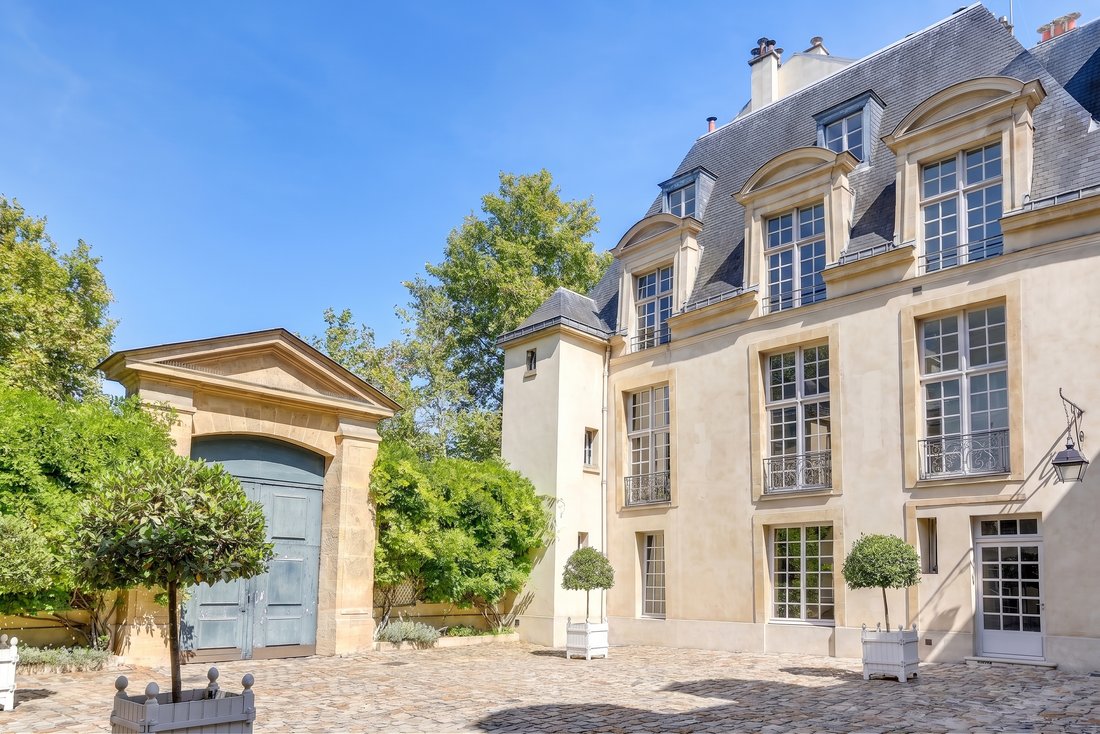
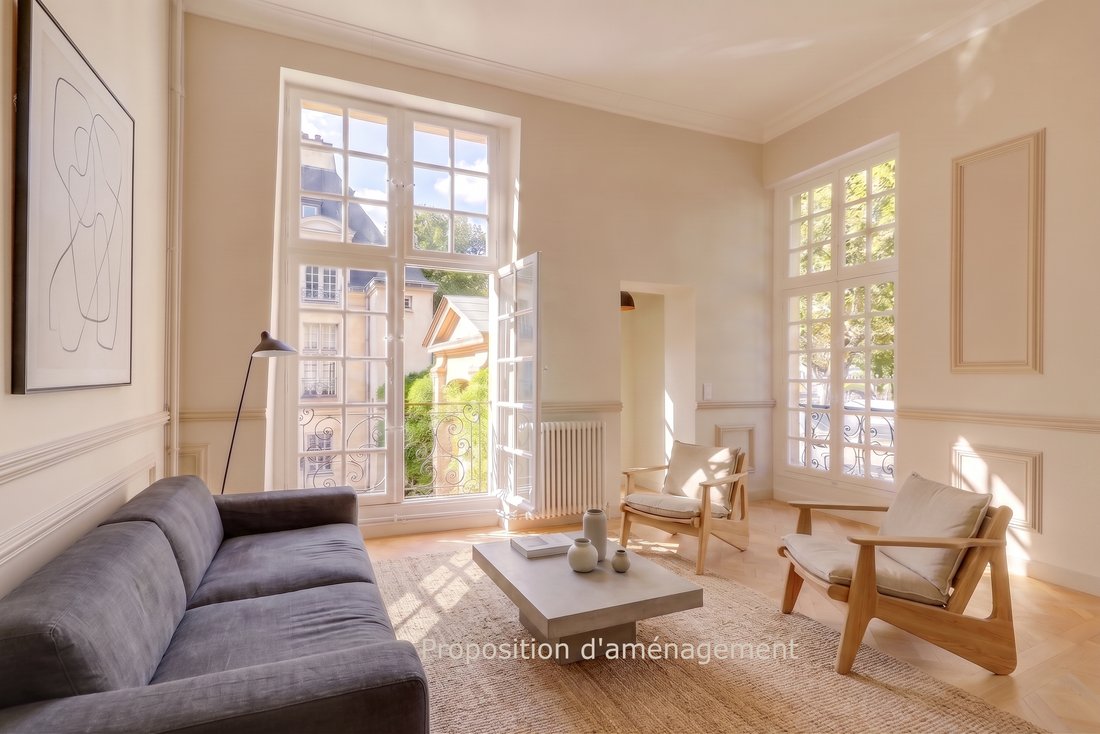
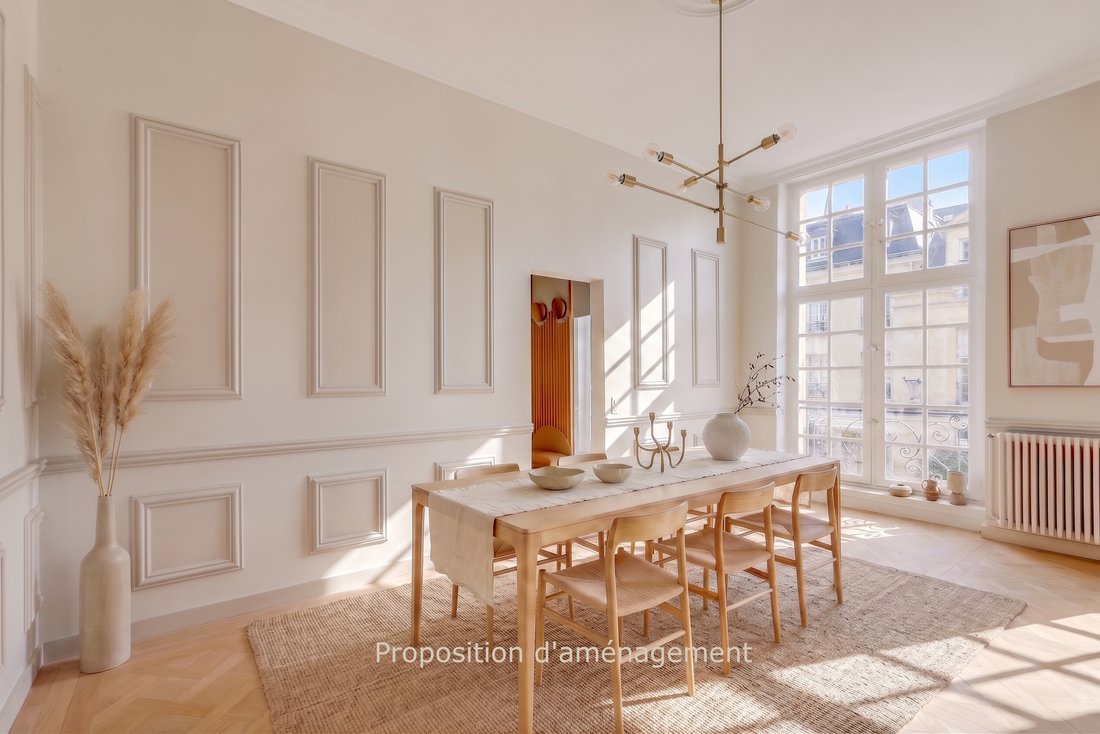
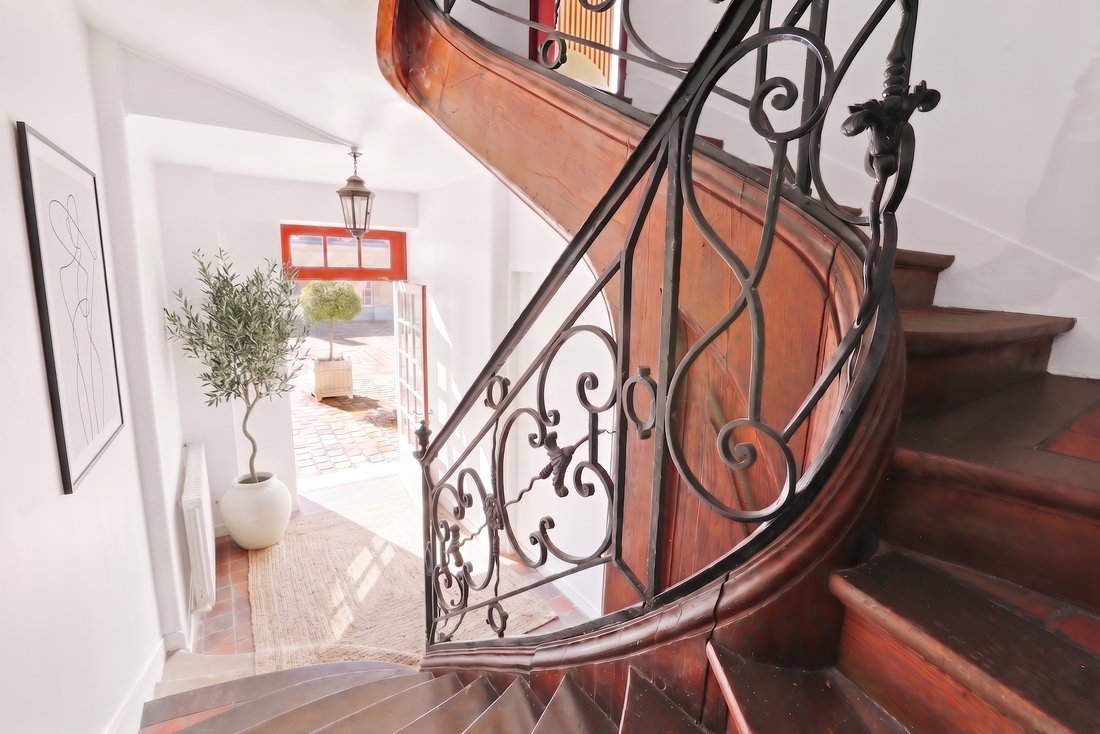
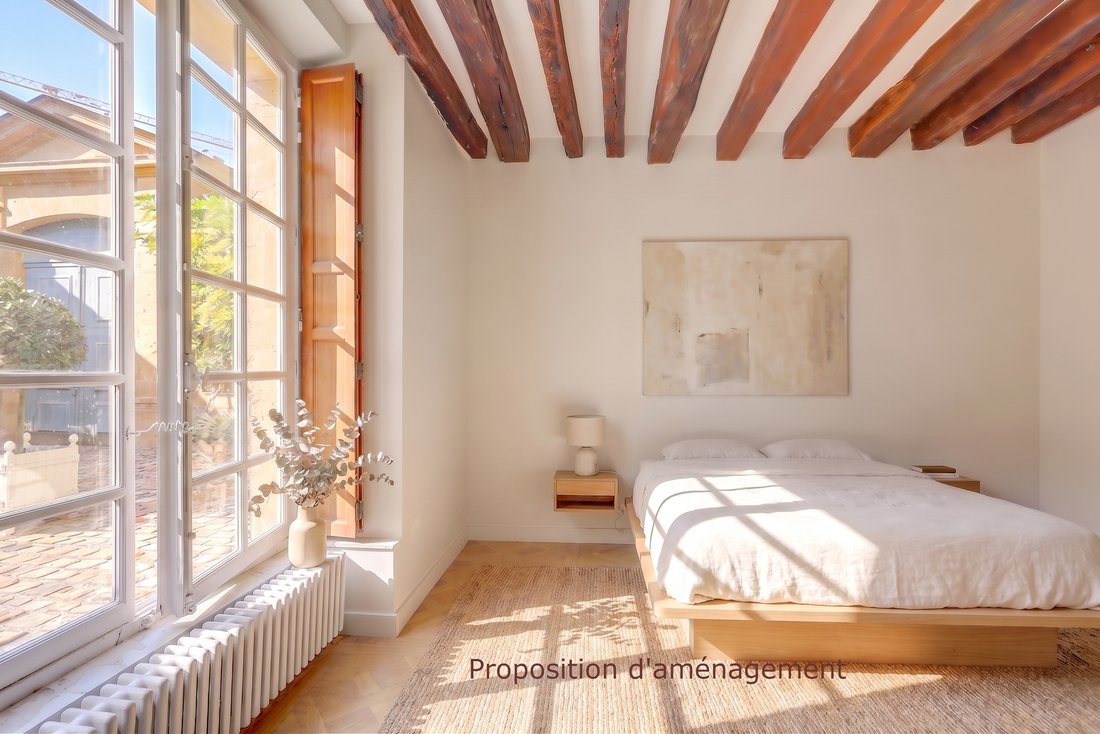
El Hôtel de Nesmond, antigua residencia del presidente del Parlamento de París en 1643, nos ofrece su ala izquierda. Da al patio principal y consta de dos apartamentos dúplex, que se pueden combinar en un proyecto MH llave en mano.
Esta propiedad familiar, frente al Sena y a la isla de Saint-Louis, también es una atractiva dirección de alto nivel para una profesión liberal, oficinas o salas de exposición.
Una bodega abovedada de 111 m² completa la propiedad.
Copropiedad de 33 lotes
Cargos anuales: 20 000 €/año
Tarifas de transacción a cargo del vendedor.
DPE: E (252 kWhep/m².an) - GES: F (59 kGéQCO2/m².an)
DPE: E (doscientos cincuenta y dos kWhep/m².an) - GES: F (cincuenta y nueve kGéQCO2/m².an)
La información sobre los riesgos a los que está expuesta esta propiedad está disponible en el sitio web de «Géorisques»: ***
Rico en historia, el distrito 5 de París se encuentra en la margen izquierda del Sena. Es el distrito más antiguo de París y ha conservado los dos únicos vestigios que quedan de la época romana, las Termas de Cluny y las Arenas de Lutèce.
Un poco de historia: el Hôtel de Nesmond fue inicialmente la residencia del panetier de Philippe le Bel en el siglo XIV, y luego del duque de Bar. Jacques Faye d’Espesse compró el hotel en 1586 al duque de Montpensier, Francisco de Borbón. En 1643, François-Théodore de Nesmond, presidente del Parlamento de París, le dio su aspecto actual. Saint-Simon relata en sus Memorias que la nuera de Monsieur de Nesmond, hija de Madame de Miramion, hizo grabar su nombre en el frontón de la porte cochère por vanidad. En el siglo XVIII, el hotel se convirtió en la residencia de Michel Blondy, un maestro de danza, y luego, en el siglo XIX, en la sede de una destilería de ajenjo.
El hotel está parcialmente catalogado (puerta de entrada, fachadas y tejados) como monumento histórico por orden del 23 de octubre de 1962.
Se beneficia de la proximidad de todas las tiendas y del mercado de la Place Maubert-Mutualité.
Sectorización escolar: guardería, escuela Poissy (primaria), escuela Pontoise (secundaria), Enrique IV.
Ideal para familias, inversores, una base en París.
La información sobre los riesgos a los que está expuesta esta propiedad está disponible en el sitio web de Géorisques: https://www.georisques.gouv.fr/
Con una ubicación excepcional frente a Notre Dame, a lo largo del Quai de la Tournelle, en el corazón del Barrio Latino, en el histórico y refinado París de la Era de las Luces, que aún sigue vivo.
El Hôtel de Nesmond, antigua residencia del presidente del Parlamento de París en 1643, nos ofrece su ala izquierda. Da al patio principal y consta de dos apartamentos dúplex, que se pueden combinar en un proyecto MH llave en mano.
Esta propiedad familiar, frente al Sena y a la isla de Saint-Louis, también es una atractiva dirección de alto nivel para una profesión liberal, oficinas o salas de exposición.
Una bodega abovedada de 111 m² completa la propiedad.
Copropiedad de 33 lotes
Cargos anuales: 20 000 €/año
Tarifas de transacción a cargo del vendedor.
DPE: E (252 kWhep/m².an) - GES: F (59 kGéQCO2/m².an)
DPE: E (doscientos cincuenta y dos kWhep/m².an) - GES: F (cincuenta y nueve kGéQCO2/m².an)
La información sobre los riesgos a los que está expuesta esta propiedad está disponible en el sitio web de «Géorisques»: ***
Rico en historia, el distrito 5 de París se encuentra en la margen izquierda del Sena. Es el distrito más antiguo de París y ha conservado los dos únicos vestigios que quedan de la época romana, las Termas de Cluny y las Arenas de Lutèce.
Un poco de historia: el Hôtel de Nesmond fue inicialmente la residencia del panetier de Philippe le Bel en el siglo XIV, y luego del duque de Bar. Jacques Faye d’Espesse compró el hotel en 1586 al duque de Montpensier, Francisco de Borbón. En 1643, François-Théodore de Nesmond, presidente del Parlamento de París, le dio su aspecto actual. Saint-Simon relata en sus Memorias que la nuera de Monsieur de Nesmond, hija de Madame de Miramion, hizo grabar su nombre en el frontón de la porte cochère por vanidad. En el siglo XVIII, el hotel se convirtió en la residencia de Michel Blondy, un maestro de danza, y luego, en el siglo XIX, en la sede de una destilería de ajenjo.
El hotel está parcialmente catalogado (puerta de entrada, fachadas y tejados) como monumento histórico por orden del 23 de octubre de 1962.
Se beneficia de la proximidad de todas las tiendas y del mercado de la Place Maubert-Mutualité.
Sectorización escolar: guardería, escuela Poissy (primaria), escuela Pontoise (secundaria), Enrique IV.
Ideal para familias, inversores, una base en París.
La información sobre los riesgos a los que está expuesta esta propiedad está disponible en el sitio web de Géorisques: https://www.georisques.gouv.fr/
On the banks of the Seine, on the Left Bank, opposite the Île Saint-Louis and in the immediate vicinity of Notre-Dame, the Hôtel de Nesmond stands out as a striking landmark.
Comprising several buildings arranged around its main courtyard, this highly distinctive mansion encapsulates much of Pariss history in a single structure.
From its development under Philip the Fair in the 14th century to its transformation in the 17th century by François-Théodore de Nesmond, superintendent of the House of the Prince of Condé and president of the Parliament of Paris, who gave it its current name, it represents the quintessence of the Parisian private mansion.
Confiscated during the French Revolution in 1789, it fell into disrepute, becoming an absinthe factory in the 19th century, a period described in one of Alphonse Daudets *Contes du lundi* from 1872: One feels at home in a factory But with the night, the deep silence, that winter moon which, amidst the jumble of intricate rooftops, casts and intertwines shadows, the ancient Nesmond mansion regains its stately air.
In the mid-20th century, a complete restoration restored it to its former glory.
Owned by the same family (partially purchased in 1847 and fully acquired in 1872), with eight generations having lived there the Hôtel de Nesmond is now selling one of its pavilions: its left wing, a beautiful detached residence with views of the Seine and Notre-Dame de Paris, is situated closest to the grand entrance porch, which was listed as a Historic Monument in 1962, as were the roofs and façades of the buildings surrounding the main courtyard.
Boasting 234 m² of living space plus a 33 m² storage room/studio overlooking the main courtyard and 111 m² of vaulted cellars, this propertycurrently configured as two duplexesoffers you the opportunity to transform the building according to your wishes and plans.
Its prime location in the heart of the Latin Quarter makes it The Place to be to give free rein to your imagination and create an exceptional space.
Properties subject to co-ownership regulations
Co-ownership comprising 33 lots
Annual service charges: 20,967/year
No legal proceedings pending
Property tax: 6,061
Energy Performance Certificate (EPC): D (240 kWh/m²/year) - GHG emissions: D (49 kgCO?/m²/year)
Estimated annual energy costs for the property: between 2,310 and 3,190
Transaction fees payable by the seller.
Information on the risks to which this property is exposed is available on the Géorisques website: [hidden information]
Rich in history, Pariss 5th arrondissement lies on the Left Bank of the Seine. It is the oldest arrondissement in Paris and has preserved the only two still-visible remains from the Roman era: the Cluny Baths and the Arènes de Lutèce.
A bit of history: The Hôtel de Nesmond was originally the residence of Philip the Fairs baker in the 14th century, then of the Duke of Bar. In 1586, the hôtel was purchased by Jacques Faye d’Espesse from the Duke of Montpensier, François de Bourbon. In 1643, François-Théodore de Nesmond, President of the Parliament of Paris, gave it its current appearance. Saint-Simon relates in his Memoirs that the daughter-in-law of Monsieur de Nesmond, daughter of Madame de Miramion, out of vanity had her name engraved on the pediment of the carriage entrance. In the 18th century, the hôtel became the residence of Michel Blondy, dance master, then in the 19th century the headquarters of an absinthe distillery.
The hôtel is partially listed (entrance door, façades and roofs) as a Historic Monument by order dated 23 October 1962.
It benefits from the proximity of all shops and the market at Place Maubert-Mutualité.
School zoning: Nursery, Poissy school - Primary, Pontoise school - Middle school, Henri IV.
Ideal for a family, investor, or pied-à-terre.
La información sobre los riesgos a los que está expuesta esta propiedad está disponible en el sitio web de Géorisques: https://www.georisques.gouv.fr/
Comprising several buildings arranged around its main courtyard, this highly distinctive mansion encapsulates much of Pariss history in a single structure.
From its development under Philip the Fair in the 14th century to its transformation in the 17th century by François-Théodore de Nesmond, superintendent of the House of the Prince of Condé and president of the Parliament of Paris, who gave it its current name, it represents the quintessence of the Parisian private mansion.
Confiscated during the French Revolution in 1789, it fell into disrepute, becoming an absinthe factory in the 19th century, a period described in one of Alphonse Daudets *Contes du lundi* from 1872: One feels at home in a factory But with the night, the deep silence, that winter moon which, amidst the jumble of intricate rooftops, casts and intertwines shadows, the ancient Nesmond mansion regains its stately air.
In the mid-20th century, a complete restoration restored it to its former glory.
Owned by the same family (partially purchased in 1847 and fully acquired in 1872), with eight generations having lived there the Hôtel de Nesmond is now selling one of its pavilions: its left wing, a beautiful detached residence with views of the Seine and Notre-Dame de Paris, is situated closest to the grand entrance porch, which was listed as a Historic Monument in 1962, as were the roofs and façades of the buildings surrounding the main courtyard.
Boasting 234 m² of living space plus a 33 m² storage room/studio overlooking the main courtyard and 111 m² of vaulted cellars, this propertycurrently configured as two duplexesoffers you the opportunity to transform the building according to your wishes and plans.
Its prime location in the heart of the Latin Quarter makes it The Place to be to give free rein to your imagination and create an exceptional space.
Properties subject to co-ownership regulations
Co-ownership comprising 33 lots
Annual service charges: 20,967/year
No legal proceedings pending
Property tax: 6,061
Energy Performance Certificate (EPC): D (240 kWh/m²/year) - GHG emissions: D (49 kgCO?/m²/year)
Estimated annual energy costs for the property: between 2,310 and 3,190
Transaction fees payable by the seller.
Information on the risks to which this property is exposed is available on the Géorisques website: [hidden information]
Rich in history, Pariss 5th arrondissement lies on the Left Bank of the Seine. It is the oldest arrondissement in Paris and has preserved the only two still-visible remains from the Roman era: the Cluny Baths and the Arènes de Lutèce.
A bit of history: The Hôtel de Nesmond was originally the residence of Philip the Fairs baker in the 14th century, then of the Duke of Bar. In 1586, the hôtel was purchased by Jacques Faye d’Espesse from the Duke of Montpensier, François de Bourbon. In 1643, François-Théodore de Nesmond, President of the Parliament of Paris, gave it its current appearance. Saint-Simon relates in his Memoirs that the daughter-in-law of Monsieur de Nesmond, daughter of Madame de Miramion, out of vanity had her name engraved on the pediment of the carriage entrance. In the 18th century, the hôtel became the residence of Michel Blondy, dance master, then in the 19th century the headquarters of an absinthe distillery.
The hôtel is partially listed (entrance door, façades and roofs) as a Historic Monument by order dated 23 October 1962.
It benefits from the proximity of all shops and the market at Place Maubert-Mutualité.
School zoning: Nursery, Poissy school - Primary, Pontoise school - Middle school, Henri IV.
Ideal for a family, investor, or pied-à-terre.
La información sobre los riesgos a los que está expuesta esta propiedad está disponible en el sitio web de Géorisques: https://www.georisques.gouv.fr/
-
Tipo de propiedad
Apartamento
-
Año de construcción
1643
-
Precio/pie²
$2,144
Explorar la zona
San Víctor, Paris 5e Arrondissement, París
Ver en Google Maps
Precio por sqft
Bajo
Alto
Usted ha preguntado por esta propiedad
El agente se comunicará con usted pronto por
Publicado por
412
Anuncios
2024
Se unió
Reserva una visita con Engel & Völkers Paris MMC & Völkers Paris MMC
Elija una fecha y si prefiere una visita virtual o presencial con el agente.
Fecha preferida
Tipo de tour

Engel & Völkers Paris
170 rue du Faubourg Saint-Honoré, 75008, Paris, France
Ver perfil de la agencia
Engel & Völkers Paris & Hauts-de-Seine : la référence de l’immobilier d’exception.
Avec plus de 1 100 a
Avec plus de 1 100 a
Engel & Völkers Paris & Hauts-de-Seine : la référence de l’immobilier d’exception.
Avec plus de 1 100 agences réparties dans 35 pays, Engel & Völkers est l’un des premiers acteurs mondiaux de la transaction immobilière résidentielle haut de gamme. À Paris et dans les Hauts-de-Seine, notre réseau allie la puissance d’une marque internationale à une connaissance approfondie du marché local pour vous accompagner dans tous vos projets de vente ou d’acquisition.
Nos conseillers, experts de l’immobilier de prestige parisien et francilien, vous accompagnent dans les secteurs les plus recherchés :
Paris : des appartements haussmanniens aux biens contemporains d’exception, en passant par les hôtels particuliers et les adresses emblématiques des quartiers prisés de la capitale, du Marais à Saint-Germain-des-Prés, en passant par le 16ᵉ et le 7ᵉ arrondissement.
Hauts-de-Seine (92) : des appartements de standing aux maisons familiales et propriétés de prestige, dans des communes recherchées telles que Neuilly-sur-Seine, Boulogne-Billancourt, Saint-Cloud, Sèvres, Garches et Levallois-Perret.
Vous envisagez de vendre votre appartement, votre maison ou votre propriété ? Profitez de notre expertise locale et de la visibilité internationale d’Engel & Völkers pour toucher des acquéreurs qualifiés, en France comme à l’étranger. Contactez nos équipes pour bénéficier d’une estimation offerte, précise et confidentielle de votre bien.
Avec plus de 1 100 agences réparties dans 35 pays, Engel & Völkers est l’un des premiers acteurs mondiaux de la transaction immobilière résidentielle haut de gamme. À Paris et dans les Hauts-de-Seine, notre réseau allie la puissance d’une marque internationale à une connaissance approfondie du marché local pour vous accompagner dans tous vos projets de vente ou d’acquisition.
Nos conseillers, experts de l’immobilier de prestige parisien et francilien, vous accompagnent dans les secteurs les plus recherchés :
Paris : des appartements haussmanniens aux biens contemporains d’exception, en passant par les hôtels particuliers et les adresses emblématiques des quartiers prisés de la capitale, du Marais à Saint-Germain-des-Prés, en passant par le 16ᵉ et le 7ᵉ arrondissement.
Hauts-de-Seine (92) : des appartements de standing aux maisons familiales et propriétés de prestige, dans des communes recherchées telles que Neuilly-sur-Seine, Boulogne-Billancourt, Saint-Cloud, Sèvres, Garches et Levallois-Perret.
Vous envisagez de vendre votre appartement, votre maison ou votre propriété ? Profitez de notre expertise locale et de la visibilité internationale d’Engel & Völkers pour toucher des acquéreurs qualifiés, en France comme à l’étranger. Contactez nos équipes pour bénéficier d’une estimation offerte, précise et confidentielle de votre bien.
Última actualización
Agosto 13
Primera publicación
Enero 19, 2024
Referencia del anuncio
W-02PM6Q
Propiedades similares cercanas
Nuevos anuncios en San Víctor




Explorar más viviendas en venta
San Víctor, Paris 5e Arrondissement, París tipos de propiedad
San Víctor, Paris 5e Arrondissement, París búsquedas populares
- Propiedades Vista Panorámica en San Víctor, Paris 5e Arrondissement, París
- Propiedades con Terraza en San Víctor, Paris 5e Arrondissement, París
- Propiedades con Bar en San Víctor, Paris 5e Arrondissement, París
- Propiedades con Oficina en San Víctor, Paris 5e Arrondissement, París
- Propiedades Vista al Río en San Víctor, Paris 5e Arrondissement, París
- Propiedades con Ascensor en San Víctor, Paris 5e Arrondissement, París
- Propiedades Vista de la ciudad en San Víctor, Paris 5e Arrondissement, París
- Propiedades con Jardín en San Víctor, Paris 5e Arrondissement, París
- Propiedades con Cocina exterior en San Víctor, Paris 5e Arrondissement, París
- Propiedades Duplex en San Víctor, Paris 5e Arrondissement, París
- Propiedades Privacidad en San Víctor, Paris 5e Arrondissement, París
- Propiedades Propiedad de Inversión en San Víctor, Paris 5e Arrondissement, París
- Propiedades Moderno en San Víctor, Paris 5e Arrondissement, París
- Propiedades con Biblioteca en San Víctor, Paris 5e Arrondissement, París
- Propiedades con Aire Acondicionado en San Víctor, Paris 5e Arrondissement, París
- Propiedades con Jacuzzi en San Víctor, Paris 5e Arrondissement, París
- Propiedades con Chimenea en San Víctor, Paris 5e Arrondissement, París
- Propiedades con Balcón en San Víctor, Paris 5e Arrondissement, París
- Propiedades Mansión en San Víctor, Paris 5e Arrondissement, París
- Propiedades con Cocina abierta en San Víctor, Paris 5e Arrondissement, París
- Propiedades Renovado en San Víctor, Paris 5e Arrondissement, París
- Propiedades Vista al Agua en San Víctor, Paris 5e Arrondissement, París
Guías e historias relacionadas
La confianza de los mejores brokers del mundo
Los agentes tras las propiedades más excepcionales del mundo publican en JamesEdition.
- Anuncios de Sotheby's, Christie's, BARNES y Engel & Völkers
- Cada anuncio se revisa antes de publicarse
- Conecte directamente con agentes verificados
Al continuar, acepta nuestros Términos y la Política de Privacidad.