$13,970,976
Quinta Do Relógio Paço De Arcos
- 7 Hab.
- 6 Baños
- 17,395 Sqft
- 1.39 Ac lot
- Actualizado: Junio 18
- 23
Sobre la propiedad
La descripción se tradujo automáticamente.
La descripción se muestra en el idioma original.
La Quinta do Relógio data del siglo XIX y se completó en 1860, bajo la dirección del arquitecto Cinatti de Siena, y fue la residencia de verano de Su Alteza Real D. Fernando II de Portugal (hijo del príncipe Fernando de Sajonia-Coburgo-Gotha y segundo esposo de la reina Doña María II de Portugal) .
Con vistas al río Tajo y al océano Atlántico, la Quinta tiene aproximadamente 150 metros fr
Con vistas al río Tajo y al océano Atlántico, la Quinta tiene aproximadamente 150 metros fr
The Quinta do Relógio dates from the 19th century having been completed in 1860, under the direction of the architect Cinatti de Siena, and was the summer residence of His Royal Highness D. Fernando II of Portugal (son of Prince Ferdinand of Saxe-Coburg-Gotha and second husband of Queen Dona Maria II of Portugal).
Overlooking the Tagus River and the Atlantic Ocean, the Quinta has approxim
Overlooking the Tagus River and the Atlantic Ocean, the Quinta has approxim
La Quinta do Relógio data del siglo XIX y se completó en 1860, bajo la dirección del arquitecto Cinatti de Siena, y fue la residencia de verano de Su Alteza Real D. Fernando II de Portugal (hijo del príncipe Fernando de Sajonia-Coburgo-Gotha y segundo esposo de la reina Doña María II de Portugal) .
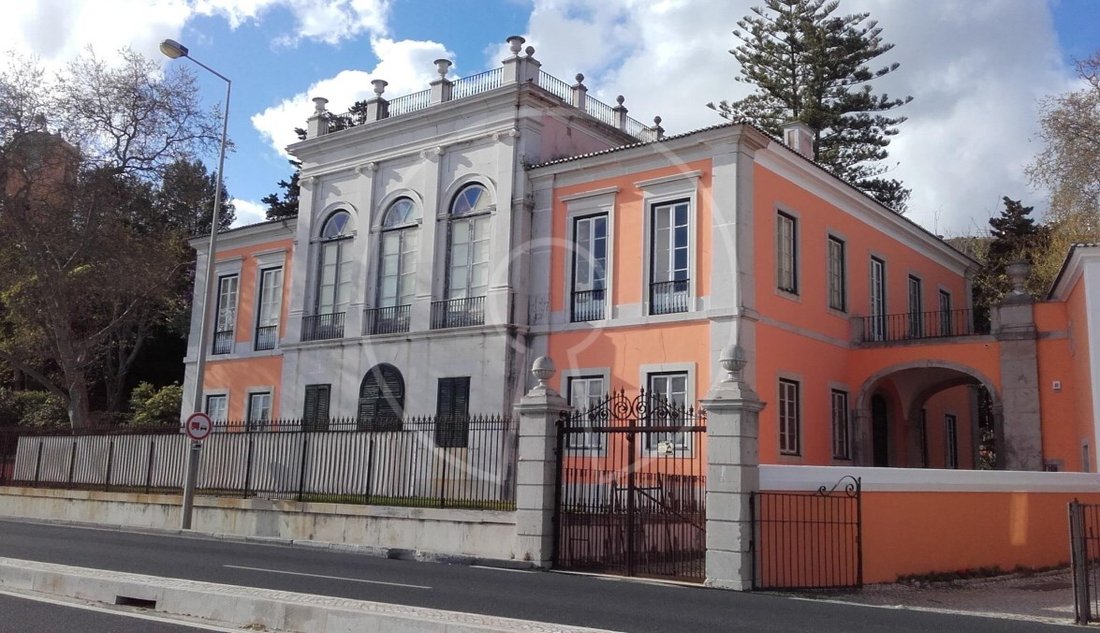
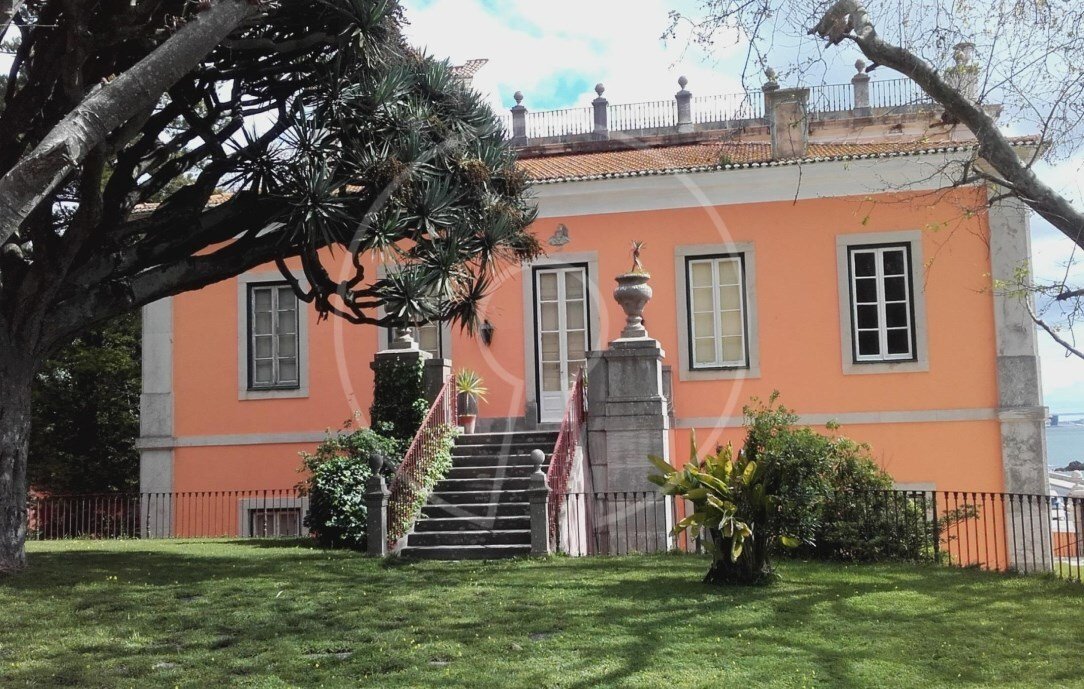
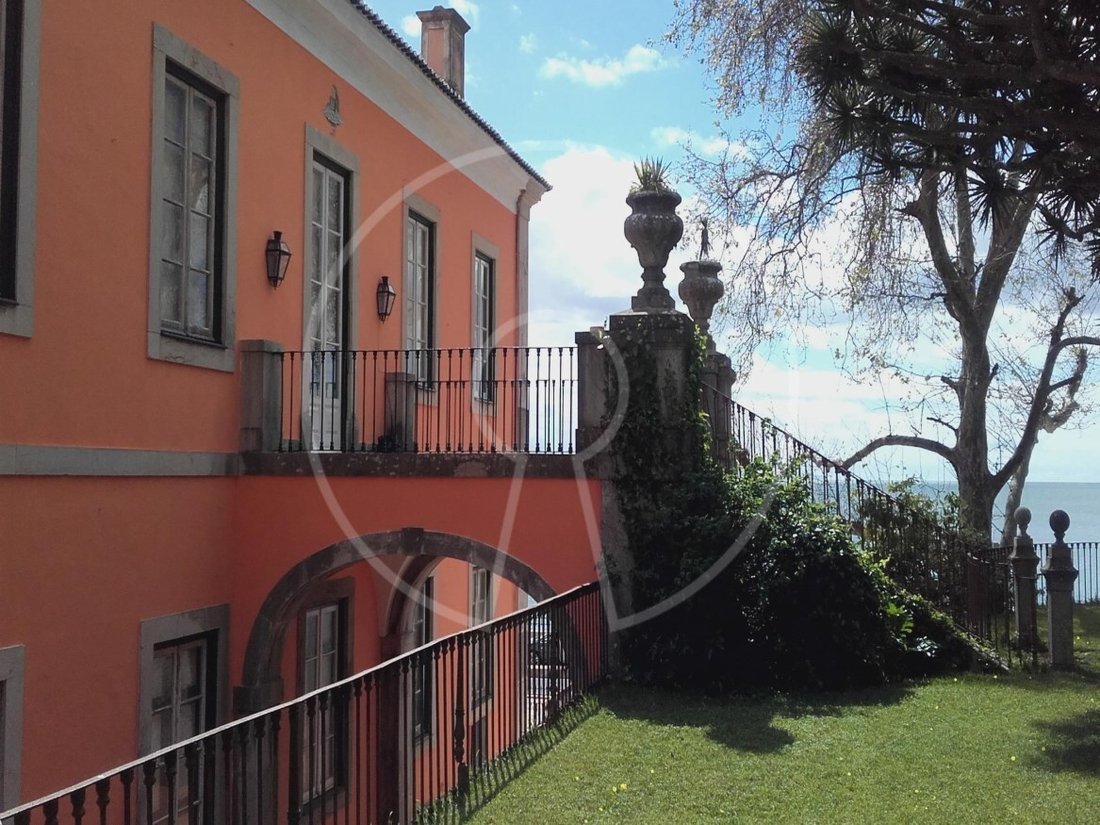
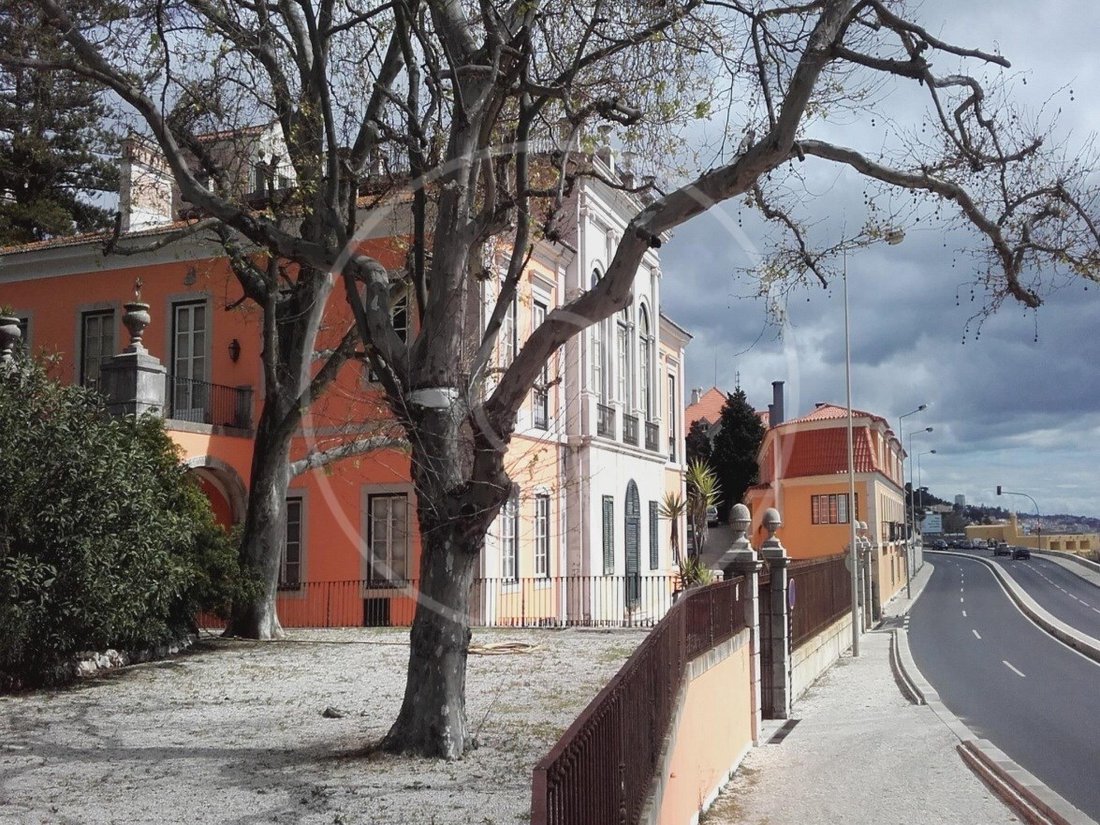
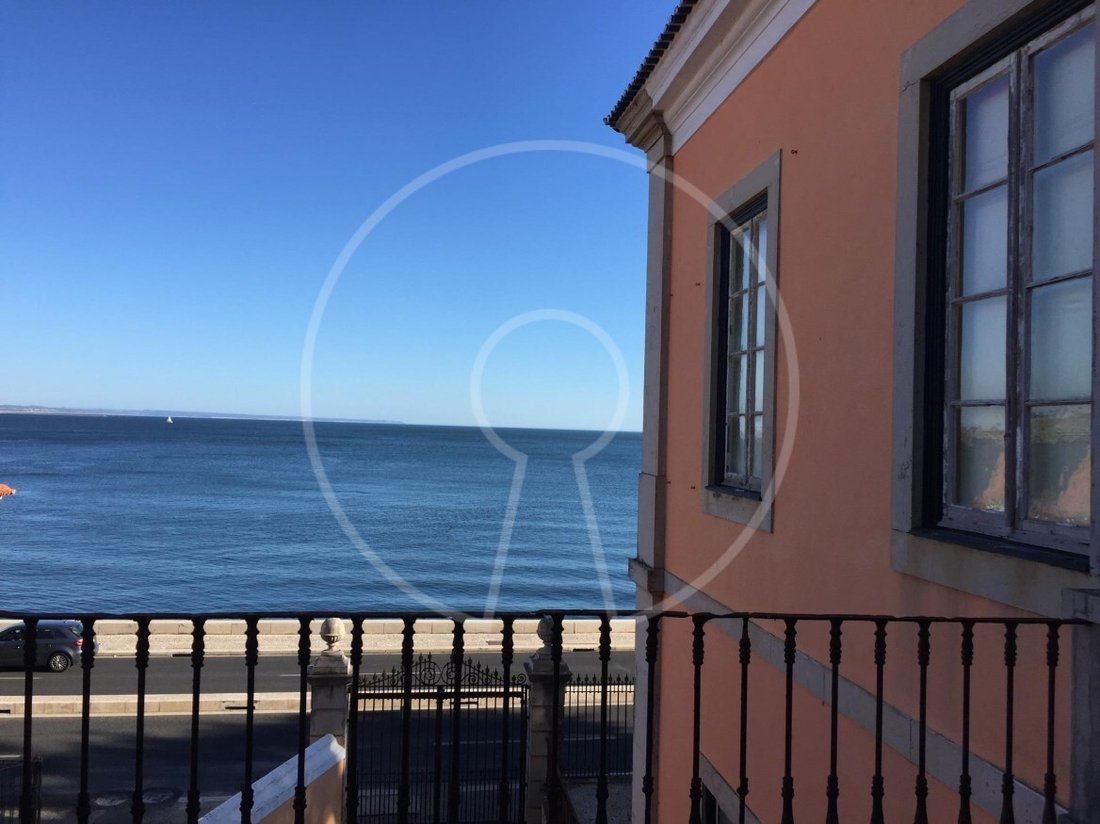
Con vistas al río Tajo y al océano Atlántico, la Quinta tiene aproximadamente 150 metros frente al mar, ubicada a una distancia de aproximadamente 30/40 metros del océano (primera línea de mar con vista completa) actualmente se compone de un palacio, una casa de personal, 4 garajes, un establo para 6 caballos y una torre del reloj, con una un total de unas 40 divisiones.
Toda la propiedad está amurallada, actualmente es autosuficiente en agua y ha construido un acueducto para el agua de lluvia que pasa por debajo de la carretera marginal (ahora llamada calle Costa Pinto) y que va al mar.
En sus jardines forma parte la Torre del Reloj que dio nombre a la propiedad.
La propiedad mantiene su conexión con la nobleza portuguesa siendo los actuales propietarios descendientes de Su Alteza Real el Rey D. João I y D. Filipa de Lancaster, reina de Portugal que se clasifica como patrimonio protegido por el plan de salvaguardia ambiental y patrimonio construido del municipio de Oeiras.
El edificio principal se distribuye en 2 plantas donde alrededor del espacio central se distribuye el porche, el hall de entrada y la escalera iluminados por claraboyas.
La propiedad está clasificada por el municipio de Oeiras como Propiedad con Valor Concelhio
Calificación energética: Exento
#Ref: LANE_4378
Con vistas al río Tajo y al océano Atlántico, la Quinta tiene aproximadamente 150 metros frente al mar, ubicada a una distancia de aproximadamente 30/40 metros del océano (primera línea de mar con vista completa) actualmente se compone de un palacio, una casa de personal, 4 garajes, un establo para 6 caballos y una torre del reloj, con una un total de unas 40 divisiones.
Toda la propiedad está amurallada, actualmente es autosuficiente en agua y ha construido un acueducto para el agua de lluvia que pasa por debajo de la carretera marginal (ahora llamada calle Costa Pinto) y que va al mar.
En sus jardines forma parte la Torre del Reloj que dio nombre a la propiedad.
La propiedad mantiene su conexión con la nobleza portuguesa siendo los actuales propietarios descendientes de Su Alteza Real el Rey D. João I y D. Filipa de Lancaster, reina de Portugal que se clasifica como patrimonio protegido por el plan de salvaguardia ambiental y patrimonio construido del municipio de Oeiras.
El edificio principal se distribuye en 2 plantas donde alrededor del espacio central se distribuye el porche, el hall de entrada y la escalera iluminados por claraboyas.
La propiedad está clasificada por el municipio de Oeiras como Propiedad con Valor Concelhio
Calificación energética: Exento
#Ref: LANE_4378
The Quinta do Relógio dates from the 19th century having been completed in 1860, under the direction of the architect Cinatti de Siena, and was the summer residence of His Royal Highness D. Fernando II of Portugal (son of Prince Ferdinand of Saxe-Coburg-Gotha and second husband of Queen Dona Maria II of Portugal).
Overlooking the Tagus River and the Atlantic Ocean, the Quinta has approximately 150 meters facing the sea, located at a distance of about 30/40 meters from the Ocean (first line of sea with full view) is currently composed of a Palace, a Staff House, 4 Garages, a Stable for 6 horses and a Clock Tower, with a total of about 40 divisions.
The entire property is walled, is currently self-sufficient in water and has built an aqueduct for rainwater that passes under the Marginal Road (now called Costa Pinto Street) and that goes to the sea.
In its gardens the Clock Tower that gave the name to the property is a part.
The property maintains its connection to the Portuguese nobility being the current owners descendants of His Royal Highness el Rey D. João I and D. Filipa de Lancastre, Queen of Portugal being classified as heritage protected by the environmental safeguard plan and built heritage of the Municipality of Oeiras.
The main building is distributed over 2 floors where around the central space is distributed the porch, the entrance hall and the staircase illuminated by skylight.
The property is classified by the Municipality of Oeiras as Property with Valor Concelhio
Energy Rating: Exempt
#ref:LANE_4378
Overlooking the Tagus River and the Atlantic Ocean, the Quinta has approximately 150 meters facing the sea, located at a distance of about 30/40 meters from the Ocean (first line of sea with full view) is currently composed of a Palace, a Staff House, 4 Garages, a Stable for 6 horses and a Clock Tower, with a total of about 40 divisions.
The entire property is walled, is currently self-sufficient in water and has built an aqueduct for rainwater that passes under the Marginal Road (now called Costa Pinto Street) and that goes to the sea.
In its gardens the Clock Tower that gave the name to the property is a part.
The property maintains its connection to the Portuguese nobility being the current owners descendants of His Royal Highness el Rey D. João I and D. Filipa de Lancastre, Queen of Portugal being classified as heritage protected by the environmental safeguard plan and built heritage of the Municipality of Oeiras.
The main building is distributed over 2 floors where around the central space is distributed the porch, the entrance hall and the staircase illuminated by skylight.
The property is classified by the Municipality of Oeiras as Property with Valor Concelhio
Energy Rating: Exempt
#ref:LANE_4378
-
Tipo de propiedad
Chateau
-
Pisos
3
-
Precio/pie²
$803
-
Emisiones
NI
-
Consumo
X
Características
Explorar la zona
Paço de Arcos, Distrito de Lisboa, Portugal
Ver en Google Maps
Precio por sqft
Bajo
Alto
Se unió hace 5 años
Usted ha preguntado por esta propiedad
El agente se comunicará con usted pronto por
Publicado por
136
Anuncios
2022
Se unió
Reserva una visita con the agent
Elija una fecha y si prefiere una visita virtual o presencial con el agente.
Fecha preferida
Tipo de tour
Última actualización
Junio 18
Primera publicación
Febrero 23, 2022
Referencia del anuncio
LANE_4378-0518002506
Propiedades similares cercanas
Nuevos anuncios en Paço de Arcos

Explorar más viviendas en venta
Paço de Arcos, Distrito de Lisboa, Portugal tipos de propiedad
- Apartamentos en venta en Paço de Arcos, Distrito de Lisboa, Portugal
- Casas en venta en Paço de Arcos, Distrito de Lisboa, Portugal
- Chateaus en venta en Paço de Arcos, Distrito de Lisboa, Portugal
- Castillos en venta en Paço de Arcos, Distrito de Lisboa, Portugal
- Terreno en venta en Paço de Arcos, Distrito de Lisboa, Portugal
- Penthouses en venta en Paço de Arcos, Distrito de Lisboa, Portugal
Paço de Arcos, Distrito de Lisboa, Portugal búsquedas populares
- Propiedades Vista a la Montaña en Paço de Arcos, Distrito de Lisboa, Portugal
- Propiedades con Cocina exterior en Paço de Arcos, Distrito de Lisboa, Portugal
- Propiedades Vista al Campo de Golf en Paço de Arcos, Distrito de Lisboa, Portugal
- Propiedades Comunidad Cerrada en Paço de Arcos, Distrito de Lisboa, Portugal
- Propiedades con Sauna en Paço de Arcos, Distrito de Lisboa, Portugal
- Propiedades con Piscina cubierta en Paço de Arcos, Distrito de Lisboa, Portugal
Paço de Arcos, Distrito de Lisboa, Portugal Barrios
Guías e historias relacionadas
La confianza de los mejores brokers del mundo
Los agentes tras las propiedades más excepcionales del mundo publican en JamesEdition.
- Anuncios de Sotheby's, Christie's, BARNES y Engel & Völkers
- Cada anuncio se revisa antes de publicarse
- Conecte directamente con agentes verificados
Al continuar, acepta nuestros Términos y la Política de Privacidad.