The Konopi Castle
- 21 Hab.
- 4 Baños
- 24,165 Sqft
- 4.21 Ac lot
- 32
Sobre la propiedad
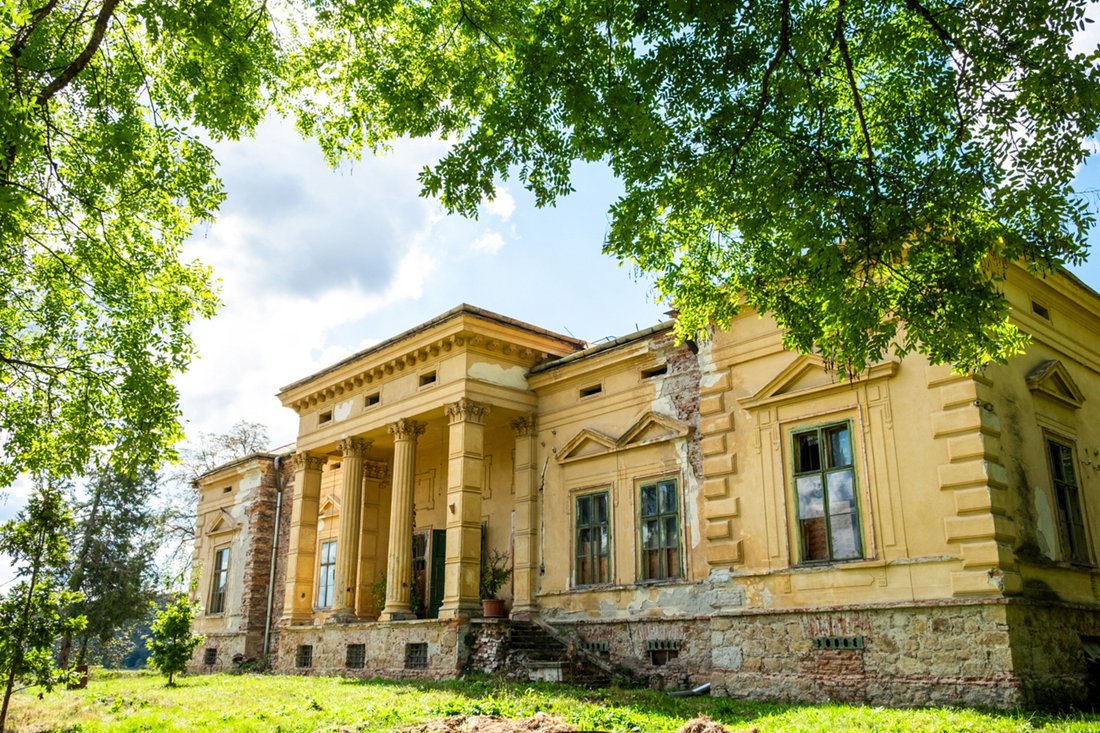
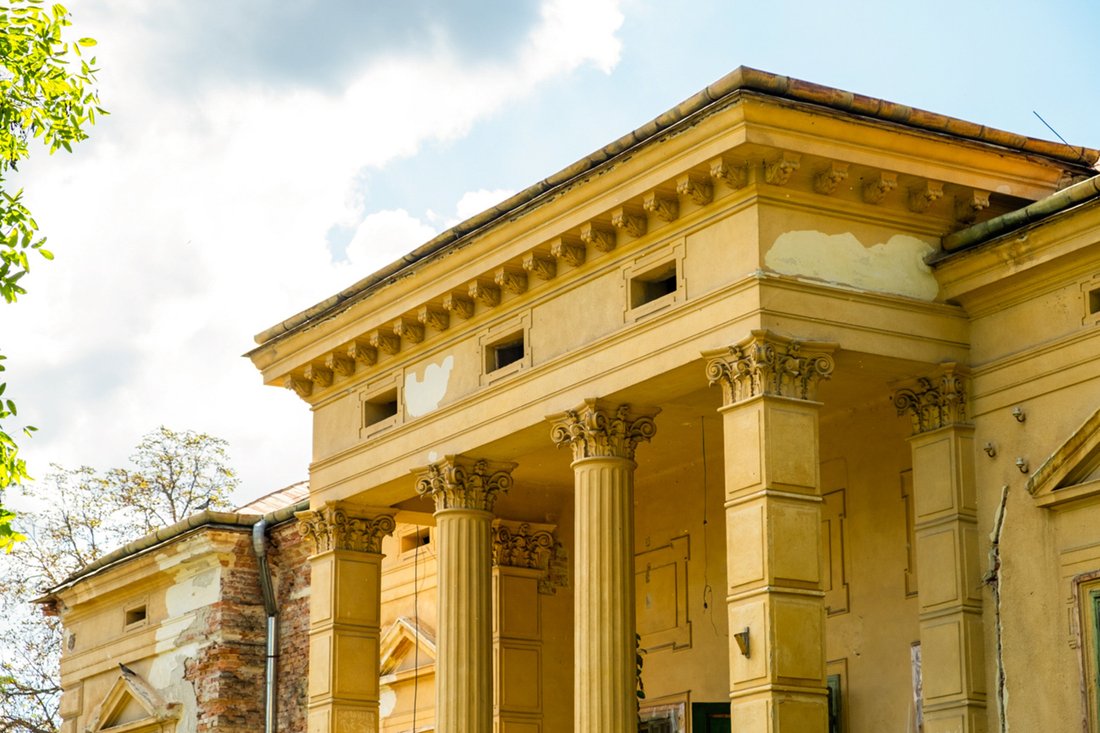
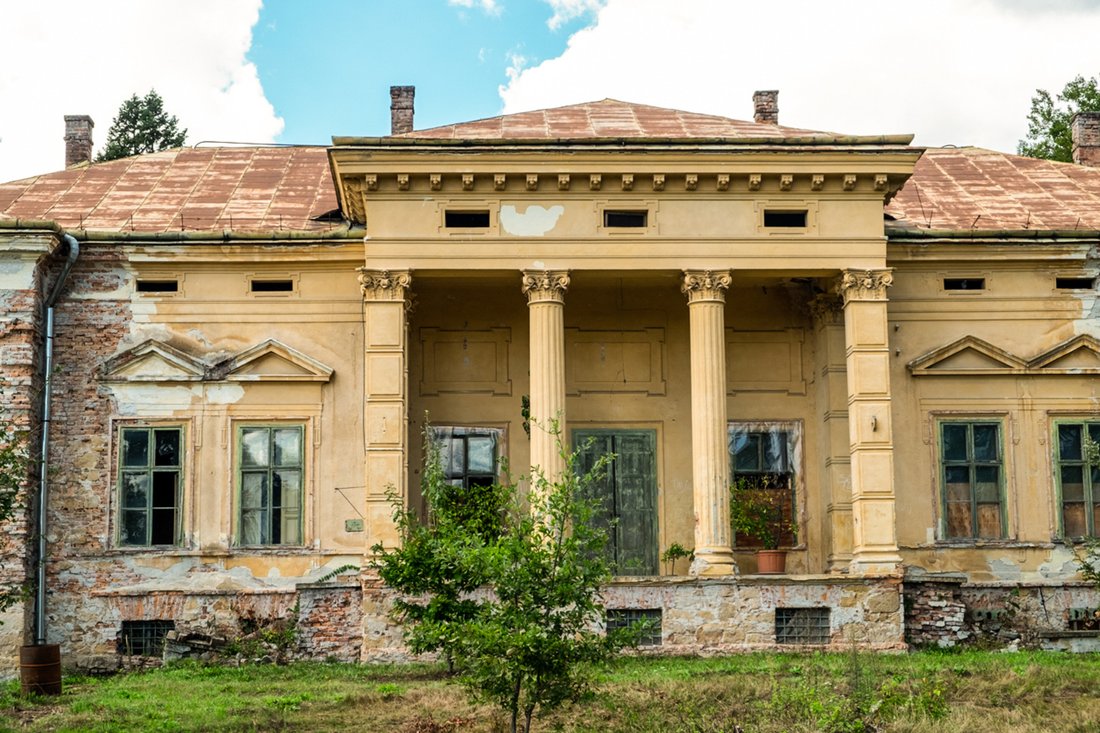
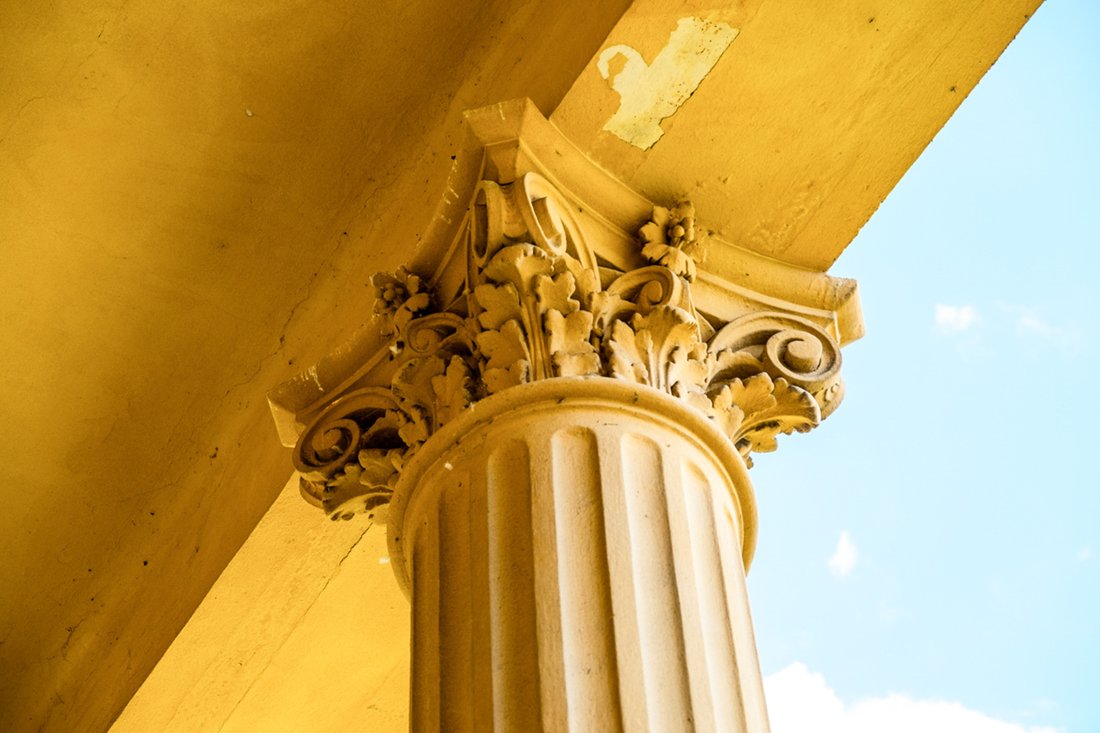
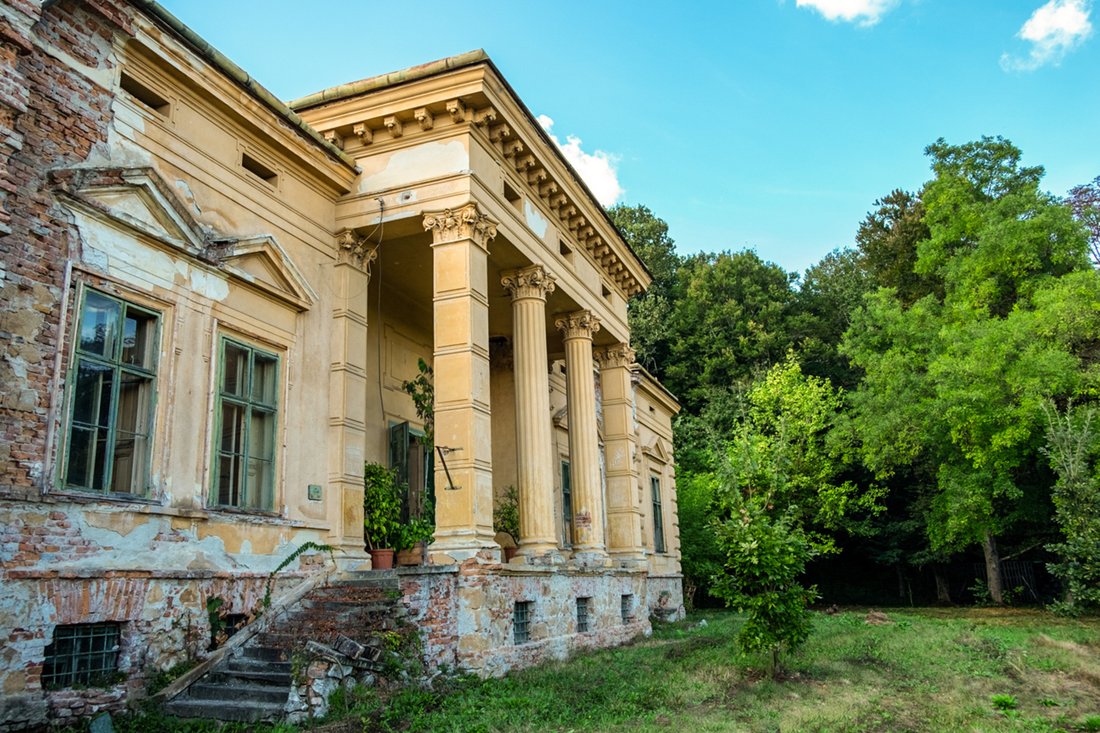
Konopi Estate se destaca por una presencia arquitectónica refinada moldeada por proporciones equilibradas y la elegancia moderada del diseño neoclásico. Conocida como castillo, la residencia domina discretamente su entorno gracias a la armonía de sus volúmenes y a una entrada monumental enmarcada por columnas y semicolumnas pareadas coronadas con capiteles corintios. Los retrocesos simétricos a
Konopi Estate stands out through a refined architectural presence shaped by balanced proportions and the restrained elegance of Neoclassical design. Known as a castle, the residence discreetly commands its surroundings through the harmony of its volumes and a monumental entrance framed by paired columns and semi-columns crowned with Corinthian capitals. Symmetrical setbacks add depth to the com
Konopi Estate se destaca por una presencia arquitectónica refinada moldeada por proporciones equilibradas y la elegancia moderada del diseño neoclásico. Conocida como castillo, la residencia domina discretamente su entorno gracias a la armonía de sus volúmenes y a una entrada monumental enmarcada por columnas y semicolumnas pareadas coronadas con capiteles corintios. Los retrocesos simétricos añaden profundidad a la composición, mientras que la discreta ornamentación y la paleta de color verde amarillento de la fachada enfatizan
su carácter atemporal.Dentro del recinto se encuentra la antigua capilla de la finca, reconocible por el reloj de sol colocado sobre la entrada. Donada posteriormente a la Iglesia Católica Romana, conserva en su ábside los escudos heráldicos de las familias Brunszvik y Forray, testimonios perdurables del linaje aristocrático que dio forma a la propiedad .
La finca fue testigo de la vibrante vida social de la aristocracia y acogió reuniones y eventos culturales característicos de su época. El levantamiento de Horia, Cloșca y Crișan en 1784 provocó una devastación significativa y marcó un punto de inflexión en su historia.
A mediados del siglo XIX, Antal Czigler de Konop adquirió la propiedad del conde Nádasdy, cuya familia adoptó oficialmente el nombre de Konopi en 1870, conservando el noble predicado asociado al dominio.
Sus orígenes se remontan mucho más atrás, ya que formaban parte del dominio feudal de Şoimuș (Solymos). Con el tiempo, perteneció a notables figuras y familias nobles de Europa Central, como John Hunyadi, voivoda de Transilvania y gobernador del Reino de Hungría, Johann Giskra von Brandeis, capitán del rey Matías Corvino, la influyente familia Bánffy y, más tarde, la casa de Jorge de Brandeburgo en 1510, antes de pasar a ser propiedad del príncipe Forray .
La reconstrucción de la finca coincidió con el desarrollo del ferrocarril a lo largo del valle de Mureş, lo que la convirtió en uno de los primeros edificios regionales en integrar vigas metálicas en su estructura, un diálogo entre tradición y modernidad. El gran establo del patio occidental refleja la arquitectura industrial de finales del siglo XIX y comparte similitudes con los famosos almacenes Andrényi de la época.
El último descendiente de la familia, el barón Kálmán Konopi (1880-1947), ingeniero e investigador agrícola, regresó después de sus estudios en el extranjero para administrar la finca. Bajo su liderazgo, la propiedad se convirtió en un centro de experimentación agrícola, donde se elaboró el famoso «trigo conop» mediante investigaciones centradas en variedades de cereales resilientes adaptadas a las condiciones de inundación y sequía.
Como mecenas de las artes, el barón y su esposa, Boér Vilma, mantuvieron estrechos vínculos con la colonia artística de Gödöllő. Durante el período de entreguerras, la finca se convirtió en un lugar de encuentro para artistas e intelectuales, debido a la evolución de Szecesszió, la expresión húngara del movimiento modernista . En la actualidad, la propiedad ocupa aproximadamente 1,70 hectáreas, preservando la huella de un notable legado aristocrático y ofreciendo una oportunidad única de continuar la historia de una finca en la que convergieron la arquitectura, la innovación agrícola y la vida cultural europea.
Gracias a su escala, distinción arquitectónica e importancia cultural, la finca ofrece una versatilidad excepcional. Puede convertirse en una prestigiosa residencia privada, un hotel boutique o un retiro cultural, la sede de una fundación o institución representativa, así como un lugar dedicado a eventos o iniciativas artísticas. El equilibrio entre la historia, el entorno y las proporciones permite a la propiedad adaptarse a diversas visiones contemporáneas y, al mismo tiempo, preservar la autenticidad que define su identidad.
Konopi Estate stands out through a refined architectural presence shaped by balanced proportions and the restrained elegance of Neoclassical design. Known as a castle, the residence discreetly commands its surroundings through the harmony of its volumes and a monumental entrance framed by paired columns and semi-columns crowned with Corinthian capitals. Symmetrical setbacks add depth to the composition, while the understated ornamentation and beige-green façade palette emphasize its timeless character.
Within the grounds lies the estate’s former chapel, recognizable by the sundial placed above its entrance. Later donated to the Roman Catholic Church, it preserves in its apse the heraldic coats of arms of the Brunszvik and Forray families — lasting testimonies to the aristocratic lineage that shaped the property.
The estate witnessed the vibrant social life of the aristocracy, hosting gatherings and cultural events characteristic of its era. The uprising of Horia, Cloșca and Crișan in 1784 brought significant devastation, marking a turning point in its history.
In the mid-19th century, the property was acquired from Count Nádasdy by Antal Czigler de Konop, whose family officially adopted the name Konopi in 1870, preserving the noble predicate associated with the domain.
Its origins reach much further back, forming part of the feudal domain of Șoimuș (Solymos). Over time, it belonged to notable Central European figures and noble families, including John Hunyadi — Voivode of Transylvania and Governor of the Kingdom of Hungary — Johann Giskra von Brandeis, captain to King Matthias Corvinus, the influential Bánffy family, and later the House of Georg of Brandenburg in 1510, before becoming the property of Prince Forray.
The reconstruction of the estate coincided with the development of the railway along the Mureș Valley, making it one of the early regional buildings to integrate metal beams into its structure — a dialogue between tradition and modernity. The large stable within the western courtyard reflects late 19th-century industrial architecture, sharing similarities with the renowned Andrényi warehouses of the period.
The last descendant of the family, Baron Kálmán Konopi (1880–1947), an engineer and agricultural researcher, returned after his studies abroad to manage the estate. Under his leadership, the property became a center for agricultural experimentation, where the renowned “Conop wheat” was developed through research focused on resilient grain varieties adapted to flooding and drought conditions.
Patrons of the arts, the Baron and his wife, Boér Vilma, maintained close ties with the artistic colony of Gödöllő. During the interwar period, the estate became a meeting place for artists and intellectuals, associated with the evolution of Szecesszió — the Hungarian expression of the Art Nouveau movement.
Today, the property extends across approximately 1.70 hectares, preserving the imprint of a remarkable aristocratic legacy and offering a rare opportunity to continue the story of an estate where architecture, agricultural innovation and European cultural life converged.
Through its scale, architectural distinction and cultural significance, the estate offers exceptional versatility. It may become a prestigious private residence, a boutique hotel or cultural retreat, the headquarters of a foundation or representative institution, as well as a venue dedicated to events or artistic initiatives. The balance between history, setting and proportions allows the property to adapt to diverse contemporary visions while preserving the authenticity that defines its identity.
-
Tipo de propiedad
Otros
-
Año de construcción
1800
-
Precio/pie²
$21
Explorar la zona
El agente se comunicará con usted pronto por
Publicado por
Reserva una visita con Cosmin Vermesan
Elija una fecha y si prefiere una visita virtual o presencial con el agente.

La confianza de los mejores brokers del mundo
Los agentes tras las propiedades más excepcionales del mundo publican en JamesEdition.
- Anuncios de Sotheby's, Christie's, BARNES y Engel & Völkers
- Cada anuncio se revisa antes de publicarse
- Conecte directamente con agentes verificados
Al continuar, acepta nuestros Términos y la Política de Privacidad.