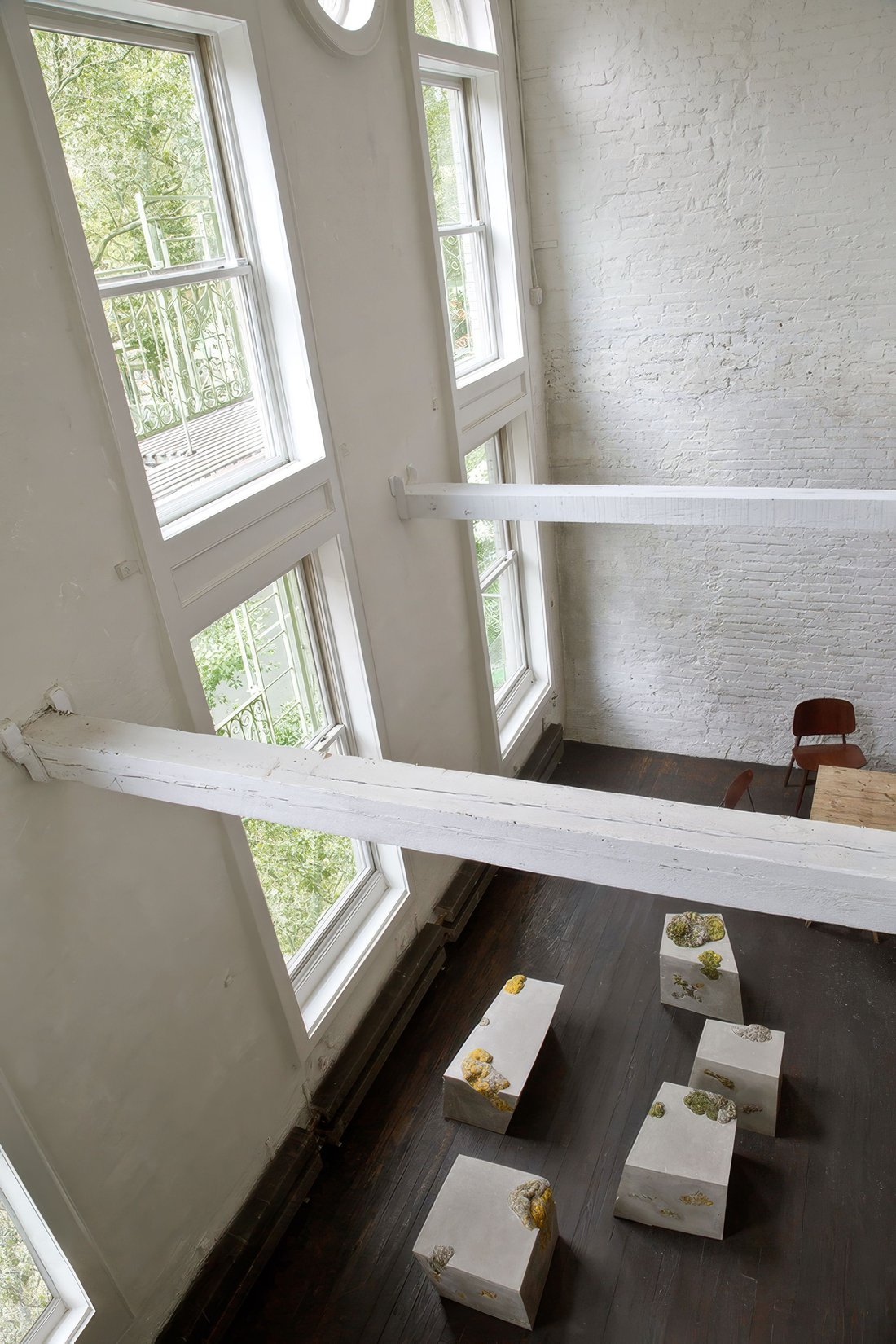
80 Forsyth Street, Private Building
- 3 Baños
- 6,800 Sqft
- 31
- MLS#20068873
Sobre la propiedad
Una antigua sinagoga del Lower East Side con un volumen extraordinario, procedencia expresionista abstracta y un potencial poco común para vivir y trabajar, estudiar, galerías, fundaciones o uso creativo. El número
80 de Forsyth Street es una oportunidad singular y extremadamente rara. La seriedad histórica y el carácter conmovedor del edificio se hacen evidentes inmediatamente al ent
A former Lower East Side synagogue with extraordinary volume, abstract expressionist provenance, and rare potential for live/work, studio, gallery, foundation or creative use.
80 Forsyth Street stands as a singular, and exceedingly rare, opportunity. The building’s historic gravitas and soulfulness are immediately apparent upon entering. Heroic scale and irreplaceable
Una antigua sinagoga del Lower East Side con un volumen extraordinario, procedencia expresionista abstracta y un potencial poco común para vivir y trabajar, estudiar, galerías, fundaciones o uso creativo. El número
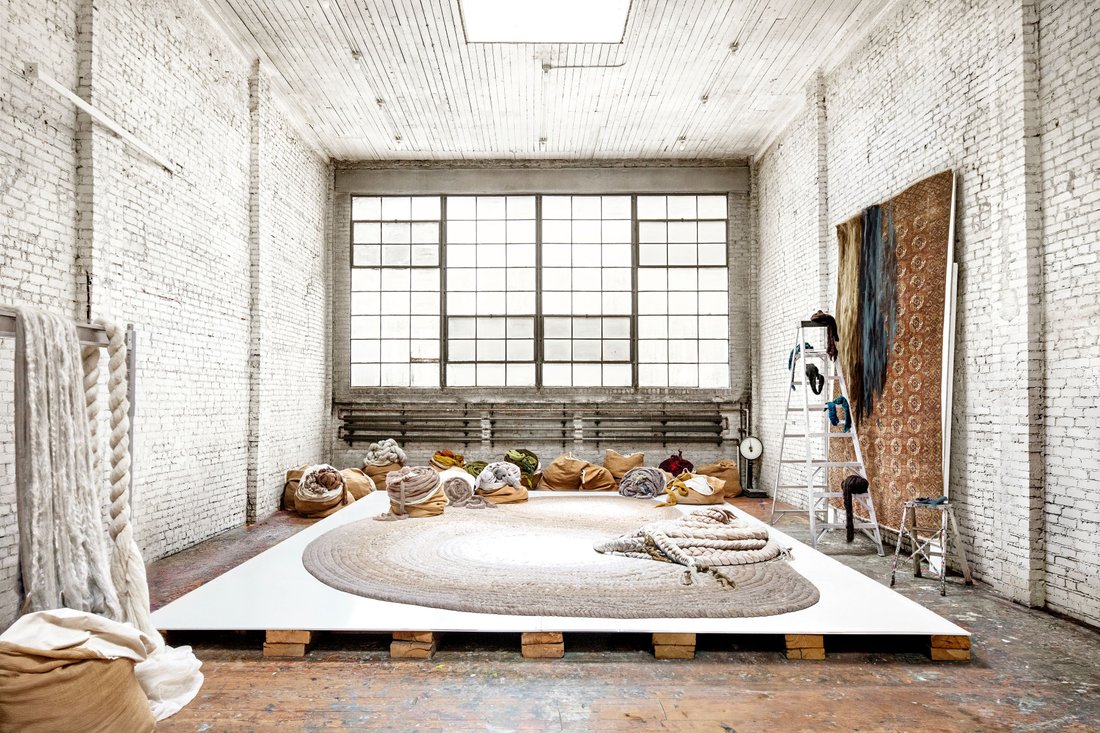
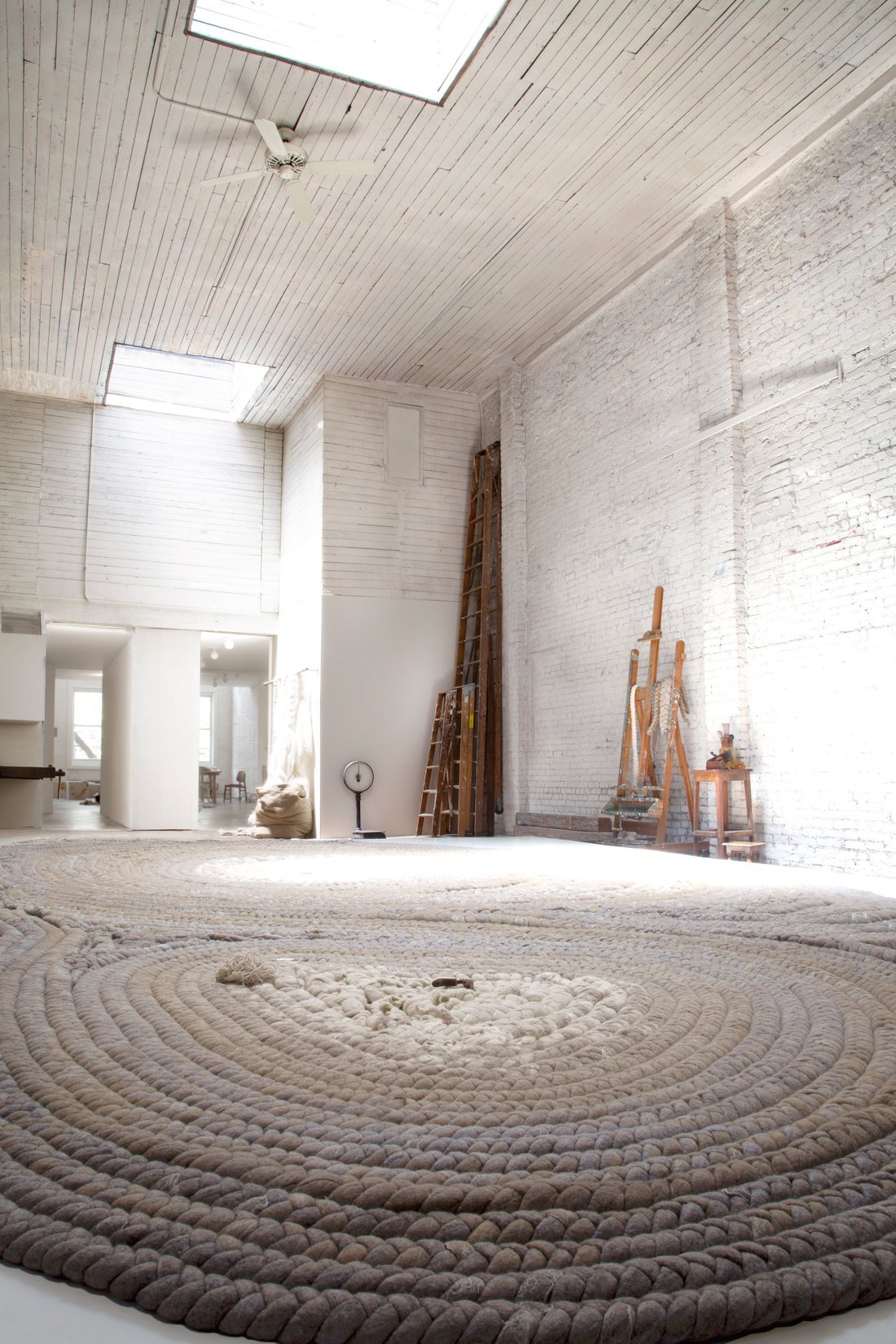
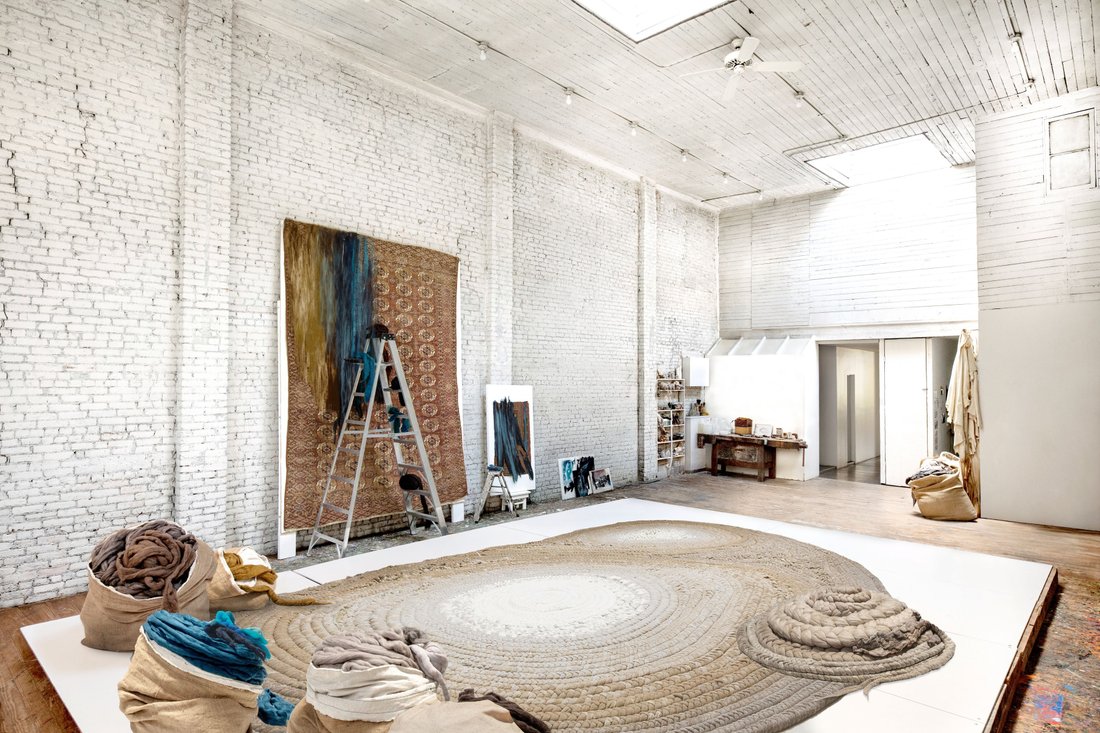
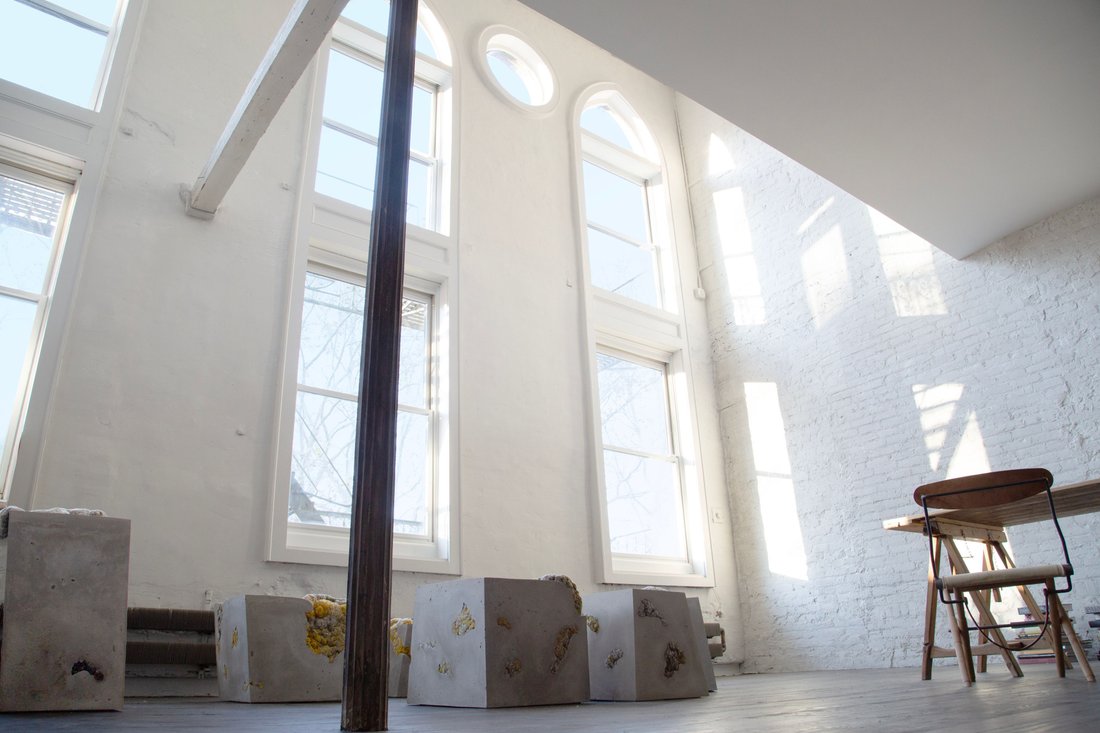
80 de Forsyth Street es una oportunidad singular y extremadamente rara. La seriedad histórica y el carácter conmovedor del edificio se hacen evidentes inmediatamente al entrar. La escala heroica y los detalles arquitectónicos irremplazables abundan en una miríada de espacios creativos luminosos que simplemente hay que experimentar. Con una ubicación ideal en un terreno de 25,25 pies por 100,25 pies y con una superficie de más de 6,800 pies cuadrados, 80 Forsyth Street es un lugar único e inolvidable. Los aproximadamente 10,000 pies cuadrados de derechos aéreos adicionales ofrecen innumerables posibilidades y son un lienzo poco común para quienes buscan una propiedad con un carácter único, una profundidad cultural y una procedencia impresionante. La zonificación flexible del bloque permitiría una variedad de usos, por ejemplo, como espacio para vivir y trabajar, sede de una fundación o museo, o como inspiradora residencia unifamiliar o multifamiliar (sujeto a la revisión del arquitecto del comprador).
Construido originalmente en 1874, el edificio albergaba a la congregación Kol Israel Anshe Poland, una de las primeras comunidades judías de Europa del Este que se estableció en Nueva York tras emigrar de Suwalki (Polonia). Construida específicamente como sinagoga, la estructura incluía una mikve (baño ritual con agua de lluvia) en su sótano, un elemento poco común e históricamente significativo que se mantuvo en uso hasta principios del siglo XX. A medida que la congregación prosperó, se encargó construir una sinagoga más grandiosa en las cercanías, lo que dejó a 80 Forsyth como un punto de referencia espiritual y comunitario vital durante los años de formación del vecindario.
A principios del siglo XX, cuando los cambios demográficos y económicos reformaron el Lower East Side, el edificio pasó a ser de uso comercial, lo que reflejó la transformación más amplia del propio vecindario. Sin embargo, su capítulo más influyente aún estaba por llegar.
En 1962, la propiedad fue comprada por Milton Resnick, una figura fundamental del movimiento expresionista abstracto, y su esposa, la pintora Pat Passloft. Presentados por su amigo íntimo Willem de Kooning, Resnick y Passof transformaron el antiguo santuario en una combinación de residencia y estudio de pintura, honrando el enorme volumen lleno de luz del espacio original y, al mismo tiempo, lo dotaron de una nueva vida creativa. Durante casi cinco décadas, 80 Forsyth sirvió de hogar y estudio, un entorno íntimo para la producción artística, la reflexión y el diálogo en el corazón del arte estadounidense de posguerra.
El linaje artístico de la propiedad continúa hasta nuestros días, sirviendo como estudio y galería de un artista escultórico de renombre internacional cuyo trabajo utiliza fibras naturales y otros materiales, extrae fuerza de la presencia arquitectónica cruda del edificio, lo que subraya su papel perdurable como sitio de investigación y producción artística.
Con casi 150 años de historia compleja, 80 Forsyth Street se erige como una encarnación poco común y convincente de la evolución del Lower East Side, que pasó de ser un enclave de inmigrantes a un epicentro artístico.
A former Lower East Side synagogue with extraordinary volume, abstract expressionist provenance, and rare potential for live/work, studio, gallery, foundation or creative use.
80 Forsyth Street stands as a singular, and exceedingly rare, opportunity. The building’s historic gravitas and soulfulness are immediately apparent upon entering. Heroic scale and irreplaceable architectural details abound throughout a myriad of luminous creative spaces which simply must be experienced. Ideally set on a 25.25 ft by 100.25 ft lot and spanning over 6,800 square feet 80 Forsyth Street is uniquely memorable. Approximately 10,000 square feet of additional air rights offer countless possibilities and a rare canvas for those seeking a property with unique character, cultural depth and an impressive provenance. The block’s flexible zoning would permit a variety of uses, including as a live/work space, a headquarters for a foundation or museum, or an inspired single or multi-family residence (subject to review by buyer’s architect).
Originally constructed in 1874, the building was home to the Kol Israel Anshe Poland congregation, one of the earliest Eastern European Jewish communities to settle in New York after emigrating from Suwałki, Poland. Purpose-built as a synagogue, the structure featured a mikvah (ritual rainwater bath) in its basement—an uncommon and historically significant element that remained in use into the early 20th century. As the congregation flourished, it commissioned a grander synagogue nearby, leaving 80 Forsyth as a vital spiritual and communal anchor during the neighborhood’s formative years.
By the early 1900s, as demographic and economic shifts reshaped the Lower East Side, the building transitioned into commercial use—mirroring the broader transformation of the neighborhood itself. Yet its most influential chapter was still to come.
In 1962, the property was purchased by Milton Resnick, a seminal figure of the Abstract Expressionist movement, and his wife, painter Pat Passlof. Introduced by close friend Willem de Kooning, Resnick and Passlof transformed the former sanctuary into a combined residence and painting studio, honoring the vast, light-filled volume of the original space while imbuing it with new creative life. For nearly five decades, 80 Forsyth served as both home and studio—an intimate setting for artistic production, reflection, and dialogue at the heart of postwar American art.
The property’s artistic lineage continues into the present day, serving as the studio and gallery of an internationally renown sculptural artist whose work engages natural fibers and other materials, draws strength from the building’s raw architectural presence, underscoring its enduring role as a site of artistic inquiry and production.
Rich with nearly 150 years of layered history, 80 Forsyth Street stands as a rare and compelling embodiment of the Lower East Side’s evolution—from immigrant enclave to artistic epicenter.
-
Tipo de propiedad
Townhouse
-
Año de construcción
1874
-
Precio/pie²
$1,610
Características
- Terraza
- Chimenea
- Sótano
- Espacio de vida al aire libre
- Techo alto
- Lavadora Secadora
- Aire Acondicionado
- Plano de planta 2D
Explorar la zona

El agente se comunicará con usted pronto por
Publicado por
Reserva una visita con Jonathan Hettinger
Elija una fecha y si prefiere una visita virtual o presencial con el agente.

Propiedades similares cercanas
Nuevos anuncios en Manhattan












Explorar más viviendas en venta
Manhattan, NY, Estados Unidos tipos de propiedad
- Condominios en venta en Manhattan, NY, Estados Unidos
- Cooperativas en venta en Manhattan, NY, Estados Unidos
- Casas en venta en Manhattan, NY, Estados Unidos
- Apartamentos en venta en Manhattan, NY, Estados Unidos
- Casas adosadas en venta en Manhattan, NY, Estados Unidos
- Villas en venta en Manhattan, NY, Estados Unidos
- Penthouses en venta en Manhattan, NY, Estados Unidos
Manhattan, NY, Estados Unidos búsquedas populares
- Propiedades con Gimnasio en Manhattan, NY, Estados Unidos
- Propiedades con Terraza en Manhattan, NY, Estados Unidos
- Propiedades con Jardín en Manhattan, NY, Estados Unidos
- Propiedades con Garaje en Manhattan, NY, Estados Unidos
- Propiedades con Piscina en Manhattan, NY, Estados Unidos
- Propiedades con Biblioteca en Manhattan, NY, Estados Unidos
- Propiedades Moderno en Manhattan, NY, Estados Unidos
- Propiedades con Sauna en Manhattan, NY, Estados Unidos
- Propiedades Vista al Río en Manhattan, NY, Estados Unidos
- Propiedades Duplex en Manhattan, NY, Estados Unidos
- Propiedades Propiedad de Inversión en Manhattan, NY, Estados Unidos
- Propiedades con Piscina cubierta en Manhattan, NY, Estados Unidos
- Propiedades Frente al Agua en Manhattan, NY, Estados Unidos
- Propiedades con Cancha de Tenis en Manhattan, NY, Estados Unidos
- Propiedades Ecuestre en Manhattan, NY, Estados Unidos
- Propiedades Vista a la Montaña en Manhattan, NY, Estados Unidos
- Propiedades Vista al Lago en Manhattan, NY, Estados Unidos
- Propiedades Comunidad Cerrada en Manhattan, NY, Estados Unidos
- Propiedades con Helipuerto en Manhattan, NY, Estados Unidos
Guías e historias relacionadas
La confianza de los mejores brokers del mundo
Los agentes tras las propiedades más excepcionales del mundo publican en JamesEdition.
- Anuncios de Sotheby's, Christie's, BARNES y Engel & Völkers
- Cada anuncio se revisa antes de publicarse
- Conecte directamente con agentes verificados
Al continuar, acepta nuestros Términos y la Política de Privacidad.
partnered with