$5,481,229
Torre Del Palacio En La Merindades
- 13 Hab.
- 14 Baños
- 17,223 Sqft
- 15
Sobre la propiedad
La descripción se tradujo automáticamente.
La descripción se muestra en el idioma original.
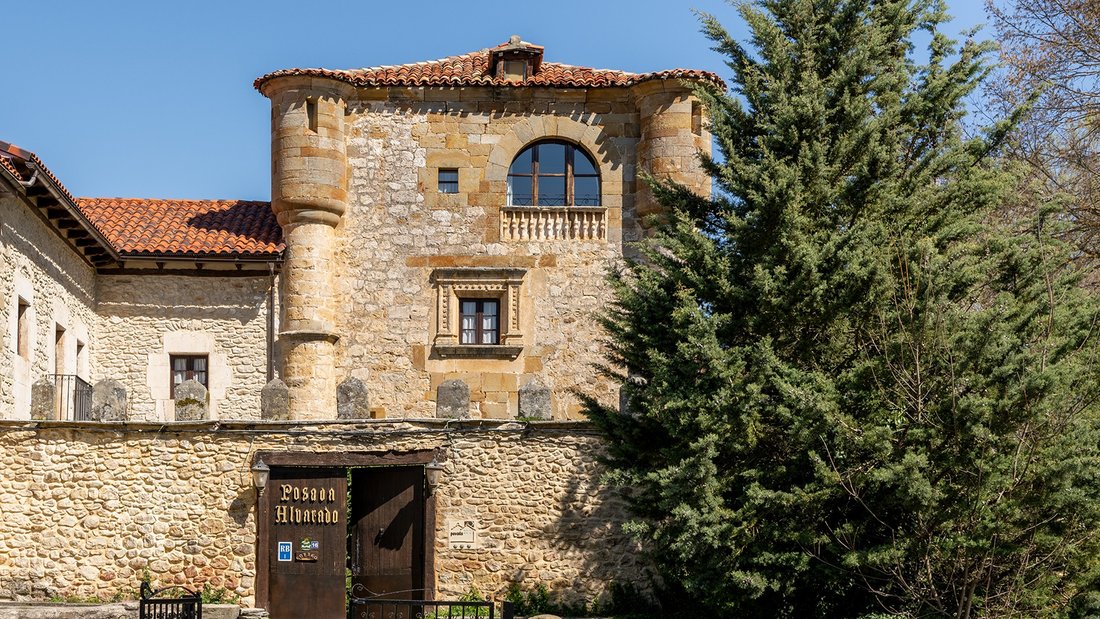
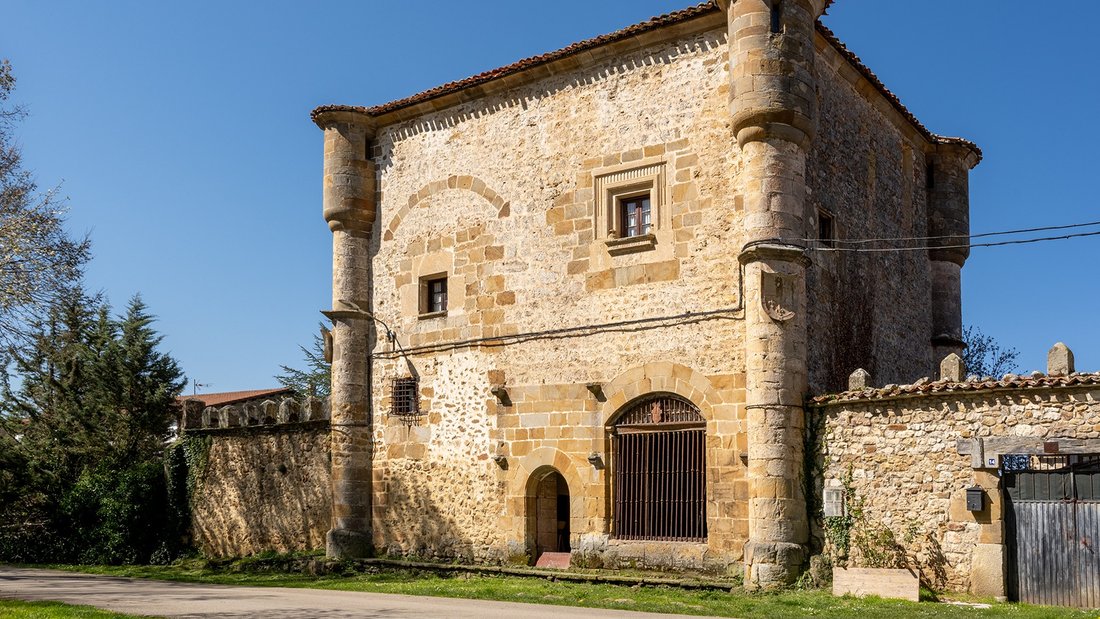
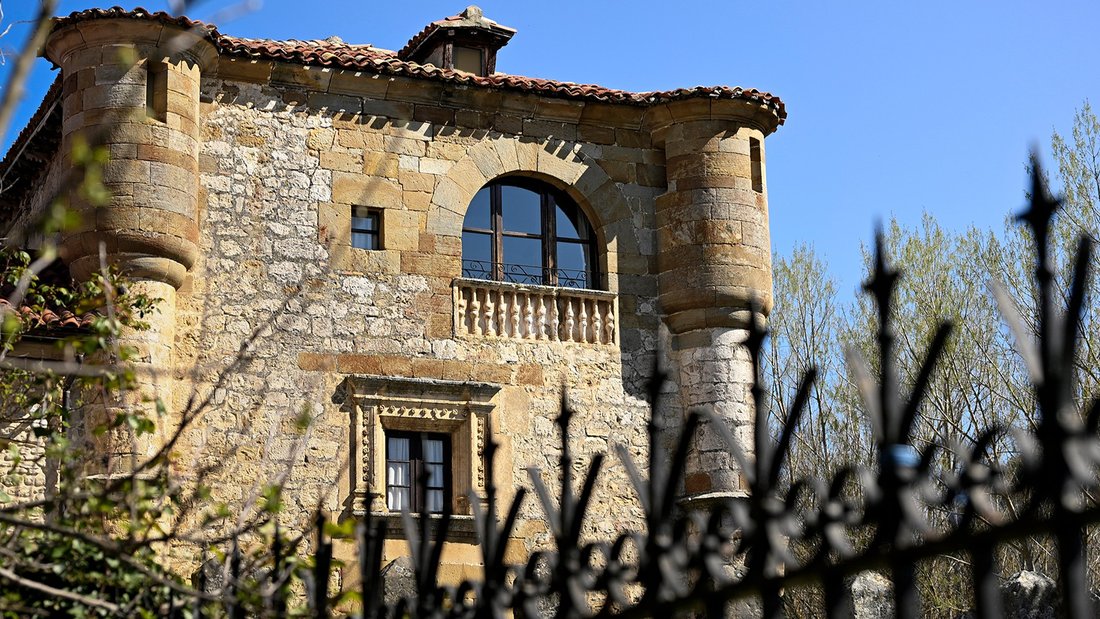
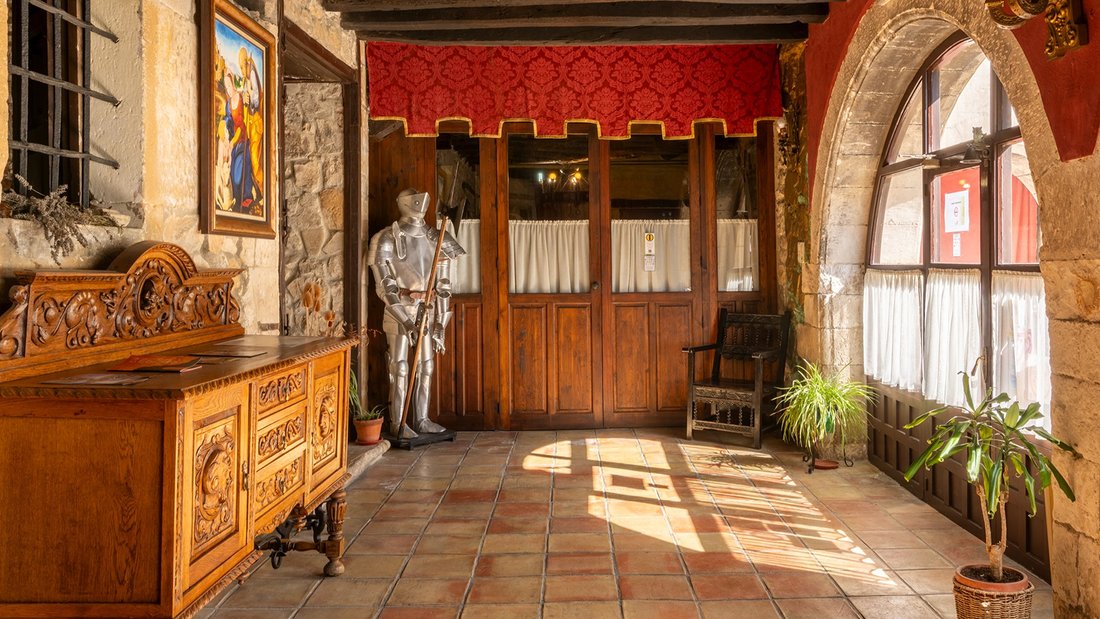
Majestuoso conjunto arquitectónico catalogado como Bien de Interés Cultural, compuesto por una torre del siglo XVI, un palacio del siglo XVIII, capilla privada, patios interiores y extensas zonas ajardinadas. La superficie construida alcanza aproximadamente los 1.670 m², asentada sobre una parcela de 1.163,50 m².
La torre, de origen defensivo en el siglo XII y transformada en residencia s
La torre, de origen defensivo en el siglo XII y transformada en residencia s
Majestic architectural ensemble classified as a Cultural Heritage site, composed of a tower from the 16th century, an 18th century palace, a private chapel, interior courtyards, and extensive garden areas. The built area reaches approximately 1,670 m², situated on a plot of 1,163.50 m².
The tower, originally a defensive structure in the 12th century and transformed into a stately residenc
The tower, originally a defensive structure in the 12th century and transformed into a stately residenc
Majestuoso conjunto arquitectónico catalogado como Bien de Interés Cultural, compuesto por una torre del siglo XVI, un palacio del siglo XVIII, capilla privada, patios interiores y extensas zonas ajardinadas. La superficie construida alcanza aproximadamente los 1.670 m², asentada sobre una parcela de 1.163,50 m².
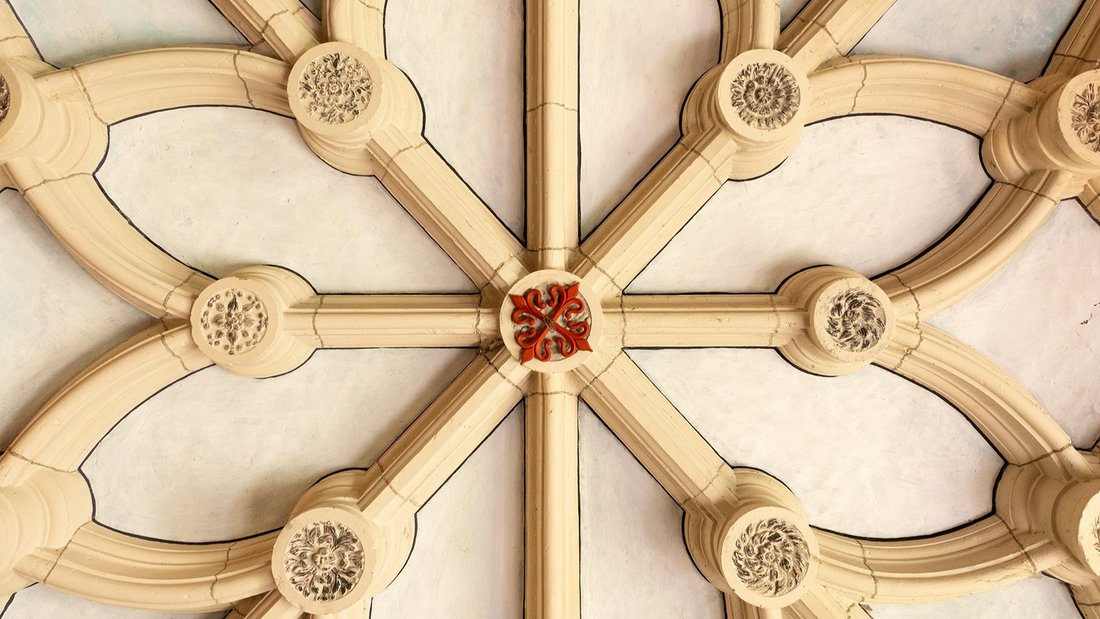
La torre, de origen defensivo en el siglo XII y transformada en residencia señorial en el siglo XVI por el Marqués de Alvarado y su esposa, María de Velasco —miembros de un noble linaje vinculado al Duque de Frías y al Condestable de Castilla— constituye hoy un exquisito ejemplo de la arquitectura renacentista castellana. Distribuida en cuatro plantas con una superficie total de 413,95 m², destaca especialmente la planta baja, que alberga una capilla con bóveda de crucería y una cruz de Calatrava esculpida en la clave central. El acceso se realiza a través de un arco de medio punto moldurado, con ventanales enrejados e inscripciones originales del siglo XVI.
El palacio, adosado a la torre y construido en 1784 por el Marqués de Rivaherrera, suma 1.254,70 m² distribuidos en tres plantas, conectadas entre sí por una elegante arquería doble que da paso a un acogedor zaguán.
Ambos inmuebles se encuentran protegidos por decreto nacional como parte del Catálogo de Castillos de España, lo que garantiza su conservación y resalta su exclusividad. Actualmente en funcionamiento como hotel.
Tras una minuciosa rehabilitación finalizada en 2007, el conjunto opera como una posada de encanto de carácter exclusivo, equipada con:
11 suites decoradas en estilo rústico con especial cuidado en cada detalle.
Restaurante gourmet con capacidad para 60 comensales.
Cafetería-bar.
Salones para eventos y reuniones privadas.
Amplia terraza con vistas a los jardines.
Apartamento independiente con 3 dormitorios, 2 baños y salón-comedor con cocina integrada (concepto abierto).
Espacio multifuncional diáfano de 240 m² en la planta superior.
Esta propiedad fue lugar de descanso de figuras ilustres como el emperador Carlos V —quien pernoctó aquí tras su llegada a Laredo— y el rey Fernando VII. Conserva además un documento original emitido por el Papa Julio III, otorgando licencia para la celebración de misas en la capilla privada, lo que acentúa su valor histórico, espiritual y simbólico.
Ideal para quienes buscan desarrollar un proyecto hotelero boutique, establecer una residencia privada de carácter singular o disponer de una sede institucional de prestigio. Este conjunto histórico aúna arquitectura, legado, arte y confort en un entorno incomparable.
La torre, de origen defensivo en el siglo XII y transformada en residencia señorial en el siglo XVI por el Marqués de Alvarado y su esposa, María de Velasco —miembros de un noble linaje vinculado al Duque de Frías y al Condestable de Castilla— constituye hoy un exquisito ejemplo de la arquitectura renacentista castellana. Distribuida en cuatro plantas con una superficie total de 413,95 m², destaca especialmente la planta baja, que alberga una capilla con bóveda de crucería y una cruz de Calatrava esculpida en la clave central. El acceso se realiza a través de un arco de medio punto moldurado, con ventanales enrejados e inscripciones originales del siglo XVI.
El palacio, adosado a la torre y construido en 1784 por el Marqués de Rivaherrera, suma 1.254,70 m² distribuidos en tres plantas, conectadas entre sí por una elegante arquería doble que da paso a un acogedor zaguán.
Ambos inmuebles se encuentran protegidos por decreto nacional como parte del Catálogo de Castillos de España, lo que garantiza su conservación y resalta su exclusividad. Actualmente en funcionamiento como hotel.
Tras una minuciosa rehabilitación finalizada en 2007, el conjunto opera como una posada de encanto de carácter exclusivo, equipada con:
11 suites decoradas en estilo rústico con especial cuidado en cada detalle.
Restaurante gourmet con capacidad para 60 comensales.
Cafetería-bar.
Salones para eventos y reuniones privadas.
Amplia terraza con vistas a los jardines.
Apartamento independiente con 3 dormitorios, 2 baños y salón-comedor con cocina integrada (concepto abierto).
Espacio multifuncional diáfano de 240 m² en la planta superior.
Esta propiedad fue lugar de descanso de figuras ilustres como el emperador Carlos V —quien pernoctó aquí tras su llegada a Laredo— y el rey Fernando VII. Conserva además un documento original emitido por el Papa Julio III, otorgando licencia para la celebración de misas en la capilla privada, lo que acentúa su valor histórico, espiritual y simbólico.
Ideal para quienes buscan desarrollar un proyecto hotelero boutique, establecer una residencia privada de carácter singular o disponer de una sede institucional de prestigio. Este conjunto histórico aúna arquitectura, legado, arte y confort en un entorno incomparable.
Majestic architectural ensemble classified as a Cultural Heritage site, composed of a tower from the 16th century, an 18th century palace, a private chapel, interior courtyards, and extensive garden areas. The built area reaches approximately 1,670 m², situated on a plot of 1,163.50 m².
The tower, originally a defensive structure in the 12th century and transformed into a stately residence in the 16th century by the Marquis of Alvarado and his wife, María de Velasco - members of a noble lineage linked to the Duke of Frías and the Constable of Castile - is now an exquisite example of Castilian Renaissance architecture. Distributed on four floors with a total surface of 413.95 m², the ground floor stands out, housing a chapel with a ribbed vault and a Calatrava cross sculpted in the central key. Access is through a molded semicircular arch, with latticed windows and original inscriptions from the 16th century.
The palace, attached to the tower and built in 1784 by the Marquis of Rivaherrera, adds up to 1,254.70 m² distributed over three floors, connected by an elegant double arcade that leads to a cozy entrance hall.
Both buildings are protected by national decree as part of the Catalog of Castles of Spain, guaranteeing their preservation and highlighting their exclusivity. Currently in operation as a hotel.
Following a meticulous rehabilitation completed in 2007, the ensemble operates as an exclusive and charming inn, equipped with:
11 suites decorated with rustic style and special attention to each detail.
Gourmet restaurant with a capacity for 60 diners.
Cafeteria-bar.
Rooms for events and private meetings.
Spacious terrace overlooking the gardens.
Independent apartment with 3 bedrooms, 2 bathrooms, and a living-dining room with integrated kitchen (open concept).
Open-plan multifunctional space of 240 m² on the upper floor.
This property was a resting place for illustrious figures such as Emperor Charles V - who stayed here after arriving in Laredo - and King Ferdinand VII. It also preserves an original document issued by Pope Julius III, granting permission for the celebration of masses in the private chapel, accentuating its historical, spiritual, and symbolic value.
Ideal for those looking to develop a boutique hotel project, establish a unique private residence, or have a prestigious institutional headquarters. This historic ensemble combines architecture, legacy, art, and comfort in an incomparable setting.
The tower, originally a defensive structure in the 12th century and transformed into a stately residence in the 16th century by the Marquis of Alvarado and his wife, María de Velasco - members of a noble lineage linked to the Duke of Frías and the Constable of Castile - is now an exquisite example of Castilian Renaissance architecture. Distributed on four floors with a total surface of 413.95 m², the ground floor stands out, housing a chapel with a ribbed vault and a Calatrava cross sculpted in the central key. Access is through a molded semicircular arch, with latticed windows and original inscriptions from the 16th century.
The palace, attached to the tower and built in 1784 by the Marquis of Rivaherrera, adds up to 1,254.70 m² distributed over three floors, connected by an elegant double arcade that leads to a cozy entrance hall.
Both buildings are protected by national decree as part of the Catalog of Castles of Spain, guaranteeing their preservation and highlighting their exclusivity. Currently in operation as a hotel.
Following a meticulous rehabilitation completed in 2007, the ensemble operates as an exclusive and charming inn, equipped with:
11 suites decorated with rustic style and special attention to each detail.
Gourmet restaurant with a capacity for 60 diners.
Cafeteria-bar.
Rooms for events and private meetings.
Spacious terrace overlooking the gardens.
Independent apartment with 3 bedrooms, 2 bathrooms, and a living-dining room with integrated kitchen (open concept).
Open-plan multifunctional space of 240 m² on the upper floor.
This property was a resting place for illustrious figures such as Emperor Charles V - who stayed here after arriving in Laredo - and King Ferdinand VII. It also preserves an original document issued by Pope Julius III, granting permission for the celebration of masses in the private chapel, accentuating its historical, spiritual, and symbolic value.
Ideal for those looking to develop a boutique hotel project, establish a unique private residence, or have a prestigious institutional headquarters. This historic ensemble combines architecture, legacy, art, and comfort in an incomparable setting.
-
Tipo de propiedad
Otros
-
Año de construcción
1557
-
Precio/pie²
$318
Características
Explorar la zona
Se unió hace 2 años
Usted ha preguntado por esta propiedad
El agente se comunicará con usted pronto por
Publicado por
10
Anuncios
2025
Se unió
Reserva una visita con Fernanda Viñas Cue
Elija una fecha y si prefiere una visita virtual o presencial con el agente.
Fecha preferida
Tipo de tour

Spain Sotheby's International Realty
Calle Lagasca 28, 28001, Madrid, Madrid, Spain
Ver perfil de la agencia
Offering high-end properties in the city, villas and equestrian farms on the
outskirts of the city. Madrid, the
outskirts of the city. Madrid, the
Offering high-end properties in the city, villas and equestrian farms on the
outskirts of the city. Madrid, the capital of Spain, is located in the centre of
the Iberian Peninsula. It is a very active city, with a lively nightlife and
scores of daytime allures. It is home to famous museums such as El Prado,
Thyssen-Bornemisza and Reina Sofia, great historic architecture, shopping
boulevards and excellent cuisine. It has a great diversity of districts that
merit visiting.
outskirts of the city. Madrid, the capital of Spain, is located in the centre of
the Iberian Peninsula. It is a very active city, with a lively nightlife and
scores of daytime allures. It is home to famous museums such as El Prado,
Thyssen-Bornemisza and Reina Sofia, great historic architecture, shopping
boulevards and excellent cuisine. It has a great diversity of districts that
merit visiting.
Última actualización
Enero 23
Primera publicación
Abril 17, 2025
Enlace del anuncio
Referencia del anuncio
GT4XHN
La confianza de los mejores brokers del mundo
Los agentes tras las propiedades más excepcionales del mundo publican en JamesEdition.
- Anuncios de Sotheby's, Christie's, BARNES y Engel & Völkers
- Cada anuncio se revisa antes de publicarse
- Conecte directamente con agentes verificados
Al continuar, acepta nuestros Términos y la Política de Privacidad.