$2,067,501
Gran Oportunidad De Inversión En Goya
- 4 Hab.
- 5 Baños
- 2,272 Sqft
- Actualizado: Junio 11
- 1
Sobre la propiedad
La descripción se tradujo automáticamente.
La descripción se muestra en el idioma original.
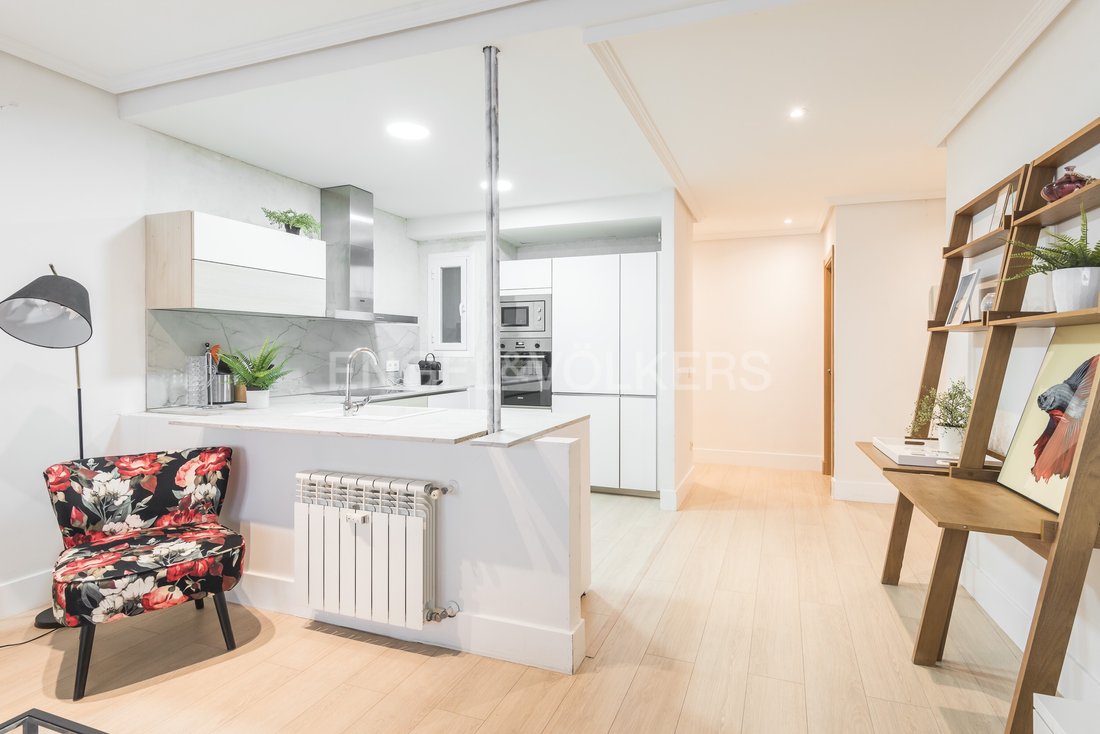
Engel & Völkers presenta esta excelente oportunidad de inversión en el distrito de Salamanca. Ubicada en un edificio de los años 50, la propiedad se divide en tres apartamentos, uno de los pisos es un estudio de 32 m², el segundo tiene dos dormitorios, dos baños y una cocina independiente de 83 m² y el tercero es interior con vistas al patio de manzana de 63 m², también con dos dormitorios y d
Engel & Völkers presents this excellent investment opportunity in the Salamanca district. Located in a building from the 50’s, the property is divided into three flats, one of the flats is a studio with 32 m², the second one has two bedrooms, two bathrooms and an independent kitchen of 83 m² and the third one is interior overlooking the block patio with 63 m², also with two bedrooms and two ba
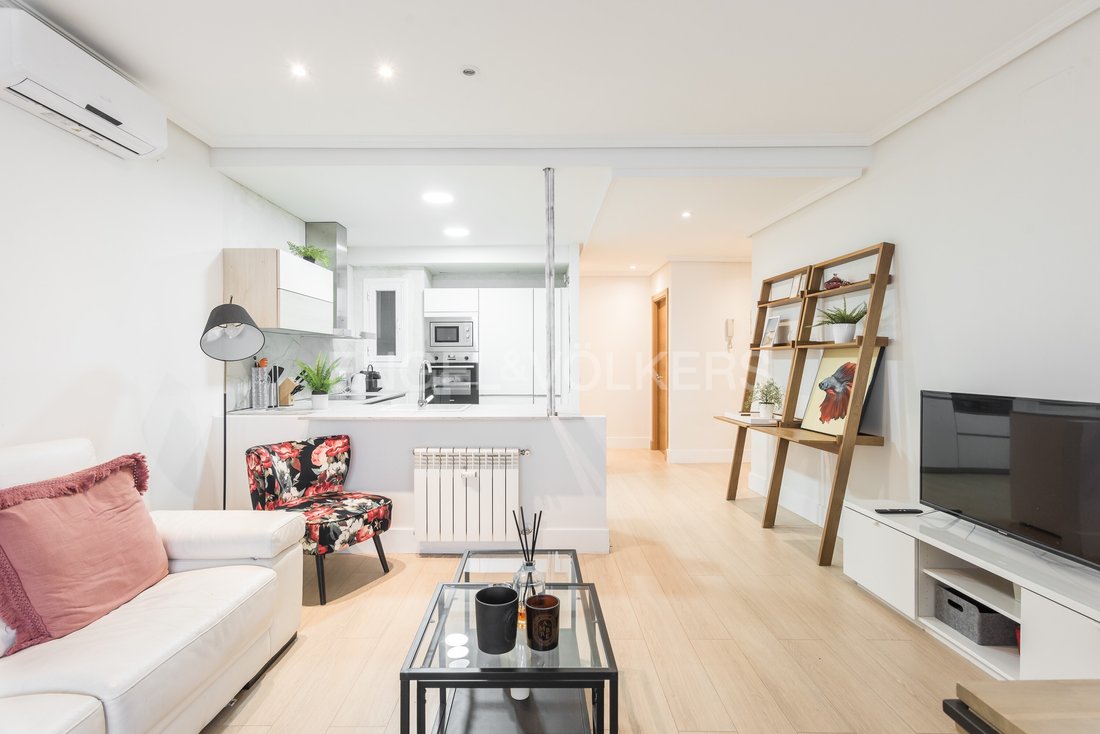
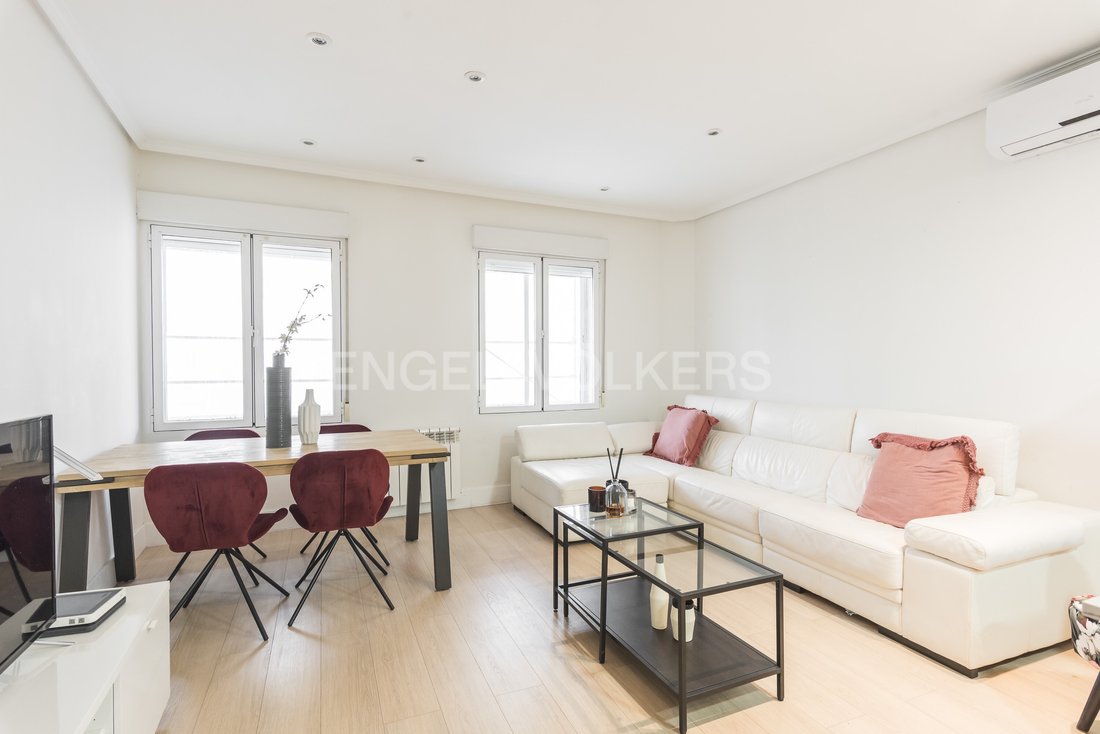
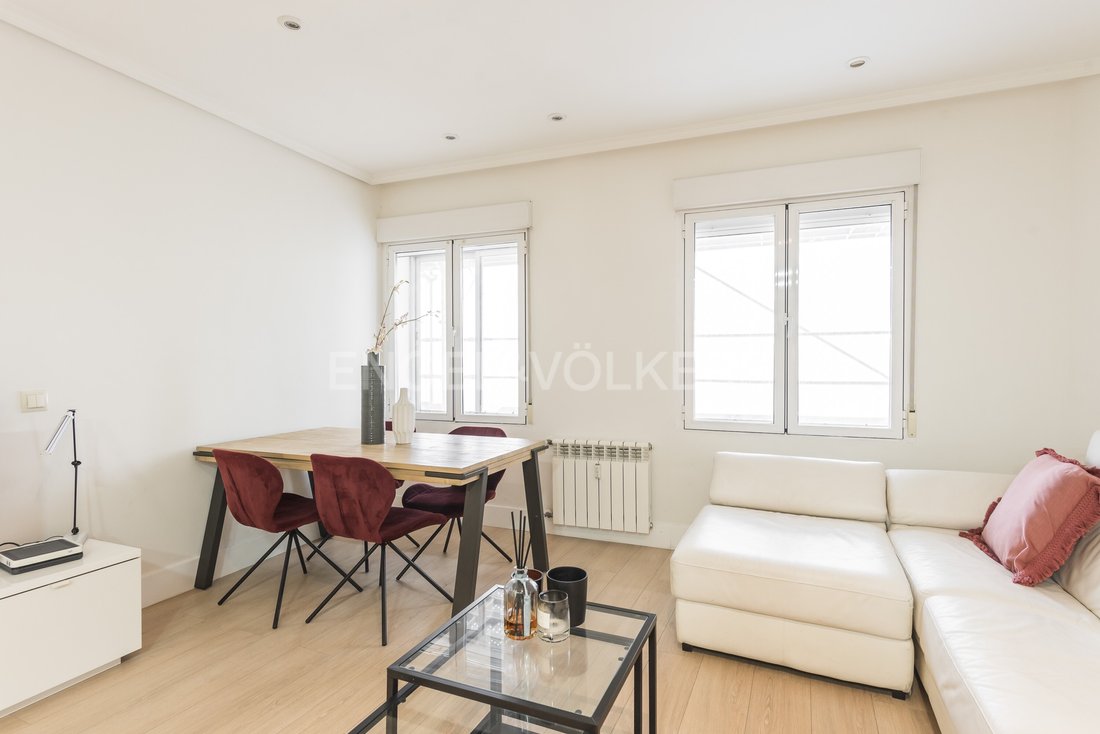
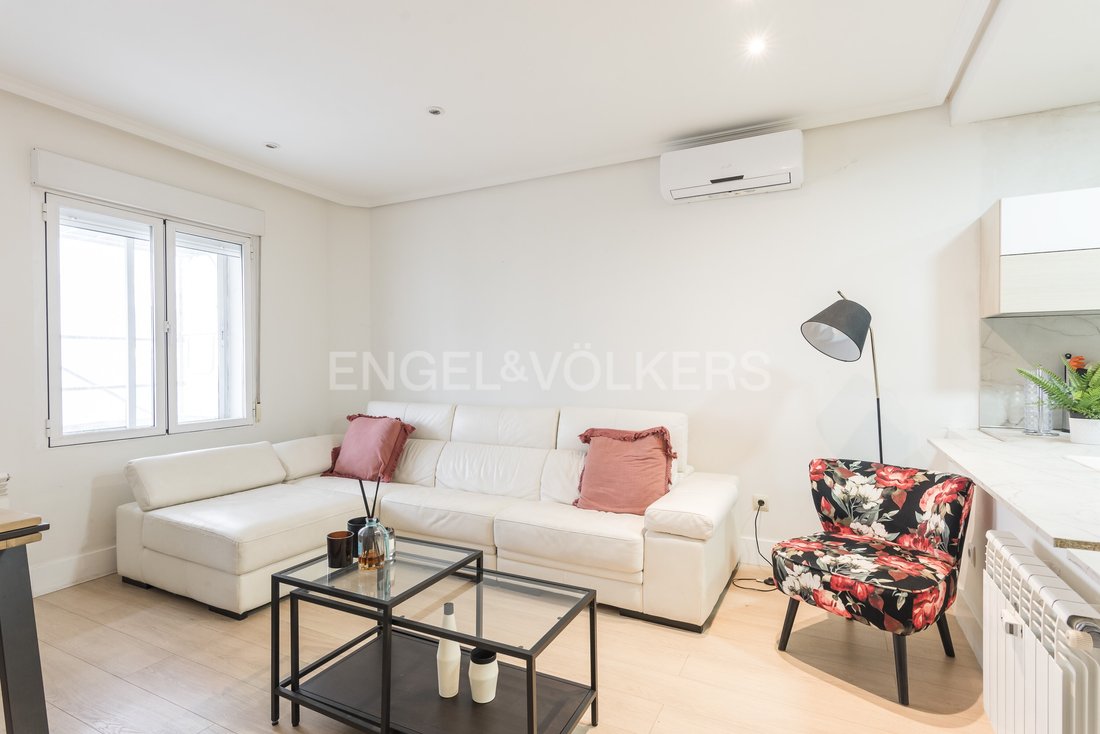
Engel & Völkers presenta esta excelente oportunidad de inversión en el distrito de Salamanca. Ubicada en un edificio de los años 50, la propiedad se divide en tres apartamentos, uno de los pisos es un estudio de 32 m², el segundo tiene dos dormitorios, dos baños y una cocina independiente de 83 m² y el tercero es interior con vistas al patio de manzana de 63 m², también con dos dormitorios y dos baños y cocina integrada en la sala de estar.
Todos con aire acondicionado por divisiones y cocinas totalmente equipadas.
También se puede utilizar como residencia permanente, con una reforma, obteniendo un excelente piso con tres dormitorios en suite y una gran área social.
El distrito de Salamanca es una de las zonas más relevantes de Madrid, tanto por su peculiar distribución como por los residentes que tradicionalmente han habitado las emblemáticas calles. Su construcción data de la segunda mitad del siglo XIX y corresponde a la expansión urbana llevada a cabo durante el reinado de Isabel II. El predecesor al que debe su nombre fue José de Salamanca y Mayol, marqués de Salamanca, quien concibió un nuevo sitio con un elegante edificio que albergara a las clases aristocráticas y burguesas de Madrid. De estilo decimonónico, se caracteriza por su especial distribución en cuadrícula regular con calles perpendiculares. Sus edificios son de especial interés por su calidad arquitectónica y la belleza de sus fachadas. Tradicionalmente Salamanca era una zona de uso residencial, especialmente habitada por las élites políticas y económicas del país. En los últimos cincuenta años, este carácter residencial coexiste con otras actividades como las empresariales, diplomáticas y, sobre todo, comerciales, ya que es una de las zonas de moda de lujo más importantes de la capital. Los orígenes del parque se remontan a la época de los Reyes Católicos, a finales del siglo XV y principios del XVI. Sin embargo, la construcción del barrio es mucho más tardía. Corresponde a finales del siglo XIX, cuando el auge demográfico de la ciudad propició sucesivas ampliaciones. Esta zona mantiene un trazado similar al del barrio de Salamanca, con calles perpendiculares con aceras anchas. Aunque es principalmente residencial, su proximidad al centro de la ciudad hace que se combine con actividades comerciales y empresariales.
Split tiene aire acondicionado
Todos con aire acondicionado por divisiones y cocinas totalmente equipadas.
También se puede utilizar como residencia permanente, con una reforma, obteniendo un excelente piso con tres dormitorios en suite y una gran área social.
El distrito de Salamanca es una de las zonas más relevantes de Madrid, tanto por su peculiar distribución como por los residentes que tradicionalmente han habitado las emblemáticas calles. Su construcción data de la segunda mitad del siglo XIX y corresponde a la expansión urbana llevada a cabo durante el reinado de Isabel II. El predecesor al que debe su nombre fue José de Salamanca y Mayol, marqués de Salamanca, quien concibió un nuevo sitio con un elegante edificio que albergara a las clases aristocráticas y burguesas de Madrid. De estilo decimonónico, se caracteriza por su especial distribución en cuadrícula regular con calles perpendiculares. Sus edificios son de especial interés por su calidad arquitectónica y la belleza de sus fachadas. Tradicionalmente Salamanca era una zona de uso residencial, especialmente habitada por las élites políticas y económicas del país. En los últimos cincuenta años, este carácter residencial coexiste con otras actividades como las empresariales, diplomáticas y, sobre todo, comerciales, ya que es una de las zonas de moda de lujo más importantes de la capital. Los orígenes del parque se remontan a la época de los Reyes Católicos, a finales del siglo XV y principios del XVI. Sin embargo, la construcción del barrio es mucho más tardía. Corresponde a finales del siglo XIX, cuando el auge demográfico de la ciudad propició sucesivas ampliaciones. Esta zona mantiene un trazado similar al del barrio de Salamanca, con calles perpendiculares con aceras anchas. Aunque es principalmente residencial, su proximidad al centro de la ciudad hace que se combine con actividades comerciales y empresariales.
Split tiene aire acondicionado
Engel & Völkers presents this excellent investment opportunity in the Salamanca district. Located in a building from the 50’s, the property is divided into three flats, one of the flats is a studio with 32 m², the second one has two bedrooms, two bathrooms and an independent kitchen of 83 m² and the third one is interior overlooking the block patio with 63 m², also with two bedrooms and two bathrooms and kitchen integrated in the living room.
All with air conditioning by splits and fully fitted kitchens.
It can also be used as a permanent residence, with a refurbishment, obtaining an excellent flat with three en suite bedrooms and a large social area.
The district of Salamanca is one of the most relevant areas of Madrid, by its peculiar distribution and residents who have traditionally inhabited the emblematic streets alike. Its construction dates from the second half of the 19th century and corresponds to the urban expansion carried out during the reign of Isabel II. The predecessor to which it owes its name was José de Salamanca y Mayol, Marques of Salamanca, who conceived a new site with a neat building which houses the aristocratic and bourgeois classes of Madrid. Nineteenth-century style, characterised by its special distribution regular grid with perpendicular streets. Its buildings are of special interest due to its architectural quality and the beauty of its facades. Traditionally Salamanca was an area of residential use, especially inhabited by the political and economic elites of the country. In the last fifty years this residential character coexists with other activities such as business, diplomatic and, especially commercial since it is one of the most important luxury fashion areas of the capital. The origins of the park date back to the time of the Catholic Monarchs, at the end of the 15th century and the beginning of the 16th. However, the construction of the neighbourhood is much later. It corresponds to the late nineteenth century, when the demographic boom of the city led to successive extensions. This area maintains a layout similar to that of the neighbourhood of Salamanca, with perpendicular streets with wide sidewalks. Although it is mainly residential, its proximity to the city centre makes it combined with commercial and business.
Split air-conditioned
All with air conditioning by splits and fully fitted kitchens.
It can also be used as a permanent residence, with a refurbishment, obtaining an excellent flat with three en suite bedrooms and a large social area.
The district of Salamanca is one of the most relevant areas of Madrid, by its peculiar distribution and residents who have traditionally inhabited the emblematic streets alike. Its construction dates from the second half of the 19th century and corresponds to the urban expansion carried out during the reign of Isabel II. The predecessor to which it owes its name was José de Salamanca y Mayol, Marques of Salamanca, who conceived a new site with a neat building which houses the aristocratic and bourgeois classes of Madrid. Nineteenth-century style, characterised by its special distribution regular grid with perpendicular streets. Its buildings are of special interest due to its architectural quality and the beauty of its facades. Traditionally Salamanca was an area of residential use, especially inhabited by the political and economic elites of the country. In the last fifty years this residential character coexists with other activities such as business, diplomatic and, especially commercial since it is one of the most important luxury fashion areas of the capital. The origins of the park date back to the time of the Catholic Monarchs, at the end of the 15th century and the beginning of the 16th. However, the construction of the neighbourhood is much later. It corresponds to the late nineteenth century, when the demographic boom of the city led to successive extensions. This area maintains a layout similar to that of the neighbourhood of Salamanca, with perpendicular streets with wide sidewalks. Although it is mainly residential, its proximity to the city centre makes it combined with commercial and business.
Split air-conditioned
-
Tipo de propiedad
Apartamento
-
Pisos
7
-
Año de construcción
1952
-
Precio/pie²
$910
-
Emisiones
E
-
Consumo
E
Características
- Ascensor
- Propiedad de Inversión
- Lavadora Secadora
- Bar
- Encimeras de piedra
- Aire Acondicionado
Explorar la zona
Calle de Alcalá, Salamanca, Madrid, 28009, Spain
Ver en Google Maps
Precio por sqft
Bajo
Alto
Se unió hace 3 años
Usted ha preguntado por esta propiedad
El agente se comunicará con usted pronto por
Publicado por
2635
Anuncios
2023
Se unió
Reserva una visita con the agent
Elija una fecha y si prefiere una visita virtual o presencial con el agente.
Fecha preferida
Tipo de tour
Última actualización
Junio 11
Primera publicación
Mar 27, 2025
Referencia del anuncio
I-02Z48H-W-02Z48H
Propiedades similares cercanas
Nuevos anuncios en Salamanca




Explorar más viviendas en venta
Salamanca, Madrid, España tipos de propiedad
- Apartamentos en venta en Salamanca, Madrid, España
- Penthouses en venta en Salamanca, Madrid, España
- Casas en venta en Salamanca, Madrid, España
- Fincas en venta en Salamanca, Madrid, España
- Fincas en venta en Salamanca, Madrid, España
- Castillos en venta en Salamanca, Madrid, España
- Condominios en venta en Salamanca, Madrid, España
Salamanca, Madrid, España búsquedas populares
- Propiedades Vista al Mar en Salamanca, Madrid, España
- Propiedades Duplex en Salamanca, Madrid, España
- Propiedades Frente al Agua en Salamanca, Madrid, España
- Propiedades con Sauna en Salamanca, Madrid, España
- Propiedades Frente al Mar en Salamanca, Madrid, España
- Propiedades con Helipuerto en Salamanca, Madrid, España
- Propiedades Frente al mar en Salamanca, Madrid, España
- Propiedades Frente a la Playa en Salamanca, Madrid, España
Guías e historias relacionadas
La confianza de los mejores brokers del mundo
Los agentes tras las propiedades más excepcionales del mundo publican en JamesEdition.
- Anuncios de Sotheby's, Christie's, BARNES y Engel & Völkers
- Cada anuncio se revisa antes de publicarse
- Conecte directamente con agentes verificados
Al continuar, acepta nuestros Términos y la Política de Privacidad.