$4,358,624
King Henry's Road Nw3
- 3 Hab.
- 1 Baños
- Actualizado: Octubre 30
- 2
Sobre la propiedad
La descripción se tradujo automáticamente.
La descripción se muestra en el idioma original.
In 1837, Primrose Hill formed part of the English countryside. The closest rural place to the “great metropolis” that was 19th-century London.
Some 200 years later, Primrose Hill remains the first village you encounter as you walk north from Marylebone, through The Regent’s Park.
From the 1840s, Eton College began the development of the land north of the hill - from farmland to a new encla
Some 200 years later, Primrose Hill remains the first village you encounter as you walk north from Marylebone, through The Regent’s Park.
From the 1840s, Eton College began the development of the land north of the hill - from farmland to a new encla
In 1837, Primrose Hill formed part of the English countryside. The closest rural place to the “great metropolis” that was 19th-century London.
Some 200 years later, Primrose Hill remains the first village you encounter as you walk north from Marylebone, through The Regent’s Park.
From the 1840s, Eton College began the development of the land north of the hill - from farmland to a new enclave of housing for the wealthy middle classes - forming the Eton College Estate, with King Henry’s Road one of its original thoroughfares.
Now, Primrose Hill encapsulates the best of London living. Green and pleasant, at the foot of Hampstead. Connected to the city via a walk of just over 1.5 miles, through two Royal Parks.
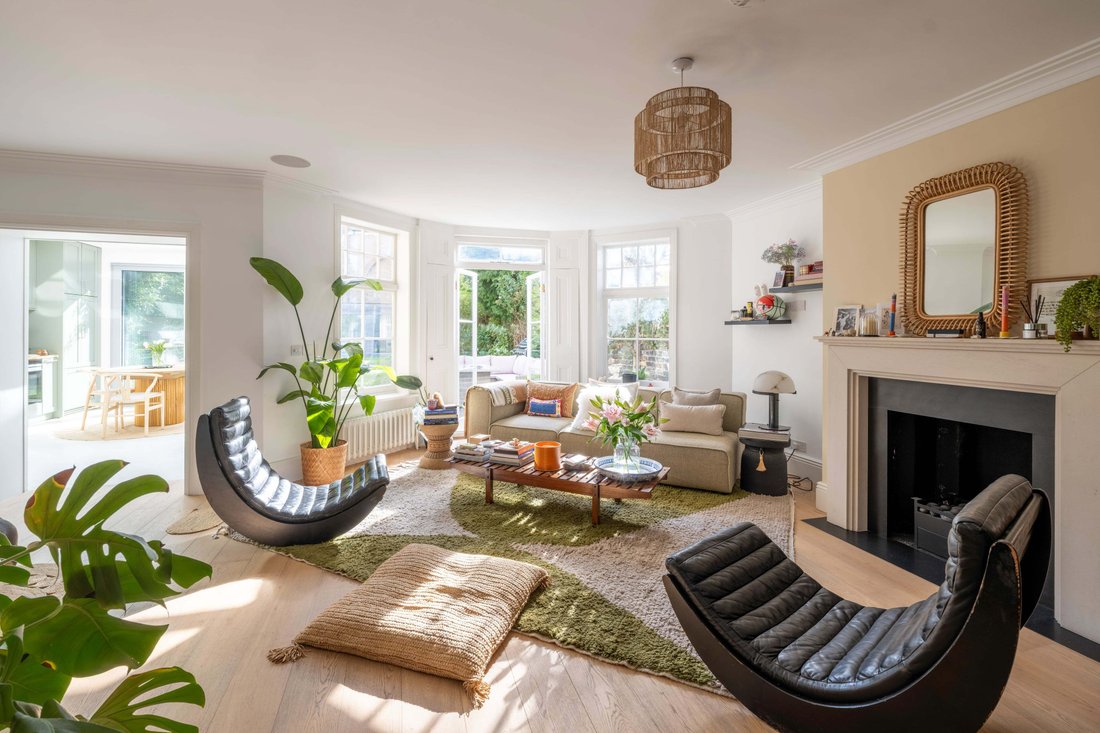
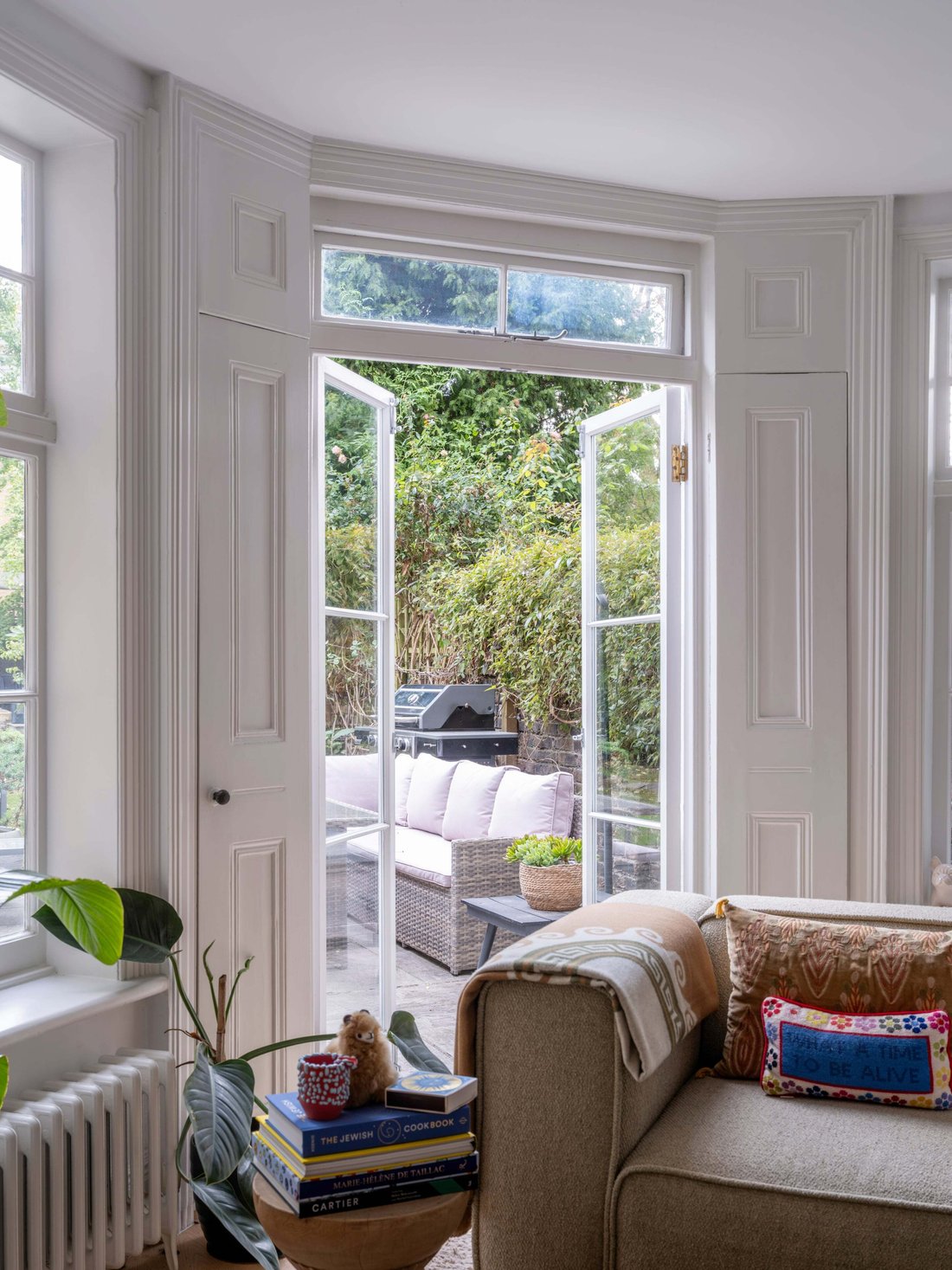
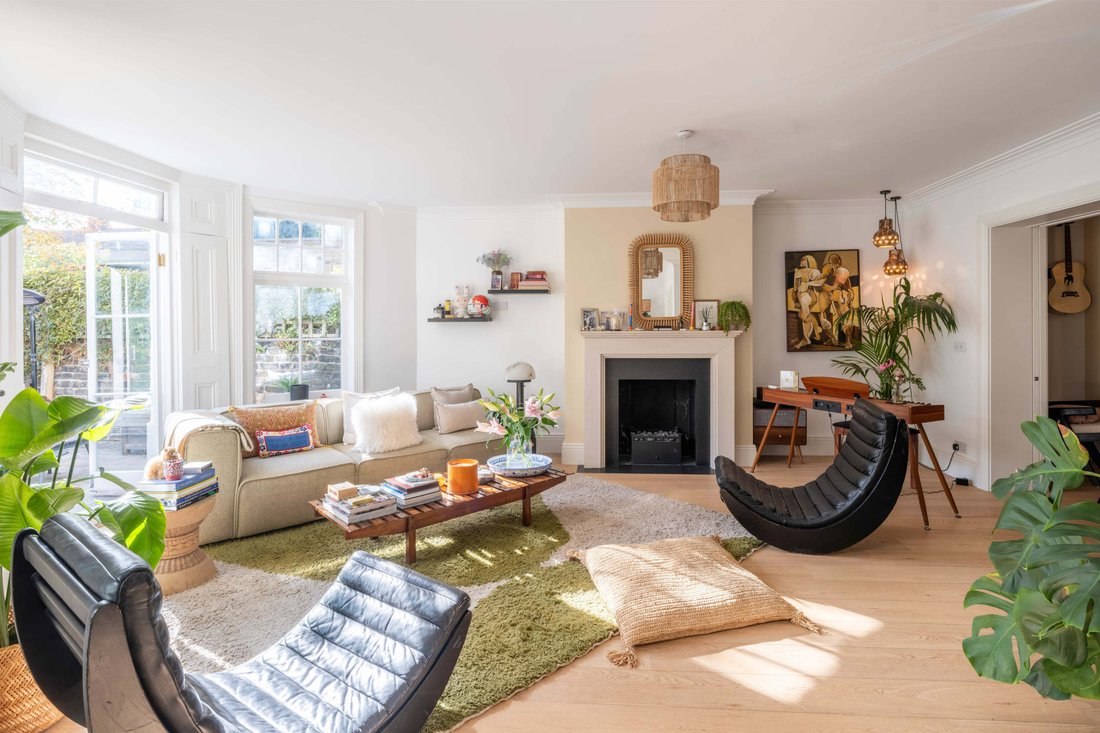
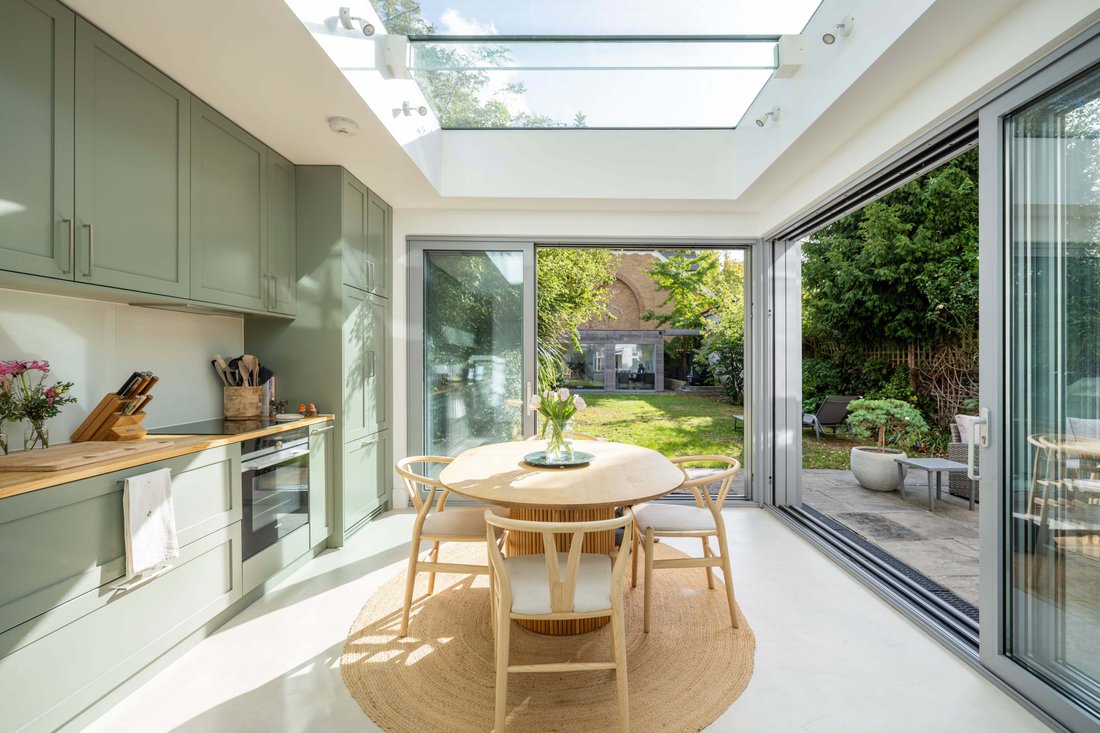
Occupying the entire garden and raised ground floor levels of a semi-detached Victorian Villa, with its own entrance and a private south facing garden extending to over 80 feet.
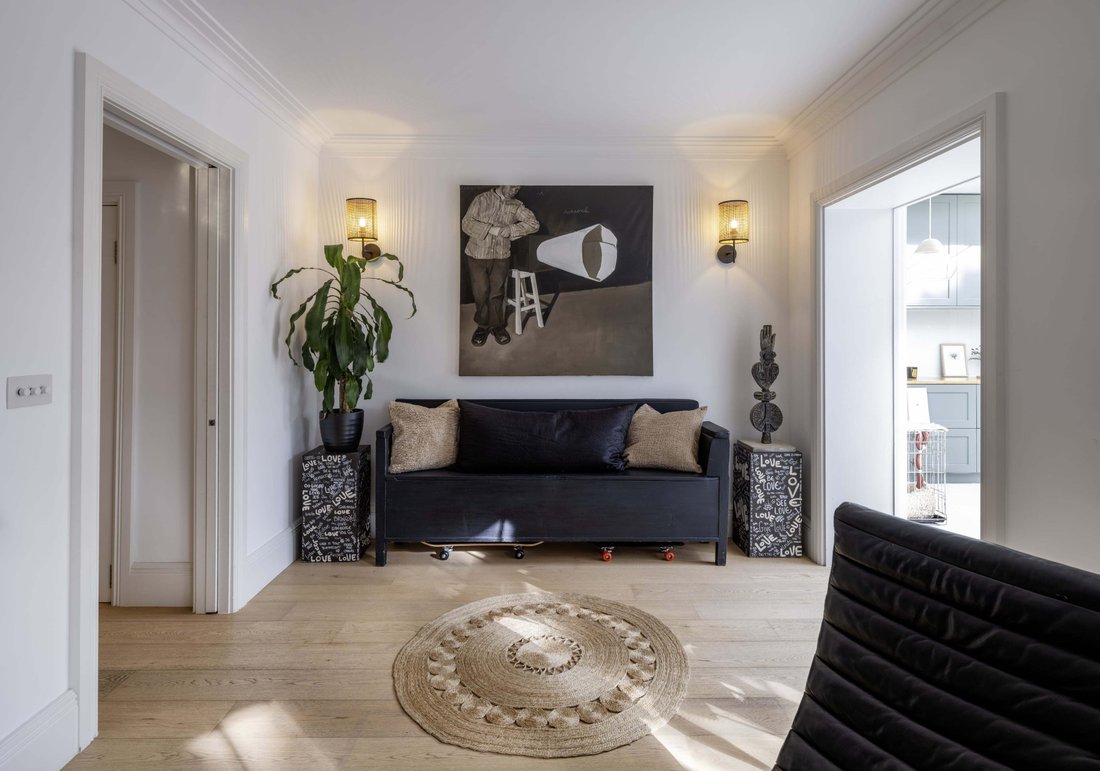
With reception spaces and a principal bedroom more often associated with larger, single residences, King Henry’s Road is a spacious, laterally arranged home, perfect for modern living.
Swiss Cottage Underground (Jubilee Line) is less than 0.5 of a mile, Chalk Farm (Northern Line) is just over 0.6 miles. From here, Bond Street and St Pancras International are reachable within ten minutes, and Heathrow and London City each within forty-five.
-
Tipo de propiedad
Casa
Explorar la zona
King Henry's Road, Primrose Hill, Camden, Inglaterra
Ver en Google Maps
Precio por sqft
Bajo
Alto
Se unió hace 11 meses
Usted ha preguntado por esta propiedad
El agente se comunicará con usted pronto por
Publicado por
18
Anuncios
2025
Se unió
Reserva una visita con the agent
Elija una fecha y si prefiere una visita virtual o presencial con el agente.
Fecha preferida
Tipo de tour
Última actualización
Octubre 30
Primera publicación
Octubre 30
Referencia del anuncio
-
La confianza de los mejores brokers del mundo
Los agentes tras las propiedades más excepcionales del mundo publican en JamesEdition.
- Anuncios de Sotheby's, Christie's, BARNES y Engel & Völkers
- Cada anuncio se revisa antes de publicarse
- Conecte directamente con agentes verificados
Al continuar, acepta nuestros Términos y la Política de Privacidad.