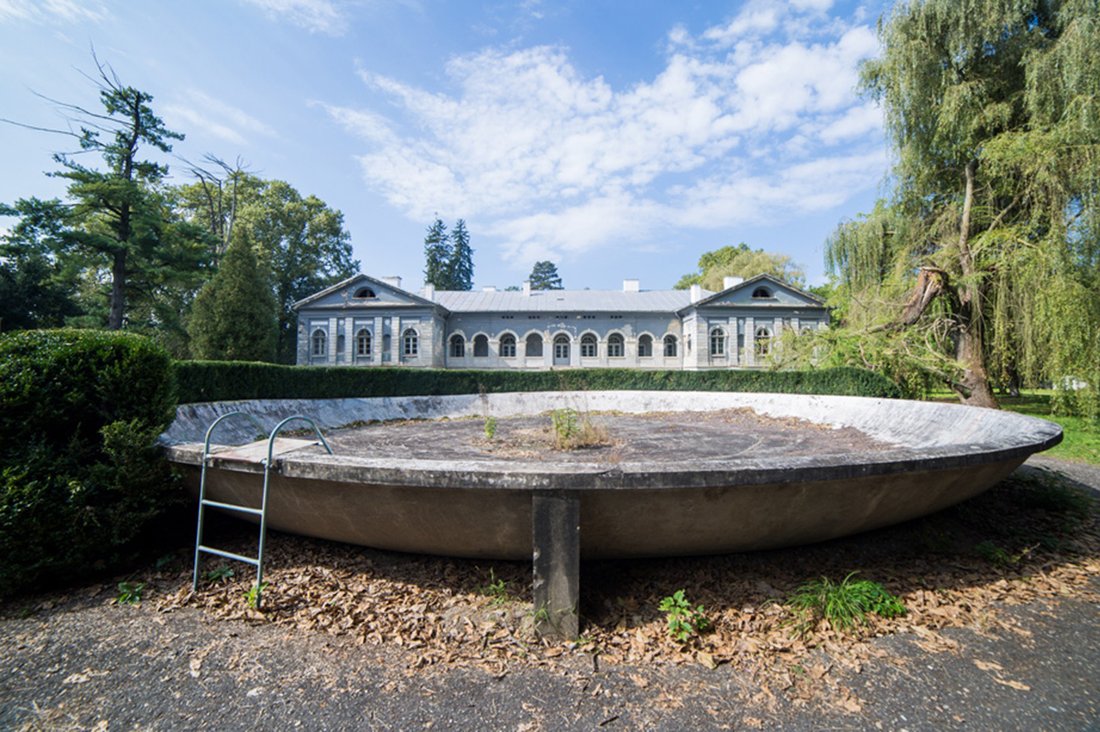
El Castillo Del General Austriaco Gyulay Ferencz
- 20 Hab.
- 5 Baños
- 19,376 Sqft
- 14.83 Ac lot
- 63
Sobre la propiedad
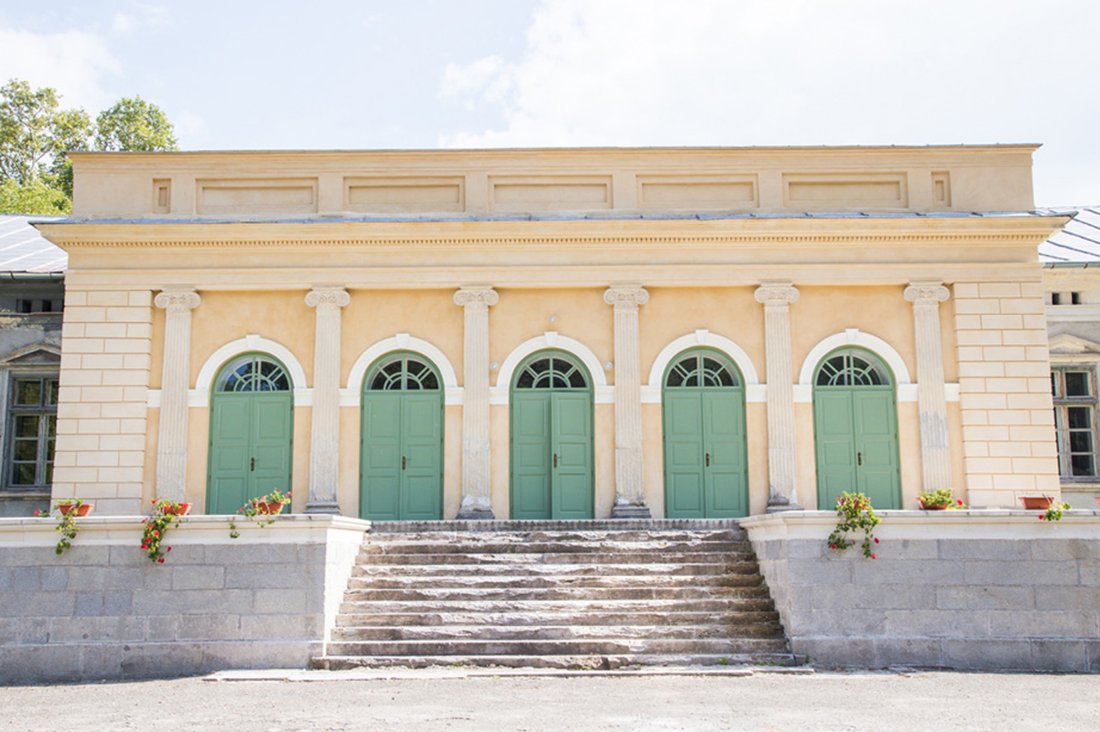
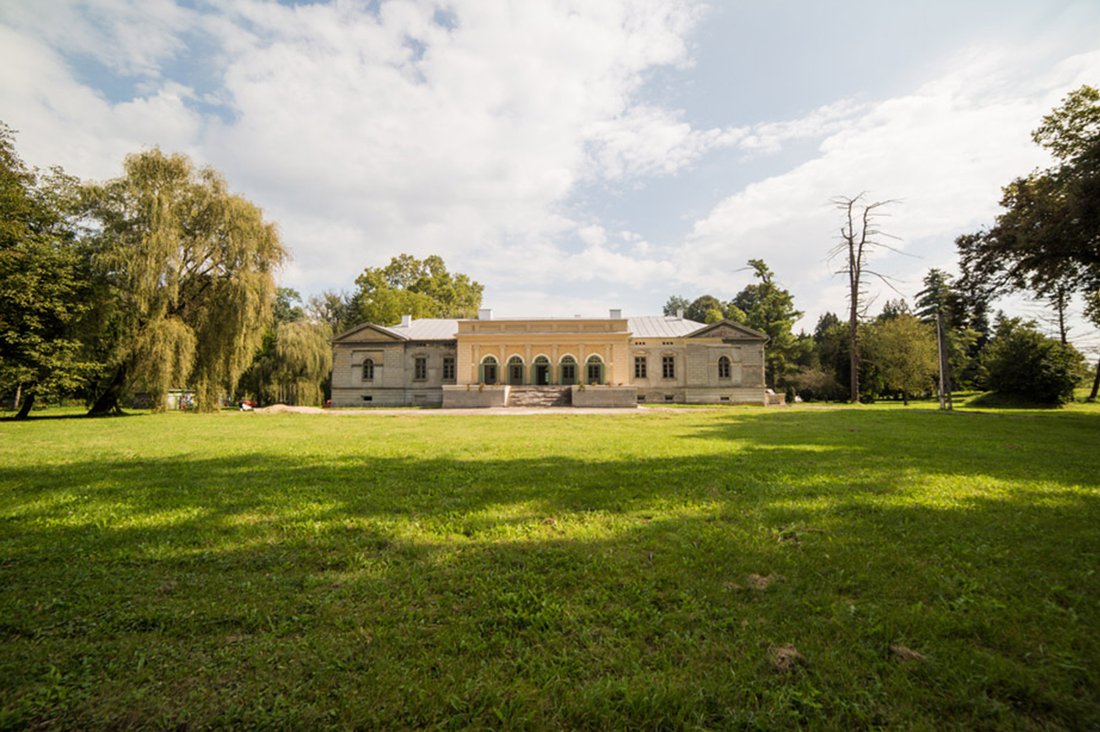
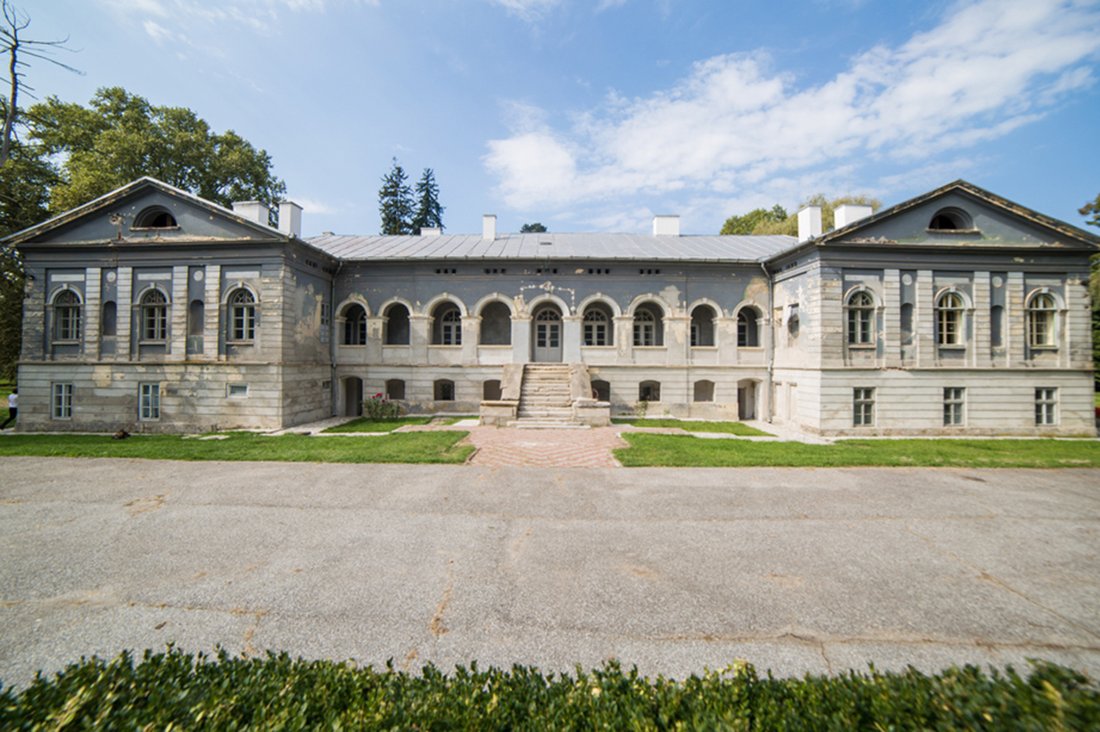
El castillo fue construido durante el siglo XVII por Gyulay Ferencz, un general austriaco, hijo único del noble húngaro Gyulay Ignacz. Ferencz construyó la mansión en el sitio de un edificio más pequeño. La familia del general gobernaba la ciudad llamada Mintia, que pasó a llamarse Marosnemeti, un término derivado de la palabra húngara «nemet», que se traduce como «alemán».
Varios descendi
The castle was built during the 17th century by Gyulay Ferencz, an Austrian general, the only child of Hungarian nobleman Gyulay Ignacz. Ferencz built the mansion on the site of a smaller building. The general’s family ruled the town called Mintia, that was renamed Marosnemeti, a term derived from the Hungarian word ”nemet”, that translates to ”German”.
Several descendants of the Gyulay fa
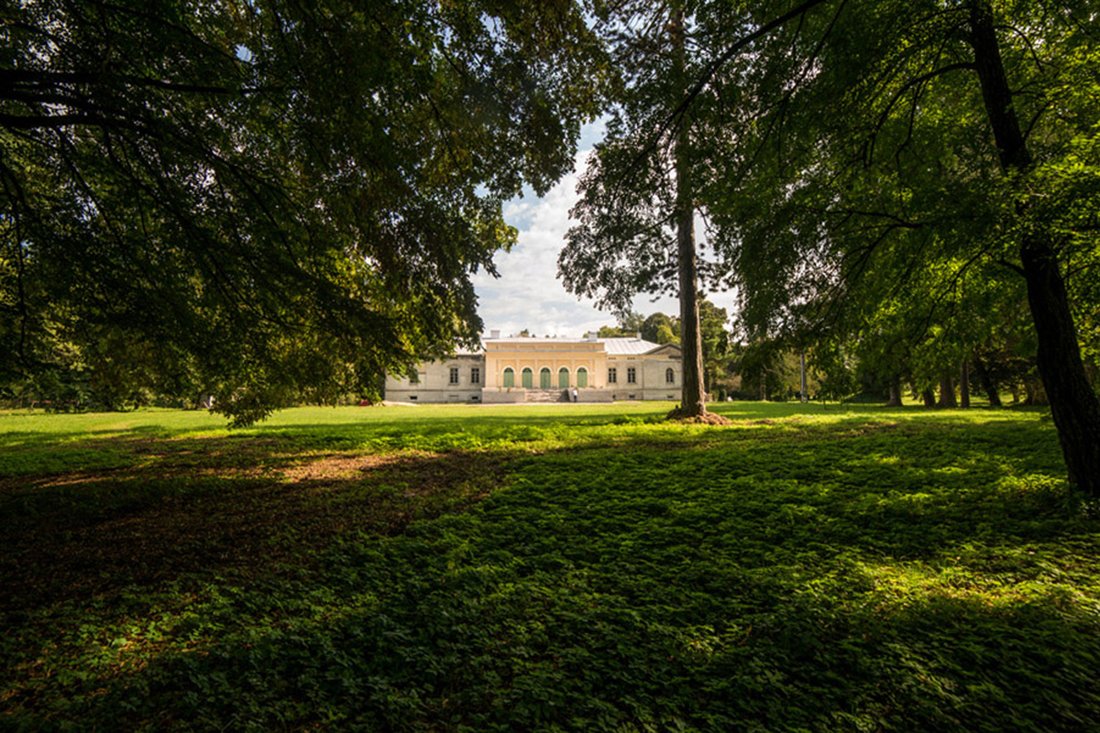
El castillo fue construido durante el siglo XVII por Gyulay Ferencz, un general austriaco, hijo único del noble húngaro Gyulay Ignacz. Ferencz construyó la mansión en el sitio de un edificio más pequeño. La familia del general gobernaba la ciudad llamada Mintia, que pasó a llamarse Marosnemeti, un término derivado de la palabra húngara «nemet», que se traduce como «alemán».
Varios descendientes de la familia Gyulay vivieron en el castillo. Los documentos históricos de 1806 indican que la mansión Mintia pertenecía en ese momento a Gyulay Istvan, seguido de Albert y K.R Gyulay. La condesa Gyulay de Mintia, que se casó con Ladislao Kuun de Osdola, heredó más tarde el dominio junto con su hermano, Ludovic. En 1848, la familia Gyulay se refugió en Cluj y, tras la revolución, Ludovic, Ladislau Kuun, su esposa Constance y sus hijos, Irene y Geza, regresaron a Mintia.
Ludovic fue el último heredero de la familia Gyulay. Escribió más de 100 diarios sobre la mansión y sobre Mintia. Todos ellos se conservan en el museo de historia de Cluj-Napoca. Ludovic Gyulay modificó el edificio en 1834, dándole la forma que tiene hoy.
Ludovic Gyulay nunca se casó y, por lo tanto, nunca tuvo herederos. Su fortuna la heredó su cuñado, Ladislau Kuun, seguido de su hijo, Geza Kuun. Geza estudió literatura húngara y alemana en las universidades de Budapest y Gotinga, y fue miembro y vicepresidente de la Academia de Ciencias de Budapest. Formó parte de los círculos sociales de élite de Viena y se hizo amigo del famoso compositor Franz Liszt, uno de los pianistas más destacados de todos los tiempos. Fue entonces cuando también conoció a la escritora Elena Ghica, hija de Mihai Ghica, sobrina de Grigore Ghica IV y la primera mujer que escaló el pico del Mont Blanc, el 1 de junio de 1860.
Después de 1870, Geza Kunn se estableció en Mintia y se casó con Vilma Kemeny, hija del barón Kemeny de Magyar-Gyeno Monosto. Su presencia aquí transformó la ciudad en un lugar de reunión para representantes eminentes de la escena cultural y científica, entre los que se encontraba V. Zakrzewski, profesor de la Universidad de Cracovia, Al. Szilagyi, secretario de la Sociedad Histórica, barón Balazs Orban, A. Szecsen, marqués de la Corte Imperial. La belleza de la mansión situada a orillas del río Mureș también fue admirada por el presidente de la Sociedad Arqueológica, Solyon Fekete, el director del Museo de Historia de Deva, Teglas Gabor, y por el científico Samuel Brassay, considerado el último erudito de Transilvania. La inmensa biblioteca del castillo de Mintia y el salón, decorados con retratos familiares y objetos preciosos, recibieron la visita del prefecto George Pogany, el subprefecto Coloman Barcsay, el conde Coloman Esterhazy, director del Museo de Transilvania, Otto von Keller, profesor de la Universidad de Praga, Zsolt Beothy, profesor de la Universidad de Budapest, y el científico noruego Conrad Nielsen. El barón Miklos Josika también viajó de Brănişca a Mintia, ya sea a pie, en coche o a caballo. También viajó en barco por el río Mureş para admirar el parque que rodeaba el castillo.
Las raras especies de plantas y árboles que adornaban el parque eran fascinantes. El conde Kuun puso a los árboles el nombre de los escritores húngaros más importantes, muchos de los cuales habían sido sus amigos. Uno de los árboles, por ejemplo, llevaba el nombre de Atila, en memoria de Atila Gerando. Entre los rosales, el visitante también puede descubrir numerosos santuarios funerarios o mortuorios. Geza Kuun murió en 1905, el 10 de abril, y fue sepultado en Cluj. Cuenta la leyenda que, aunque el cuerpo del conde Geza fue inhumado en Cluj, su corazón fue enterrado en el cementerio de la Iglesia Reformada de Mintia, junto a otros miembros de su familia y antiguos propietarios del castillo.
El dominio Mintia, que comprende el castillo y el parque, está clasificado como monumento histórico de importancia nacional y universal, de clase A.
The castle was built during the 17th century by Gyulay Ferencz, an Austrian general, the only child of Hungarian nobleman Gyulay Ignacz. Ferencz built the mansion on the site of a smaller building. The general’s family ruled the town called Mintia, that was renamed Marosnemeti, a term derived from the Hungarian word ”nemet”, that translates to ”German”.
Several descendants of the Gyulay family lived at the castle. Historical documents from 1806 state that the Mintia mansion was owned at that time by Gyulay Istvan, followed by Albert and K. R Gyulay. Countess Gyulay of Mintia, who married Ladislau Kuun of Osdola, later inherited the domain together with her brother, Ludovic. In 1848, the Gyulay family took refuge at Cluj and, after the revolution, Ludovic, Ladislau Kuun, his wife Constance, and their children, Irene and Geza, returned to Mintia.
Ludovic was the last heir of the Gyulay family. He wrote over 100 journals about the mansion and about Mintia. All of them are preserved at the Cluj-Napoca history museum. Ludovic Gyulay modified the building in 1834, giving it the shape it has today.
Ludovic Gyulay never got married and, therefore, never had any heirs. His fortune was inherited by his brother-in-law, Ladislau Kuun, followed by his son, Geza Kuun. Geza studied Hungarian and German literature at the Universities of Budapest and Gottingen, and was a member and vice president of the Budapest Academy of Sciences. He was part of Vienna’s elite social circles, and became friends with the famous composer Franz Liszt – one of the most prominent pianists of all time. It was then that he also met writer Elena Ghica – daughter of Mihai Ghica, niece of Grigore Ghica the 4th, and the first woman to have climbed the Mont Blanc peak, on June 1st 1860.
After 1870, Geza Kunn settled at Mintia and married Vilma Kemeny, the daughter of baron Kemeny of Magyar-Gyeno Monosto. His presence here transformed the town into a gathering place for eminent representatives of the cultural and scientific scenes, which included V. Zakrzewski – professor at the Cracovia University, Al. Szilagyi – secretary of the Historical Society, baron Balazs Orban, A. Szecsen –Imperial Court marchal. The beauty of the mansion located on the bank of Mureș River was also admired by the president of the Archeological Society – Solyon Fekete, the director of the Deva History Museum – Teglas Gabor, and by scientist Samuel Brassay – regarded as Transylvania’s last polymath. The immense library of the Mintia Castle and the salon, decorated with family portraits and precious objects, were visited by prefect George Pogany, subprefect Coloman Barcsay, count Coloman Esterhazy – director of the Transylvania Museum, by Otto von Keller – professor at the University of Prague, Zsolt Beothy – professor at the Budapest University, and by Norwegian scientist Conrad Nielsen. Baron Miklos Josika also traveled from Brănişca to Mintia, either on foot, by car, or on horseback. He also traveled by boat on Mureş River in order to admire the park that surrounded the castle.
The rare species of plants and trees that embellished the park were mesmerizing. Count Kuun named the trees after the most important Hungarian writers, many of whom had been his friends. One of the trees, for example, bore the name of Attila, in the memory of Attila Gerando. Amid the rose bushes, the visitor could also discover numerous honorary or mortuary shrines. Geza Kuun died in 1905, on April 10th, and was entombed at Cluj. Legend has it that, although the body of count Geza was inhumed at Cluj, his heart was buried in the cemetery of the Mintia Reformed Church, alongside other members of his family and former owners of the castle.
The Mintia domain, that comprises the castle and the park, is classed as a historical monument of national and universal importance, class A.
-
Tipo de propiedad
Otros
-
Año de construcción
1834
-
Precio/pie²
$46
Características
- Jardín
- Vista al Agua
- Biblioteca
- Mansión
- Techo alto
Explorar la zona
El agente se comunicará con usted pronto por
Publicado por
Reserva una visita con Constantin Prisecaru
Elija una fecha y si prefiere una visita virtual o presencial con el agente.

La confianza de los mejores brokers del mundo
Los agentes tras las propiedades más excepcionales del mundo publican en JamesEdition.
- Anuncios de Sotheby's, Christie's, BARNES y Engel & Völkers
- Cada anuncio se revisa antes de publicarse
- Conecte directamente con agentes verificados
Al continuar, acepta nuestros Términos y la Política de Privacidad.