Isla García Está A La Venta En Su Totalidad.
- 10,378.42 Ac lot
- 173
Sobre la propiedad
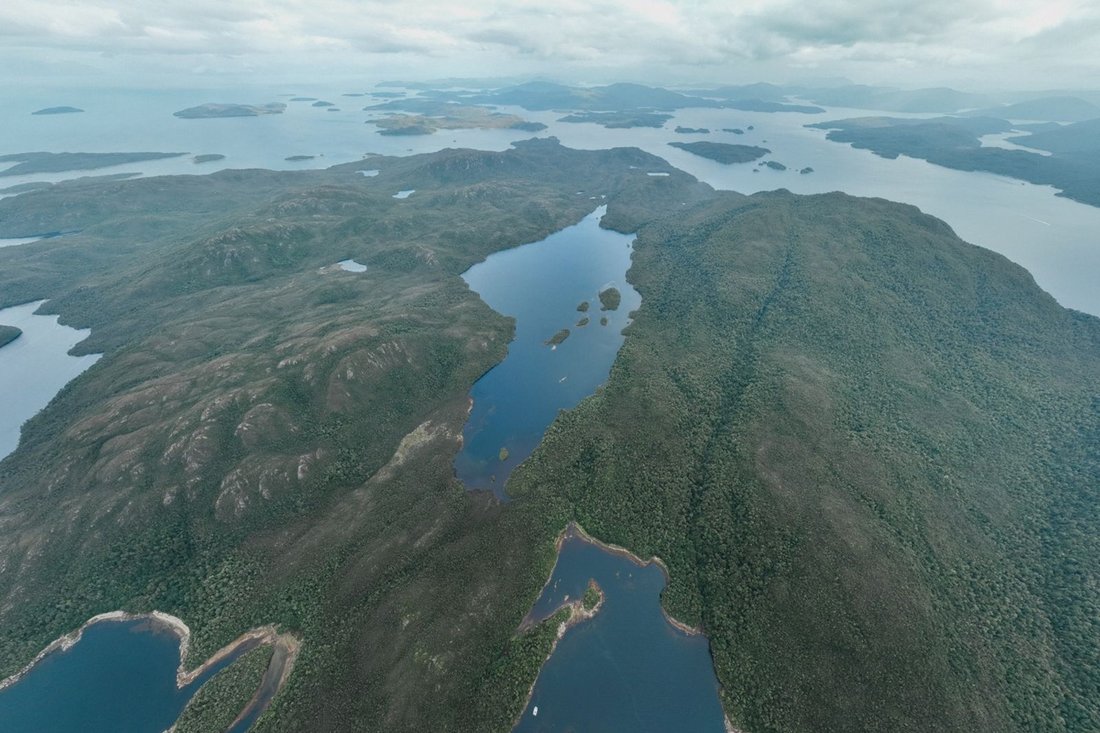
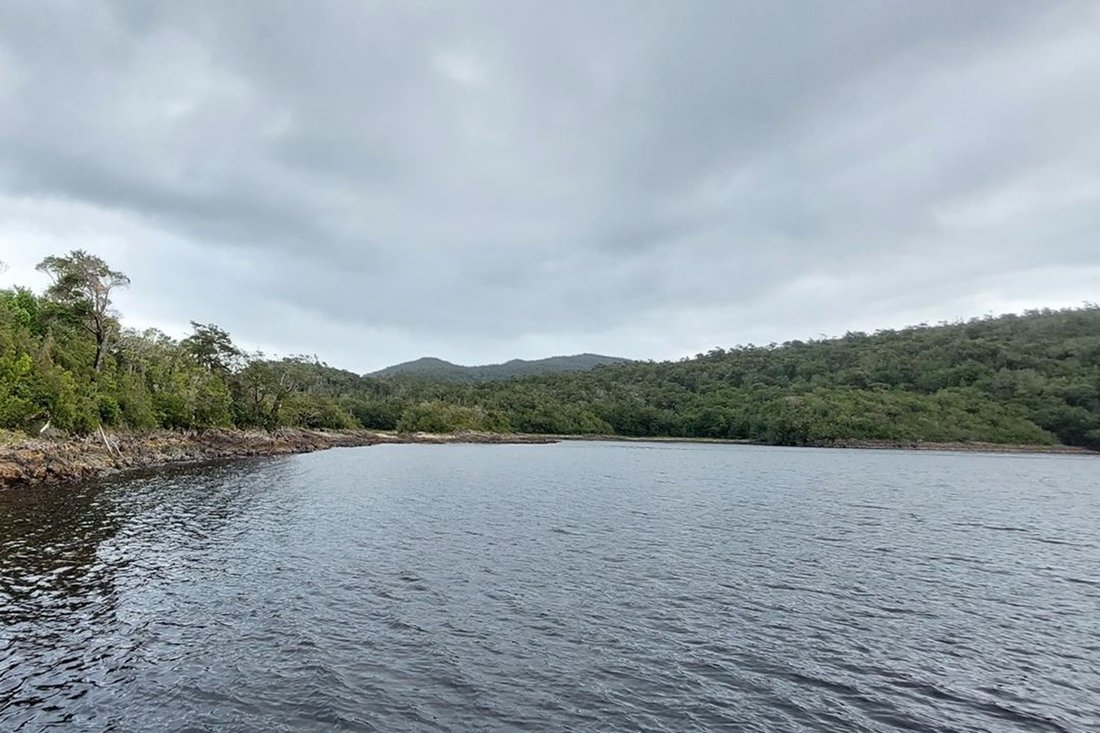
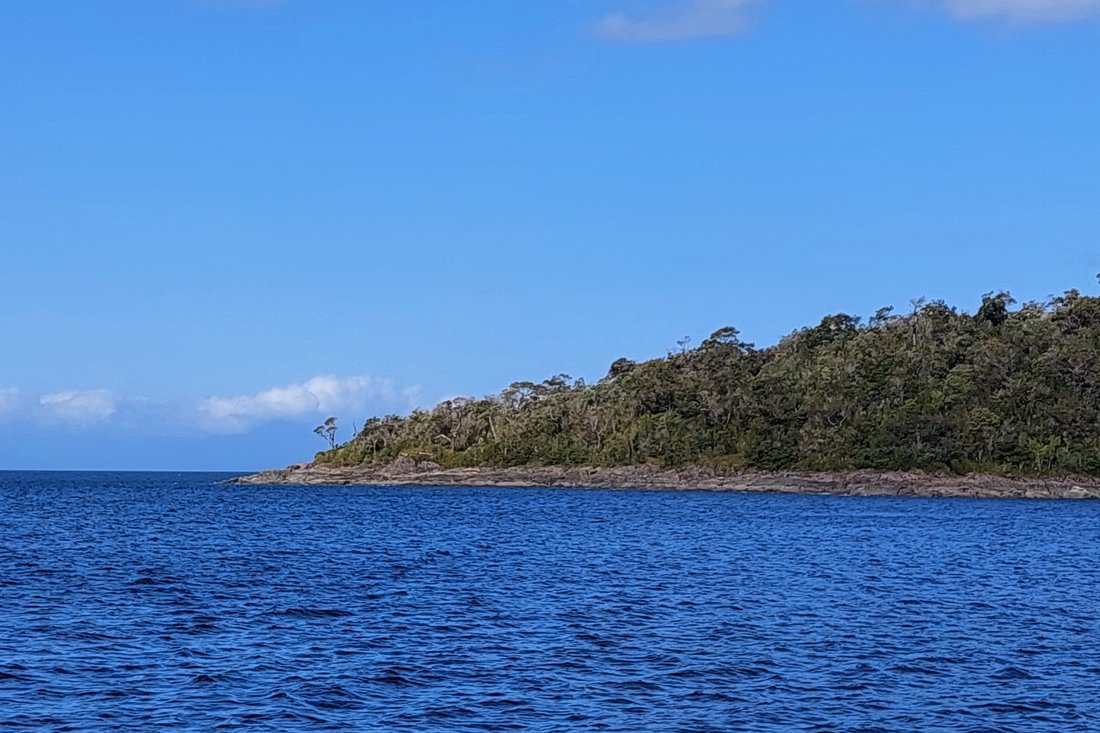
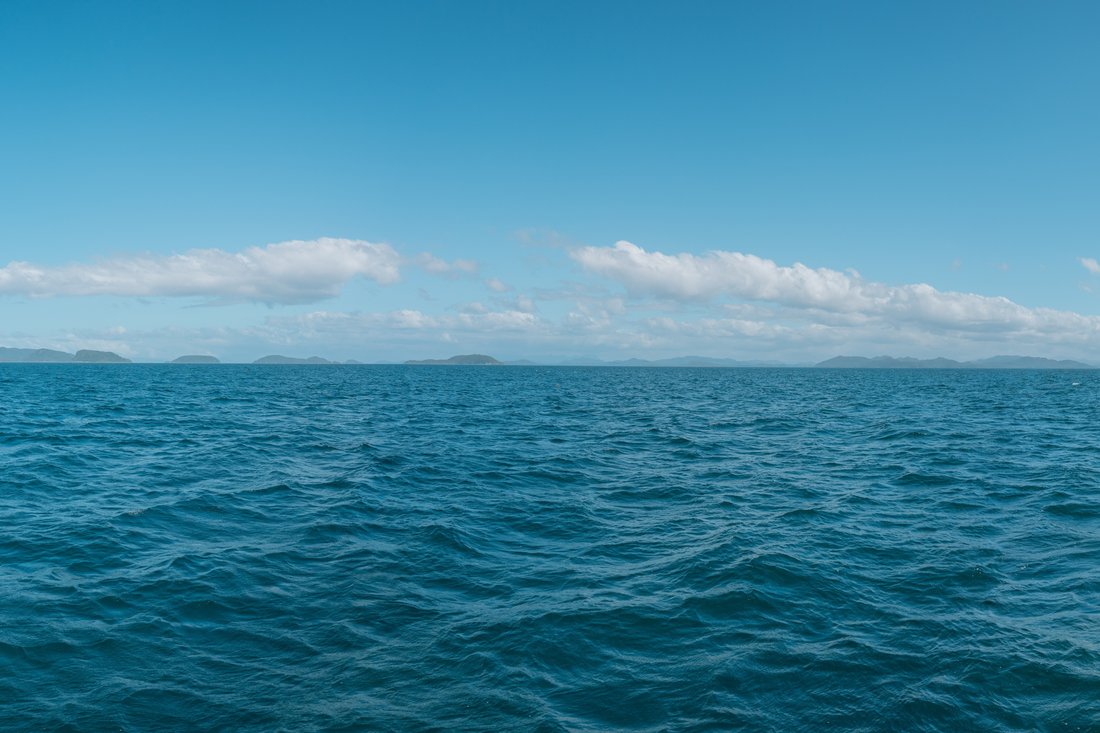
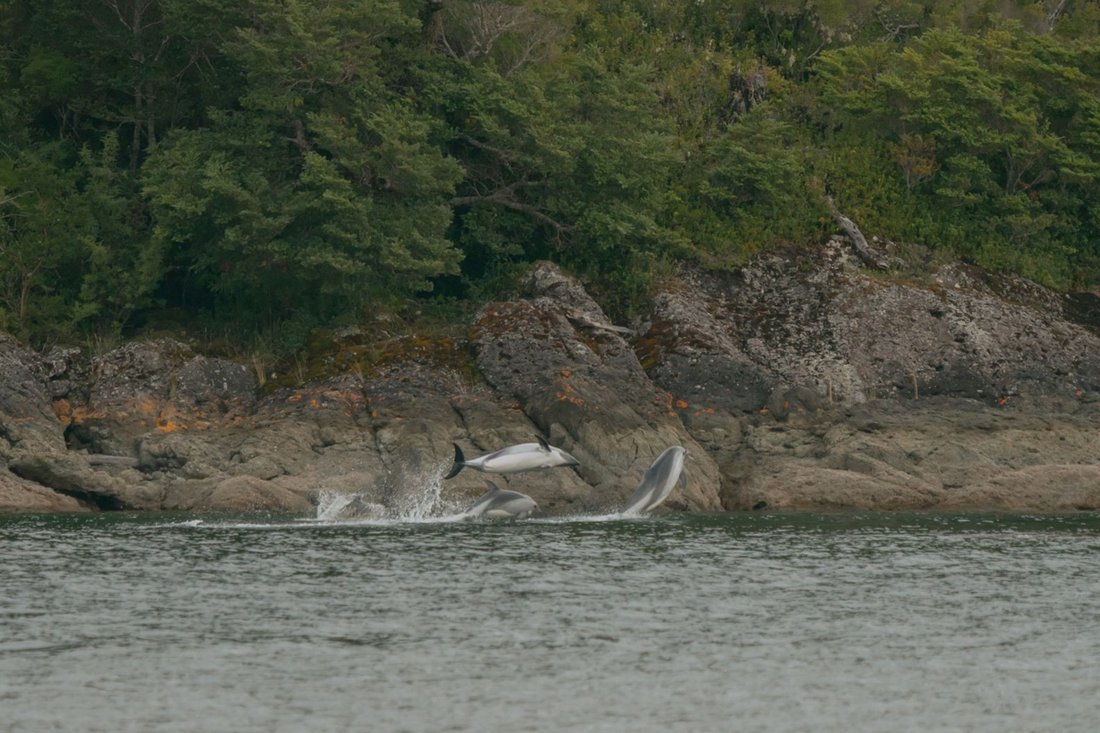
Isla en la Comuna de Cisnes, Región de Aysén. En el corazón de la Patagonia, rodeado de parques nacionales, se encuentra esta única isla completamente virgen, un pulmón de aire y aguas puras y cristalinas.
Un solo dueño, un solo rol, sin infraestructura.
Tamaño: 4.200 há.
15 cuerpos de agua.
Cubierta por vegetación nativa como el Tepú, Ciprés
Island in the Commune of Cisnes, Aysén Region. In the heart of Patagonia, surrounded by national parks, this unique, completely untouched island is a haven of pure, crystal-clear air and waters.
Size: 4,200 hectares.
15 bodies of water.
Covered by native vegetation such as Tepú, Ciprés de las Guaitecas, Coihue de Chiloé, and Tineo.
Access
Travel to Melin
Isla en la Comuna de Cisnes, Región de Aysén. En el corazón de la Patagonia, rodeado de parques nacionales, se encuentra esta única isla completamente virgen, un pulmón de aire y aguas puras y cristalinas.
Un solo dueño, un solo rol, sin infraestructura.
Tamaño: 4.200 há.
15 cuerpos de agua.
Cubierta por vegetación nativa como el Tepú, Ciprés de las Guaitecas, Coihue de Chiloé,
Tineo.
Acceso:
Se debe llegar a Melinka.
Desde el Aeródromo La Paloma en Puerto Montt, salen vuelos diarios a través de Pewen Servicios Aéreos.
Desde Melinka se puede contratar un servicio de lancha rápida, que en dos horas se recorren 24 millas náuticas para llegar a isla García.
Rodeado de Parque Nacionales:
Parque Nacional Corcovado.
Parque Nacional Isla Magdalena.
Reserva Nacional Las Guaitecas.
Está ubicada en la provincia de Aysén, comprende parte de las comunas de Cisnes y Aysén, en el sector centro norte del litoral aysenino, abarca parte del archipiélago Los Chonos y del archipiélago Las Guaitecas. Algunas de las islas que la conforman son: Forsyth, Level, Tahuenahuec, Benjamín, Cuptana, Jorge, Teresa, Ipún, James, Williams, Melchor, Kent, Lemu, Isquiliac y Victoria.
En sus aguas se realizan actividades de educación, turismo aventura, investigaciones, pesca artesanal, buceo y tránsito de embarcaciones hacia o desde Magallanes.
Clima: Posee un clima templado húmedo de características insulares, caracterizado por altas precipitaciones de régimen semianual, que fluctúan entre los 2.000 y 4.000 mm y más. Según la ubicación geográfica, existe un superávit hídrico todo el año, que fluctúa entre 100 y 340 mm, dependiendo del mes. La luminosidad es baja y existe una fuerte influencia oceánica, que actúa sobre el régimen de temperaturas, suavizando las oscilaciones diarias y anuales. La temperatura media de enero fluctúa entre 10º y 13 °C, mientras que en julio oscila entre 4 y 7 °C.
Flora: En ella se encuentran las formaciones vegetacionales de bosque siempreverde con turberas de Los Chonos, compuesta por: ciprés de las Guaitecas (Pilgerodendron uviferum), coigüe de Chiloé (Nothofagus nitida), tepú (Tepualia stipularis), tineo (Weinmannia trichosperma); y los matorrales siempreverde oceánicos, con coigüe de Chiloé (Nothofagus nitida), tepú (Tepualia stipularis) y mañío de hojas punzantes (Podocarpus nubigenus).
Fauna Silvestre: Por ser una unidad insular, figuran aves marinas de la familia de los pingüinos (Spheniscidae), petreles (Procellariidae), cormoranes (Phalacrocoracidae), patos (Anatidae), chorlos (Charadriidae) y gaviotas (Laridae), mientras que por las terrestres destacan especies como chucao (Troglodytes aedon), zorzal (Turdus falcklandii), martín pescador (Megaceryle torquata), tordo (Curaeus curaeus) y cachaña (Enicognathus ferrugineus).
Entre los mamíferos, tanto marinos como terrestres, es posible encontrar: lobo marino común (Otaria flavescens), lobo marino fino (Arctocephalus australis), chungungo (Lontra felina), coipo (Myocastor coypus), güiña (Leopardus guigna) y pudú (Pudu puda).
Island in the Commune of Cisnes, Aysén Region. In the heart of Patagonia, surrounded by national parks, this unique, completely untouched island is a haven of pure, crystal-clear air and waters.
Size: 4,200 hectares.
15 bodies of water.
Covered by native vegetation such as Tepú, Ciprés de las Guaitecas, Coihue de Chiloé, and Tineo.
Access
Travel to Melinka.
Daily flights from La Paloma Aerodrome in Puerto Montt are available via Pewen Servicios Aéreos.
From Melinka, a speedboat service can be hired, covering 24 nautical miles in two hours to reach García Island.
Surrounded by National Parks:
Corcovado National Park
Isla Magdalena National Park
Las Guaitecas National Reserve
Located in the province of Aysén, the reserve covers parts of the communes of Cisnes and Aysén in the north-central coastal region of Aysén. It encompasses parts of the Los Chonos and Las Guaitecas archipelagos. Some of the islands included are Forsyth, Level, Tahuenahuec, Benjamín, Cuptana, Jorge, Teresa, Ipún, James, Williams, Melchor, Kent, Lemu, Isquiliac, and Victoria. Activities in its waters include education, adventure tourism, research, artisanal fishing, diving, and vessel transit to or from Magallanes.
Climate:
The reserve has a temperate, humid insular climate characterized by high semiannual precipitation ranging from 2,000 to over 4,000 mm. Depending on the month, there is a year-round water surplus between 100 and 340 mm. The area has low luminosity and strong oceanic influence, which moderates daily and annual temperature fluctuations. The average temperature in January ranges from 10°C to 13°C, while in July it varies from 4°C to 7°C.
Flora:
The vegetation consists of evergreen forest formations with bogs, including species such as Guaitecas cypress (Pilgerodendron uviferum), Chiloé’s coigüe (Nothofagus nitida), tepú (Tepualia stipularis), tineo (Weinmannia trichosperma), and evergreen oceanic shrubs with species like Chiloé’s coigüe (Nothofagus nitida), tepú (Tepualia stipularis), and prickly-leaved mañío (Podocarpus nubigenus).
Wildlife:
As an insular unit, the reserve is home to marine birds from families such as penguins (Spheniscidae), petrels (Procellariidae), cormorants (Phalacrocoracidae), ducks (Anatidae), plovers (Charadriidae), and gulls (Laridae). Terrestrial bird species include the chucao (Troglodytes aedon), the Falkland thrush (Turdus falcklandii), the ringed kingfisher (Megaceryle torquata), the austral blackbird (Curaeus curaeus), and the austral parakeet (Enicognathus ferrugineus).
Marine and terrestrial mammals found in the reserve include the South American sea lion (Otaria flavescens), the South American fur seal (Arctocephalus australis), the marine otter (Lontra felina), the coypu (Myocastor coypus), the kodkod (Leopardus guigna), and the pudu (Pudu puda).
-
Tipo de propiedad
Isla Privada
Características
- Vista a la Montaña
- Vista al Agua
- Frente al mar
Explorar la zona
El agente se comunicará con usted pronto por
Publicado por
Reserva una visita con Javier Contreras
Elija una fecha y si prefiere una visita virtual o presencial con el agente.

Patagonia.
One of our
Patagonia.
One of our main markets is the exclusives properties in some of the lakes shore
in the area, characterized by its natural beauty.
Propiedades similares cercanas
Nuevos anuncios en Chile



Explorar más viviendas en venta
Chile ciudades
- Casas en venta en Lo Barnechea, Chile
- Casas en venta en Valparaíso, Chile
- Casas en venta en Asunción, Chile
- Casas en venta en Chicureo, Chile
- Casas en venta en Las Condes, Chile
- Casas en venta en Viña del Mar, Chile
- Casas en venta en Santiago, Chile
- Casas en venta en Colina, Chile
- Casas en venta en Vitacura, Chile
- Casas en venta en La Florida, Chile
- Casas en venta en Providencia, Chile
- Casas en venta en Concón, Chile
- Casas en venta en La Reina, Chile
- Casas en venta en Ñuñoa, Chile
- Casas en venta en Puerto Varas, Chile
- Casas en venta en Alto Colorado, Chile
- Casas en venta en Buin, Chile
- Casas en venta en Puente Alto, Chile
- Casas en venta en Osorno, Chile
- Casas en venta en San Miguel, Chile
Chile Regiones
- Casas en venta en Región Metropolitana, Chile
- Casas en venta en Los Lagos, Chile
- Casas en venta en Araucanía, Chile
- Casas en venta en O'Higgins, Chile
- Casas en venta en Antofagasta, Chile
- Casas en venta en Aysén, Chile
- Casas en venta en Bío Bío, Chile
- Casas en venta en Maule, Chile
- Casas en venta en Ñuble, Chile
- Casas en venta en Los Ríos, Chile
- Casas en venta en Atacama, Chile
- Casas en venta en Magallanes y la Antártica Chilena, Chile
- Casas en venta en Tarapacá, Chile
Chile búsquedas populares
- Propiedades con Piscina en Chile
- Propiedades con Balcón en Chile
- Propiedades con Gimnasio en Chile
- Propiedades Vista al Agua en Chile
- Propiedades Propiedad de Inversión en Chile
- Propiedades Comunidad Cerrada en Chile
- Propiedades con Bodega en Chile
- Propiedades Moderno en Chile
- Propiedades Vista al Lago en Chile
- Propiedades Ecuestre en Chile
- Propiedades Vista al Mar en Chile
- Propiedades Frente al Lago en Chile
- Propiedades Frente al Agua en Chile
- Propiedades Vista al Mar en Chile
- Propiedades Frente a la Playa en Chile
- Propiedades Mansión en Chile
- Propiedades con Piscina cubierta en Chile
- Propiedades con Viñedo / Bodega en Chile
- Propiedades Vista al Campo de Golf en Chile
Guías e historias relacionadas
La confianza de los mejores brokers del mundo
Los agentes tras las propiedades más excepcionales del mundo publican en JamesEdition.
- Anuncios de Sotheby's, Christie's, BARNES y Engel & Völkers
- Cada anuncio se revisa antes de publicarse
- Conecte directamente con agentes verificados
Al continuar, acepta nuestros Términos y la Política de Privacidad.