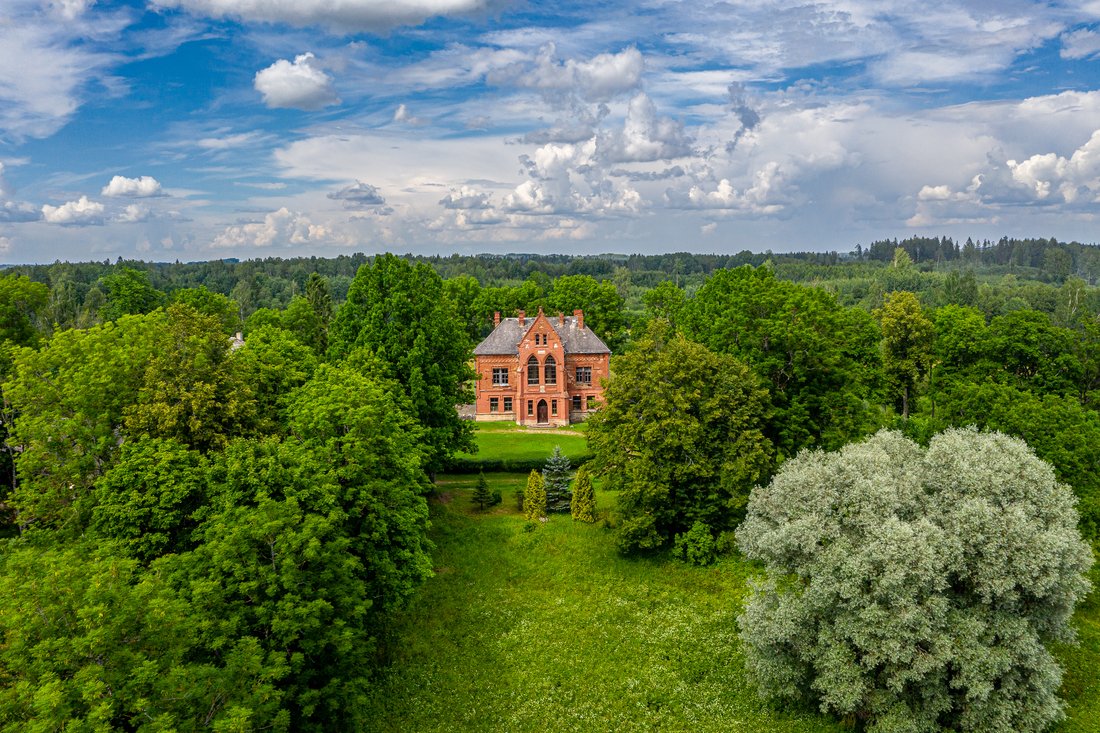
Casa Señorial En La Región De Vecpiebalga
- 7 Hab.
- 5 Baños
- 6,534 Sqft
- 17
Sobre la propiedad
Cirstu manor is mentioned in historical sources as early as 1544, when it belonged to the Tizenhausen family. For some time it was also owned by a Latvian Johans Franks, whose father Ansis Franks was a farmer from Piebalga. For his faithful service in the Swedish army in the middle of the 17th century, he received several farmsteads, from which the later Vāckalns manor was formed.
The prospe
Cirstu manor is mentioned in historical sources as early as 1544, when it belonged to the Tizenhausen family. For some time it was also owned by a Latvian Johans Franks, whose father Ansis Franks was a farmer from Piebalga. For his faithful service in the Swedish army in the middle of the 17th century, he received several farmsteads, from which the later Vāckalns manor was formed.
The prosperity of Cirsti manor can be traced back to the 19th century. Until the agrarian reform of the First Republic, Cirsti was the center of the manor, but in 1920/30. There was a parish board, a post office, a shop, a dairy, and a little later a school and a library.
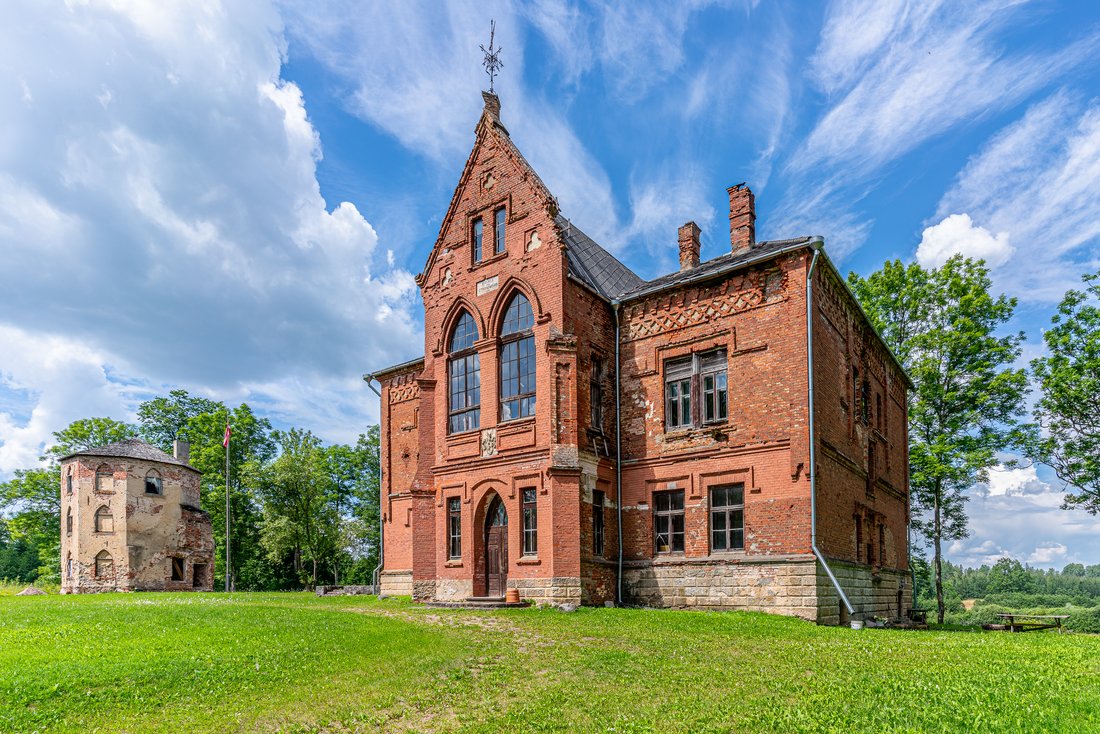
The manor complex had a manor house, a servant’s house, a barn, a cattle complex with a paved inner, closed farm yard - barns, a stable and a carriage, an ice cellar, a laundry house, a brewery down the river, and a garden on both sides of the road.
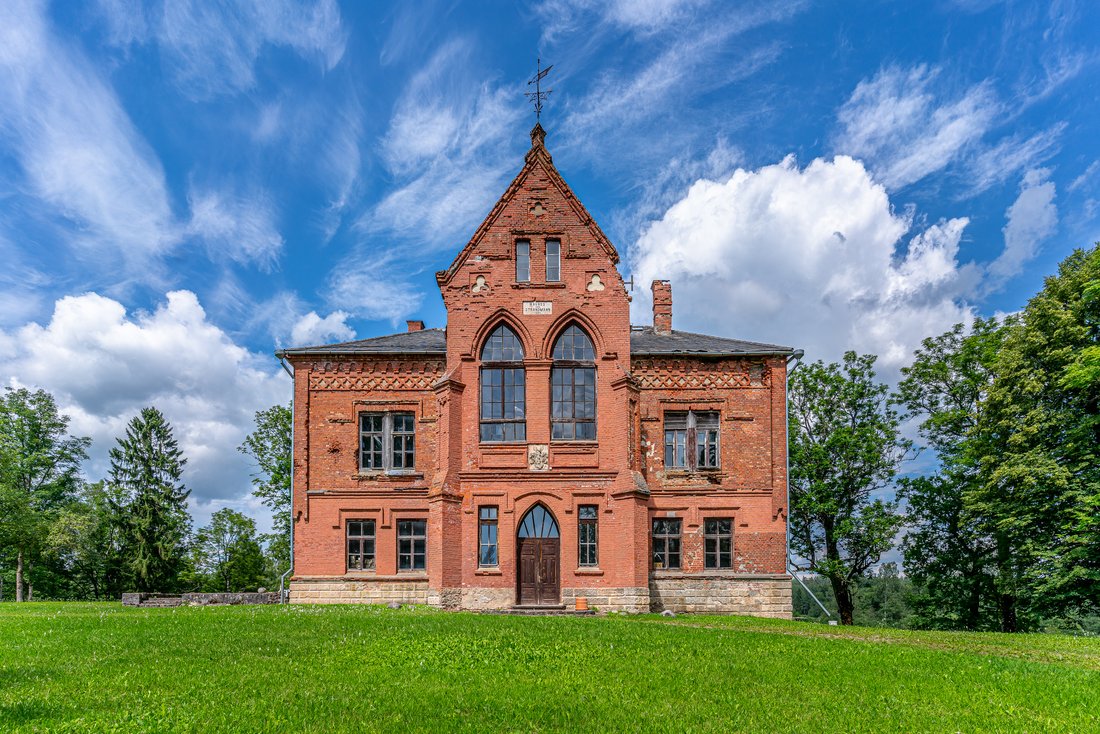
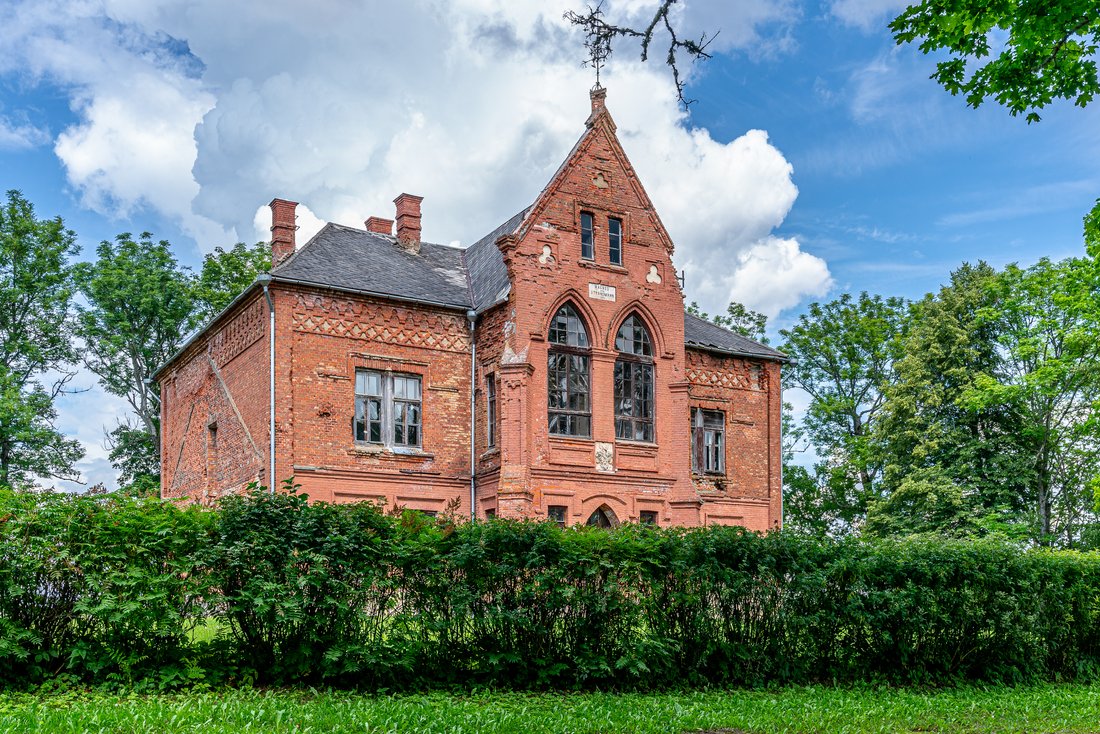
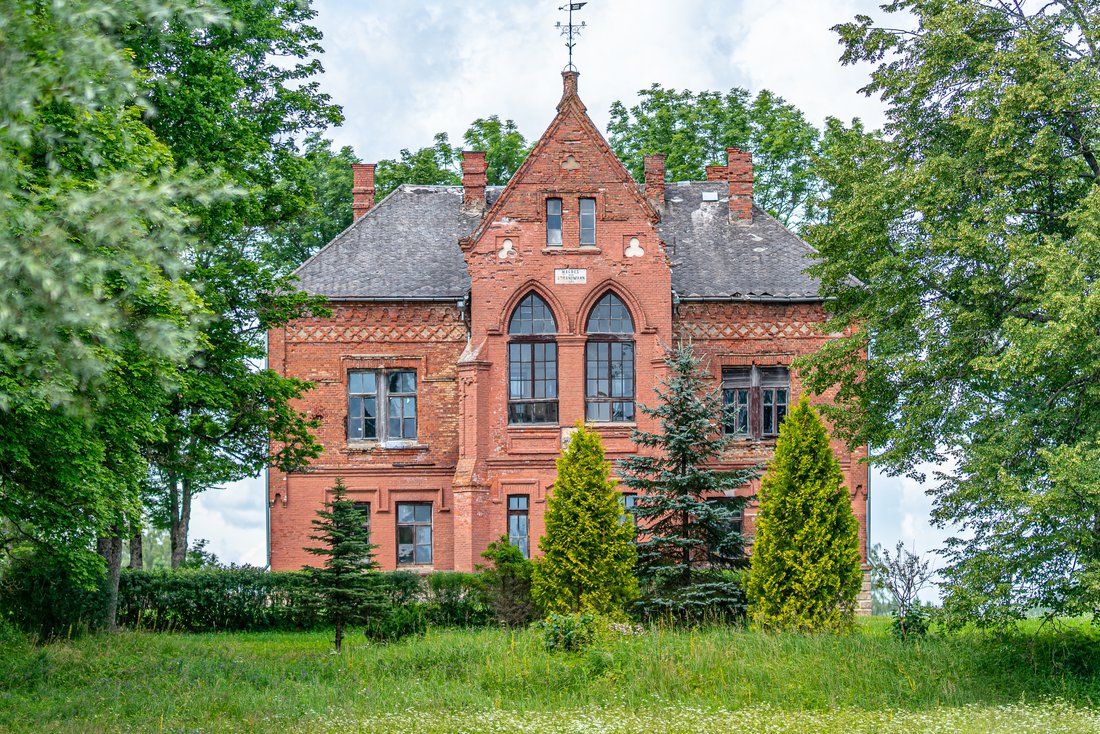
The castle was built in the neo-Gothic style. The year of construction of the castle is 1886, it should be mentioned that during the riots of 1905, the manor was burned down and restored in 1930. The total area of the castle is 607.2 m2. The land area is 8.9 Ha.
The banks of the beautiful Ogre River have been paved to protect the building from damage during floods. There is a walking trail along the river bank.
-
Tipo de propiedad
Casa
Características
- Jardín
- Vista a la Montaña
- Biblioteca
- Ecuestre
- Oficina
- Lavadero
Explorar la zona
El agente se comunicará con usted pronto por
Publicado por
Reserva una visita con Aija Stalune
Elija una fecha y si prefiere una visita virtual o presencial con el agente.

La confianza de los mejores brokers del mundo
Los agentes tras las propiedades más excepcionales del mundo publican en JamesEdition.
- Anuncios de Sotheby's, Christie's, BARNES y Engel & Völkers
- Cada anuncio se revisa antes de publicarse
- Conecte directamente con agentes verificados
Al continuar, acepta nuestros Términos y la Política de Privacidad.