$5,265,410
Castillo Fortaleza Del Siglo XVIII En La Costa Da Morte (A Coruña)
- 9 Hab.
- 9 Baños
- 20,452 Sqft
- 110
Sobre la propiedad
La descripción se tradujo automáticamente.
La descripción se muestra en el idioma original.
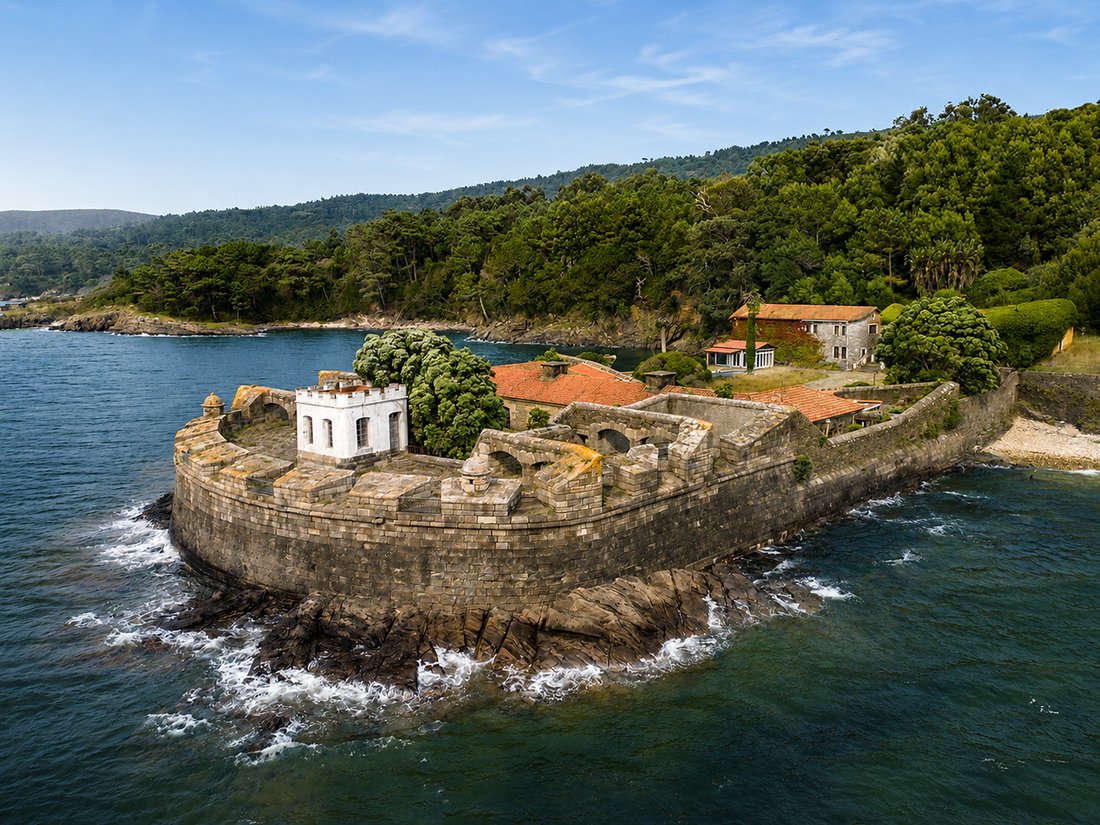
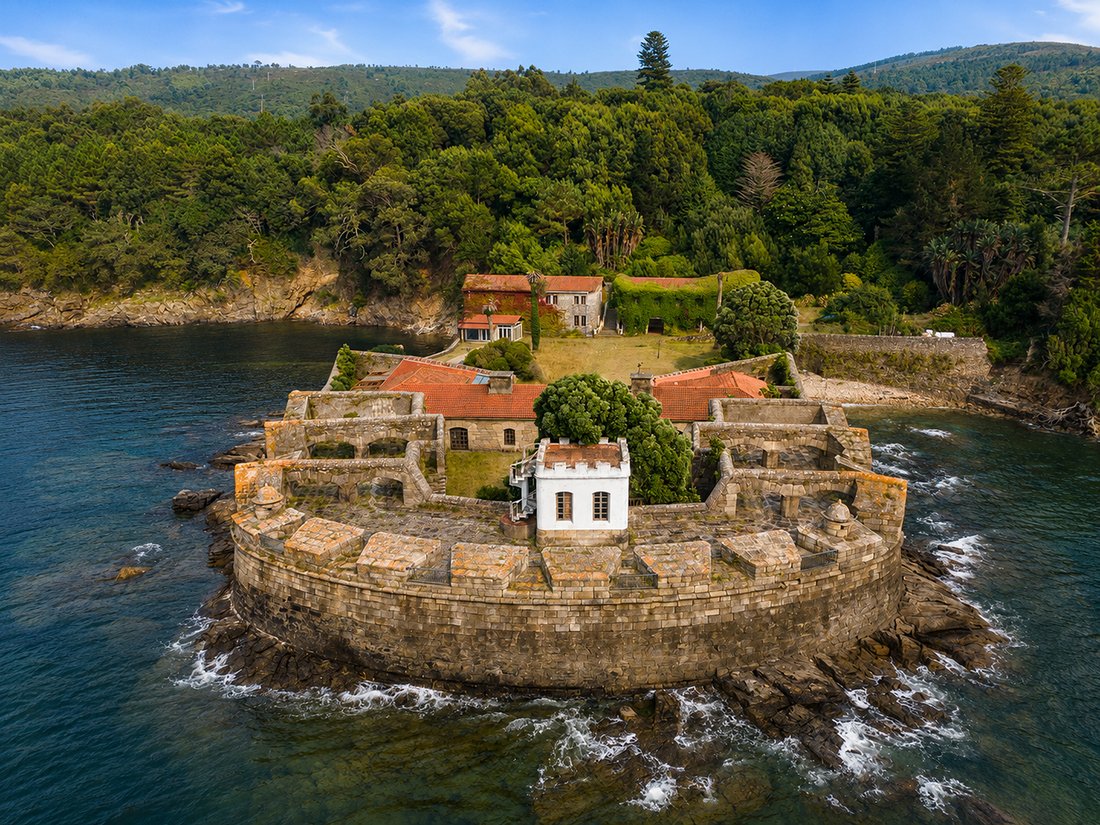
Nos remontamos al siglo XVIII, durante el reinado de los Borbones en España. La construcción de la fortaleza comenzó en 1740, simultáneamente con el Castelo do Cardeal (Castillo del Cardenal), ubicado en la orilla opuesta de la ría de Corcubión. Se denominó Castillo del Príncipe en honor al hijo de Carlos III de España, el futuro rey Carlos IV.
A finales del siglo XIX, el castillo dejó de
A finales del siglo XIX, el castillo dejó de
We go back to the 18th century, during the reign of the Bourbons in Spain. The construction of the fortress began in 1740, simultaneously with the Castelo do Cardeal (Cardinal’s Castle), located on the opposite shore of the Corcubión estuary. It was named Castillo del Príncipe in honor of the son of Carlos III of Spain, the future king Carlos IV.
By the end of the 19th century, the castle
By the end of the 19th century, the castle
Nos remontamos al siglo XVIII, durante el reinado de los Borbones en España. La construcción de la fortaleza comenzó en 1740, simultáneamente con el Castelo do Cardeal (Castillo del Cardenal), ubicado en la orilla opuesta de la ría de Corcubión. Se denominó Castillo del Príncipe en honor al hijo de Carlos III de España, el futuro rey Carlos IV.
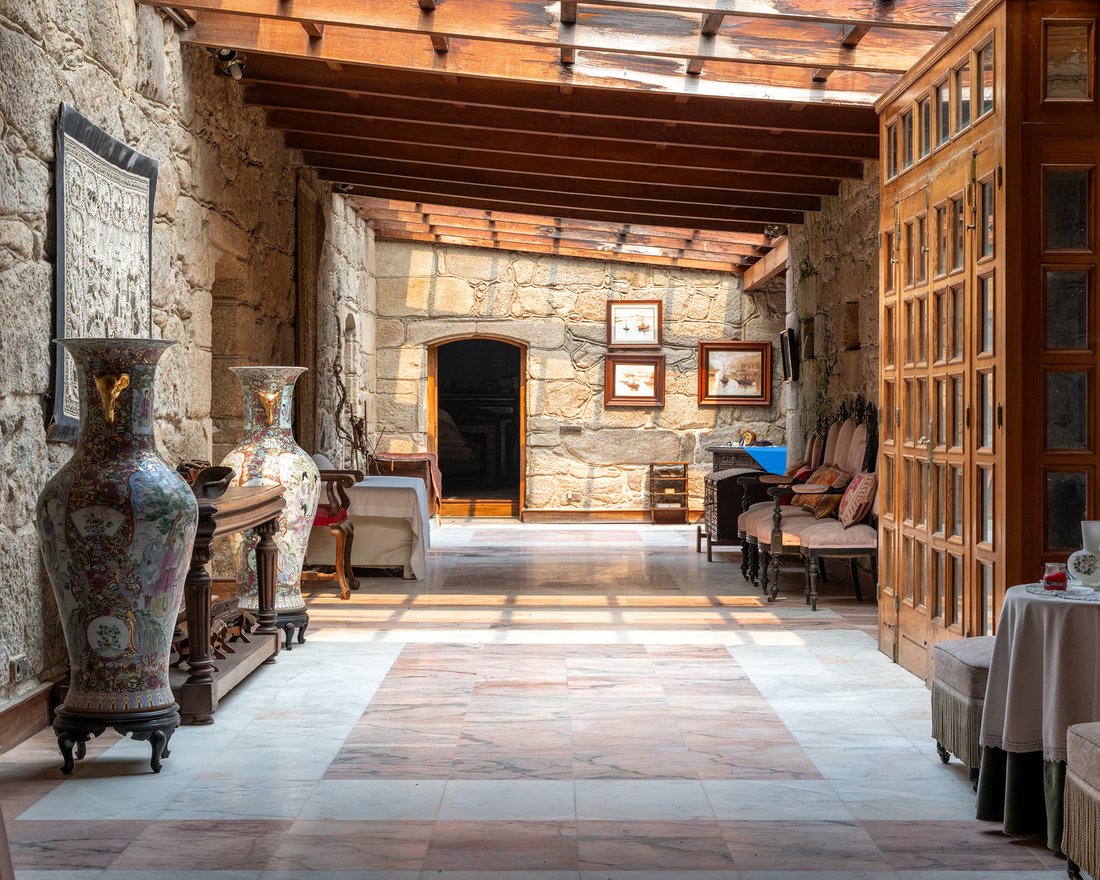
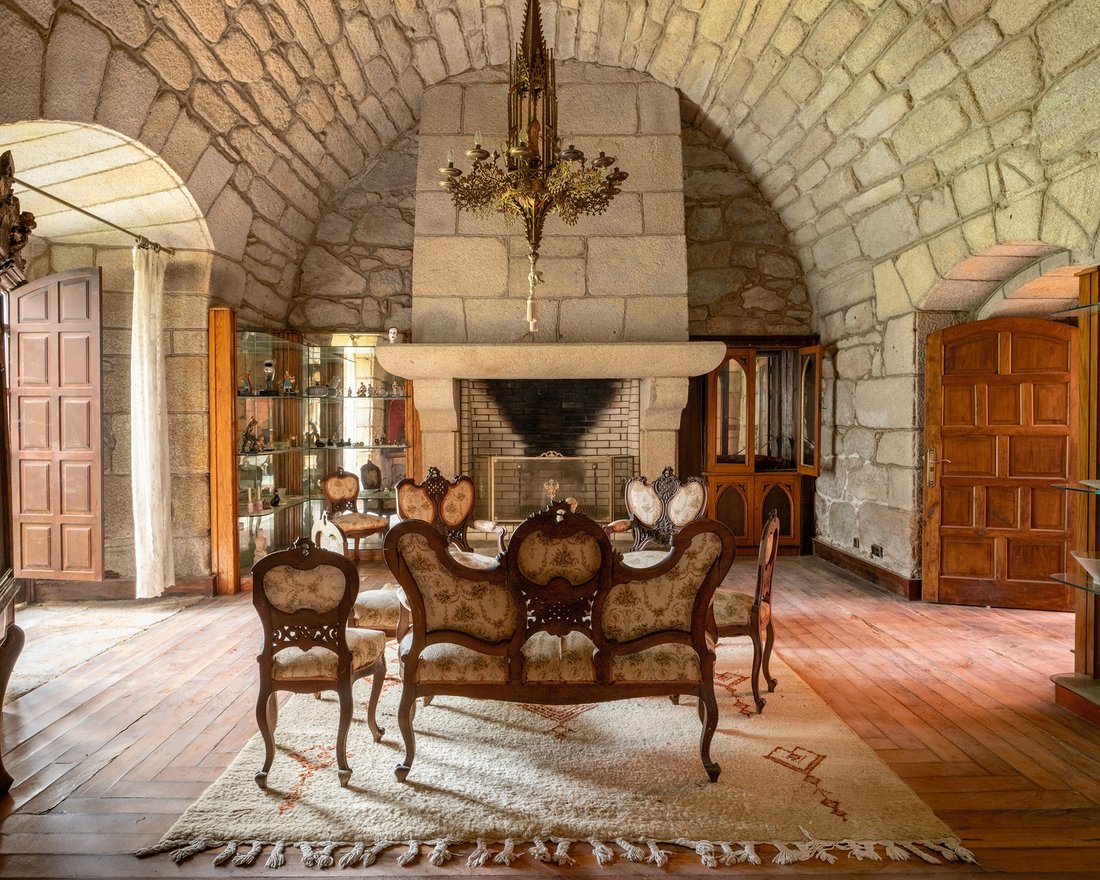
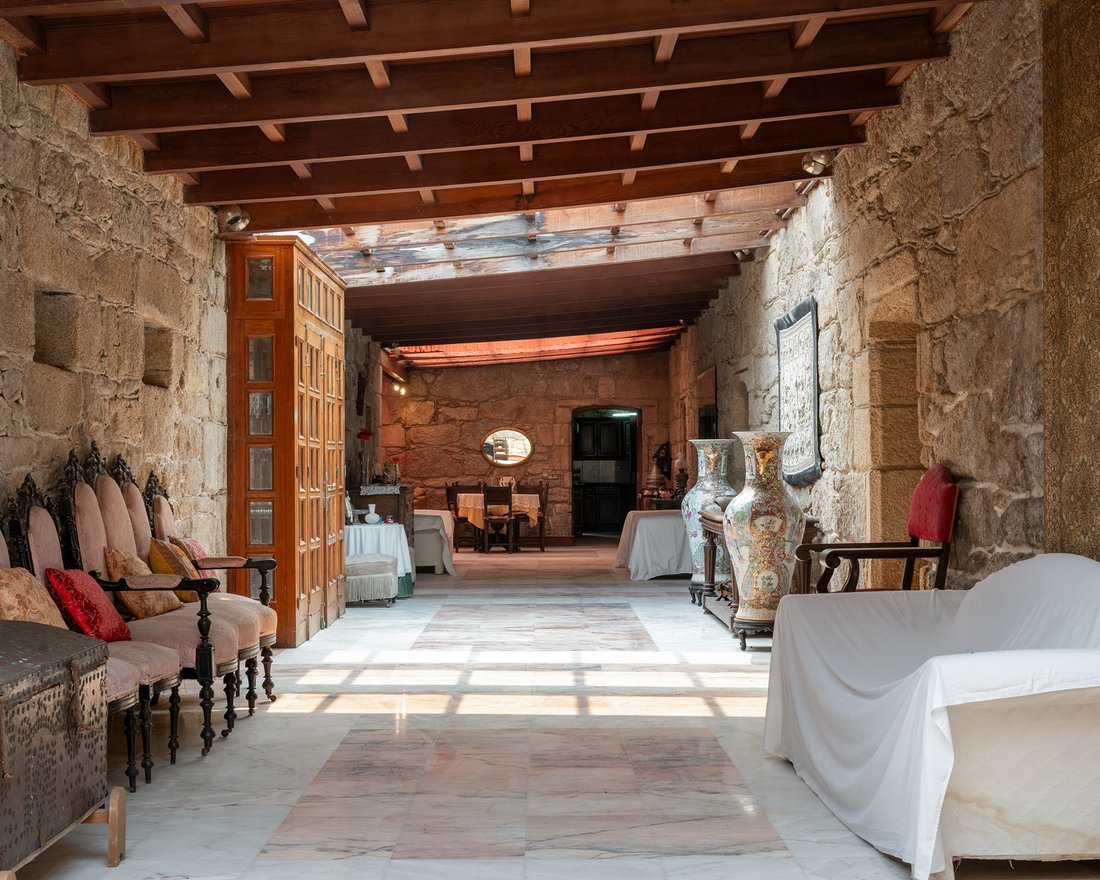
A finales del siglo XIX, el castillo dejó de ser propiedad estatal tras una subasta pública. Tuvo varios propietarios, siendo en 1985 el empresario gallego Xosé Ramón Oreiro quién realizó significativas reformas convirtiéndolo en una residencia de lujo.
Al igual que el Castillo del Cardenal, estaba equipado con 12 piezas de artillería en diversas torres orientadas al mar. Un gran edificio central dirigía sus alas hacia los semibaluartes del hornabeque, incluyendo las dependencias para la guarnición, que albergaba a 88 soldados, almacenes y polvorín. La estructura exterior, realizada en cantería finamente labrada y gran parte de las construcciones interiores, resalta magníficamente tanto desde el mar como desde tierra, donde tenía foso y puente de acceso al centro de la fortificación.
Actualmente se encuentra catalogado como Bien de Interés Cultural desde 1994, formando parte del Patrimonio Cultural de Galicia.
A finales del siglo XIX, el castillo dejó de ser propiedad estatal tras una subasta pública. Tuvo varios propietarios, siendo en 1985 el empresario gallego Xosé Ramón Oreiro quién realizó significativas reformas convirtiéndolo en una residencia de lujo.
Al igual que el Castillo del Cardenal, estaba equipado con 12 piezas de artillería en diversas torres orientadas al mar. Un gran edificio central dirigía sus alas hacia los semibaluartes del hornabeque, incluyendo las dependencias para la guarnición, que albergaba a 88 soldados, almacenes y polvorín. La estructura exterior, realizada en cantería finamente labrada y gran parte de las construcciones interiores, resalta magníficamente tanto desde el mar como desde tierra, donde tenía foso y puente de acceso al centro de la fortificación.
Actualmente se encuentra catalogado como Bien de Interés Cultural desde 1994, formando parte del Patrimonio Cultural de Galicia.
We go back to the 18th century, during the reign of the Bourbons in Spain. The construction of the fortress began in 1740, simultaneously with the Castelo do Cardeal (Cardinal’s Castle), located on the opposite shore of the Corcubión estuary. It was named Castillo del Príncipe in honor of the son of Carlos III of Spain, the future king Carlos IV.
By the end of the 19th century, the castle ceased to be state property after a public auction. It had several owners, with Galician businessman Xosé Ramón Oreiro making significant renovations in 1985, turning it into a luxury residence.
Like the Cardenal Castle, it was equipped with 12 artillery pieces in various towers facing the sea. A large central building directed its wings towards the half-bastions of the ravelin, including quarters for the garrison, which housed 88 soldiers, warehouses, and a powder magazine. The finely carved stonework of the exterior and much of the interior constructions magnificently stand out both from the sea and from the land, where it had a moat and a bridge leading to the center of the fortress.
Currently classified as a Cultural Heritage Site since 1994, forming part of the Cultural Heritage of Galicia.
By the end of the 19th century, the castle ceased to be state property after a public auction. It had several owners, with Galician businessman Xosé Ramón Oreiro making significant renovations in 1985, turning it into a luxury residence.
Like the Cardenal Castle, it was equipped with 12 artillery pieces in various towers facing the sea. A large central building directed its wings towards the half-bastions of the ravelin, including quarters for the garrison, which housed 88 soldiers, warehouses, and a powder magazine. The finely carved stonework of the exterior and much of the interior constructions magnificently stand out both from the sea and from the land, where it had a moat and a bridge leading to the center of the fortress.
Currently classified as a Cultural Heritage Site since 1994, forming part of the Cultural Heritage of Galicia.
-
Tipo de propiedad
Otros
-
Año de construcción
1740
-
Precio/pie²
$257
Características
- Jardín
- Piscina
- Terraza
- Chimenea
- Vista a la Montaña
- Vista al Agua
- Plano de planta 2D
- Isla de cocina
- Techo alto
Características
Lote
Interior
- Techo alto
- Chimenea
- Aire Acondicionado
- Isla de cocina
- Encimeras de piedra
Outdoor
Explorar la zona
Parroquia de Ameixenda, Cee, GA 15270, Cee (Distrito), España
Ver en Google Maps
Precio por sqft
Bajo
Alto
Se unió hace 2 años
Usted ha preguntado por esta propiedad
El agente se comunicará con usted pronto por
Publicado por
10
Anuncios
2025
Se unió
Reserva una visita con Fernanda Viñas Cue
Elija una fecha y si prefiere una visita virtual o presencial con el agente.
Fecha preferida
Tipo de tour

Spain Sotheby's International Realty
Calle Lagasca 28, 28001, Madrid, Madrid, Spain
Ver perfil de la agencia
Offering high-end properties in the city, villas and equestrian farms on the
outskirts of the city. Madrid, the
outskirts of the city. Madrid, the
Offering high-end properties in the city, villas and equestrian farms on the
outskirts of the city. Madrid, the capital of Spain, is located in the centre of
the Iberian Peninsula. It is a very active city, with a lively nightlife and
scores of daytime allures. It is home to famous museums such as El Prado,
Thyssen-Bornemisza and Reina Sofia, great historic architecture, shopping
boulevards and excellent cuisine. It has a great diversity of districts that
merit visiting.
outskirts of the city. Madrid, the capital of Spain, is located in the centre of
the Iberian Peninsula. It is a very active city, with a lively nightlife and
scores of daytime allures. It is home to famous museums such as El Prado,
Thyssen-Bornemisza and Reina Sofia, great historic architecture, shopping
boulevards and excellent cuisine. It has a great diversity of districts that
merit visiting.
Última actualización
Septiembre 18
Primera publicación
Octubre 14, 2024
Enlace del anuncio
Referencia del anuncio
P85QPE
La confianza de los mejores brokers del mundo
Los agentes tras las propiedades más excepcionales del mundo publican en JamesEdition.
- Anuncios de Sotheby's, Christie's, BARNES y Engel & Völkers
- Cada anuncio se revisa antes de publicarse
- Conecte directamente con agentes verificados
Al continuar, acepta nuestros Términos y la Política de Privacidad.