$1,095,092
Historic Palace House In Cazalla De La Sierra
- 22 Hab.
- 22 Baños
- 13.240 ft²
Sobre la propiedad
La descripción se tradujo automáticamente.
La descripción se muestra en el idioma original.
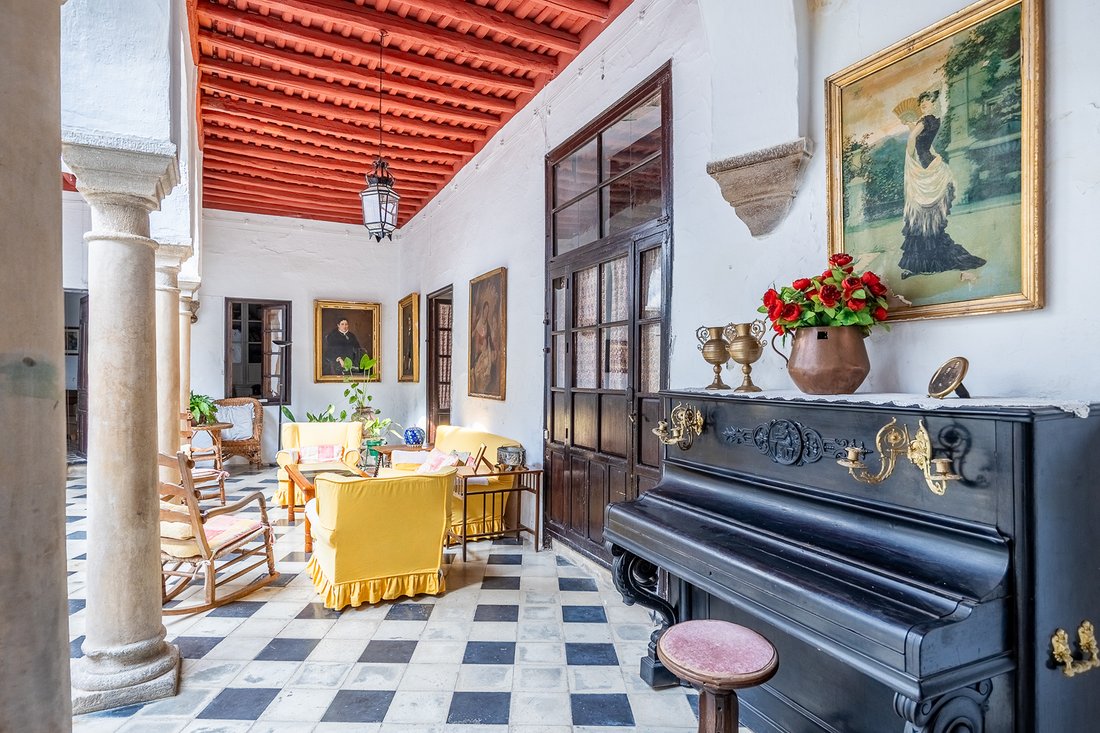
En el corazón del Conjunto Histórico de Cazalla de la Sierra se encuentra esta casa señorial única, una propiedad singular que combina el valor del patrimonio arquitectónico andaluz con un interesante potencial para el desarrollo hotelero.
Con 1,444 metros cuadrados construidos en una parcela de 1,116 metros cuadrados, el edificio tiene sus orígenes en los siglos XVII y XVIII, con renovac
In the heart of the Historic Ensemble of Cazalla de la Sierra lies this unique manor house, a singular property that combines the value of Andalusian architectural heritage with an interesting potential for hotel development.
With 1,444 square meters built on a plot of 1,116 square meters, the building has its origins in the 17th and 18th centuries, with subsequent renovations in the 19th
En el corazón del Conjunto Histórico de Cazalla de la Sierra se encuentra esta casa señorial única, una propiedad singular que combina el valor del patrimonio arquitectónico andaluz con un interesante potencial para el desarrollo hotelero.
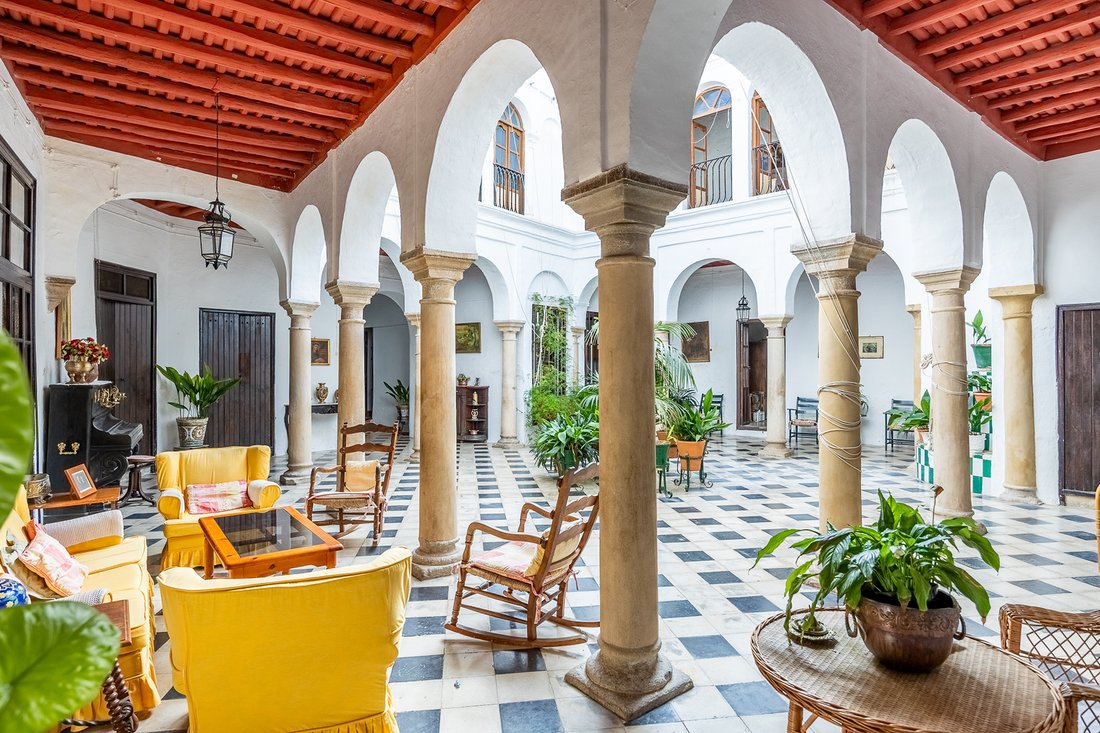
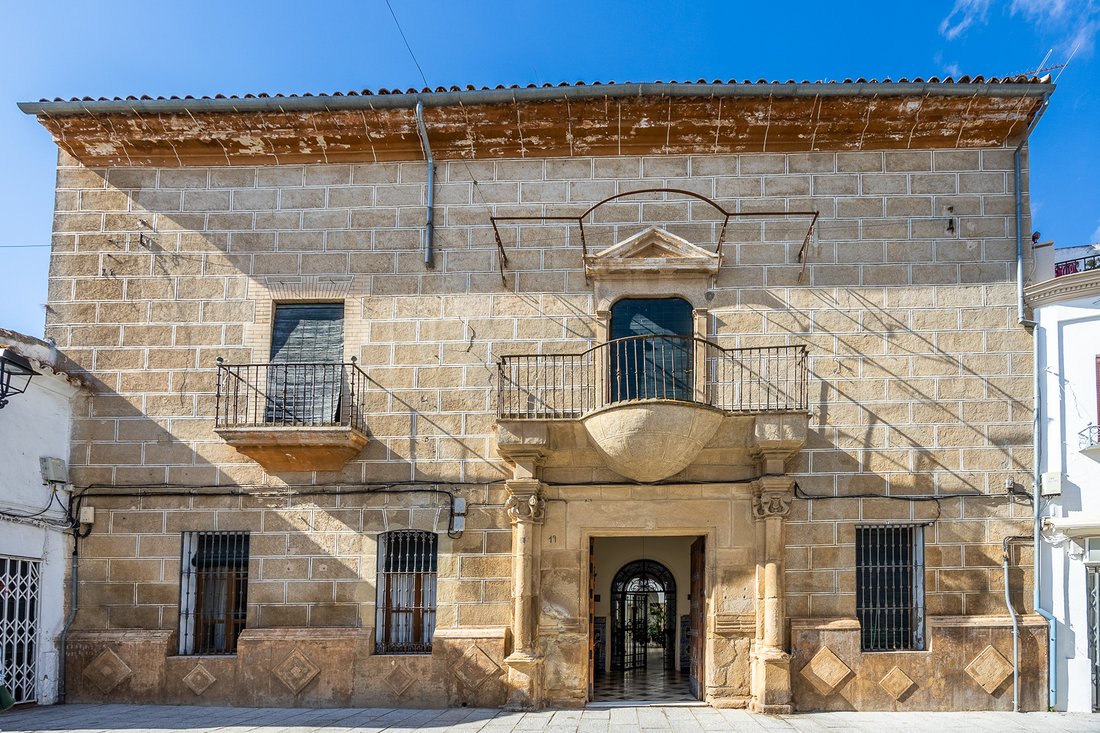
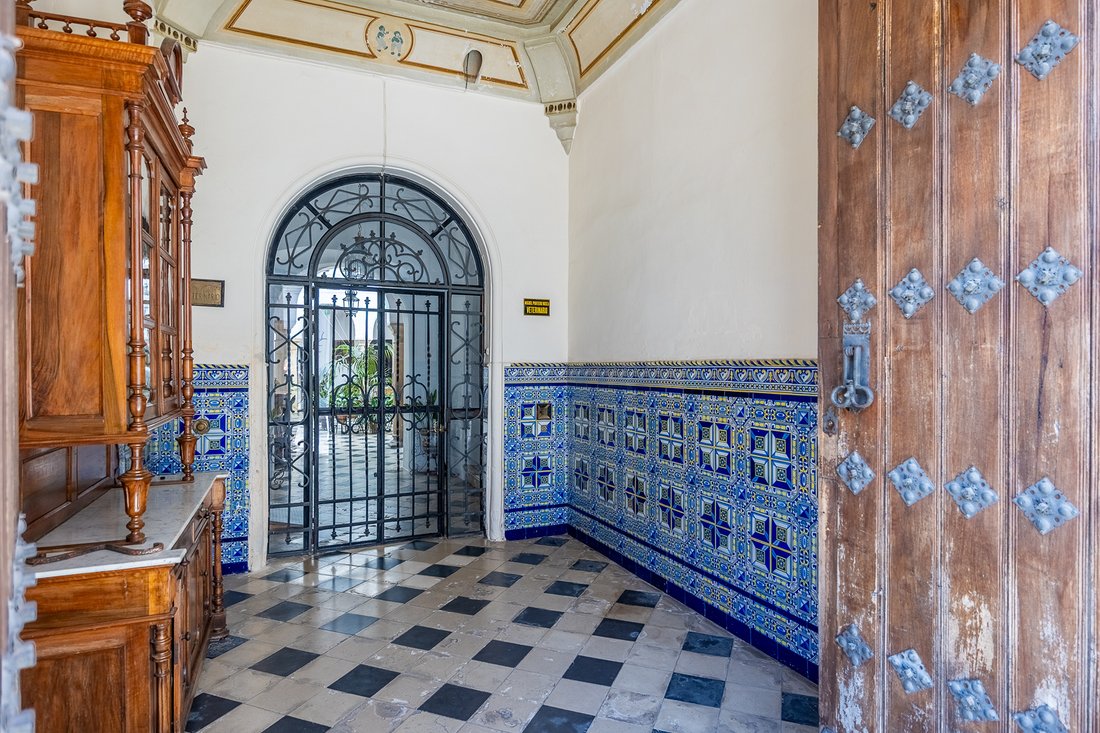
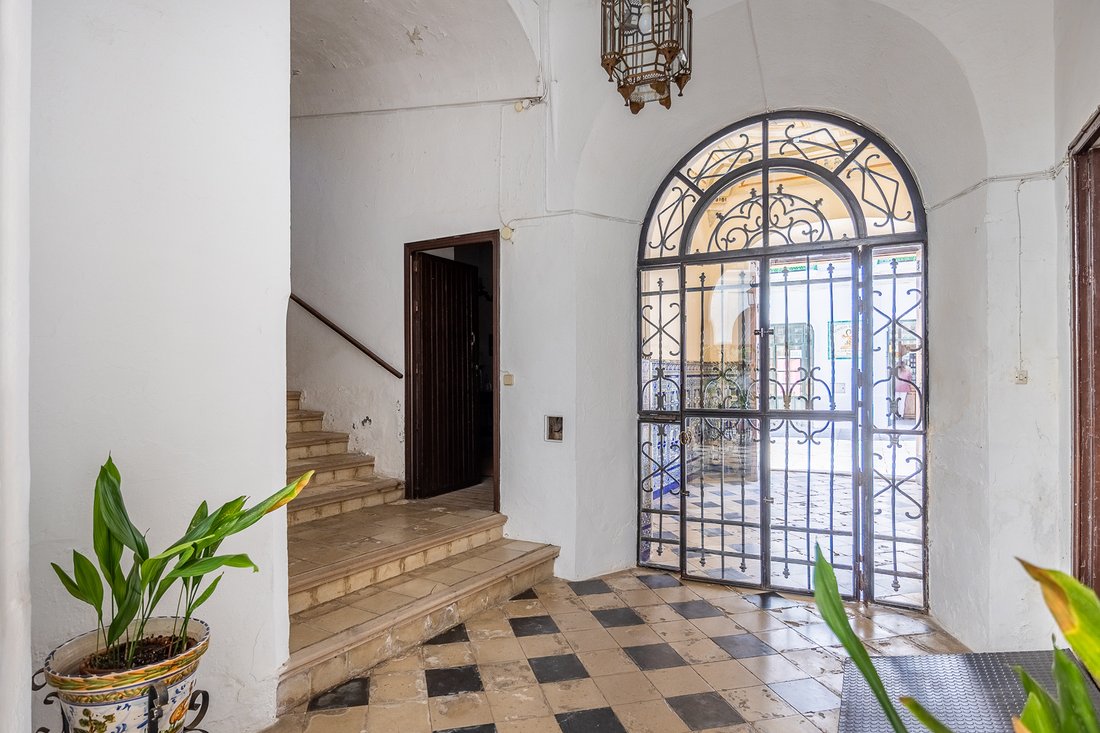
Con 1,444 metros cuadrados construidos en una parcela de 1,116 metros cuadrados, el edificio tiene sus orígenes en los siglos XVII y XVIII, con renovaciones posteriores en el siglo XIX. Destaca por su imponente fachada principal, con una entrada de piedra, columnas sobre pedestal y un balcón de honor, así como su disposición alrededor de un patio interior que conecta las diversas estancias.
Uno de sus elementos más singulares es la antigua bodega situada en la parte trasera, con acceso desde la calle Daoiz. Este espacio albergó una destilería vinculada a las históricas marcas de anís La Rosa y La Cepa, y conserva gran parte de sus tinajas originales, integradas en las paredes, evocando la tradición destiladora del pueblo.
Por su tamaño y configuración, la propiedad ofrece la posibilidad de desarrollar un hotel boutique con entre 20 y 25 habitaciones, con espacios dedicados al alojamiento, la restauración y áreas comunes. La antigua bodega proporciona un atractivo distintivo para crear experiencias vinculadas a la cultura del anís, la gastronomía y la tradición local.
Ubicada en una de las calles peatonales más representativas del centro histórico, la propiedad forma parte del Catálogo de Bienes Protegidos y del área de protección del Conjunto Histórico, declarado Bien de Interés Cultural. Su expediente urbanístico contempla expresamente el uso hotelero, sujeto al respeto y conservación de sus elementos patrimoniales.
Una oportunidad única para inversores y operadores hoteleros interesados en desarrollar un proyecto con identidad propia en un lugar de gran riqueza histórica, cultural, natural y gastronómica.
In the heart of the Historic Ensemble of Cazalla de la Sierra lies this unique manor house, a singular property that combines the value of Andalusian architectural heritage with an interesting potential for hotel development.
With 1,444 square meters built on a plot of 1,116 square meters, the building has its origins in the 17th and 18th centuries, with subsequent renovations in the 19th century. It stands out for its imposing main facade, with a stone entrance, columns on a pedestal, and an honorary balcony, as well as its layout around an interior courtyard that connects the various rooms.
One of its most unique elements is the old winery located at the back, with access from Daoiz Street. This space once housed a distillery linked to the historic anise brands La Rosa and La Cepa, and retains much of its original jars, integrated into the walls, evoking the town’s distilling tradition.
Due to its size and configuration, the property offers the possibility of developing a boutique hotel with between 20 and 25 rooms, with spaces dedicated to accommodation, dining, and common areas. The old winery provides a distinctive appeal to create experiences linked to the culture of anise, gastronomy, and local tradition.
Located on one of the most representative pedestrian streets of the historic center, the property is part of the Catalog of Protected Assets and the protection area of the Historic Ensemble, declared a Site of Cultural Interest. Its urban planning file expressly contemplates hotel use, subject to the respect and conservation of its heritage elements.
A unique opportunity for investors and hotel operators interested in developing a project with its own identity in a location of great historical, cultural, natural, and gastronomic richness.
-
Tipo de propiedad
Casa
-
Precio/pie²
$82
Características
Explorar la zona
Calle la Plazuela, Historic Ensemble, Cazalla de la Sierra, 41370, Spain
Ver en Google Maps
Precio por sqft
Bajo
Alto
Se unió hace 2 años
Usted ha preguntado por esta propiedad
El agente se comunicará con usted pronto por
Publicado por
59
Anuncios
2024
Se unió
Reserva una visita con the agent
Elija una fecha y si prefiere una visita virtual o presencial con el agente.
Fecha preferida
Tipo de tour

Spain Sotheby's International Realty
Plaza Nueva, 3, 41001, Sevilla, Sevilla, Spain
Ver perfil de la agencia
Última actualización
Hoy
Primera publicación
Noviembre 25
Enlace del anuncio
Referencia del anuncio
3L362F
Propiedades similares cercanas
Nuevos anuncios en Cazalla de la Sierra



Explorar más viviendas en venta
Cazalla de la Sierra, Andalucía, España tipos de propiedad
Cazalla de la Sierra, Andalucía, España búsquedas populares
- Propiedades Vista al Lago en Cazalla de la Sierra, Andalucía, España
- Propiedades Privacidad en Cazalla de la Sierra, Andalucía, España
- Propiedades Propiedad de Inversión en Cazalla de la Sierra, Andalucía, España
- Propiedades con Biblioteca en Cazalla de la Sierra, Andalucía, España
- Propiedades Mansión en Cazalla de la Sierra, Andalucía, España
- Propiedades Frente al río en Cazalla de la Sierra, Andalucía, España
Guías e historias relacionadas
La confianza de los mejores brokers del mundo
Los agentes tras las propiedades más excepcionales del mundo publican en JamesEdition.
- Anuncios de Sotheby's, Christie's, BARNES y Engel & Völkers
- Cada anuncio se revisa antes de publicarse
- Conecte directamente con agentes verificados
Al continuar, acepta nuestros Términos y la Política de Privacidad.