$1,688,324
Palacio Del Siglo XIX En Venta En Elvas
- 18 Hab.
- 5 Baños
- 11,410 Sqft
- 9,946 Sqft lot
- Actualizado: Junio 18
- 8
Sobre la propiedad
La descripción se tradujo automáticamente.
La descripción se muestra en el idioma original.
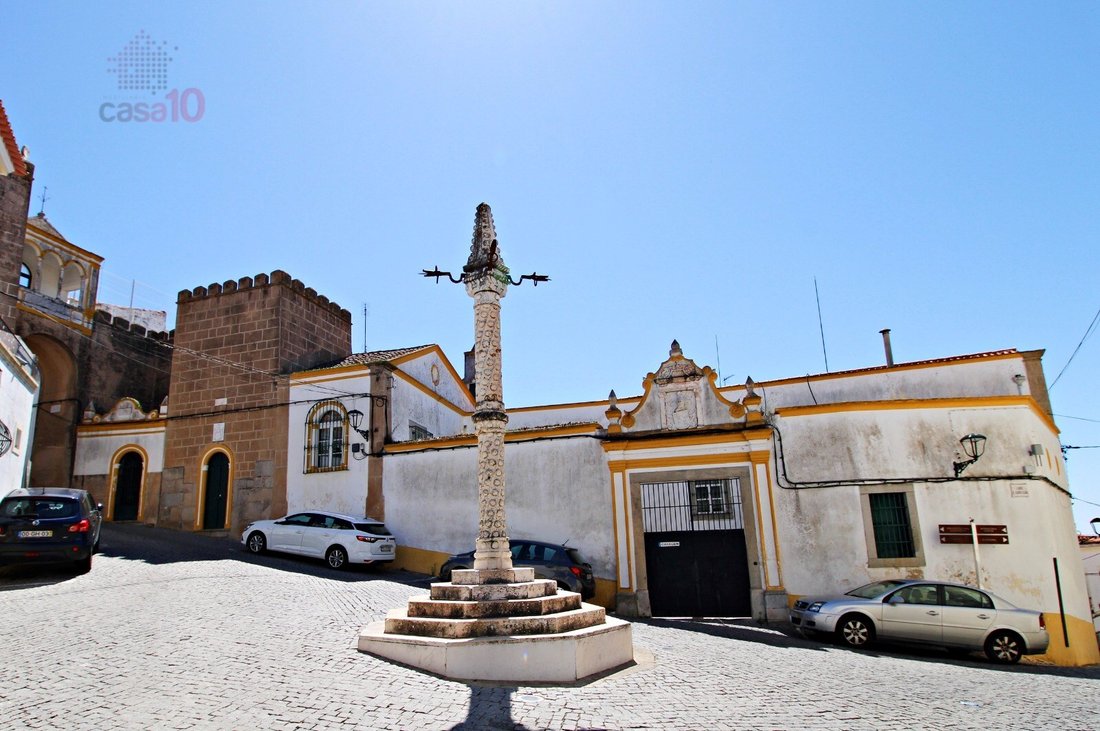
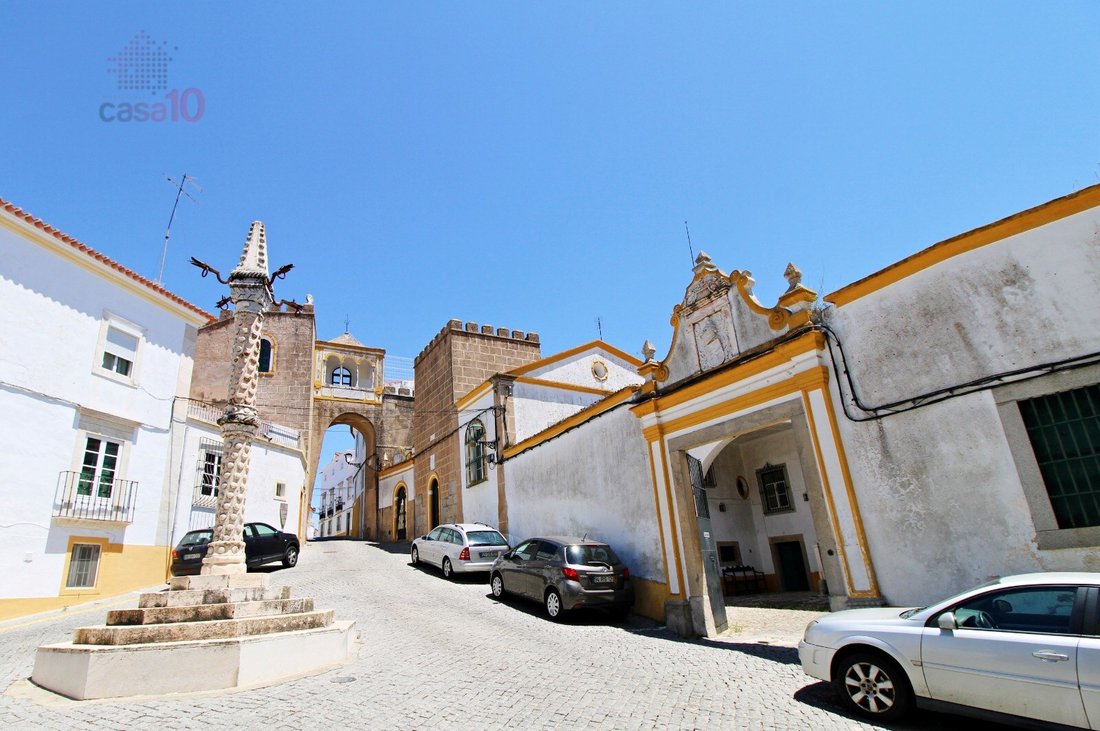
El Palácio dos Mesquita Pimentel fue construido en el siglo XIX. XVI por Luís de Mesquita Pimentel, un noble caballero de la ciudad de Elvas que alojó allí a Felipe II de España en 1580 durante los meses que vivió en esta ciudad antes de partir hacia Lisboa. Meses antes, el palacio fue objeto de importantes obras realizadas por el arquitecto real Juan de Herrera, el mismo que participó en la const
The Palácio dos Mesquita Pimentel was built in the 19th century. XVI by Luís de Mesquita Pimentel, a noble knight from the city of Elvas who housed Philip II of Spain there in 1580 during the months he lived in this city before leaving for Lisbon. Months before, the palace underwent major works carried out by the royal architect Juan de Herrera, the same one who was involved in the construction of
El Palácio dos Mesquita Pimentel fue construido en el siglo XIX. XVI por Luís de Mesquita Pimentel, un noble caballero de la ciudad de Elvas que alojó allí a Felipe II de España en 1580 durante los meses que vivió en esta ciudad antes de partir hacia Lisboa. Meses antes, el palacio fue objeto de importantes obras realizadas por el arquitecto real Juan de Herrera, el mismo que participó en la construcción del Monasterio del Escorial. Originalmente, el edificio estaba conectado con el edificio ubicado un poco más abajo, con la Porta do Sol, formando un solo edificio.
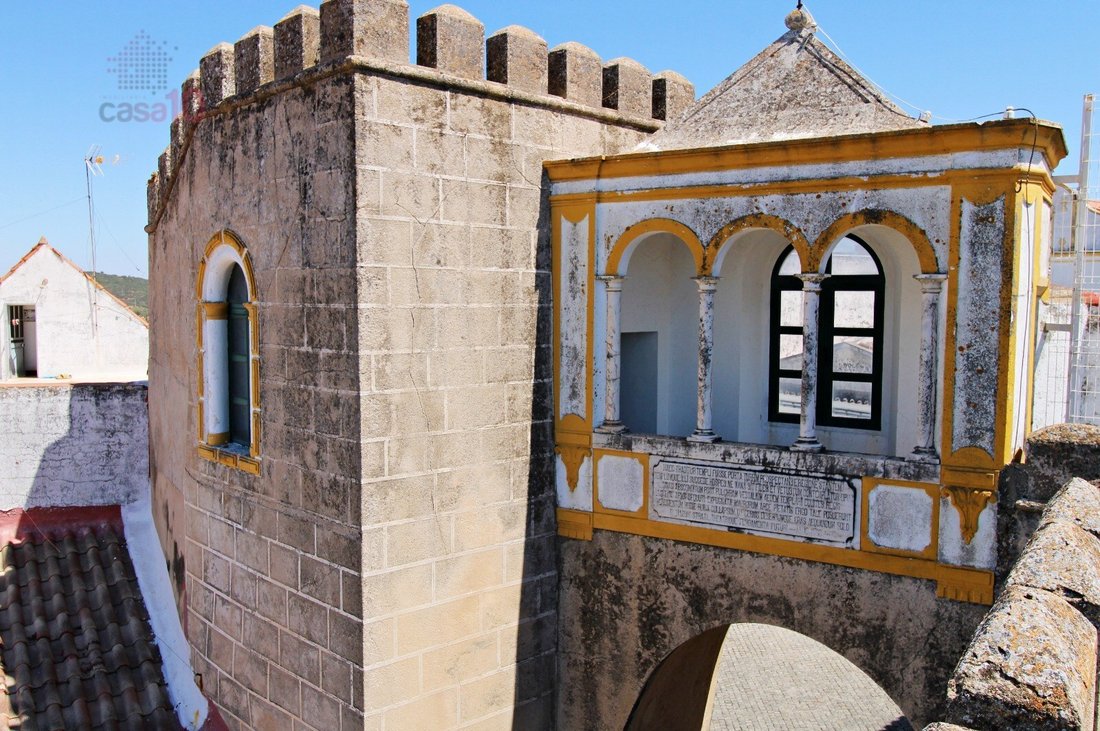
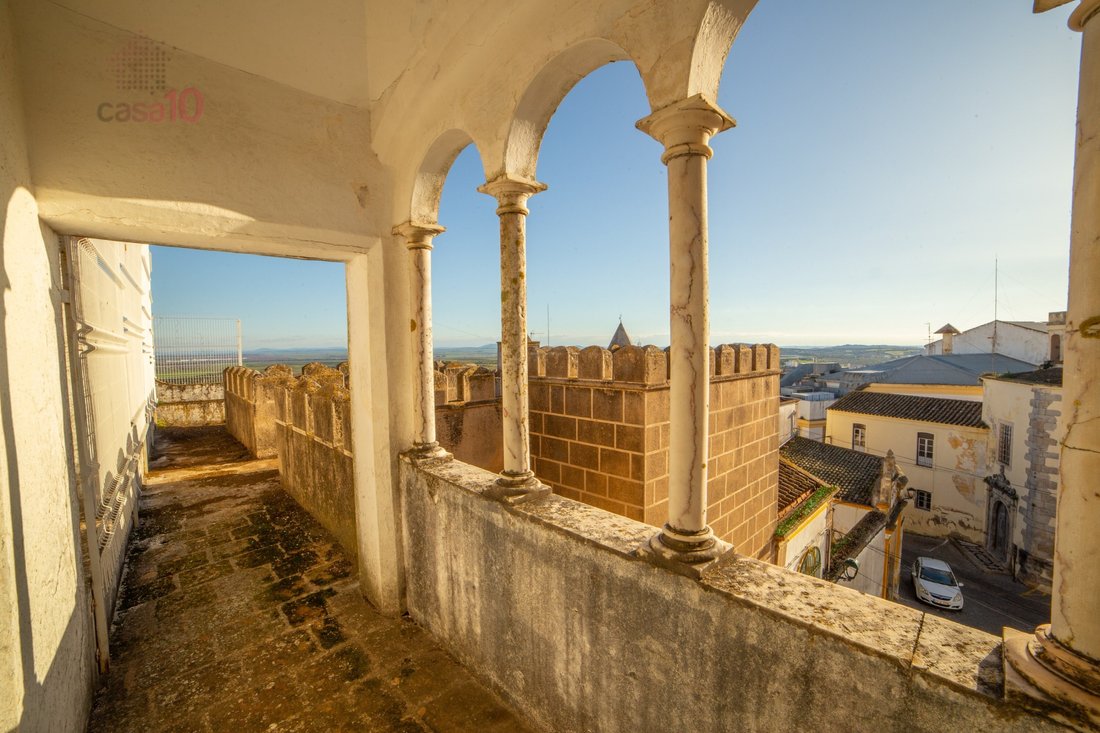
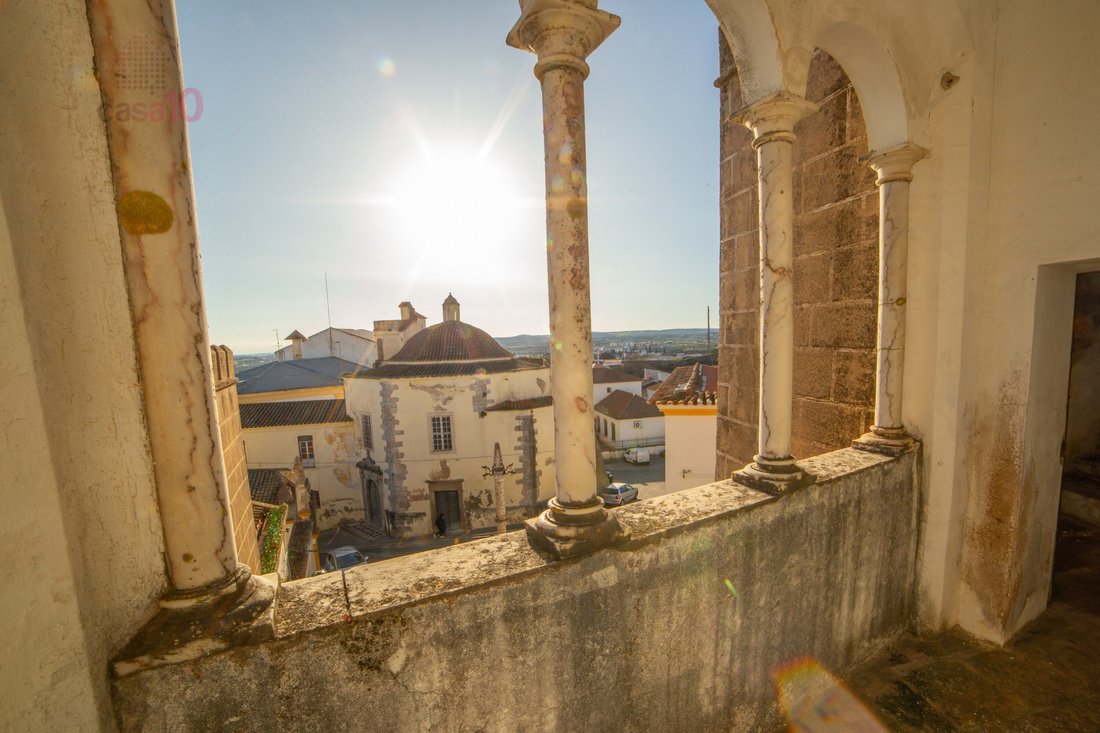
El palacio fue manipulado posteriormente en los siglos XVIII y XIX, conservando solo en la fachada lateral, en la Rua Tenente Passos e Sousa, una ventana angular con columnas, típica de la arquitectura española de finales del siglo XIX. XVI. En el interior, hay un gran patio al que se accede desde un portal coronado por los escudos de armas de la Mesquita Pimentel.
De gran importancia es la gran sección de la primera valla islámica que atraviesa el edificio, construida en el siglo XVI. IX, incluida la antigua Puerta del Templo en la misma pared, con su entrada original en arco de herradura y codo, una puerta descubierta en el siglo XIX. XIX por el entonces propietario, el Dr. Francisco de Paula Santa Clara, distinguido historiador, tipógrafo e intelectual élfico.
¡Programa tu visita!
Calificación energética: F
Nº de referencia: EVR000116-25
El palacio fue manipulado posteriormente en los siglos XVIII y XIX, conservando solo en la fachada lateral, en la Rua Tenente Passos e Sousa, una ventana angular con columnas, típica de la arquitectura española de finales del siglo XIX. XVI. En el interior, hay un gran patio al que se accede desde un portal coronado por los escudos de armas de la Mesquita Pimentel.
De gran importancia es la gran sección de la primera valla islámica que atraviesa el edificio, construida en el siglo XVI. IX, incluida la antigua Puerta del Templo en la misma pared, con su entrada original en arco de herradura y codo, una puerta descubierta en el siglo XIX. XIX por el entonces propietario, el Dr. Francisco de Paula Santa Clara, distinguido historiador, tipógrafo e intelectual élfico.
¡Programa tu visita!
Calificación energética: F
Nº de referencia: EVR000116-25
The Palácio dos Mesquita Pimentel was built in the 19th century. XVI by Luís de Mesquita Pimentel, a noble knight from the city of Elvas who housed Philip II of Spain there in 1580 during the months he lived in this city before leaving for Lisbon. Months before, the palace underwent major works carried out by the royal architect Juan de Herrera, the same one who was involved in the construction of the Escorial Monastery. Originally, the building was connected to the building located a little further down, to Porta do Sol, forming just one building.
The palace was later tampered with in the 18th and 19th centuries, retaining only on the side façade, on Rua Tenente Passos e Sousa, a corner window with columns, typical of Spanish architecture at the end of the 19th century. XVI. Inside, there is a large patio which is accessed from a portal surmounted by the coats of arms of the Mesquita Pimentel.
Of great importance is the large section of the first Islamic fence that runs through the building, built in the 16th century. IX, including the old Temple Gate on the same wall, with its original horseshoe arch and elbow entrance, a door discovered in the 19th century. XIX by the then owner, Dr. Francisco de Paula Santa Clara, distinguished historian, typographer and Elven intellectual.
Schedule your visit!
Energy Rating: F
#ref:EVR000116-25
The palace was later tampered with in the 18th and 19th centuries, retaining only on the side façade, on Rua Tenente Passos e Sousa, a corner window with columns, typical of Spanish architecture at the end of the 19th century. XVI. Inside, there is a large patio which is accessed from a portal surmounted by the coats of arms of the Mesquita Pimentel.
Of great importance is the large section of the first Islamic fence that runs through the building, built in the 16th century. IX, including the old Temple Gate on the same wall, with its original horseshoe arch and elbow entrance, a door discovered in the 19th century. XIX by the then owner, Dr. Francisco de Paula Santa Clara, distinguished historian, typographer and Elven intellectual.
Schedule your visit!
Energy Rating: F
#ref:EVR000116-25
-
Tipo de propiedad
Chateau
-
Precio/pie²
$147
-
Emisiones
NI
-
Consumo
F
Características
Características
Lote
Interior
- Techo alto
- Oficina
- Chimenea
- Aire Acondicionado
- Lavadora Secadora
- Bodega
- Sótano
Outdoor
Explorar la zona
Largo de Santa Clara 2, Caia, Sao Pedro e Alcacova, Distrito de Portalegre, Portugal
Ver en Google Maps
Precio por sqft
Bajo
Alto
Se unió hace 5 años
Usted ha preguntado por esta propiedad
El agente se comunicará con usted pronto por
Publicado por
127
Anuncios
2022
Se unió
Reserva una visita con the agent
Elija una fecha y si prefiere una visita virtual o presencial con el agente.
Fecha preferida
Tipo de tour
Última actualización
Junio 18
Primera publicación
Febrero 6, 2025
Referencia del anuncio
EVR000116-25-0521723653
Propiedades similares cercanas
Nuevos anuncios en Caia, Sao Pedro e Alcacova


Explorar más viviendas en venta
Caia, Sao Pedro e Alcacova, Distrito de Portalegre, Portugal tipos de propiedad
- Villas en venta en Caia, Sao Pedro e Alcacova, Distrito de Portalegre, Portugal
- Ranchos en venta en Caia, Sao Pedro e Alcacova, Distrito de Portalegre, Portugal
- Casas en venta en Caia, Sao Pedro e Alcacova, Distrito de Portalegre, Portugal
- Terreno en venta en Caia, Sao Pedro e Alcacova, Distrito de Portalegre, Portugal
- Chateaus en venta en Caia, Sao Pedro e Alcacova, Distrito de Portalegre, Portugal
- Casas de campo en venta en Caia, Sao Pedro e Alcacova, Distrito de Portalegre, Portugal
Caia, Sao Pedro e Alcacova, Distrito de Portalegre, Portugal búsquedas populares
- Propiedades Vista Panorámica en Caia, Sao Pedro e Alcacova, Distrito de Portalegre, Portugal
- Propiedades con Terraza en Caia, Sao Pedro e Alcacova, Distrito de Portalegre, Portugal
- Propiedades con Bar en Caia, Sao Pedro e Alcacova, Distrito de Portalegre, Portugal
- Propiedades con Sala de juegos en Caia, Sao Pedro e Alcacova, Distrito de Portalegre, Portugal
- Propiedades con Oficina en Caia, Sao Pedro e Alcacova, Distrito de Portalegre, Portugal
- Propiedades con Ascensor en Caia, Sao Pedro e Alcacova, Distrito de Portalegre, Portugal
- Propiedades Vista de la ciudad en Caia, Sao Pedro e Alcacova, Distrito de Portalegre, Portugal
- Propiedades Vista a la Montaña en Caia, Sao Pedro e Alcacova, Distrito de Portalegre, Portugal
- Propiedades con Jardín en Caia, Sao Pedro e Alcacova, Distrito de Portalegre, Portugal
- Propiedades Privacidad en Caia, Sao Pedro e Alcacova, Distrito de Portalegre, Portugal
- Propiedades Ecuestre en Caia, Sao Pedro e Alcacova, Distrito de Portalegre, Portugal
- Propiedades con Aire Acondicionado en Caia, Sao Pedro e Alcacova, Distrito de Portalegre, Portugal
- Propiedades con Bodega en Caia, Sao Pedro e Alcacova, Distrito de Portalegre, Portugal
- Propiedades con Jacuzzi en Caia, Sao Pedro e Alcacova, Distrito de Portalegre, Portugal
- Propiedades con Chimenea en Caia, Sao Pedro e Alcacova, Distrito de Portalegre, Portugal
- Propiedades con Piscina en Caia, Sao Pedro e Alcacova, Distrito de Portalegre, Portugal
- Propiedades con Garaje en Caia, Sao Pedro e Alcacova, Distrito de Portalegre, Portugal
- Propiedades con Balcón en Caia, Sao Pedro e Alcacova, Distrito de Portalegre, Portugal
- Propiedades Mansión en Caia, Sao Pedro e Alcacova, Distrito de Portalegre, Portugal
- Propiedades con Cocina abierta en Caia, Sao Pedro e Alcacova, Distrito de Portalegre, Portugal
- Propiedades Vista al Agua en Caia, Sao Pedro e Alcacova, Distrito de Portalegre, Portugal
Guías e historias relacionadas
La confianza de los mejores brokers del mundo
Los agentes tras las propiedades más excepcionales del mundo publican en JamesEdition.
- Anuncios de Sotheby's, Christie's, BARNES y Engel & Völkers
- Cada anuncio se revisa antes de publicarse
- Conecte directamente con agentes verificados
Al continuar, acepta nuestros Términos y la Política de Privacidad.