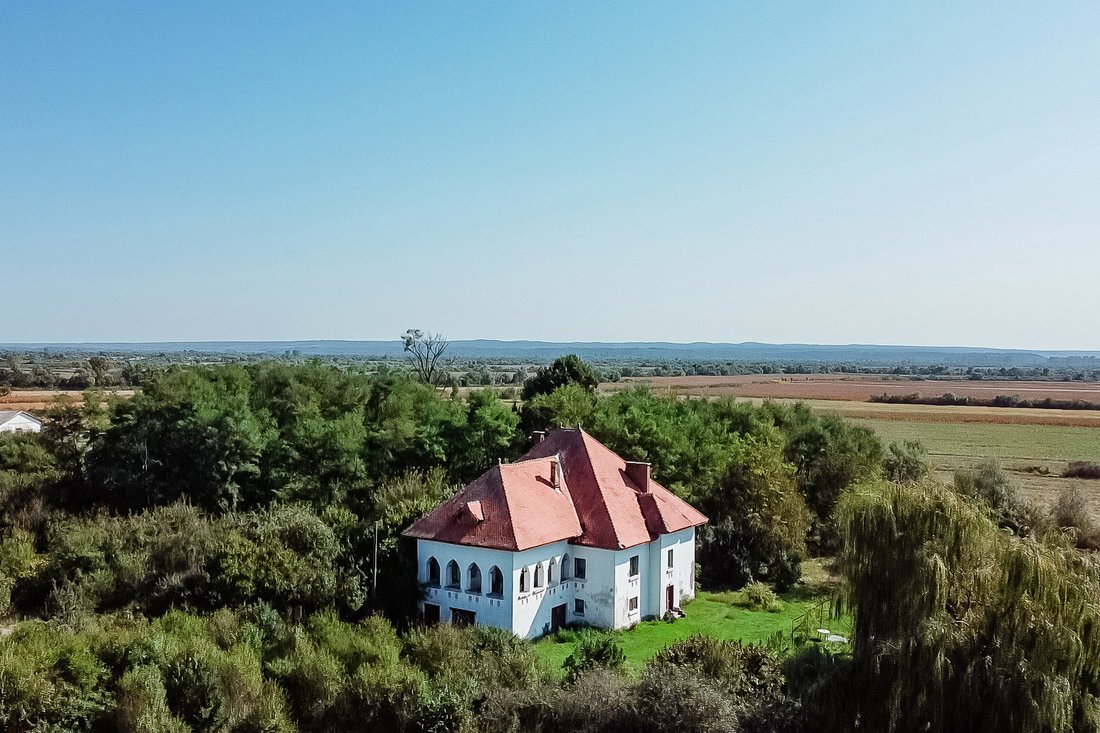
Cula Voiculescu, Rara Casa Fortificada Del Siglo XVIII
- 7 Hab.
- 2 Baños
- 7,557 Sqft
- 25.78 Ac lot
- 16
Sobre la propiedad
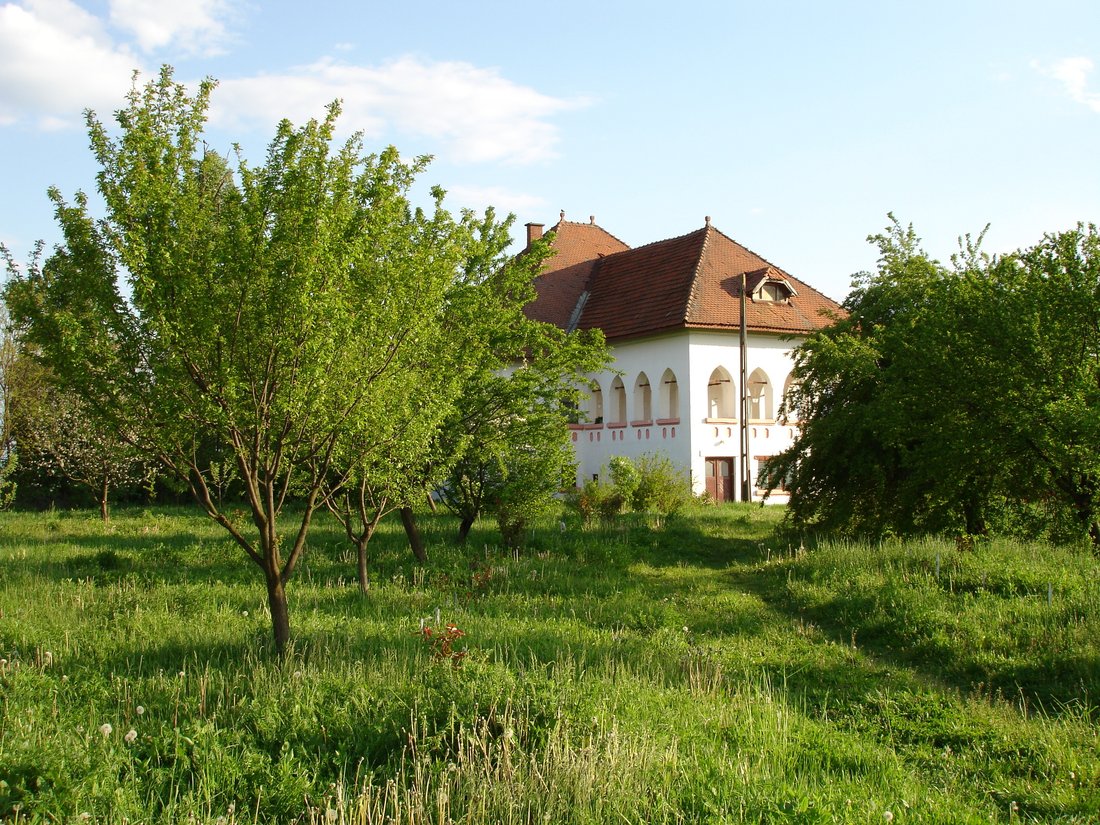
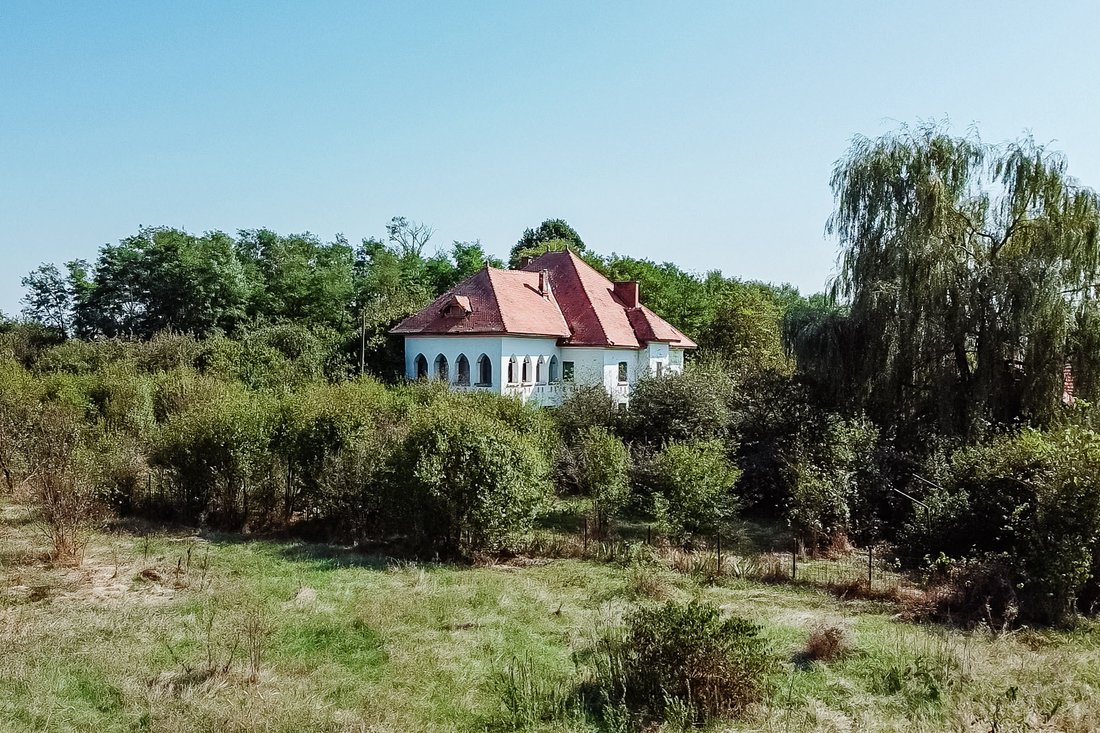
Rodeada de abundante vegetación, la torre levanta su techo de tejas para observar la distancia. Los tiempos son tranquilos, pero a finales del siglo XVIII, cuando se construyó, Pazvantoglu, el pasa de Vidin conocido por los residentes como Pazvante Chioru, solía asaltar la zona. Los señoríos fanariotas no tenían la capacidad de garantizar la protección de los territorios alejados de la capital,
Surrounded by abundant vegetation, the tower lifts its tiled roof to survey the distance. Times are quiet now, but at the end of the 18th century when it was built, Pazvantoglu, the pasa from Vidin known to the residents as Pazvante Chioru, used to raid the area. The Phanariot lordships did not have the ability to ensure the protection of the territories far from the capital, that is why the Ol
Rodeada de abundante vegetación, la torre levanta su techo de tejas para observar la distancia. Los tiempos son tranquilos, pero a finales del siglo XVIII, cuando se construyó, Pazvantoglu, el pasa de Vidin conocido por los residentes como Pazvante Chioru, solía asaltar la zona. Los señoríos fanariotas no tenían la capacidad de garantizar la protección de los territorios alejados de la capital, por eso los boyardos oltenios construyeron fuertes, casas fortificadas destinadas a proteger su riqueza en caso de ataque. Es interesante observar la singularidad de este tipo de construcción, que dejó de construirse después de 1821 porque los ataques cesaron tras la revolución de Tudor Vladimirescu, por lo que su construcción ya no tenía sentido. La rareza hace que la aparición de una casa de este tipo en el mercado inmobiliario sea un acontecimiento, una oportunidad.
La palabra cula proviene del turco, donde kule significa torre, y nombra a este tipo de casas de una planta que se pueden encontrar aquí en el sur del país, pero también al sur del Danubio, en Bulgaria, Albania, Grecia, Serbia, Bosnia y Herzegovina, Macedonia del Norte, Montenegro y la región de Kosovo.
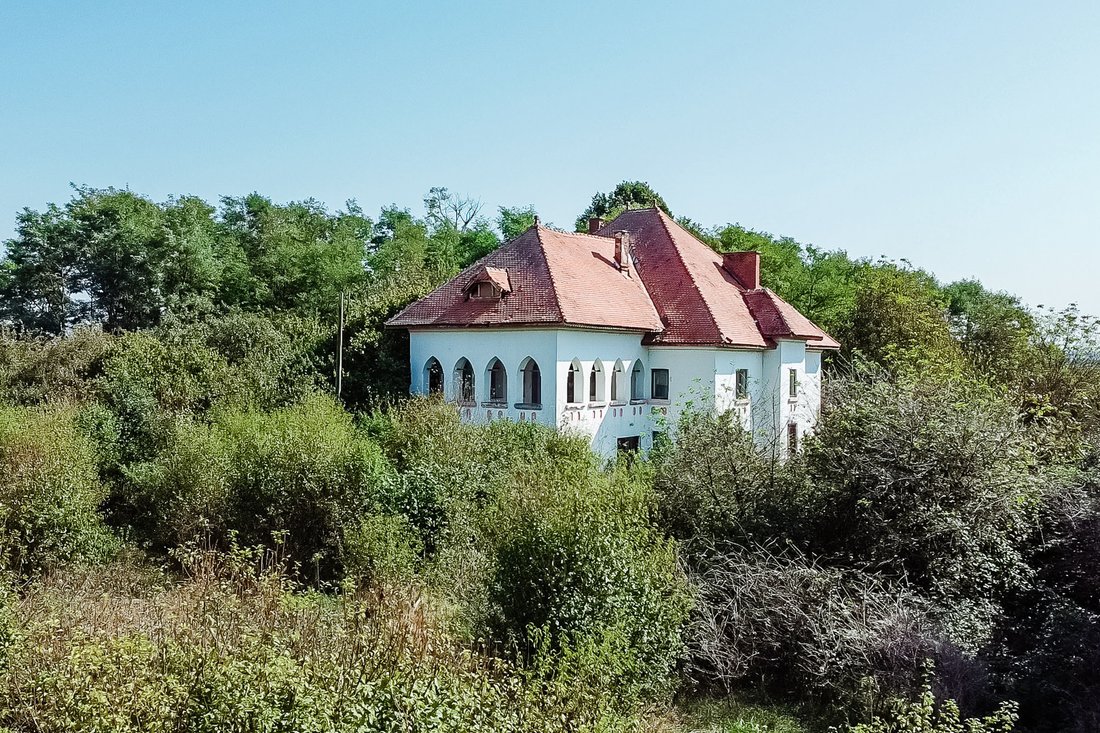
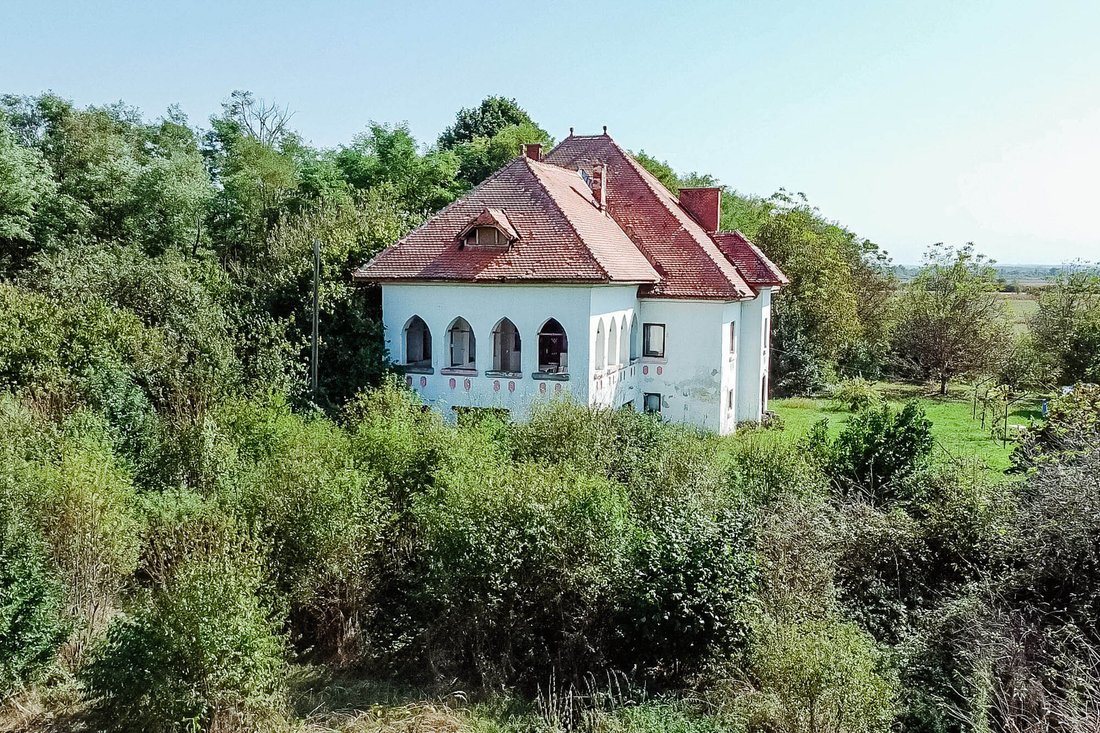
La casa de la familia Voiculescu sigue la línea arquitectónica clásica, con volúmenes compactos y sólidos, bien colocados en el suelo, ubicados en un lugar aislado, rodeado de campo y paz, con buena visibilidad sobre el área. Con paredes gruesas, escaleras internas entre los pisos, puertas blindadas, escondites, ventanas y escotillas estrechas, hoy en día las calles son casas particulares o unidades turísticas apreciadas y queridas. La galería, inspirada en Brancoveneanus, es un lugar maravilloso para evitar los veranos demasiado calurosos, y la bodega es ideal para refugiarse durante el invierno frente a una chimenea y vino caliente.
Cula pasó a ser propiedad de la familia actual en 1915, tras ser comprada por Ion V. Voiculescu, propietario, hijo del profesor Vasile Voiculescu y nieto del diputado campesino Ioan Voicu (lescu), que representó a Gorj junto a los famosos Gheorghe Magheru y Christian Tell (la fotógrafa Carol Popp de Szathmary inmortalizó los momentos históricos en Bucarest, véase la foto).
Aunque provenía de una familia no muy rica, Ion V. Voiculescu todavía tenía algunas tierras que atrajeron la atención de los rebeldes durante la rebelión campesina de 1907 y, más tarde, se permitió comprar 250 hectáreas a Dimitrie I. Mongescu. Cula se encuentra en estas tierras recién adquiridas. La familia Mongescu tenía estrechos vínculos con Tudor Vladimirescu y el movimiento revolucionario dirigido por él. Un bisabuelo, Vasile Moanga (Mongescu), era un buen amigo de Tudor Vladimirescu y tesorero de su movimiento revolucionario de 1821. La historia dice que antes de leer la declaración en Pades, Tudor Vladimirescu y su gente pasaron la noche en la cula de Copaceni (la actual Voiculescu cula en Cornesti), que en ese momento supuestamente pertenecía a Barbu Viisoreanu, un administrador influyente del condado y diputado de Gorj durante el Reglamento Orgánico. La historia más reciente muestra que Ion Voiculescu donó la casa y las 10,5 hectáreas que la rodeaban a su hijo, Vasile Voiculescu, quien más tarde, en 1949, los comunistas lo sacaron por la fuerza de la casa en mitad de la noche; su riqueza fue expropiada, el antiguo noble recibió la residencia obligatoria en una habitación de Targu Jiu y lo obligaron a trabajar como portero en la estación de la ciudad, descargando vagones toneladas. El estado descuidó la cula; entre 1947 y 1997 se transformó en un I.A.S., con jornaleros en la planta baja, pollos criados en los pasillos y ovejas refugiadas en el ático en invierno. Los descendientes del boyardo expropiado por los comunistas son hoy propietarios del edificio y de las 10,5 hectáreas de terreno.
Surrounded by abundant vegetation, the tower lifts its tiled roof to survey the distance. Times are quiet now, but at the end of the 18th century when it was built, Pazvantoglu, the pasa from Vidin known to the residents as Pazvante Chioru, used to raid the area. The Phanariot lordships did not have the ability to ensure the protection of the territories far from the capital, that is why the Oltenian boyars built forts, fortified houses meant to protect their wealth in case of attack. It is interesting to note the uniqueness of this type of construction, which was no longer built after 1821 because the attacks stopped after Tudor Vladimirescu’s revolution, therefore their construction no longer made sense. The rarity makes the appearance of such a house on the real estate market an event, an opportunity.
The word cula comes from the Turkish, where kule means tower, and names this type of one-story house that can be found here in the south of the country, but also south of the Danube, in Bulgaria, Albania, Greece, Serbia, Bosnia and Herzegovina, Macedonia from North, Montenegro, Kosovo Region.
The house of the Voiculescu family follows the classical architectural line, having compact, solid volumes, well placed on the ground, located in an isolated place, surrounded by countryside and peace, with good visibility over the area. With thick walls, internal stairs between floors, reinforced doors, hiding places, narrow windows and hatches, today the cule are private homes or appreciated and loved tourist units. The Brancoveneanu-inspired loggia is a wonderful place to avoid too hot summers, and the wine cellar has potential for winter shelter in front of a fireplace and mulled wine.
Cula became the property of the current family in 1915, having been bought by Ion . V Voiculescu, landlord, son of the teacher Vasile Voiculescu and grandson of the peasant-deputy Ioan Voicu(lescu), who represented Gorj alongside the famous Gheorghe Magheru and Christian Tell (the historical moments were immortalized in Bucharest by the photographer Carol Popp de Szathmary - see photo).
Although coming from a not very rich family, Ion V. Voiculescu still had some land that attracted the attention of the rebels during the 1907 peasant rebellion and later allowed himself to buy 250 ha from Dimitrie I. Mongescu. Cula is located on these newly acquired lands. The Mongescu family had close ties with Tudor Vladimirescu and the revolutionary movement led by him, one great-grandfather, Vasile Moanga (Mongescu), being a good friend of Tudor Vladimirescu and the treasurer of his revolutionary 1821 movement. History says that before reading the declaration in Pades, Tudor Vladimirescu and his people spent the night in the cula of Copaceni (the current Voiculescu cula in Cornesti), which at that time supposedly belonged to Barbu Viisoreanu, an influential administrator in the county and deputy of Gorj during the Organic Regulation. More recent history shows that Ion Voiculescu donated the house and the 10.5 ha that surrounded it to his son, Vasile Voiculescu, who later, in 1949, was forcibly removed from the house by communists in the middle of the night; his wealth was expropriated, the former nobleman receiving mandatory residence in a room in Targu Jiu and being forced to work as a porter in the city station, unloading freight wagons. The state neglected the cula; between 1947-1997 it was transformed into an I. A. S., with day laborers staying on the ground floor, chickens raised in the hallways and sheep sheltered in the attic in winter. The descendants of the boyar expropriated by the communists today own the building together with the 10.5 ha of land.
-
Tipo de propiedad
Otros
-
Precio/pie²
$163
Características
- Chimenea
- Bodega
Explorar la zona
El agente se comunicará con usted pronto por
Publicado por
Reserva una visita con Cristian Soaită
Elija una fecha y si prefiere una visita virtual o presencial con el agente.

La confianza de los mejores brokers del mundo
Los agentes tras las propiedades más excepcionales del mundo publican en JamesEdition.
- Anuncios de Sotheby's, Christie's, BARNES y Engel & Völkers
- Cada anuncio se revisa antes de publicarse
- Conecte directamente con agentes verificados
Al continuar, acepta nuestros Términos y la Política de Privacidad.