Parque La Condorera
- 1,183.64 Ac lot
- 154
Sobre la propiedad
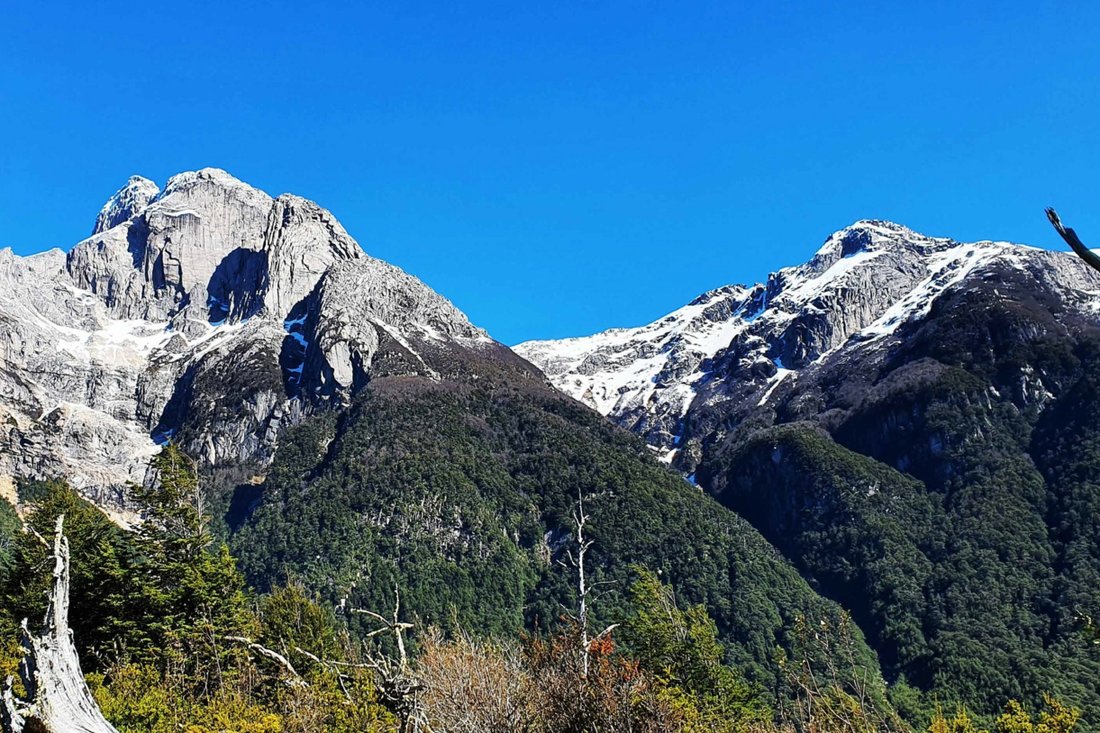
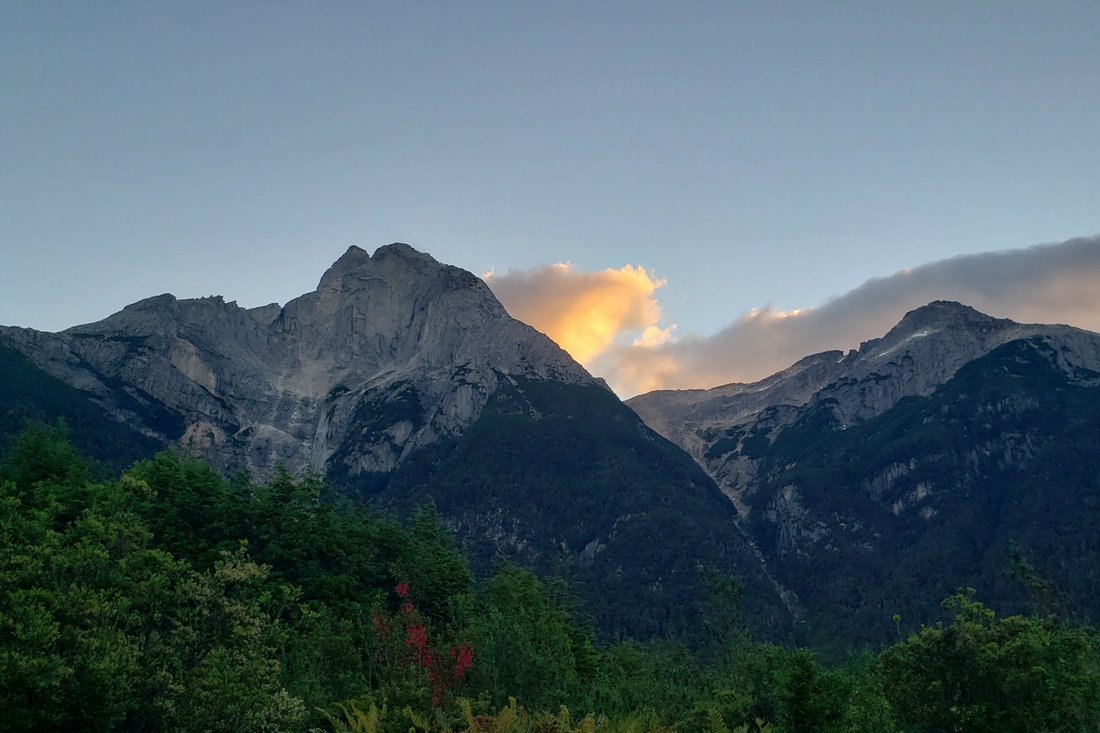
Este campo se ha bautizado así una pared de granito de más de 1640 pies de altura, el hogar del majestuoso cóndor chileno, que ahí anida y se puede observar todo el año, el campo ofrece increíbles vistas sobre esta monumental formación geográfica, que a su vez, es la base del magnífico (shaw dropping) Cerro Picacho, el rey del lugar, que parece conversar con su par de al frente el Cerro La Zara
This farm has been named after a granite wall over 1,640 feet high, the home of the majestic Chilean condor, which nests there and can be seen all year round. It offers incredible views of this monumental geographical formation, which once again, is the base of the magnificent (shaw dropping) Picacho Hill, the king of the place, which seems to converse with its peer in front of Cerro La Zaranda
Este campo se ha bautizado así una pared de granito de más de 1640 pies de altura, el hogar del majestuoso cóndor chileno, que ahí anida y se puede observar todo el año, el campo ofrece increíbles vistas sobre esta monumental formación geográfica, que a su vez, es la base del magnífico (shaw dropping) Cerro Picacho, el rey del lugar, que parece conversar con su par de al frente el Cerro La Zaranda, otro de los colosos que cobijan este hermoso paraje.
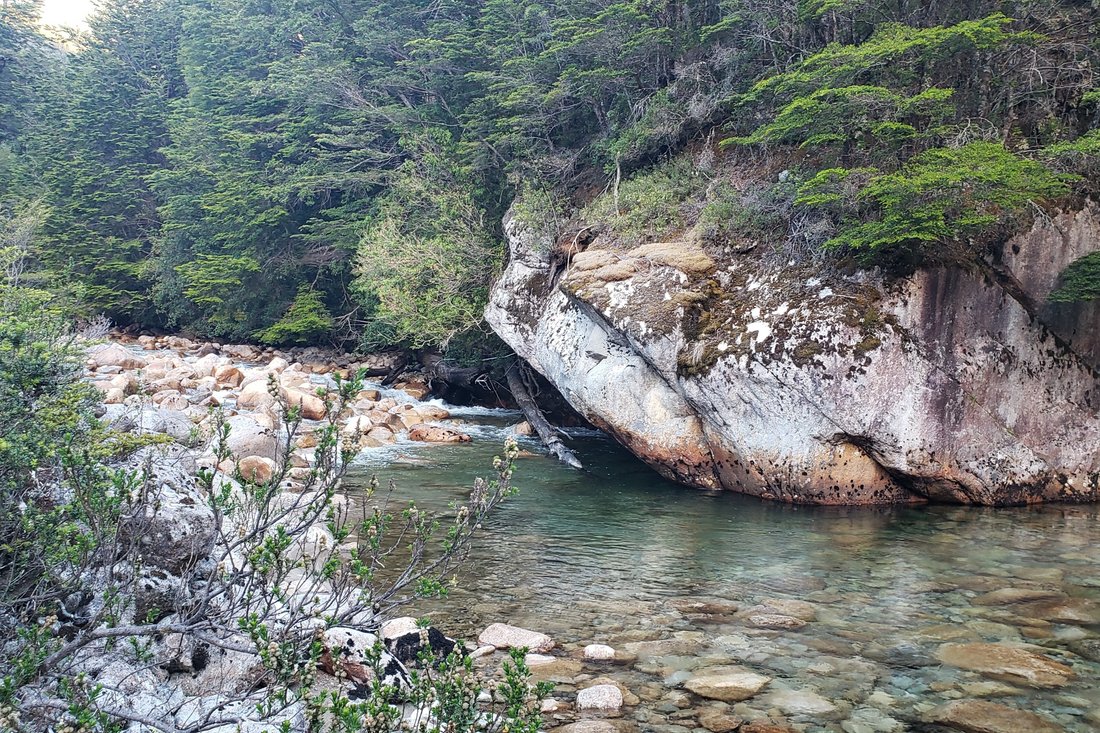
En sus 497 hectáreas de expansión, cuenta con más de 6 kilómetros de cursos del agua más pura del mundo, pero más importante aún cuenta con más de 2400 metros de orilla del Río Picaflor que junto al Río Mañihuales ofrecen uno de los circuitos de pesca con mosca más conocidos a nivel mundial.
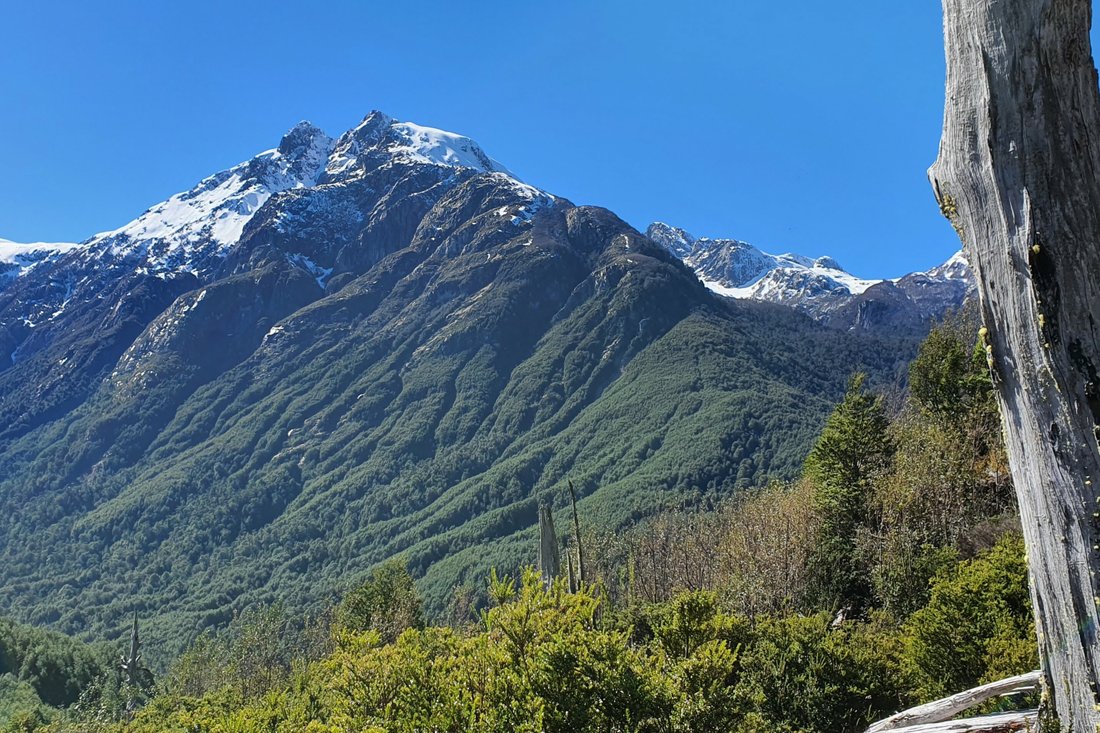
Cuenta con un bosque siempre verde, uno de los ecosistemas con mayor número de especies endémicas del orbe, principalmente compuesta por el Coihue Magallánico y el Mañio Macho, árboles que pueden alcanzar los 30 metros de altura, la Tepa, Luma, Arrayan, entre otros, y varios arbustos, donde destaca el Maqui y Calafate.
Esta selva es el hábitat de animales como el Puma, el Pudú, el Huemul, el Zorro, Guiña, Rana de Darwin… además de numerosas aves como el cóndor, el águila, el martín pescador, el pájaro carpintero, el chucao, el huet huet, entre muchas otras…
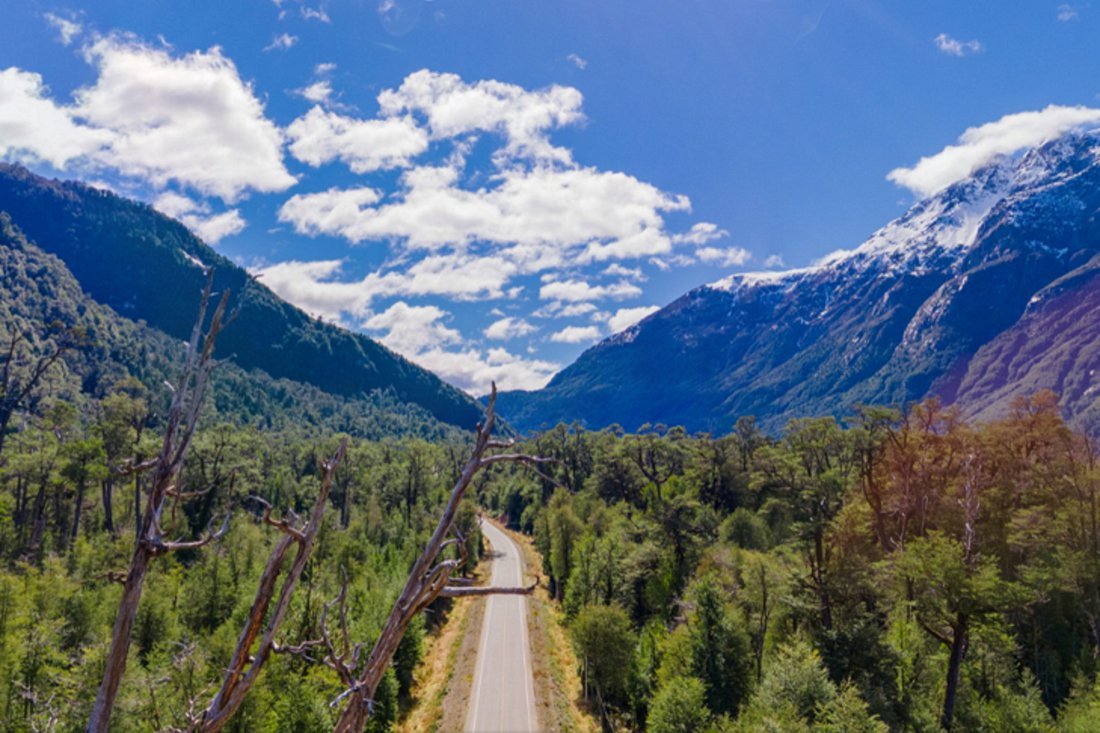
Lo cruza la Carretera Austral lo que permite llegar estar a 50 minutos del Puerto Principal, 1h20 de Coyhaique, y 2 horas del Aeropuerto de Región, Balmaceda y además cuenta con varios empalmes de Fibra Óptica dispuestos para conectarse.
This farm has been named after a granite wall over 1,640 feet high, the home of the majestic Chilean condor, which nests there and can be seen all year round. It offers incredible views of this monumental geographical formation, which once again, is the base of the magnificent (shaw dropping) Picacho Hill, the king of the place, which seems to converse with its peer in front of Cerro La Zaranda, another of the colossi that shelter this beautiful spot.
In its 497 hectares of expansion, it has more than 6 kilometers of courses of the purest water in the world, but more importantly, it has more than 2400 meters of banks of the Picaflor River that, together with the Mañihuales River, offer one of the fishing circuits with the best-known fly in the world.
It has an evergreen forest, one of the ecosystems with the largest number of endemic species in the world, mainly composed of the Coihue Magallánico and the Mañio Male, trees that can reach 30 meters in height, the Tepa, Luma, Arrayan, among others. , and several shrubs, where the Maqui and Calafate stand out.
This jungle is the habitat of animals such as the Puma, the Pudú, the Huemul, the Fox, Guiña, Darwin’s Frog... as well as numerous birds such as the condor, the eagle, the kingfisher, the woodpecker, the chucao, the huet huet, among many others…
The Carretera Austral crosses it, which allows it to be 50 minutes from the Main Port, 1h20 from Coyhaique, and 2 hours from the Region Airport, Balmaceda, and also has optic fiber splices ready to connect.
-
Tipo de propiedad
Rancho
Características
- Vista a la Montaña
- Vista al Agua
- Propiedad de Inversión
Explorar la zona
El agente se comunicará con usted pronto por
Publicado por
Reserva una visita con Felipe Peró
Elija una fecha y si prefiere una visita virtual o presencial con el agente.

Patagonia.
One of our
Patagonia.
One of our main markets is the exclusives properties in some of the lakes shore
in the area, characterized by its natural beauty.
Propiedades similares cercanas
Nuevos anuncios en Coyhaique


Explorar más viviendas en venta
Coyhaique, Chile tipos de propiedad
Guías e historias relacionadas
La confianza de los mejores brokers del mundo
Los agentes tras las propiedades más excepcionales del mundo publican en JamesEdition.
- Anuncios de Sotheby's, Christie's, BARNES y Engel & Völkers
- Cada anuncio se revisa antes de publicarse
- Conecte directamente con agentes verificados
Al continuar, acepta nuestros Términos y la Política de Privacidad.