$1,114,715
A Listed 13th Century Chateau To Be Fully Restored, With Grounds, A Chapel And Outbuildings,
- 12 Hab.
- 1 Baños
- 10,872 Sqft
- 1,174 Sqft lot
- Actualizado: Septiembre 11
- 37
Sobre la propiedad
La descripción se tradujo automáticamente.
La descripción se muestra en el idioma original.
Un castillo catalogado del siglo XIII que se restaurará por completo, con jardines, una capilla y edificios anexos, ubicado en el departamento francés de Lot-et-Garonne, con vistas al valle del río Garona. El castillo, que se alza sobre una colina rocosa que mira hacia el valle, estuvo rodeado una vez por un viñedo ancestral. El majestuoso edificio ilustra el rico pasado de Gascuña. El castillo or
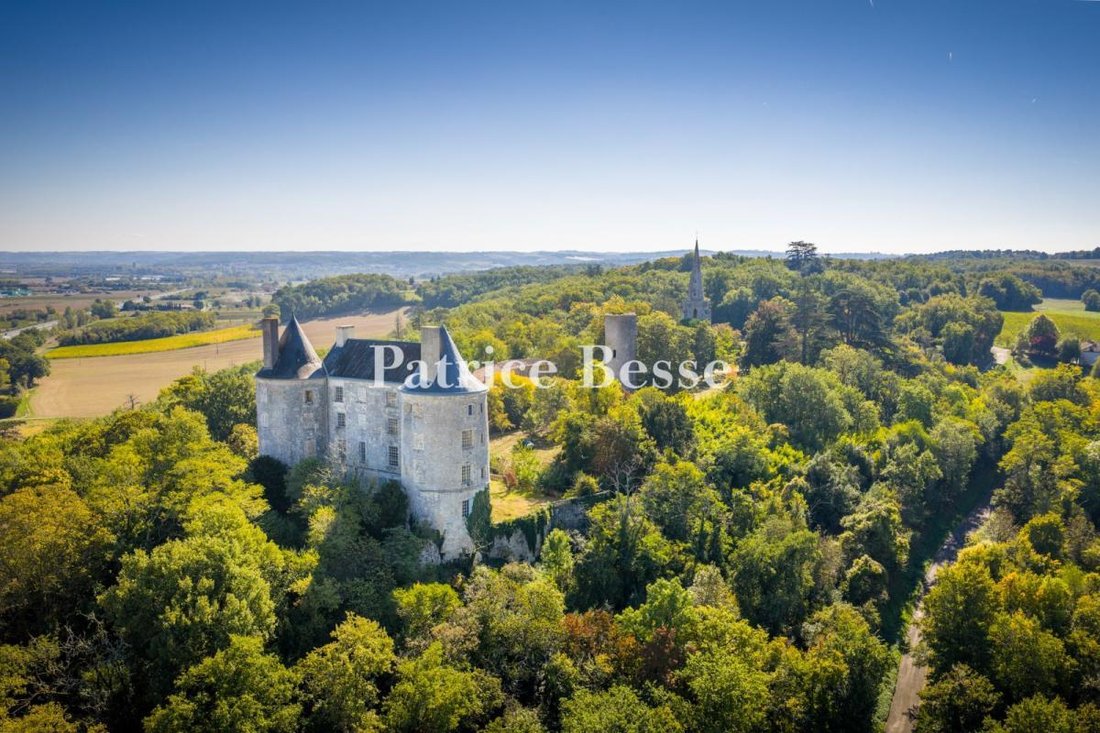
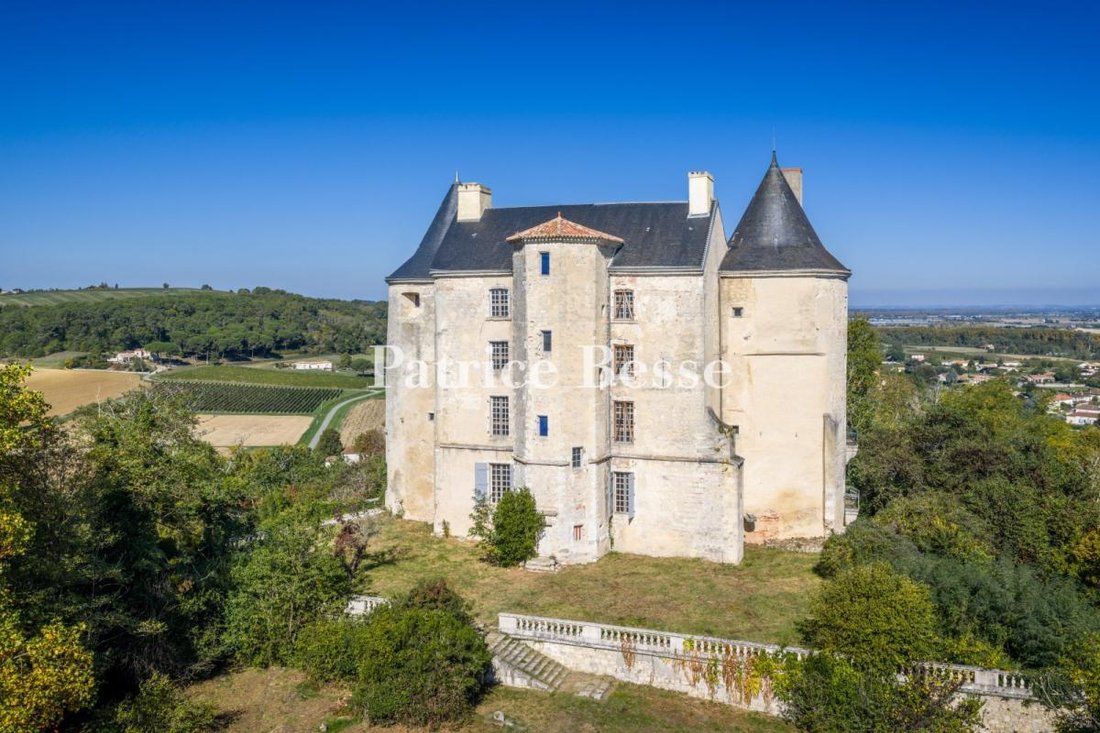
A listed 13th-century chateau to be fully restored, with grounds, a chapel and outbuildings, nestled in France’s Lot-et-Garonne department where it overlooks the River Garonne valley. Towering upon a rocky hill that looks down at the valley, the chateau was once surrounded by an ancestral vineyard. The majestic edifice illustrates the rich past of Gascony. The original chateau was built by the cou
Un castillo catalogado del siglo XIII que se restaurará por completo, con jardines, una capilla y edificios anexos, ubicado en el departamento francés de Lot-et-Garonne, con vistas al valle del río Garona. El castillo, que se alza sobre una colina rocosa que mira hacia el valle, estuvo rodeado una vez por un viñedo ancestral. El majestuoso edificio ilustra el rico pasado de Gascuña. El castillo original fue construido por los condes de Gascuña. Ha sobrevivido a lo largo de los siglos y resistió notablemente las guerras de religión francesas. El edificio actual, elegante y simétrico, se remonta al Renacimiento francés (alrededor del año 1500). Conserva importantes vestigios medievales, como torres, saeteras y otros elementos defensivos del siglo XV. La familia Grossolles de Flamarens y Alfred de Noailles añadieron dos alas en los siglos XVII y XIX, antes de ser destruidas en la década de 1960. Todos los edificios y restos de la finca tienen paredes hechas en su mayoría de piedra. Sus techos tienen tejas de pizarra o barril. Parte del castillo está catalogado regionalmente como monumento histórico desde 1989 y a nivel nacional como monumento histórico desde 1991. Esto atestigua el verdadero valor del castillo como joya del patrimonio construido. Las partes catalogadas son las elevaciones, los techos, las chimeneas y los restos arquitectónicos de los terrenos, así como los techos pintados de las habitaciones del primer piso. Hoy en día, el castillo requiere una restauración a gran escala. Un régimen fiscal francés específico se aplica a esta propiedad como monumento histórico protegido. Ciertos gastos de las partes protegidas (incluidas las obras de renovación, los intereses de los préstamos, los impuestos sobre la propiedad y el seguro) son deducibles de impuestos, hasta un máximo del 50% de la renta imponible. Estos gastos son deducibles de los ingresos de la propiedad.
La información sobre los riesgos a los que está expuesta esta propiedad está disponible en el sitio web de Géorisques: https://www.georisques.gouv.fr/
La información sobre los riesgos a los que está expuesta esta propiedad está disponible en el sitio web de Géorisques: https://www.georisques.gouv.fr/
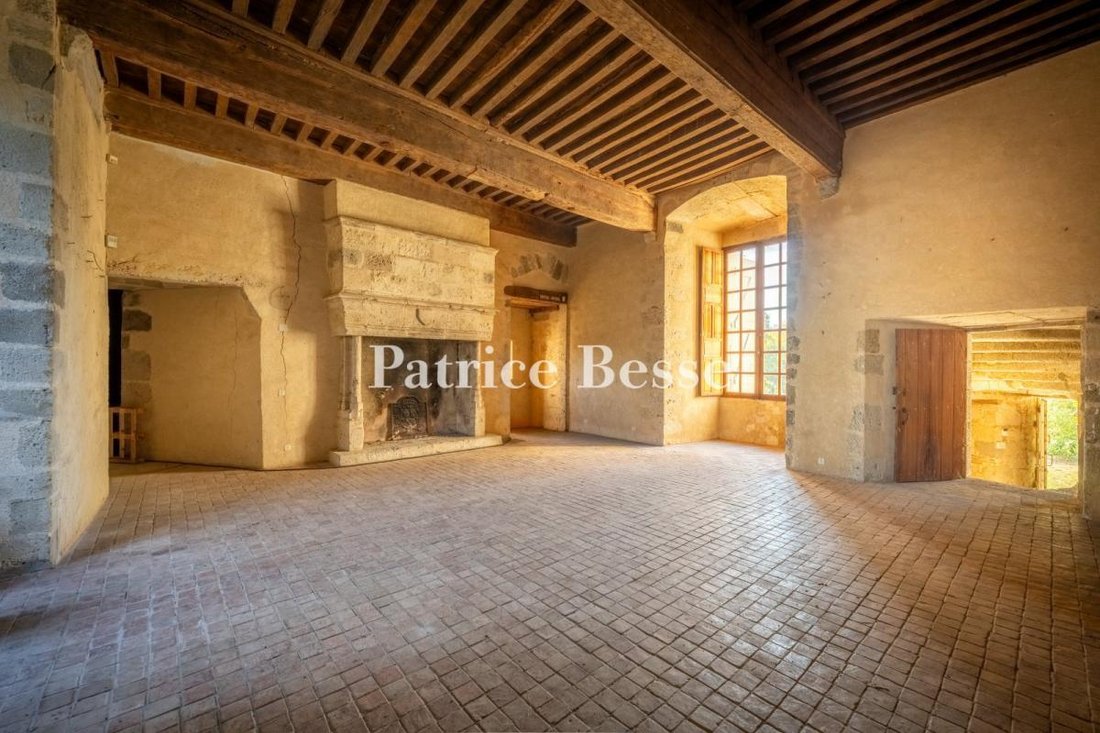
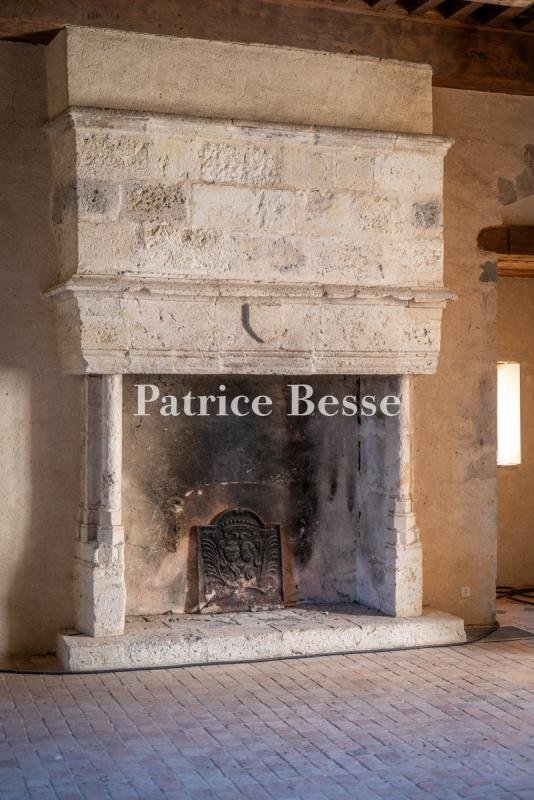
A listed 13th-century chateau to be fully restored, with grounds, a chapel and outbuildings, nestled in France’s Lot-et-Garonne department where it overlooks the River Garonne valley. Towering upon a rocky hill that looks down at the valley, the chateau was once surrounded by an ancestral vineyard. The majestic edifice illustrates the rich past of Gascony. The original chateau was built by the counts of Gascony. It has survived over the centuries and notably withstood the French Wars of Religion. Today’s elegant, symmetrically designed edifice dates back to the French Renaissance (around the year 1500). It has kept significant medieval remnants, including towers, arrow slits and other defensive features from the 15th century. Two wings were added in the 17th and 19th centuries by the Grossolles de Flamarens family and by Alfred de Noailles, before being destroyed in the 1960s. All the estate’s buildings and remnants have walls that are mostly made of stone. Their roofs have slate or barrel tiles. Part of the chateau has been regionally listed as a historical monument since 1989 and nationally listed as a historical monument since 1991. This bears witness to the chateau’s true value as a gem of built heritage. The listed parts are the elevations, roofs, fireplaces and architectural remnants in the grounds, as well as the painted ceilings of the bedrooms on the first floor. Today, the chateau requires large-scale restoration. A specific French tax scheme applies to this property as a protected historical monument. Certain expenses on the protected parts (including renovation work, loan interest, property tax and insurance) are tax deductible, within up to 50% of taxable income. These expenses are deductible from property income.
La información sobre los riesgos a los que está expuesta esta propiedad está disponible en el sitio web de Géorisques: https://www.georisques.gouv.fr/
La información sobre los riesgos a los que está expuesta esta propiedad está disponible en el sitio web de Géorisques: https://www.georisques.gouv.fr/
-
Tipo de propiedad
Castillo
-
Precio/pie²
$102
Características
Explorar la zona
École Paul Bert-Lycée Bernard Palissy, Agen, Francia
Ver en Google Maps
Precio por sqft
Bajo
Alto
Ver 32 anuncios más en en École Paul Bert-Lycée Bernard Palissy
Se unió hace 3 años
Usted ha preguntado por esta propiedad
El agente se comunicará con usted pronto por
Publicado por
744
Anuncios
2023
Se unió
Reserva una visita con the agent
Elija una fecha y si prefiere una visita virtual o presencial con el agente.
Fecha preferida
Tipo de tour
Última actualización
Septiembre 11
Primera publicación
Julio 1
Referencia del anuncio
105211_JE
La confianza de los mejores brokers del mundo
Los agentes tras las propiedades más excepcionales del mundo publican en JamesEdition.
- Anuncios de Sotheby's, Christie's, BARNES y Engel & Völkers
- Cada anuncio se revisa antes de publicarse
- Conecte directamente con agentes verificados
Al continuar, acepta nuestros Términos y la Política de Privacidad.